
Finding the right swimming ring for kids involves balancing fun, developmental progress, and water safety. In the tropical climate of the Philippines, weekend trips to local resorts in Laguna or beach outings in Batangas are common family traditions. However, a float that works perfectly for a six-year-old can pose serious safety hazards for an infant. To keep your child safe and comfortable, you must match their flotation device to their precise age, weight, physical development, and swimming confidence.
Choosing the best swimming ring for kids requires looking beyond bright colors and playful designs. Parents must distinguish between recreational inflatable toys and certified flotation aids, while assessing material thickness, valve security, and structural stability. This guide breaks down the ideal swim floats for every developmental stage, helping you make an informed decision for your next family swim day.
How to Match Swim Floats to Your Child's Age and Skill
Choosing a flotation device is not a one-size-fits-all decision. The primary step in selecting a swimming ring for kids is understanding the difference between a recreational water toy and a personal flotation device (PFD). Inflatable swim rings, decorative lounge floats, and novelty ride-ons are classified as toys. They are designed solely for play in controlled, shallow environments where an adult is within arm’s reach. They do not prevent drowning and can easily flip, puncture, or slip off. Conversely, approved life jackets and certified swim vests are engineered to keep a child’s head above water and are subject to rigorous safety testing.
Products mentioned in this guide
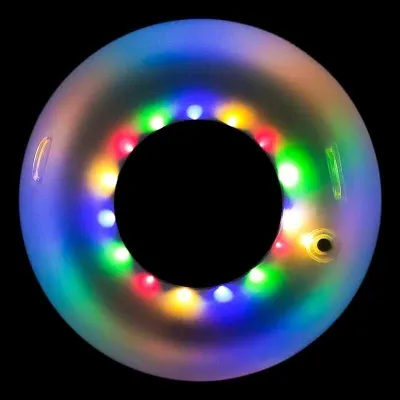
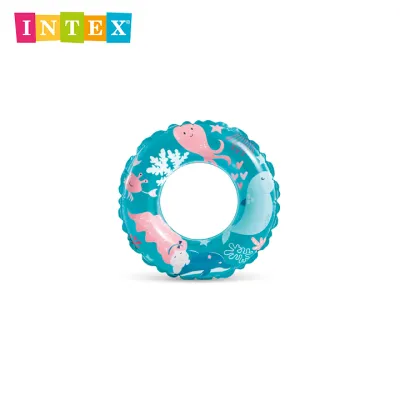
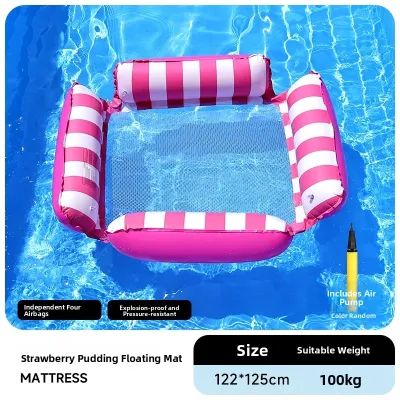
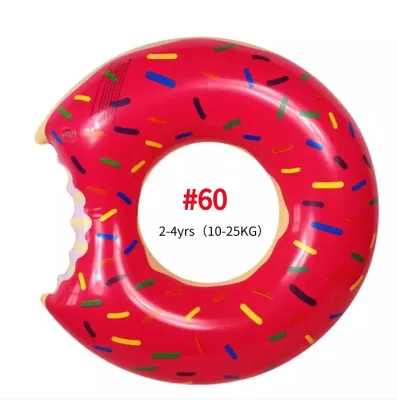
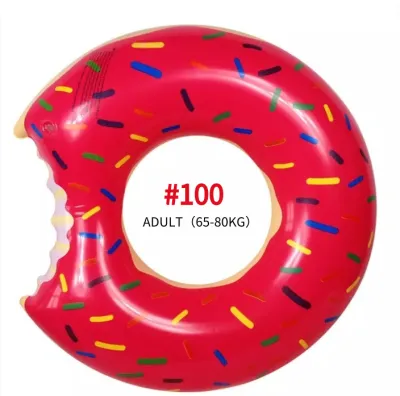
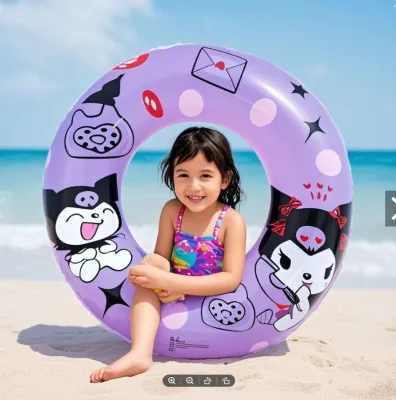
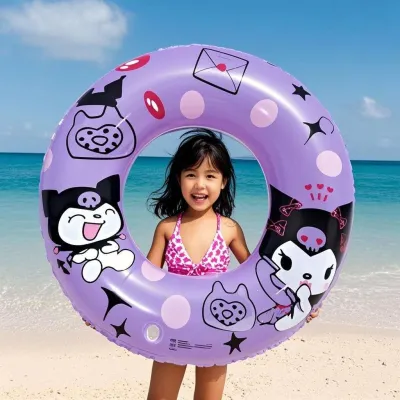
Prices are valid at publication and may change. Please refer to the product page for the latest price.
To evaluate any float, start by checking the manufacturer’s label for explicit weight and age limits. Never buy a larger size hoping your child will “grow into it.” A float that is too large allows a child to slip through the center, while one that is too small may not provide sufficient buoyancy. Weight capacity is the most reliable metric, as physical development varies widely among children of the same age.
Material durability is another critical decision dimension. Standard, thin polyvinyl chloride (PVC) is highly susceptible to punctures, seam tears, and degradation from chlorine and intense tropical sunlight. Look for heavy-duty vinyl or laminated PVC with a thickness of at least 0.25mm to 0.3mm. These thicker materials resist stretching under heat and withstand the rough play typical of active children.
Examine the valve structure before purchasing. High-quality swim floats feature safety valves with one-way flaps that prevent rapid air loss if the cap accidentally pops open. These valves require you to pinch the base to deflate them, offering an extra layer of security.
Finally, align the float type with your child’s swimming ability. Non-swimmers and toddlers who lack core stability require seated floats or secure, wearable support that keeps them in an upright, stable position. As children build confidence and learn basic kicking techniques, they can transition to arm bands or swim discs that permit greater range of motion. Confident, independent swimmers can safely use traditional inflatable tubes for recreational lounging under close adult supervision.
Best Swim Rings and Floats for Babies and Toddlers (0–2 Years)
For infants and toddlers, water introduction is about sensory play, building comfort, and gentle splashing. At this stage, children lack the core strength to hold themselves upright in a standard open ring, and their heads are disproportionately heavy, making stability the absolute priority. Floats for this age group must focus on preventing tipping, providing physical support, and shielding delicate skin from the intense Philippine sun.

Baby Swim Seats with Sun Canopies
Baby swim seats are specialized inflatable structures featuring a secure, diaper-style seat in the center. These seats keep the baby’s lower body submerged while holding their chest and head securely above the water line. When selecting a swim seat, prioritize models with a wide, low-profile base. A wider outer ring significantly lowers the center of gravity, reducing the risk of the float flipping over if the baby leans forward or to the side.
Look for smooth, wide leg holes with finished seams. Rough plastic edges can quickly chafe a baby’s sensitive thighs, especially when combined with saltwater or chlorinated water. Additionally, an adjustable and detachable sun canopy with a high Ultraviolet Protection Factor (UPF) rating is essential for outdoor pools and beaches. This canopy shields your baby’s head, shoulders, and back from direct sunlight, reducing the risk of heat exhaustion and sunburn.
Remember that baby swim seats are designed strictly for calm, shallow waters and must never be used in rough waves or windy conditions. Because the child is secured within the seat, if the float does capsize, the baby will be held upside down underwater. For this reason, these seats require constant, hands-on adult supervision at all times.
Wearable Swim Vests and Puddle Jumpers
As toddlers reach one to two years of age and become more active, wearable flotation devices offer a transition toward independent movement. These devices typically combine a lightweight foam swim vest with attached arm bands, securing around the child’s chest and upper arms. This design keeps the child’s head naturally above water while allowing them to practice a natural paddling motion with their legs.
When shopping for wearable floats, look for secure back buckles and adjustable webbing straps that prevent the child from slipping out or undoing the fastener themselves. The fit must be snug but comfortable, ensuring the vest does not ride up against the child’s chin or ears when they are in the water.
Always verify the safety certifications printed on the product. Look for labels indicating compliance with international safety standards, such as United States Coast Guard (USCG) approval or European EN standards. While these wearable aids provide excellent buoyancy and support water confidence, they are flotation aids rather than professional life-saving devices for open water. They should always be used under direct, uninterrupted adult supervision.
Best Swim Rings and Floats for Preschoolers (3–5 Years)
Preschool-aged children are developing greater coordination, muscle strength, and water confidence. Many are beginning formal swim lessons or learning to kick and paddle independently. Floats for this age group should encourage active movement and help children practice horizontal body positioning in the water, while still providing reliable buoyancy.
Arm Bands and Swim Discs
Inflatable arm bands, often called “water wings,” are classic tools for building water confidence. They fit snugly around the child’s upper arms, providing localized buoyancy that helps keep the head above water while leaving the torso completely free. This freedom allows preschoolers to practice natural arm strokes and kicking techniques without the bulk of a full vest.
For an alternative that eliminates the risk of deflation, consider foam swim discs. Made from soft, puncture-proof closed-cell foam, these discs slide onto the child’s arms. Many models allow you to stack multiple discs on each arm, letting you gradually remove discs one by one as your child’s swimming skills and natural buoyancy improve.
When using arm bands or discs, ensure the inner material is soft and non-chafing to prevent irritation under the armpits. Always check that the bands fit tightly enough that they will not slide off when the child jumps into the pool or paddles vigorously.
Ride-On and Handle-Equipped Swim Rings
For recreational play, preschoolers enjoy swim rings featuring interactive shapes, such as animals, vehicles, or classic circular tubes with added features. For this age group, always choose swim rings equipped with sturdy, heavy-duty handles molded directly into the material. These handles give small hands a secure grip, helping the child maintain balance and stay centered on the float.
Safety is significantly enhanced by multiple independent air chambers. If a swim ring has two or three separate chambers, a single puncture will not cause the entire float to deflate instantly, leaving residual buoyancy to help the child stay afloat while you assist them out of the water.
Before letting your child use a handle-equipped ring, verify the inflation level. The ring should be firm to the touch but retain a slight amount of give when squeezed. Over-inflation stretches the seams and increases the risk of popping under direct sunlight, while under-inflation reduces buoyancy and stability.
Best Recreational Swim Rings for School-Aged Kids (6+ Years)
By the age of six, many children have developed basic swimming skills, improved core strength, and better water coordination. For these older children, swim floats transition from developmental aids to purely recreational gear. School-aged kids enjoy larger inflatable tubes, lounge floats, and novelty shapes—ranging from giant food items to fantasy creatures—that make pool games and beach lounging more exciting.
When choosing a recreational swimming ring for kids in this age bracket, durability and size are the primary considerations. Look for rings with a larger outer diameter, typically 30 inches or more, to comfortably support their growing height and weight. The seams must be flat and heat-sealed to prevent scratching the skin during active play. Heavy-duty vinyl is still highly recommended, as older kids are likely to jump onto, pull, and roughhouse with their floats.
It is vital to emphasize that novelty and standard swim rings are recreational toys, not safety devices. They do not provide stable flotation in deep or moving water and can easily drift away or capsize. Even if your school-aged child is a confident swimmer, these floats should only be used in controlled environments, such as backyard pools, supervised public pools, or calm beach zones, and always under active adult supervision.
Quick Comparison of Kids' Swim Floats by Age Group
To help you quickly identify the most suitable float type for your child’s age, development, and primary activity, refer to the summary table below. Always prioritize your child’s individual physical ability over age guidelines alone.
| Age Group | Recommended Float Type | Primary Use | Key Feature to Check |
|---|---|---|---|
| 0–2 Years | Baby Swim Seats with Sun Canopies | Water introduction & sensory play | Wide, stable base & UPF sun protection |
| 1–2 Years | Wearable Swim Vests / Puddle Jumpers | Building water confidence & paddling | Secure back buckles & safety certifications |
| 3–5 Years | Arm Bands / Foam Swim Discs | Active swim practice & arm movement | Snug fit & soft, non-chafing inner lining |
| 3–5 Years | Handle-Equipped Swim Rings | Recreational navigation & kicking | Multiple air chambers & molded grab handles |
| 6+ Years | Large Inflatable Tubes / Novelty Rings | Leisure, pool games & lounging | Heavy-duty vinyl & flat heat-sealed seams |
Essential Water Safety Rules for Kids Using Swim Rings
Regardless of the type of swimming ring for kids you select, equipment can never replace active adult supervision and sound judgment. Drowning can occur quickly and silently, often in the time it takes to reply to a text message or apply sunscreen. Implementing strict safety protocols is the most effective way to protect your children in and around the water.
First, practice “touch supervision” for all infants, toddlers, and non-swimmers. This means a responsible adult must be in the water, within arm’s reach of the child at all times, keeping their eyes on the child without distractions like smartphones, books, or socializing. For older, more confident swimmers, maintain constant visual supervision from the poolside or shoreline.
Second, understand the limitations of inflatable gear. Inflatable swim rings, arm bands, and novelty floats are classified as water toys and are not life-saving devices. They are prone to puncture, deflation, and slippage. In open water, lakes, or the ocean, children should always wear a personal flotation device (PFD) that is certified by national maritime safety agencies or the coast guard, rather than relying on inflatable toys.
Third, establish a pre-use inspection routine before every swim session. Inflate the float to the manufacturer’s recommended level, ensuring it is firm but not rock-hard. Submerge the inflated float briefly or apply a soap-and-water solution to check for tiny bubbles, which indicate a slow leak. Ensure all safety valves are firmly closed, pressed flat, and tucked into the body of the float so they cannot be accidentally pulled open during play.
Finally, be highly cautious of weather conditions. Large inflatable rings and novelty floats act like sails in windy weather. A sudden gust of wind can quickly sweep a child on an inflatable ring far away from the shore or pool edge. Avoid using inflatable rings in open water during breezy days, and always keep a close eye on local weather forecasts and water currents before heading out.
Frequently Asked Questions (FAQ)
At what age can a child safely use a standard inflatable swim ring?
A child can typically transition to a standard, open inflatable swim ring around age 5 or 6. At this stage, they must possess the core strength, balance, and coordination required to hold onto the ring and keep their head above water independently. However, age is only a guideline; the child’s swimming ability, physical stamina, and the presence of active adult supervision are the ultimate deciding factors.
Are swim rings safe for non-swimmers?
No, standard inflatable swim rings are not safe for non-swimmers. Because they are open tubes, a child who cannot swim can easily slip through the center, lose their grip, or capsize the float. Non-swimmers require wearable, certified flotation devices, such as life jackets or approved swim vests, which are designed to keep the head upright and above water even if the child panics.
How do I properly clean and store a kids' swim ring?
To prolong the lifespan of your child’s swim ring, rinse it thoroughly with fresh, clean water after every use to remove chlorine, salt, sand, and sunscreen residues. Allow the float to air-dry completely in a shaded area, as direct tropical sunlight can degrade the vinyl over time. Once dry, deflate it fully and store it flat in a cool, dry place away from sharp objects and extreme temperatures.
Community discussion
Share your experience or ask a question. Comments are reviewed before publication.