
Selecting the right swimming socks for kids in the Philippines requires balancing flexible protection with the specific coastal activities your child enjoys. Whether they are exploring shallow tidal pools, walking across sun-baked sands, or snorkeling over vibrant coral reefs, young feet are highly susceptible to abrasions, heat, and sharp underwater hazards. The ideal pair of water socks acts as a protective second skin, shielding sensitive feet without restricting the natural movement needed for swimming.
Because coastal environments vary dramatically across the Philippine archipelago, a single pair of water shoes or socks may not suit every scenario. Parents must distinguish between thin, form-fitting socks designed to prevent chafing inside snorkeling fins and more robust, rubber-soled socks built for navigating rocky shorelines. By focusing on material composition, sole thickness, and secure closure systems, you can ensure your child remains comfortable and safe throughout their tropical water adventures.
Why Foot Protection Matters for Kids in Philippine Waters
The diverse coastal landscapes of the Philippines present unique physical challenges for young swimmers. Popular destinations feature a mix of fine volcanic sand, powdery white shores, and rugged limestone formations. While beautiful, these environments host natural hazards such as sharp, broken coral fragments washed up by the tide, jagged rocks, and sea urchins nestled in shallow crevices. A single misstep on a sharp reef or a hot sandy beach can quickly cut a family outing short.
Products mentioned in this guide
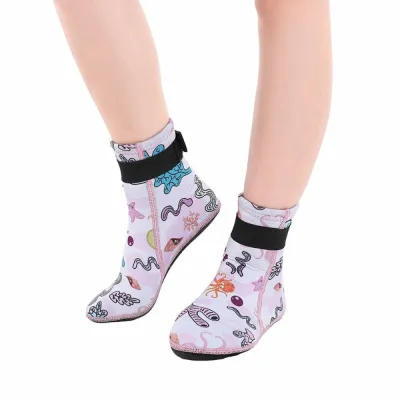
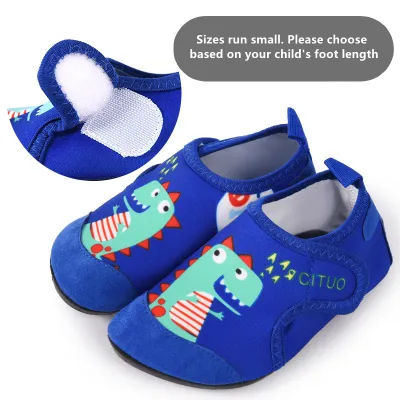
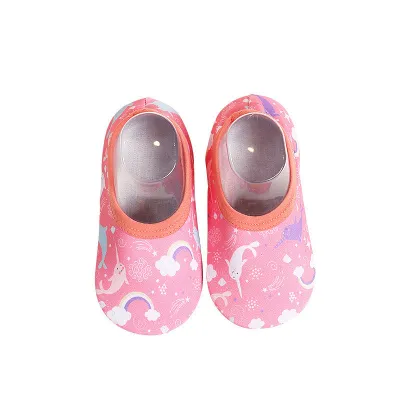
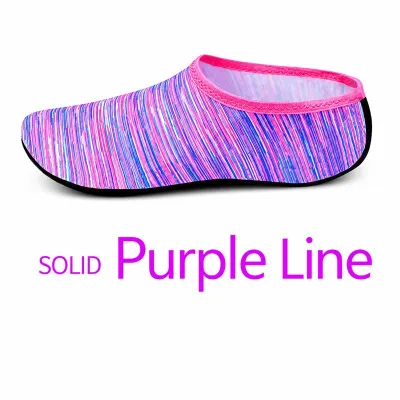
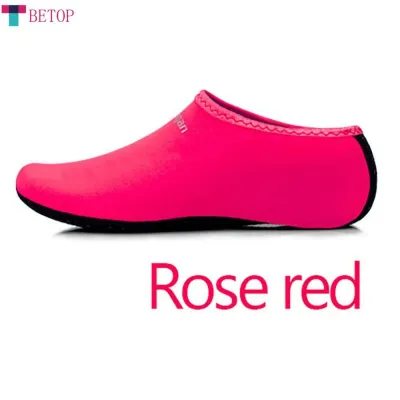
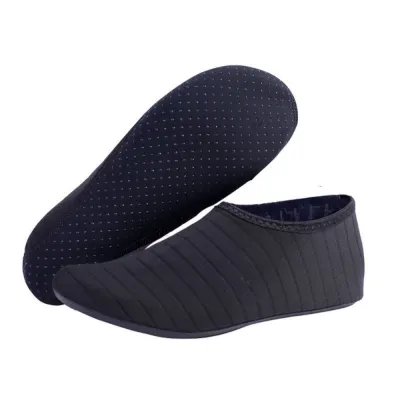
Prices are valid at publication and may change. Please refer to the product page for the latest price.
Beyond sharp objects, the intense tropical sun rapidly heats coastal sand and boat decks to uncomfortable temperatures. Walking barefoot on these surfaces can cause painful burns on a child’s tender soles. Swimming socks provide a thermal barrier, allowing children to transition comfortably from shaded rest areas to the water’s edge without searching for their sandals at every step.
For children who enjoy snorkeling, foot protection is equally vital to prevent painful friction injuries. Snorkeling fins are typically made of rigid plastics or stiff rubber compounds that can rub against wet skin. Without a protective layer, the repetitive kicking motion often leads to severe blisters and chafing around the heels and toes. A soft, snug-fitting swimming sock eliminates this friction, allowing for hours of comfortable exploration.
While protection is critical, maintaining natural foot movement is essential for water safety. Heavy, rigid water shoes can weigh a child down, making it difficult to kick efficiently or float comfortably. Lightweight swimming socks offer a practical compromise, providing sufficient physical defense against minor cuts and scrapes while preserving the foot’s natural flexibility and buoyancy in the water.
Core Features to Evaluate When Buying Kids' Swimming Socks
When browsing online marketplaces or local sports retailers, evaluating the upper material of the swimming sock is your first step. Neoprene is a popular choice, typically ranging from 1mm to 2mm in thickness for children’s gear. This material offers excellent thermal insulation, keeping kids warm during extended swim sessions, and provides a cushioned barrier against abrasions. Alternatively, lightweight nylon or spandex mesh blends excel in breathability and dry much faster, making them highly convenient for casual beach play.
Sole construction directly determines where the sock can be safely worn. For active beach exploration, look for socks featuring textured silicone patterns or thin, flexible rubber outsoles. These patterns provide essential traction on slippery boat decks, wet rocks, and poolside tiles. If the socks are intended primarily for swimming or wearing inside fins, a completely soft, fabric-only sole is preferable to prevent bulkiness and maintain maximum flexibility.
Closure systems play a vital role in keeping debris out of the sock. Elastic ankle cuffs are common and highly effective, provided they fit snugly without constricting blood flow. Some designs incorporate adjustable hook-and-loop straps across the instep or around the ankle, allowing parents to customize the tightness. A secure closure prevents fine sand, tiny pebbles, and shell fragments from entering the sock, which could otherwise cause severe irritation during movement.
Durability is another key factor, especially given the corrosive nature of saltwater and constant exposure to sand. Look for flatlock stitching or reinforced seams, which lie flat against the skin to prevent chafing while offering superior resistance to tearing. Reinforced toe caps are also highly beneficial, as children frequently stub their toes against submerged rocks or hard surfaces while wading.
Matching the Sock to the Activity: Snorkeling vs. General Beach Play
No single swimming sock can excel at every coastal activity, as the design requirements for deep-water swimming differ significantly from land-based exploration. Parents should identify the primary activity their child will engage in before making a purchase. Matching the sock’s design to the environment ensures optimal performance, comfort, and safety.
Snorkeling and Fin Compatibility
Socks designed for snorkeling must fit seamlessly inside a child’s swim fins to prevent painful rubbing. For this application, prioritize thin, highly elastic materials such as Lycra, spandex, or ultra-thin 1mm neoprene. These materials conform closely to the contours of the foot, ensuring that the sock does not bunch up or create high-pressure spots inside the fin’s foot pocket.
Seamless construction is particularly important for fin socks. Standard raised seams can press deeply into wet skin under the pressure of a snug fin, leading to rapid blister formation. Look for socks with flatlock seams or seamless toe boxes that minimize friction points. A smooth heel panel is also essential, as the heel experiences the greatest amount of movement and friction during a standard kicking cycle.
When introducing a sock layer, parents must carefully evaluate the fit of the snorkeling fins. A sock adds slight volume to the foot, which can make a previously perfect full-foot fin feel too tight, potentially restricting blood circulation. If your child uses open-heel fins with adjustable straps, you can easily loosen the straps to accommodate the sock. For full-foot fins, ensure there is still enough wiggle room for the toes once the sock is worn.
Beach Play and Rocky Shoreline Exploration
For activities that involve walking, running, and wading along uneven coastal terrain, physical protection takes precedence over streamlined flexibility. Swimming socks for beach play require a puncture-resistant sole, typically made of vulcanized rubber or durable thermoplastic elastomer. This thicker barrier shields the bottom of the foot from sharp shells, broken coral, and hidden debris in the sand.
Excellent traction is non-negotiable when children explore wet, algae-covered rocks or slippery tidal pools. Look for aggressive, multi-directional tread patterns on the soles to help prevent slips and falls. Reinforced toe guards are equally critical in these environments, protecting vulnerable toes from direct impacts with hard underwater obstructions.
Parents should be aware of the trade-offs associated with heavier, rubber-soled beach socks. The added weight and structure can increase drag and buoyancy, making sustained swimming or deep-water kicking more tiring for young children. These socks are highly specialized for wading, beachcombing, and shallow water play, rather than dedicated swimming or snorkeling with fins.
Sizing, Fit, and Pre-Swim Safety Checks
To find the correct size, do not rely solely on your child’s standard shoe size, as water footwear sizing can vary significantly between manufacturers. Instead, place your child’s foot flat on a piece of paper, trace the outline, and measure the distance from the heel to the longest toe in centimeters. Compare this measurement directly to the manufacturer’s specific sizing chart to find the closest match.
An ideal swimming sock must fit snugly, resembling a second skin, without compressing the toes. If the sock is too loose, water will pool inside the fabric, creating excessive drag and causing the sock to slide around. Loose socks also allow sand and small pebbles to slip inside easily, leading to skin irritation. Conversely, a sock that is too tight can restrict circulation, cause muscle cramps, and pinch the toes, making the water activity uncomfortable.
Before every swim, perform a quick physical inspection of the socks to ensure they are safe to use. Check the soles for signs of wear, such as thinning rubber or worn-down tread patterns that could compromise grip. Inspect the seams for loose threads or tears that might unravel in the water, and feel inside the sock to ensure no dried sand or sharp debris remains from previous trips.
Pay close attention to the condition of the ankle cuff during your pre-swim check. The elastic must remain resilient enough to hold the sock firmly in place against the resistance of waves and currents. A stretched-out or loose cuff increases the risk of the sock slipping off in deeper water, leaving your child’s foot unprotected and potentially losing the gear entirely.
Cleaning and Maintenance for Longevity
Proper maintenance is essential to preserve the elasticity and protective qualities of swimming socks, especially after exposure to harsh tropical saltwater. Immediately after use, thoroughly rinse the socks inside and out with clean, fresh water. This process removes accumulated salt crystals, chlorine, and fine sand particles that can degrade the fabric fibers and cause premature wear.
When drying the socks, always opt for air drying in a well-ventilated, shaded area. Direct exposure to intense tropical sunlight can rapidly degrade neoprene, spandex, and elastic cuffs, making the materials brittle and prone to cracking. Never use a mechanical clothes dryer or expose the socks to direct heat sources, as high temperatures can melt synthetic fibers and ruin the adhesive bonds on rubber soles.
Store the swimming socks flat or gently rolled in a cool, dry place away from direct sunlight. Avoid folding them tightly or placing heavy items on top of them, as prolonged compression can permanently crease neoprene and reduce its cushioning properties. Ensuring the socks are completely dry before storage prevents the growth of mold, mildew, and unpleasant odors, keeping them ready for your next coastal adventure.
Frequently Asked Questions (FAQ)
Can kids wear regular cotton socks instead of swimming socks?
Regular cotton socks are highly unsuitable for water activities and should not be used as a substitute for proper swimming socks. Cotton is highly absorbent, meaning it quickly waterlogs, sags, and becomes heavy, which increases drag and tires young swimmers rapidly. Furthermore, wet cotton holds moisture directly against the skin, accelerating heat loss and causing severe chafing, while offering virtually zero physical protection against sharp coral, rocks, or sea urchins.
How often should swimming socks be replaced for growing children?
Swimming socks should be replaced as soon as they show signs of physical wear or when your child’s foot outgrows them. Regularly check for compressed toes, red marks on the skin after use, or complaints of tightness, which indicate the socks are restricting circulation. On average, active children may require a new pair every beach season or after a significant growth spurt, as wearing tight water footwear can lead to foot discomfort and cramps.
Do swimming socks provide enough protection against jellyfish stings?
Swimming socks only provide physical protection against jellyfish stings on the specific areas of the foot they cover. They do not protect the ankles, calves, or upper legs from trailing tentacles in the water. In coastal areas known for jellyfish activity, swimming socks should be paired with full-length rash guards, swim leggings, or specialized stinger suits to ensure comprehensive skin coverage and minimize the risk of stings.
Community discussion
Share your experience or ask a question. Comments are reviewed before publication.