
Selecting the right thermal knee warmer requires matching the garment’s material thickness, structural support, and breathability to the specific physical demands of your sport. For high-impact activities like basketball, joint stability and impact protection are paramount to handle sudden lateral cuts. Runners require lightweight, highly breathable compression that maintains joint temperature without altering stride mechanics or causing chafing. Gym-goers and lifters benefit most from thicker, insulating sleeves that provide deep joint warmth and mechanical feedback during heavy, slow-tempo movements.
Core Criteria: Matching Thermal Knee Warmers to Your Athletic Needs
To choose an effective thermal knee warmer, you must first understand the primary functions of these athletic garments. Thermal retention is the core feature, designed to keep the joint warm, which maintains the low viscosity of synovial fluid and ensures smooth joint lubrication. Muscle compression is the secondary function, which promotes localized blood circulation, reduces muscle oscillation, and aids in post-workout recovery. Mechanical joint support ranges from mild proprioceptive feedback—improving your brain’s awareness of joint positioning—to physical stabilization through integrated pads or stays.
Selecting the right gear involves a direct trade-off between material thickness and flexibility. Thicker materials, such as 5mm or 7mm neoprene, offer superior heat retention and structural rebound, making them excellent for slow, heavy movements. However, this thickness limits rapid, high-frequency bending and can feel restrictive during endurance activities. Conversely, thinner synthetic knits offer maximum flexibility and breathability, allowing for an unrestricted range of motion, but they provide minimal physical support against joint lateral forces.
Products mentioned in this guide
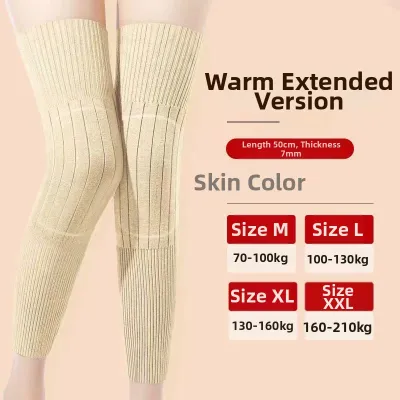
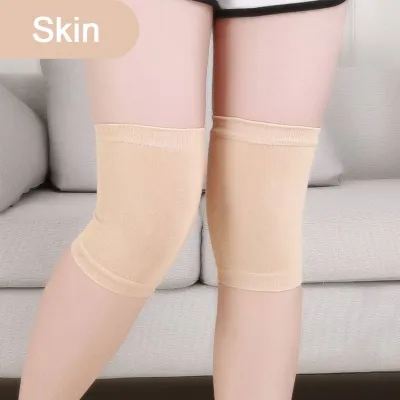
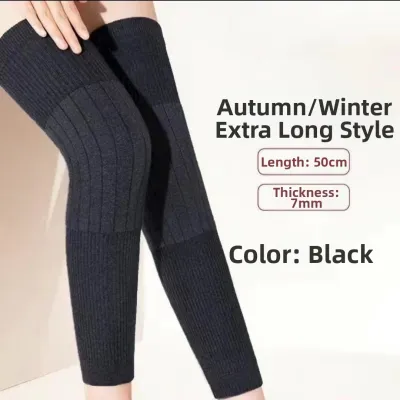
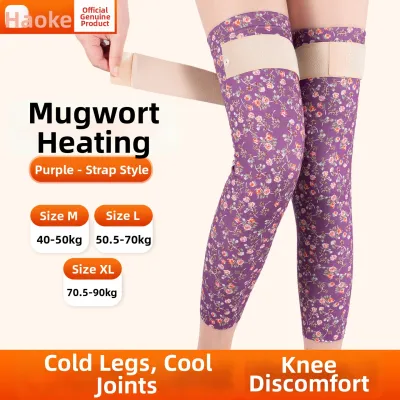
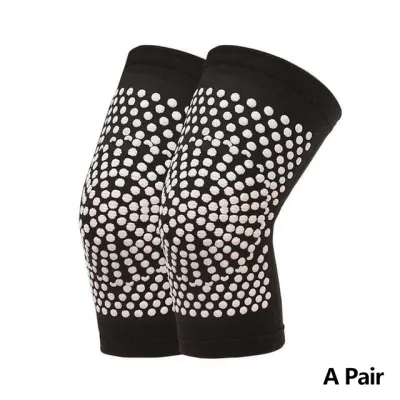
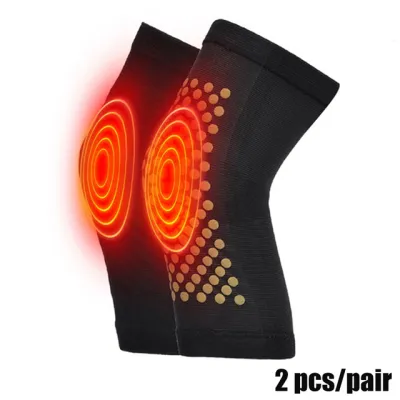
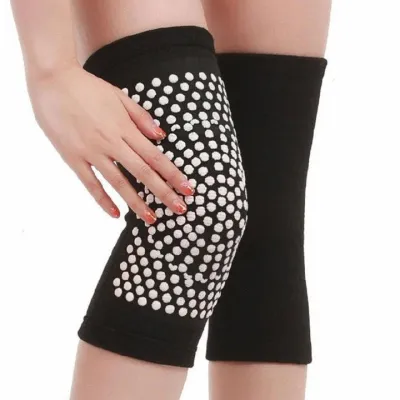
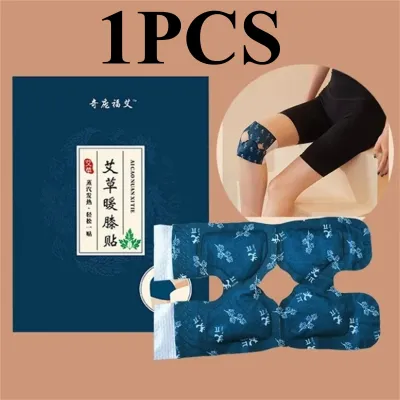
Prices are valid at publication and may change. Please refer to the product page for the latest price.
In tropical or highly humid environments, moisture-wicking and breathability are critical factors. When training in non-air-conditioned indoor facilities or outdoor spaces, sweat must evaporate quickly to prevent skin irritation. Trapped moisture under a thick, non-breathable sleeve can lead to severe chafing, skin maceration, and fungal infections. Furthermore, a sweat-saturated sleeve loses its grip, causing it to slide down constantly and disrupt your training focus.
To ensure a proper fit that provides therapeutic compression without restricting blood flow, you must measure your leg accurately before purchasing. Use a flexible measuring tape while standing up straight with your leg relaxed. Measure the circumference of your thigh approximately 15 centimeters above the center of your kneecap, and your calf approximately 15 centimeters below the kneecap. Compare these measurements directly to the manufacturer’s specific sizing chart, as sizes vary significantly between brands. If your measurements fall between two sizes, opt for the larger size to prevent restricted circulation, unless you are seeking maximum compression for short lifting sets.
Basketball Picks: Prioritizing Stability and Impact Protection
For basketball, the recommended style is a thermal knee brace or a thick compression sleeve integrated with a patella gel ring and flexible side spring stabilizers. Basketball involves explosive vertical jumping, sudden lateral deceleration, and high-impact landings on hard court surfaces. The thermal properties of these sleeves keep the tendons and ligaments warm during bench rests, reducing the risk of sudden strains when subbing back into the game. The integrated patella gel pad surrounds the kneecap to absorb direct impact shock, while the side stabilizers provide lateral support and proprioceptive feedback to help prevent hyperextension during rapid cuts.

These highly supportive designs have specific limitations that you should consider before purchasing. The added weight of gel pads and metal or plastic spring stabilizers makes these sleeves bulkier than standard warmers. This extra bulk can feel restrictive during long cardio sessions or distance running. Additionally, the multi-layered construction and heavy protective materials can trap significant heat, which may lead to extreme discomfort and excessive sweating when playing on hot outdoor courts.
When evaluating product labels for basketball use, look for specific construction features designed to withstand aggressive play. Prioritize sleeves with reinforced, double-stitched seams at high-stress areas to prevent tearing during physical contact. Ensure the inner upper hem features medical-grade, non-slip silicone wave strips, which are essential for keeping the sleeve locked in place during intense sprints and jumps. Lastly, confirm the presence of dedicated, breathable mesh panels directly behind the knee crease to facilitate sweat evaporation and prevent fabric bunching.
Running Picks: Focusing on Lightweight Compression and Breathability
For running, the ideal choice is a thin, seamless thermal compression knee sleeve constructed from advanced synthetic fabric blends, such as nylon, polyester, and elastane. Runners require an uninterrupted, natural gait cycle and minimal added weight over long distances. A lightweight thermal knee warmer maintains a stable joint temperature, which is especially helpful when running in the cooler early morning hours or in breezy coastal areas. The mild, graduated compression promotes local blood circulation, helping to manage minor swelling and reduce muscle vibration without altering your running mechanics.
These lightweight sleeves offer virtually no mechanical joint stabilization or physical impact protection. They are designed strictly for thermal regulation and light proprioceptive feedback, making them unsuitable for runners dealing with structural ligament tears, meniscus damage, or severe joint instability. If you require physical joint alignment, a thin compression sleeve will not provide sufficient lateral support.
When purchasing a running sleeve, verify the material composition on the product label for high-performance moisture-wicking technologies. Look for hydrophobic fibers that actively pull sweat away from the skin to the outer layer of the fabric for rapid evaporation. Ensure the label specifies “seamless construction” or “flatlock seams” to prevent friction burns and chafing over long distances. Finally, verify that the compression is graduated, meaning it is slightly tighter at the lower end and gradually eases upward to support healthy venous return from the lower leg.
Gym and Lifting Picks: Balancing Flexibility and Targeted Warmth
For weightlifting, powerlifting, and general gym routines, the recommended style is a thick thermal knee sleeve, typically 5mm to 7mm neoprene, or an adjustable wrap-around thermal warmer. Heavy compound lifts like squats, leg presses, and lunges place immense pressure on the knee joint. Thicker thermal sleeves retain maximum body heat, keeping the synovial fluid warm and lubricating the joint throughout deep flexion. This thickness also provides a physical “rebound” or “pop” at the bottom of a heavy squat, assisting in the upward phase. Wrap-around options offer the flexibility to adjust the compression level between high-intensity sets and rest periods.
Thick 7mm sleeves significantly restrict deep knee flexion if they are sized too tightly, which can hinder movements requiring extreme agility or rapid direction changes. Wrap-around styles, while highly adjustable, rely on Velcro straps that can loosen, shift, or scratch the skin during dynamic, high-repetition workouts or when transitioning to cardio equipment. The dense neoprene material also lacks breathability, meaning it will accumulate sweat rapidly during a workout.
When selecting gym sleeves, look for heavy-duty, abrasion-resistant outer fabrics that can withstand friction from knurled barbells during deadlifts or cleans. For wrap-around models, check for industrial-grade Velcro and reinforced strap anchors to ensure longevity. Ensure the inner lining is designed with anti-microbial properties to prevent odor buildup, as thick neoprene is highly prone to trapping sweat and bacteria. If you plan to transition frequently to high-rep cardio machines, a 5mm sleeve or a breathable thermal knit may be more versatile than a rigid 7mm powerlifting sleeve.
Quick Comparison: Knee Warmer Features by Sport
| Sport/Activity | Recommended Style | Key Features Needed | Primary Limitation |
|---|---|---|---|
| Basketball | Thermal brace with gel pads & side stabilizers | Lateral support, patella shock absorption, non-slip silicone grips | Bulky design, can overheat during prolonged cardio |
| Running | Thin, seamless thermal compression sleeves | Lightweight, moisture-wicking, graduated compression | Minimal mechanical support for structural joint instability |
| Gym & Weightlifting | 5mm to 7mm neoprene or adjustable wrap-arounds | Deep heat retention, physical rebound, high durability | Restricts deep flexion if too tight; straps may shift |
Safe Usage, Fitting Checks, and Care Guidelines
After putting on your thermal knee warmer, wear it for 10 to 15 minutes during a light warm-up to verify the fit. Check for signs of restricted circulation. The sleeve must feel snug and supportive, but it should never cause numbness, tingling, coldness in the toes, or skin discoloration below the knee. If any of these signs occur, remove the sleeve immediately and select a larger size. A properly fitted sleeve should stay in place during movement without pinching the skin or cutting off circulation.
It is critical to recognize that while a thermal knee warmer provides comfort, warmth, and mild compression, it is not a medical device. It cannot replace professional medical braces, custom orthotics, or physical therapy for acute injuries like ligament tears, meniscus damage, or post-surgical rehabilitation. If you experience sharp pain, sudden swelling, or joint instability, immediately stop using the warmer and consult a licensed healthcare professional. Equipment cannot replace proper training, conditioning, and medical judgment.
To preserve the elasticity, thermal fibers, and structural integrity of your knee warmers, always check the manufacturer’s specific care label first. As a general rule for high-performance athletic wear, hand wash the sleeves in cool water using a mild detergent. Avoid fabric softeners, bleach, or harsh chemicals, which can break down synthetic fibers and neoprene. Squeeze out excess water gently without wringing, and air dry the sleeves flat in a shaded, well-ventilated area away from direct sunlight. Never put neoprene or rubber-based stabilizers in a tumble dryer, as extreme heat will warp the materials and void any existing warranties.
Frequently Asked Questions (FAQ)
Can I wear a thermal knee warmer all day?
Wearing a thermal compression sleeve or knee warmer for extended periods is generally not recommended. Prolonged compression can restrict local blood circulation, lead to muscle dependency where the surrounding tissues rely on the sleeve for stability, and trap sweat against the skin. This trapped moisture is particularly problematic in humid climates, potentially causing skin maceration, rashes, or bacterial infections. Limit wear to active training sessions, warm-ups, or designated recovery windows of one to two hours post-exercise. Always remove the sleeve before sleeping to allow the skin to breathe and circulation to return to normal.
Do thermal knee warmers actually prevent injuries?
Thermal knee warmers can reduce the risk of minor strains and stiffness by keeping the joint warm, improving tissue elasticity, and enhancing proprioception. However, they cannot prevent structural injuries caused by poor lifting form, overtraining, muscle imbalances, or high-impact trauma. A knee warmer is a supportive tool, not an absolute shield against injury. Maintaining proper exercise technique, executing a thorough warm-up, and building balanced muscular strength remain your primary defenses against sports-related injuries.
Community discussion
Share your experience or ask a question. Comments are reviewed before publication.