
Finding the ideal toddler trike bike for your little explorer in the Philippines is an exciting milestone. Between the ages of 1 and 3, toddlers undergo rapid physical and cognitive development, transitioning from supported sitting to independent pedaling and steering. A well-designed toddler trike bike serves as an effective tool to foster this growth, helping your child develop gross motor skills, bilateral coordination, and spatial awareness. However, with the diverse range of options available in the local market, selecting the right model requires balancing safety, ergonomics, and durability against the unique demands of tropical weather and local outdoor terrain.
While riding a trike is highly beneficial, it is important to remember that equipment cannot replace active adult supervision and proper safety habits. Before letting your child ride, always assess their physical ability, inspect the riding environment for hazards like stairs, swimming pools, or traffic, and ensure they are wearing appropriate protective gear. By choosing a trike that matches your child’s developmental stage and verifying its safety features, you can provide a safe and rewarding introduction to the world of cycling.
Key Features to Look for in a Beginner Toddler Trike Bike
To choose a trike that truly supports your child’s development, you must first understand how their physical capabilities evolve between 12 and 36 months. During this window, a toddler’s leg length, core strength, and hand-eye coordination change dramatically. A trike that is too large will discourage a beginner who cannot reach the pedals, while a model that is too small can cause knee strain and poor posture. Therefore, evaluating ergonomic dimensions is the first and most critical step for parents.
Products mentioned in this guide
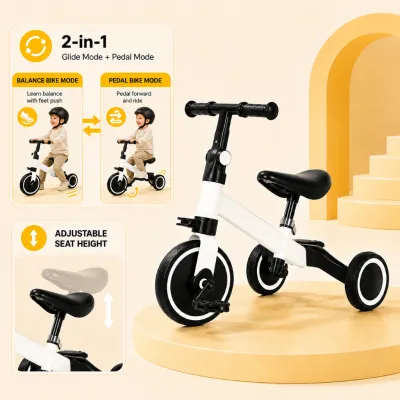
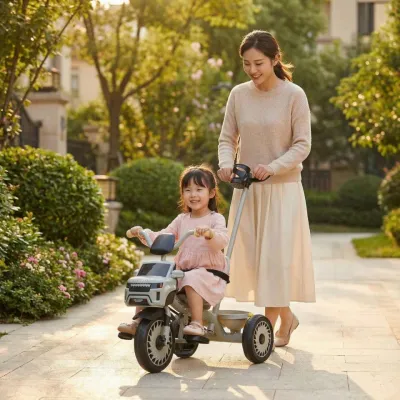
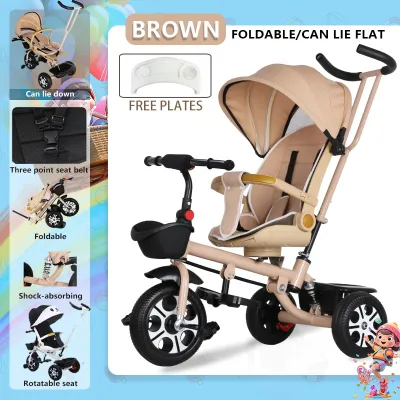
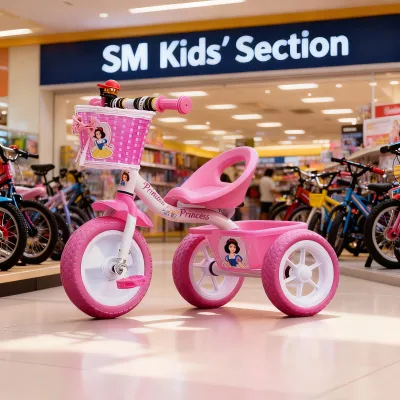
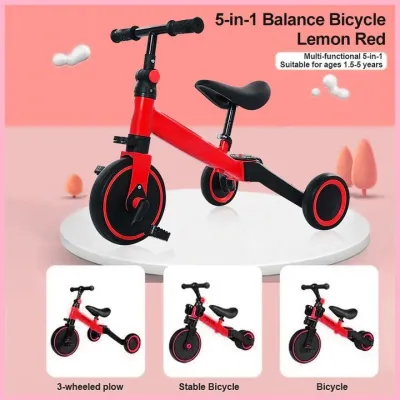
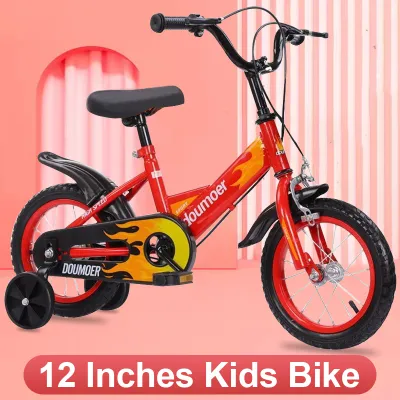
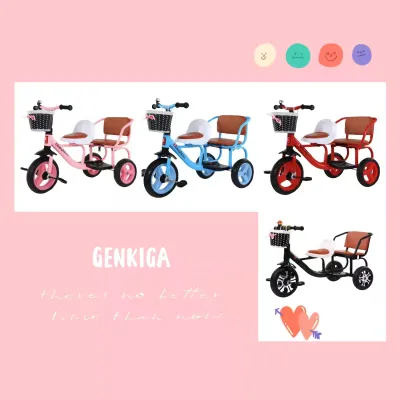
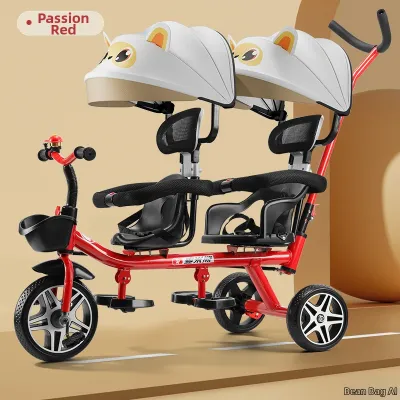
Prices are valid at publication and may change. Please refer to the product page for the latest price.
When assessing ergonomics, pay close attention to the seat height and the distance from the seat to the handlebars. For a beginner, the seat should allow their feet to rest flat on the ground or on designated footrests when they are not pedaling. This contact provides a sense of security and allows them to push off or stop safely. Additionally, verify the manufacturer’s specified weight capacity to ensure the frame can support your child’s current weight with room for growth.
Stability is another non-negotiable factor for beginner riders who are still mastering balance. Look for a toddler trike bike with a low center of gravity and a wide rear wheelbase. A low-slung frame keeps the child’s weight closer to the ground, significantly reducing the risk of tipping over when they make sudden, enthusiastic turns. A wide distance between the two rear wheels provides a stable footprint, which is especially important on uneven surfaces like subdivision pavements, grassy backyard patches, or local park pathways.
Because toddlers grow incredibly fast, look for adjustable features that extend the usable lifespan of the vehicle. Many high-quality trikes offer adjustable seat positions that slide forward or backward, as well as height-adjustable handlebars. These modifications ensure that as your child’s legs grow longer, you can adjust the seating position to maintain an optimal, comfortable reach to the pedals and handlebars, saving you from having to purchase a replacement within a few months.
Top Types of Toddler Trikes for Every Developmental Stage
Toddler trikes are not one-size-fits-all products; they are designed to cater to specific developmental milestones. Understanding the different categories helps you select a model that matches your child’s current balance, coordination, and readiness. Whether your child is a one-year-old who still relies on you for movement or a three-year-old ready to pedal independently, there is a specific design tailored to their needs.

Push and Steer Trikes for Early Explorers (Ages 1 to 2)
For toddlers between 12 and 24 months, a push and steer trike serves as an ideal transitional tool. At this stage, most children do not yet possess the leg strength or coordination to pedal independently, but they are eager to explore their surroundings from a new vantage point. These trikes feature an extended parent push handle connected directly to the front wheel’s steering mechanism, allowing you to guide the direction and speed while your child enjoys the ride.
When selecting a push and steer model for use in the Philippines, a removable sun canopy is an essential feature. The intense tropical sun and sudden rain showers require reliable overhead protection to keep your child comfortable during outdoor strolls. Look for canopies made from UV-resistant fabrics that offer adjustable angles to block the sun at different times of the day.
Safety footrests are equally important for early explorers. Because young toddlers cannot reach the pedals, they need a secure, non-slip platform to rest their feet. This prevents their legs from dangling or getting caught underneath the moving front wheel. Ensure these footrests are foldable or easily removable so they can be tucked away once your child is ready to transition to pedaling.
Finally, test the parent push handle for smoothness and responsiveness. The steering linkage should allow you to navigate turns effortlessly with one hand. Check how easy it is to detach the handle; as your toddler develops the confidence to steer on their own, you will want to remove the parent control bar without needing complex tools.
Convertible Grow-With-Me Trikes (Ages 1.5 to 3)
If you are looking for long-term value and a single investment that adapts to your child’s growth, a convertible grow-with-me trike is an excellent choice. These multi-stage systems typically offer 3-in-1 or 4-in-1 configurations, transforming from a fully supported parent-pushed stroller replacement into an independent classic trike. This versatility makes them highly popular among practical parents who want a vehicle that evolves alongside their child’s motor skills.
In the initial stage, usually starting around 12 to 15 months, the trike functions as a stroller with a high backrest, safety surround bar, protective canopy, and parent push handle. As your child reaches 18 to 24 months, you can transition to the “learn-to-ride” mode by removing the safety bar and canopy, allowing the child to practice steering while you still control the speed. By age 2.5 to 3, the push handle and footrests are completely removed, leaving a classic, lightweight pedal trike for independent riding.
While these systems offer incredible utility, they feature more moving parts than standard trikes, making structural inspection vital. Before purchasing, examine the sturdiness of the conversion mechanisms. Check the reliability of the locking pins, hinges, and quick-release clamps that hold the various configurations together. A high-quality convertible trike should feel rigid and secure in all modes, without excessive wobbling or flexing at the joint connections.
Classic Low-Profile Pedal Trikes (Ages 2 to 3)
For older toddlers who have developed the bilateral coordination to pedal and steer simultaneously, a classic low-profile pedal trike offers the ultimate sense of freedom. These traditional three-wheelers are designed without parent handles or bulky safety enclosures, encouraging children to mount, dismount, and ride entirely on their own. This independence builds confidence and prepares them for the eventual transition to balance bikes or two-wheeled bicycles.
A key structural feature of a great classic trike is a low step-through frame. This design allows small children to easily swing their leg over the seat without losing their balance. It also keeps their center of gravity close to the ground, which minimizes the risk of the trike tipping sideways if they lose traction or turn too sharply.
Comfort and control are enhanced by easy-grip, non-slip handlebars designed for small hands. Look for handlebars with flared ends that prevent the child’s hands from sliding off during bumpy rides. Additionally, pay attention to the wheels; quiet-ride wheels made from durable elastomeric materials or high-density foam perform exceptionally well on both indoor tiled floors and outdoor concrete driveways, providing excellent traction without scratching your floors.
Before letting your child ride, physically check the pedal resistance. The drivetrain should turn smoothly without catching or requiring excessive force. If the pedals are too stiff or difficult to turn, your toddler will quickly become frustrated and fatigued, which can discourage them from riding altogether. A smooth, low-friction pedal mechanism is crucial for building positive riding habits.
Essential Safety and Comfort Checks Before You Buy
Prioritizing safety is paramount when selecting any outdoor sports equipment for young children. Before finalizing your purchase, whether you are shopping at a physical retail store in Manila or browsing online specifications, use this comprehensive checklist to verify that the trike meets high safety and comfort standards.
First, inspect the harness system, which is critical for younger riders in push and convertible modes. For toddlers under two years old, a secure 3-point or 5-point safety harness is highly recommended. The straps should be adjustable, padded for comfort, and feature a child-proof buckle that prevents your little one from unbuckling themselves mid-ride. This harness keeps the child securely positioned in the seat, preventing them from sliding forward or leaning dangerously over the sides.
Second, evaluate the wheel material, as this directly impacts shock absorption, traction, and durability. Hard plastic wheels are common on budget-friendly models, but they offer poor traction on smooth indoor tiles and can be noisy and bumpy on outdoor asphalt. In contrast, wheels made from Ethylene-Vinyl Acetate (EVA) foam or air-filled rubber tires provide superior shock absorption, cushioning your child from bumps and vibrations while offering excellent grip on both wet and dry surfaces.
Third, check for the presence of a steering limiter. A steering limiter is a built-in safety mechanism that restricts how far the front wheel can turn to the left or right. Without a limiter, an excited toddler can easily over-steer, turning the wheel perpendicular to the frame. This sudden movement almost always causes the trike to tip over sideways, potentially leading to scrapes or falls. A safe steering angle is typically restricted to around 45 degrees in either direction.
Fourth, carefully inspect the trike for potential pinch points. Run your hands along the folding joints, adjustable seat brackets, steering columns, and wheel connections. Ensure there are no exposed gaps where small fingers can get pinched or trapped when the trike is in motion or during assembly. If the trike uses a chain drive rather than direct pedal-to-wheel power, ensure the chain is fully enclosed in a protective guard.
Finally, always cross-reference the product specifications with your child’s physical measurements. Never rely solely on age recommendations, as toddlers grow at vastly different rates. Check the maximum weight limit and the minimum inseam height required to reach the pedals. If your child’s measurements are close to the upper limit of a specific model, it is wiser to choose a larger or more adjustable option to ensure safe, comfortable operation.
Where to Buy Safely and Verify Authenticity in the Philippines
Finding a genuine, high-quality toddler trike bike in the Philippines requires shopping through reputable channels to avoid counterfeit or substandard products. Substandard toys often use brittle, non-food-grade plastics, weak metal frames, or toxic paint, posing significant health and safety hazards to your child.
To ensure you are purchasing an authentic product with a valid manufacturer’s warranty, prioritize shopping at official brand stores on major e-commerce platforms. Many reputable global and local toy brands maintain verified flagship stores online, which guarantee authentic merchandise and reliable customer support. If you prefer to inspect the product in person before buying, visit authorized physical toy retailers or specialty baby gear shops located in major shopping malls across the country.
When evaluating a trike, look for international safety certification marks printed clearly on the packaging or product labels. Certifications such as ASTM (American Society for Testing and Materials) or EN71 (European Toy Safety Standard) indicate that the product has undergone rigorous testing for structural integrity, chemical safety, and mechanical hazards. In the local market, look for the Import Commodity Clearance (ICC) sticker or the Philippine Standard (PS) mark, which verifies compliance with national safety regulations.
Be cautious of unusually cheap, unbranded trikes sold on online marketplaces. While a low price tag can be tempting, these products often skip essential safety features, such as secure harnesses, steering limiters, or sturdy locking mechanisms. Investing in a certified, branded trike ensures that the frame will not bend or snap under pressure, the wheels will remain securely attached, and the materials used are completely safe for your toddler to touch and interact with daily.
Frequently Asked Questions (FAQ)
When should a toddler transition to a pedal trike?
While some toddlers show an interest in trikes as early as 18 months, the physical coordination required to pedal and steer simultaneously typically develops between 2 and 3 years of age. Before this stage, most children do not have the bilateral coordination or leg strength to push the pedals through a full rotation. You can look for signs of readiness, such as your child successfully pushing themselves forward on foot-to-floor ride-on toys, showing interest in steering, or demonstrating the leg strength to climb stairs independently. If they struggle with pedaling, starting them on a push-assist trike allows them to focus on steering first.
Does a toddler need a helmet when riding a trike?
Yes, toddlers should always wear a properly fitted helmet whenever they are riding a trike, even at low speeds or within the safety of your home or private driveway. Although trikes are highly stable three-wheeled vehicles, unexpected falls can still occur if a wheel catches on an uneven sidewalk tile or if the child turns too sharply. Wearing a helmet from an early age protects their developing brain from impact injuries and establishes crucial, lifelong safety habits. Ensure the helmet is lightweight, specifically designed for toddlers, and meets safety standards such as CPSC or EN1078.
Community discussion
Share your experience or ask a question. Comments are reviewed before publication.