
Selecting the right twirling baton for a beginner cheerleader in Philippine school competitions requires prioritizing physical compatibility, material durability, and grip reliability over brand names. The ideal beginner baton features a chrome-plated steel or lightweight aluminum shaft precisely measured to the athlete’s arm length, paired with high-grip rubber ends to prevent slippage in humid conditions. Choosing a baton that matches the student’s physical proportions ensures proper control, reduces practice-induced fatigue, and minimizes the risk of injury during complex routines.
In the Philippines, school cheerleading and majorette performances are highly competitive, often taking place on concrete outdoor courts, high-humidity covered quadrangles, or polished indoor gymnasiums. These varied venues demand equipment that can withstand frequent drops on hard surfaces while remaining easy to handle when hands become sweaty. By focusing on fundamental design features, correct sizing, and climate-appropriate maintenance, student athletes can build a solid technical foundation and perform their routines with confidence.
Quick Guide: What Makes a Good Beginner Baton?
When entering the world of school cheer competitions, beginners often make the mistake of choosing a twirling baton based on aesthetic appeal or general age recommendations. However, the physical balance and exact sizing of the baton are far more critical to an athlete’s progress than decorative elements. A well-balanced baton acts as an extension of the arm, allowing the twirler to execute basic spins, hand exchanges, and tosses with predictable momentum.
Products mentioned in this guide
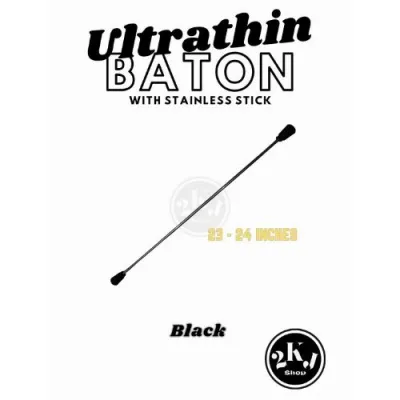

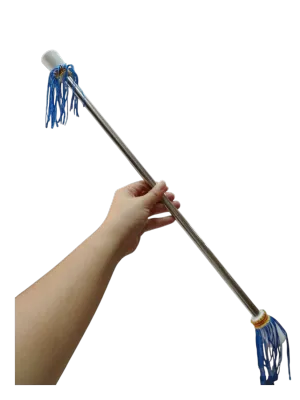
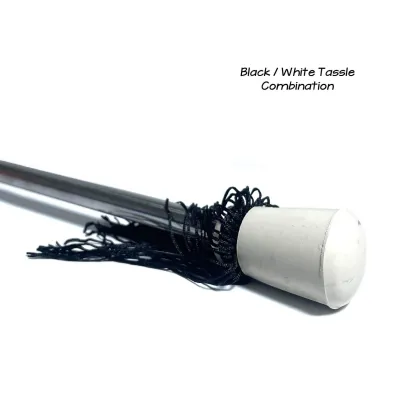
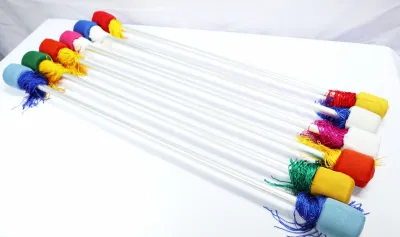
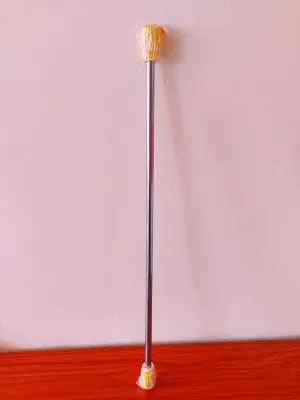
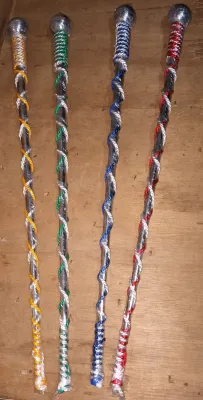
Prices are valid at publication and may change. Please refer to the product page for the latest price.
For beginners, durability is a primary concern because the learning process inevitably involves hundreds of drops. A sturdy metal shaft—typically made of steel or aluminum—is essential to prevent the baton from bending or warping when it impacts hard school ground surfaces. Additionally, high-grip rubber ends (the ball and tip) are necessary to provide a secure hold, especially during intense practices in hot, tropical climates where sweaty hands can easily cause slippage.
Using the correct equipment from the start directly impacts an athlete’s safety and confidence. An improperly balanced or poorly sized baton can lead to persistent wrist strain, shoulder fatigue, and frustration as the student struggles to control the rotation. Conversely, a high-quality, beginner-friendly baton helps students master fundamental skills quickly, allowing them to focus on synchronization, footwork, and showmanship during competitive school meets.
How to Measure the Correct Baton Length for Your Height
Determining the correct baton length is the most critical step in purchasing equipment, as an incorrect size can severely hinder a beginner’s development. The standard and most reliable method used by coaches and majorette instructors worldwide is the armpit-to-fingertip measurement. This physical assessment ensures the baton is perfectly proportioned to the athlete’s reach, providing the necessary leverage for spins and tosses.

To measure accurately using the armpit-to-fingertip method, the student must stand straight with their shoulders relaxed and feet together. Extend the dominant arm straight out to the side, parallel to the floor, with the palm facing upward and fingers fully extended. Use a flexible measuring tape to measure from the deep crease of the armpit along the inside of the arm to the very tip of the longest finger (usually the middle finger).
An alternative approach is the shoulder-to-wrist measurement, which some local coaches prefer for younger twirlers to ensure a slightly shorter, more manageable baton. For this method, measure from the outer edge of the shoulder bone down to the wrist bone while the arm is relaxed at the side. Whichever method is recommended by your school’s coaching staff, always take the measurement twice to ensure accuracy before making a purchase.
If the measurement falls between inches, it is generally recommended to round up to the nearest whole inch for growing students, or consult the manufacturer’s specific sizing guidelines. Guessing the size based on general age or height charts is highly discouraged, as physical proportions vary significantly among individual athletes. A baton purchased purely on height estimates often results in a poor fit that can disrupt training.
Using a baton that is too long poses immediate physical challenges and safety risks. The excess length can cause the ends to strike the athlete’s body, face, or arms during close-contact spins, leading to painful bruises and disrupted routines. It also places unnecessary leverage on the wrist joint, increasing the risk of tendonitis. On the other hand, a baton that is too short limits the visual impact of the performance, makes standard tosses difficult to catch, and prevents the athlete from executing proper hand-to-hand transfers.
Essential Features for School Competition Batons
To perform effectively in a competitive school environment, a twirling baton must meet specific material and design standards. These features ensure the equipment can survive daily practice sessions and perform reliably under the pressure of a live competition. Understanding these components helps parents and students make informed purchasing decisions.
Shaft Material
The choice of shaft material directly affects the baton’s weight, durability, and rotation speed. Standard steel shafts are highly durable and offer a traditional, heavy momentum that helps the baton spin smoothly along a predictable path. This weight is beneficial for building forearm strength and maintaining control during outdoor performances where wind might affect a lighter instrument. Aluminum shafts, by contrast, are significantly lighter and easier for younger beginners or elementary-level cheerleaders to control, though they are more prone to bending if repeatedly dropped on concrete.
Ends (Ball and Tip)
The rubber ends of the baton, known as the ball (the larger end) and the tip (the smaller end), serve multiple functions. They protect the athlete from the sharp edges of the metal shaft, cushion the impact when the baton is caught, and prevent damage to gym floors. Beginners should look for ends made of high-quality, dense rubber or silicone that offer a textured, high-grip surface. Fluted or star-shaped ends are particularly useful because their faceted design prevents the baton from rolling away across the floor when dropped during practice.
Balance and Weight Distribution
A high-quality twirling baton is engineered with a precise center of gravity. The balance point should be exactly in the center of the shaft, allowing the baton to rotate evenly without wobbling or tilting to one side. Proper balance is essential for learning basic tosses, horizontal rolls, and hand-to-hand transfers. If a baton is poorly balanced, the athlete will constantly have to compensate for the uneven weight, leading to inconsistent spins and a higher rate of drops.
Safety Edges
Safety is a paramount consideration in any sport involving rapid rotation and high tosses. Before purchasing, verify that the metal shaft has smooth, burr-free ends where it meets the rubber caps. Sharp metal edges or exposed metal collars can cause painful skin abrasions or cuts during rapid hand exchanges. High-quality manufacturers ensure these joints are flush and securely sealed, protecting the athlete’s hands from friction injuries during intense training sessions.
Recommended Baton Types for Entry-Level Cheerleaders
Beginner cheerleaders in the Philippines generally choose between two primary categories of twirling batons. Each type offers distinct advantages depending on the athlete’s age, physical strength, and the specific requirements of their school’s competition guidelines.
Standard Steel Competition Batons
Standard steel batons are the traditional choice for official school meets, regional competitions, and high school or college pep squads. These batons are typically constructed from chrome-plated steel, providing a sleek, reflective appearance that looks excellent under stadium lights or in bright outdoor quadrangles. The inherent weight of steel gives the baton excellent rotational inertia, meaning that once a spin is initiated, the baton tends to maintain its momentum with less effort from the twirler.
This material is exceptionally durable, making it highly resistant to bending, denting, or breaking when dropped on hard school gym floors or outdoor concrete courts. For older beginners (typically ages 12 and up), the standard steel baton is highly recommended because it prepares them for the exact weight and feel used in advanced competitive divisions. However, the primary limitation of steel is its weight, which can cause rapid wrist fatigue for very young children or athletes who have not yet developed sufficient upper-body and forearm strength.
Lightweight Aluminum Practice Batons
Lightweight aluminum batons serve as an excellent alternative for younger students, early elementary cheerleaders, or those focusing on high-repetition skill-building sessions. Because aluminum is a lower-density metal, these batons significantly reduce arm and wrist fatigue during long, multi-hour practice sessions. This lightweight characteristic allows beginners to focus on learning complex finger rolls, vertical spins, and hand transitions without straining their muscles.
These batons are ideal for building initial muscle memory and confidence without the physical intimidation of a heavier steel model. However, users must be aware of their limitations. Aluminum batons can feel overly light to older athletes, making it difficult to feel the center of balance during high tosses. Additionally, because they lack the mass of steel, aluminum batons are easily deflected by wind during outdoor school field competitions or intramural events held on open-air courts, which may require an adjustment period if the athlete eventually switches to a steel baton for official meets.
Buying and Sizing Options in the Philippines
Sourcing a high-quality twirling baton in the Philippines requires careful navigation of local retail options and online marketplaces. While general sporting goods stores in major metropolitan areas like Metro Manila, Cebu, and Davao occasionally stock basic recreational batons, specialized dance, gymnastics, and cheerleading supply shops are the most reliable sources for competition-grade equipment. Visiting a physical specialty store allows the student to hold the baton, feel its weight, and verify its balance point in person before buying.
When local retail stock is limited, ordering from reputable online marketplaces or specialized brand websites is a practical alternative. When shopping online, it is critical to verify whether the seller offers custom-cut lengths to the exact inch, or if they only supply pre-cut, standard commercial sizes. Many professional baton manufacturers allow buyers to specify the exact length needed, ensuring a perfect fit for the athlete’s measurements.
Before finalizing an online purchase, carefully read the seller’s return and exchange policies, particularly regarding sizing errors. Because custom-cut batons are tailored to individual measurements, many suppliers do not accept returns or exchanges for these items unless there is a clear manufacturing defect. If you are uncertain about the correct size, it is always safer to consult with the school’s cheerleading coach or a senior team captain before placing the order.
In terms of pricing, basic aluminum practice batons in the local market generally range from ₱500 to ₱1,200, depending on the brand and source. Mid-range, chrome-plated steel batons suitable for school competitions typically cost between ₱1,500 and ₱3,500. High-end, professional-grade competitive batons, which may feature specialized balance weights or custom shafts, can exceed ₱4,500. Budgeting for a reliable mid-range steel baton is usually the most cost-effective path for a beginner committed to competing.
Maintaining Your Baton in a Tropical Climate
The tropical climate of the Philippines, characterized by high humidity, intense heat, and frequent rain, presents unique challenges for sports equipment maintenance. Without proper care, steel shafts can quickly develop rust, and rubber ends can degrade, become sticky, or lose their grip. Implementing a simple, consistent maintenance routine after every practice session will significantly extend the lifespan of the baton and ensure athlete safety.
- Wipe Down the Shaft: After every practice session, use a clean, dry microfiber cloth to thoroughly wipe down the metal shaft. This removes sweat, skin oils, and atmospheric moisture, which are the primary causes of rust and corrosion on steel batons.
- Store in a Ventilated Case: Avoid leaving a damp baton sealed inside a plastic or synthetic gym bag, as this traps moisture and accelerates metal oxidation. Instead, store the baton in a dry, well-ventilated fabric case or on an open storage rack at room temperature.
- Inspect the Rubber Ends: Perform a quick visual and physical check of the ball and tip before every practice. Ensure they are clean, free of tears, and securely attached to the shaft. If the rubber ends become slick from dirt or sweat, wash them with mild soap and warm water, then dry them completely before use.
- Check for Loose Components: If the rubber ends feel loose or spin independently of the shaft, check the manufacturer's care instructions or consult your coach. Never practice with loose end caps, as they can fly off during high tosses, creating a safety hazard for the twirler and nearby teammates.
Frequently Asked Questions (FAQ)
How heavy should a beginner twirling baton be?
The weight of a beginner twirling baton is directly determined by its length and shaft material. Generally, a beginner should prioritize a weight that allows them to complete a full three-to-five-minute routine without experiencing severe wrist fatigue or muscle strain. Younger elementary-aged beginners should start with lightweight aluminum batons, which typically weigh between 150 to 250 grams. Older high school or college beginners should opt for standard steel batons, which generally weigh between 250 to 350 grams, as the heavier weight provides the necessary momentum and stability for advanced competition maneuvers.
Can I use a standard majorette baton for cheerleading?
Yes, traditional majorette batons are the standard equipment used in cheerleading twirling routines, as the physical design, balance, and materials are identical. However, before purchasing or using a baton for an official event, you must verify that the equipment complies with the specific safety guidelines and technical rules of your school’s athletic association or district competition rulebook. Some competitions have strict regulations regarding maximum baton length, shaft diameter, and the material of the end caps to ensure safety on the performance floor.
Community discussion
Share your experience or ask a question. Comments are reviewed before publication.