
Selecting the right hand grips for gym workouts in the Philippines requires balancing your specific training style with the challenges of a tropical climate. High humidity and intense heat mean sweaty palms are a constant obstacle in local fitness centers, making the choice of grip material and design a critical factor for both safety and performance. Whether you are training in a fully air-conditioned commercial gym or a high-ventilation neighborhood “bakal” gym, the right grip will protect your skin, stabilize your joints, and ensure your hands do not slip when lifting heavy weights.
This guide breaks down the primary categories of hand grips available in the market, mapping them to specific exercises so you can make an informed purchasing decision. By understanding the structural differences and material properties of each option, you can choose gear that enhances your workouts while maintaining optimal hand hygiene and safety.
Quick Guide: Matching Hand Grips to Your Gym Exercises
Finding the right hand grips for gym workouts depends entirely on the movements that dominate your training routine. Different exercises place unique demands on your hands, meaning a grip that excels during high-rep bodyweight pull-ups may perform poorly or even prove dangerous during heavy barbell deadlifts. Matching the tool to the task is essential for maximizing performance and preventing injury.
Products mentioned in this guide
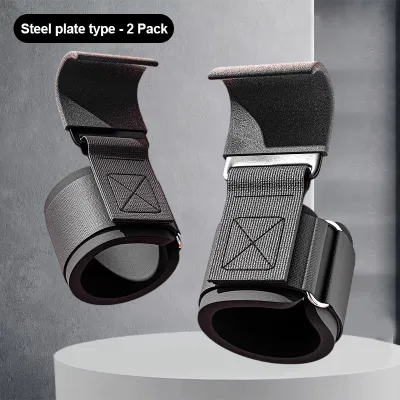
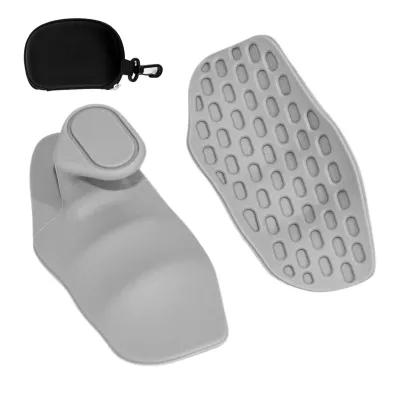
Prices are valid at publication and may change. Please refer to the product page for the latest price.
To help you identify your starting point, consider this general mapping of grip styles to workout activities:
- Palm Protectors (Gymnastic Grips): Best for high-rep pull-ups, toes-to-bar, muscle-ups, and kettlebell swings. They provide a thin, flexible barrier that prevents friction tears while allowing the hand to wrap naturally around the bar.
- Lifting Straps and Hook Grips: Best for heavy pulling movements such as deadlifts, barbell rows, shrugs, and Romanian deadlifts. These mechanical aids transfer the load from your fingers to your wrists, bypassing forearm fatigue.
- Wrist-Support Grips and Weightlifting Gloves: Best for heavy pressing exercises (bench presses, overhead presses), dumbbell lunges, and general strength circuits where palm cushioning and joint stabilization are required.
While hand grips are highly effective tools for protecting your skin and pushing past strength plateaus, they should never be used as a permanent replacement for raw grip strength. Relying on supportive gear for every single set can lead to underdevelopment in your forearms and hand muscles. For the best long-term results, use grips strategically during your heaviest or highest-volume sets, and perform your warm-ups and lighter sets with bare hands to maintain foundational grip strength.
Understanding the Main Types of Gym Hand Grips
To select the most effective gear, you must first understand the three primary categories of hand grips available. Each design serves a distinct purpose, offers specific functional benefits, and comes with unique trade-offs regarding tactile feedback, joint support, and mobility.

Palm Protectors and Gymnastic Grips
Palm protectors, often referred to as gymnastic grips, are minimalist accessories designed primarily to shield the skin from friction-induced calluses, blisters, and tears during high-repetition bar work. Typically constructed with two or three finger holes and a wrist strap, these grips feature a flap of leather or synthetic material that covers the palm. When you grab a pull-up bar, the material folds slightly over the bar, creating a protective barrier that slides smoothly against the metal or powder coating.
Because these grips focus on palm protection, they offer minimal to no wrist stabilization. They are highly optimized for dynamic movements like pull-ups, muscle-ups, and toes-to-bar, where your hands must rotate freely around the bar. A notable learning curve exists with palm protectors: users must learn how to adjust the tension of the wrist strap and position the palm flap correctly. If the material is allowed to bunch up excessively between your fingers, it can pinch the skin, leading to the very blisters you are trying to avoid.
Hook Grips and Lifting Straps
Lifting straps and mechanical hook grips are engineered specifically for heavy pulling movements where your target muscle groups (such as the back, hamstrings, and glutes) can handle far more weight than your hands can hold. Traditional lifting straps consist of durable fabric, nylon, or leather bands that wrap securely around your wrist and loop tightly around the barbell. Mechanical hook grips, on the other hand, feature a solid metal or hard plastic hook embedded within a thick neoprene wrist wrap, allowing you to simply hook onto the bar without manual wrapping.
By mechanically securing your hands to the bar, these tools bypass forearm fatigue entirely. This allows you to perform high-volume deadlifts or heavy rows without your grip failing before your target muscles are fully stimulated. However, this mechanical connection introduces a significant safety boundary. You must never use mechanical hooks or tightly wrapped lifting straps for exercises where you might need to release the bar instantly for safety, such as Olympic lifts (the snatch and the clean and jerk) or heavy overhead presses. If a lift fails, being physically locked to the barbell can lead to severe wrist, elbow, or shoulder injuries unless the specific product features a certified quick-release mechanism.
Wrist-Support Grips and Weightlifting Gloves
Wrist-support grips and traditional weightlifting gloves offer a comprehensive approach to hand protection and joint stabilization. These accessories typically feature half-finger or full-finger glove designs combined with thick palm padding and an integrated, adjustable elastic wrist wrap. The padding reduces the direct pressure of heavy dumbbells and barbells on your palms, while the wrist wrap compresses the joint to help maintain proper alignment under heavy loads.
These gloves are highly beneficial for heavy pressing movements, high-volume dumbbell training, or general fitness routines where hand sweat, calluses, and wrist fatigue are primary concerns. However, the added bulk of padded gloves comes with a distinct trade-off: they significantly reduce your tactile feel of the barbell. This loss of sensory feedback can make it more difficult to position your hands precisely on the knurling. Additionally, if the integrated wrist wraps are over-tightened, they can restrict natural wrist mobility, which can interfere with exercises that require a flexible wrist angle, such as front squats.
How to Choose the Right Grip for Specific Exercises
To get the most value out of your purchase, you should select your hand grips based on the specific exercises that dominate your training program. Matching the physical design of the grip to the movement mechanics of your exercises ensures maximum performance, comfort, and safety.
Pull-Ups, Muscle-Ups, and High-Rep Bar Work
For dynamic, high-volume bodyweight exercises, palm protectors (gymnastic grips) are the superior choice. These movements require your hands to rotate constantly around the bar. A thin, flexible palm protector allows your hand to maintain a close connection to the bar while protecting the skin from the intense friction generated during kipping pull-ups or muscle-ups.
Using thick weightlifting gloves or heavy lifting straps for these movements is highly counterproductive. Thick gloves tend to bunch up in the crease of your hand during rapid rotations, which increases friction and can cause severe skin tears. Furthermore, bulky materials trap sweat against your skin, which is particularly problematic in the tropical heat of the Philippines, softening the calluses and making your hands more susceptible to peeling. When shopping for gymnastic grips, always check the finger-hole spacing and the edge design to ensure the material sits flat across your palm without rubbing against the sides of your fingers.
Deadlifts, Rows, and Heavy Pulling
When your workout centers on heavy pulling exercises like deadlifts, barbell rows, shrugs, or lat pulldowns, lifting straps or mechanical hook grips are highly recommended. In these movements, the primary bottleneck is almost always your grip. Your back and posterior chain may be capable of pulling 150 kg, but if your hand strength gives out at 100 kg, your target muscles will not receive the stimulation required for growth and strength adaptations.
Using lifting straps allows you to bypass this bottleneck, enabling progressive overload on your major muscle groups. However, to prevent your natural hand strength from degrading, you should implement a structured training strategy. Perform all of your warm-up sets and lighter working sets without any grip aids. Only put on your lifting straps for your top-weight sets or your final high-volume sets when your forearms are completely fatigued. This approach ensures you continue to build raw grip strength while still reaping the benefits of mechanical assistance for your heaviest lifts.
Pressing Movements and General Dumbbell Work
For pushing exercises such as bench presses, overhead dumbbell presses, and push-ups on hard surfaces, wrist-support grips or padded half-gloves are highly effective. During heavy pressing, the wrist joint is subjected to significant axial loading, which can force the wrist into hyperextension. An integrated wrist wrap provides external compression that helps keep the wrist in a neutral, stacked alignment directly over the forearm, reducing shear stress on the joint.
While the added palm padding of weightlifting gloves offers comfort during heavy dumbbell presses, it is important to manage wrap tension carefully. Over-tightening your wrist wraps can restrict blood flow, leading to numbness or tingling in your fingers during your set. It can also weaken the natural stabilizing muscles of the wrist over time if used constantly. For pure barbell bench pressing, many experienced lifters prefer to use bare hands with a light application of chalk for maximum bar control, opting for standalone wrist wraps (without palm padding) rather than full weightlifting gloves to maintain a direct connection to the steel.
Key Features to Evaluate Before Buying
When shopping for hand grips in the Philippines, you will find a wide variety of options across different price points, ranging from budget-friendly local brands under ₱500 to premium imported fitness gear costing over ₱1,500. To ensure you choose a high-quality pair that fits well and lasts, evaluate the following physical attributes before making your purchase.
Material Choices
The material of the grip determines its durability, comfort, maintenance requirements, and how well it performs when exposed to heavy sweat.
- Genuine Leather: Highly durable and molds beautifully to the unique shape of your hand over time. However, leather requires a break-in period during which it may feel stiff, and it requires specialized care to prevent it from cracking when dried after sweaty workouts.
- Synthetic Leather (Microfiber): Offers a consistent texture right out of the box with no break-in period required. It is highly breathable, easier to clean than genuine leather, and dries quickly, making it an excellent choice for humid tropical climates, though it may wear out faster under extreme, heavy friction.
- Silicone and Rubber: Provides exceptional initial stickiness and grip on clean bars. However, rubber grips can catch abruptly during dynamic gymnastic movements, which can cause sudden joint jarring, and they are prone to tearing if exposed to sharp knurling under heavy loads.
Sizing and Measurement
Ill-fitting hand grips are the primary cause of hand pain, blisters, and premature gear failure. To find your correct size, do not guess based on your standard glove size. Instead, use a flexible measuring tape to measure your hand from the base of your palm (where the wrist crease meets the hand) to the crease at the base of your middle finger, following the specific sizing chart provided by the manufacturer.
If your measurement falls between two sizes, consider your training style. For gymnastic work where you want the grip to create a protective fold or “dowle effect” over the bar, choosing the larger size is often beneficial. For general weightlifting where you want a tight, flush fit against your palm, the smaller size is typically preferred.
Thickness and Bar Feel
The thickness of the grip material directly affects your connection to the bar. Thin materials (around 1.5 mm to 2.0 mm) offer excellent tactile feedback, allowing you to feel the knurling of the bar clearly, which is highly valued by competitive lifters and gymnasts. However, thin grips offer less cushioning and can wear out faster under heavy loads. Thick padded grips (3.0 mm to 4.0 mm or more) provide maximum comfort and pressure relief for beginners or those with sensitive skin, but they increase the effective diameter of the bar, making it slightly harder to wrap your fingers securely around the steel.
Closure Mechanisms
Most gym hand grips utilize either hook-and-loop (Velcro) straps or slip-on designs to secure the gear to your wrists.
- Velcro Straps: Offer highly adjustable tension, making them easy to tighten or loosen between sets. However, high-intensity sweat and chalk dust can accumulate in the Velcro fibers over time, reducing their sticking power. Look for heavy-duty, wide Velcro straps with reinforced stitching around the buckle.
- Slip-On Designs: Rely entirely on exact sizing and elastic tension. While they have no hardware that can break or catch on clothing, they can stretch out over time, especially when exposed to constant moisture and heavy stretching forces.
Maintenance, Hygiene, and Safety Boundaries
Proper care of your hand grips is essential for extending their lifespan, preventing unpleasant odors, and ensuring your safety during heavy training sessions. Because the tropical climate of the Philippines promotes rapid bacterial growth in damp environments, maintaining excellent gear hygiene is highly critical.
Cleaning and Drying
After every workout, never leave your damp hand grips crumpled inside a dark, unventilated gym bag. This creates an ideal breeding ground for mold, mildew, and odor-causing bacteria. Instead, establish a consistent post-workout routine:
- Wipe down synthetic leather, rubber, or silicone grips with a damp cloth and a mild, diluted soap solution to remove sweat and chalk residue.
- For genuine leather grips, avoid soaking them in water. Use a damp cloth to wipe the surface, and occasionally apply a small amount of leather conditioner to keep the material supple and prevent cracking.
- Always air-dry your grips in a well-ventilated indoor area away from direct sunlight and artificial heat sources. Exposing leather or synthetic materials to the intense midday sun can cause them to warp, shrink, and become brittle.
Regular Inspection
Before every workout session, perform a quick visual and physical inspection of your hand grips, especially if you plan to perform heavy lifts. Check for thinning spots in the palm material, fraying along the edges of the wrist straps, loose stitching around high-stress areas, and weakening Velcro. If you notice any structural degradation, replace the grips immediately. Attempting a heavy deadlift or a high-rep pull-up with a compromised grip can lead to sudden gear failure, resulting in dangerous falls or severe skin tears.
Safety and Form Boundaries
It is vital to remember that hand grips are designed to assist your training, not to mask underlying movement deficiencies or injuries. If you experience persistent wrist pain, joint instability, or sharp hand pain during your exercises, do not simply tighten your wraps or buy thicker padding to push through the discomfort. Supportive gear cannot fix poor lifting mechanics, improper joint stacking, or structural injuries. If pain persists despite using supportive grips, stop the exercise immediately and consult a physical therapist or a qualified fitness coach to address the root cause of the issue.
Frequently Asked Questions (FAQ)
Do I need hand grips if I already use lifting chalk?
Lifting chalk and hand grips serve complementary but distinct purposes in the gym. Chalk is a moisture absorber designed to dry out sweat and increase friction, preventing your hands from slipping off the bar. However, chalk does not provide a physical barrier to protect your skin from friction or pressure. Hand grips, on the other hand, physically shield your palms from calluses and tears while providing mechanical support to your wrists. Many athletes in humid climates choose to use both together, applying a light layer of chalk under their palm protectors to manage sweat while relying on the grips for skin protection.
Can I use gymnastic palm protectors for weightlifting?
While you can use gymnastic palm protectors for light weightlifting exercises, such as kettlebell swings, dumbbell lunges, or low-weight barbell movements, they are not ideal for heavy strength training. Gymnastic grips are designed to slide and rotate slightly around a pull-up bar, which is highly counterproductive when you need a rigid, locked-in grip on a heavy barbell. Furthermore, palm protectors lack the structural wrist support and heavy-duty padding required to stabilize your joints and cushion your palms during maximal-effort pressing or pulling movements.
How long should a good pair of gym hand grips last?
The lifespan of gym hand grips depends heavily on the material, the frequency of your workouts, and the intensity of the exercises you perform. On average, a pair of high-quality synthetic or leather grips used three to four times a week will last between six months to a year of consistent training. You should monitor your gear regularly for signs of wear, such as thinning palm material, stretched-out finger holes, or fraying straps. Replace your grips immediately when you observe any structural compromises that could affect your safety or comfort during a workout.
Community discussion
Share your experience or ask a question. Comments are reviewed before publication.