
Selecting the ideal outdoor vball net for the Philippines requires balancing high playability with extreme weather resistance. In a country characterized by intense tropical heat, high humidity, and torrential monsoon rains, standard indoor nets will rapidly deteriorate. To ensure your gear survives these demanding conditions, the best type of outdoor volleyball net is one constructed from High-Density Polyethylene (HDPE) netting with robust UV treatment, paired with heavy-duty marine-grade vinyl borders and supported by powder-coated galvanized steel or aircraft-grade aluminum poles.
Whether you are setting up a semi-permanent court in a local barangay, establishing a beach volleyball spot along the coast, or putting up a temporary game in your backyard, understanding these material differences is crucial. Investing in a weather-resistant setup prevents the frequent, costly replacements associated with cheap, untreated materials. This guide breaks down the critical specifications, installation choices, and maintenance practices necessary to keep your outdoor court functional and safe all year round.
How Tropical Weather Degrades Standard Volleyball Nets
The climate in the Philippines presents a unique set of environmental challenges that can quickly ruin standard athletic equipment. Year-round solar radiation is the primary threat to synthetic fibers. Untreated nylon or low-grade polyester nets exposed to daily sunlight undergo UV degradation, a process that breaks down the polymer chains, leaving the mesh brittle, faded, and prone to tearing under the impact of a standard spike.
Products mentioned in this guide
![[Spot +24hours delivery]950*100cm International Standard Volleyball Net Outdoor Training Net with Bag](https://img.lazcdn.com/g/p/265af00d9b59ff5008a08a4eaf652680.jpg_400x400q80.jpg_.webp)
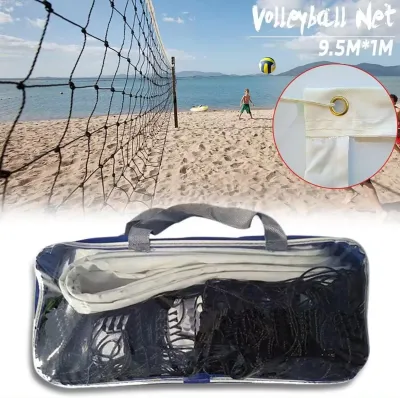
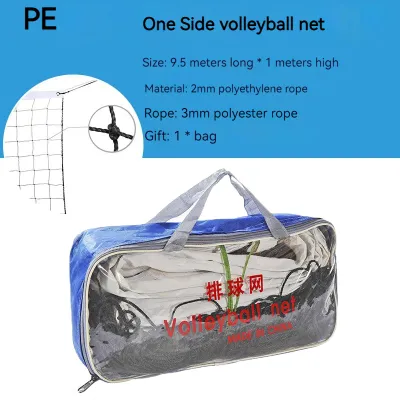
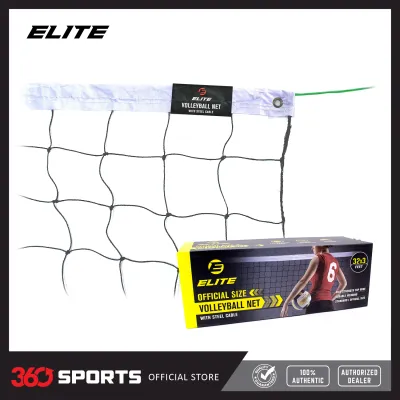
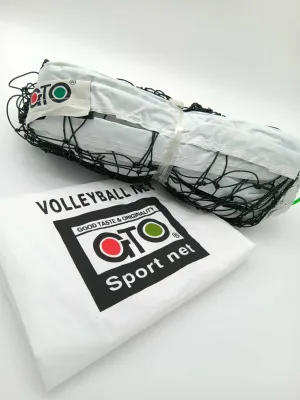
Prices are valid at publication and may change. Please refer to the product page for the latest price.
In addition to intense sunlight, the high relative humidity and frequent heavy downpours during the wet season introduce persistent moisture. When a net remains wet for extended periods, standard canvas or untreated cotton borders become breeding grounds for mold and mildew. This biological growth rots the fabric fibers from the inside out, causing the borders to fray, sag, and eventually tear away from the tension cables.
Coastal environments introduce another destructive element: salt air. If you set up a court near the ocean, the airborne salt accelerates the oxidation of metal components. Standard steel poles, tension hooks, and non-galvanized cables will rust rapidly when exposed to this saline moisture, leading to structural failures that can compromise player safety during a match.
Ultimately, choosing a specialized outdoor net is not about purchasing luxury gear; it is a practical investment in durability and safety. A net that cannot withstand the elements will sag, lose tension, and fail, disrupting your games and requiring frequent replacements that cost more over time than a single, high-quality purchase.
Essential Specs for Weather-Resistant Vball Net Systems
When browsing local sports retailers or online marketplaces, you will find many products labeled simply as “outdoor” or “heavy-duty.” However, these terms are often used loosely. To find a truly durable vball net, you must look past the marketing labels and verify the specific materials, coatings, and construction methods detailed in the product specifications.

Netting Material and UV Protection
The mesh itself is the most vulnerable part of any net system. For outdoor play in tropical climates, High-Density Polyethylene (HDPE) is highly recommended over standard nylon. HDPE is naturally hydrophobic, meaning it does not absorb water, preventing the net from becoming heavy and sagging during sudden afternoon downpours.
When evaluating the netting, prioritize these key features:
- UV-Stabilized Polyethylene: Look for product descriptions that explicitly state "UV-treated," "UV-stabilized," or "weatherproof." This indicates the raw plastic was mixed with UV inhibitors during manufacturing to prevent sun-induced brittleness.
- Mesh Thickness: Outdoor nets are rated by thread thickness, often measured in millimeters or ply (such as 18-ply, 24-ply, or 36-ply). For regular outdoor use, a thickness of at least 2.5mm or 24-ply is recommended to withstand high-velocity impacts.
- Knotless Construction: Knotless netting is generally preferred for outdoor environments. Because it lacks physical knots, it does not trap moisture or dirt in small crevices, which reduces the risk of mold growth and minimizes skin abrasions if players accidentally brush against the net.
Borders, Tape, and Tension Cables
The borders, or tapes, run along the edges of the net and house the tension cables. In a humid environment, these borders must resist water retention and tearing under high tension.
Pay close attention to these structural reinforcements:
- Marine-Grade Vinyl: The top, bottom, and side bands should be made of double-layered, marine-grade vinyl (ideally 13-oz or heavier) or heavy-duty, weather-treated PVC canvas. This material sheds water effortlessly and can be wiped clean easily. Avoid untreated cotton or thin polyester tapes, which absorb water and rot quickly.
- Reinforced Stitching: Look for borders with double or triple-stitched seams using bonded polyester thread, which resists UV degradation and prevents the borders from splitting under tension.
- Coated Tension Cables: The cable running through the top boundary keeps the net taut. Opt for galvanized steel cables wrapped in a thick protective vinyl coating, or high-strength synthetic ropes like Kevlar. Bare steel cables will rust rapidly inside the vinyl sleeve once moisture penetrates, leading to sudden snaps.
Pole Coatings and Rust Prevention
The support poles bear the physical load of the tensioned net and must remain structurally rigid despite constant exposure to moisture and wind.
Ensure your pole system meets these structural standards:
- Galvanized Steel or Aircraft-Grade Aluminum: Galvanized steel offers exceptional strength for permanent setups, while high-grade aluminum provides a lightweight, rust-proof alternative for portable systems.
- Powder-Coated Finish: Avoid poles with standard painted finishes, as paint chips easily during assembly or transportation, exposing the underlying metal to moisture. A powder-coated finish is electrostatically applied and cured under heat, creating a thick, durable barrier that resists scratching, chipping, and rust.
- Protected Hardware: Inspect the tensioning winches, eyelets, and adjustment pins. These components should be made of stainless steel, brass, or heavy-duty zinc-plated steel, and any open pole ends should feature tight-fitting plastic or rubber end caps to prevent water from pooling inside the tubes.
Choosing Between Portable and In-Ground Pole Systems
Deciding how to support your net depends heavily on your playing venue, how often you intend to play, and your ability to store the equipment during severe weather events like typhoons.
Portable Systems (Freestanding or Guy-Wire Based): Portable systems are highly versatile and ideal for temporary setups on sandy beaches, grassy backyards, or multi-use barangay paved courts. These systems typically rely on telescoping aluminum poles secured by guy-wires anchored into the ground with heavy-duty stakes or weighted bases. They are easy to transport, quick to assemble, and simple to take down before a heavy storm. However, they are less stable than permanent systems. In strong tropical winds, portable nets can easily blow over or lose tension. If using a freestanding system with fillable bases, ensure the bases are filled with heavy sand rather than water, as water can slowly evaporate in the tropical heat or leak over time.
In-Ground Systems (Ground Sleeves): For dedicated sports facilities, resorts, or private properties with dedicated space, in-ground pole systems are the gold standard. These systems utilize ground sleeves that are permanently concreted into the ground, allowing the metal poles to be slid in and out as needed. They offer unmatched structural stability, superior net tension, and the ability to withstand intense daily play. The poles can be removed during typhoons, leaving the ground sleeves capped flush with the court surface. However, they require a high initial installation effort and cost, requiring concrete pouring and excavation. Once installed, the court location cannot be easily changed.
Decision Framework: To make the right choice, evaluate your space and usage patterns. If you have a dedicated court area and want a professional-grade playing experience, invest in an in-ground sleeve system. If you live in a rented property, host casual beach trips, or need to share a multi-purpose space, a high-quality portable system with UV-resistant components is the more practical choice.
Routine Maintenance for Humid and Rainy Conditions
Even the highest-quality outdoor vball net will degrade prematurely without proper care. Implementing a simple maintenance routine tailored to the humid and wet Philippine climate will significantly extend the lifespan of your equipment.
Cleaning After Use: After playing sessions, especially those near coastal areas or on muddy outdoor courts, rinse the net, borders, and poles with clean, fresh water. This simple step removes corrosive salt spray, abrasive sand particles, and organic mud that can trap moisture and accelerate the breakdown of synthetic fibers and metal coatings. Avoid using harsh chemical detergents or abrasive scrubbers, which can strip away protective UV coatings; a gentle rinse with a garden hose is usually sufficient.
Drying and Storage: One of the most critical rules of net maintenance is to never pack away a damp net. Folding and storing a wet net inside a carrying bag creates a dark, humid environment that promotes rapid mold and mildew growth. This not only causes unpleasant, musty odors but also weakens the synthetic fibers. Always hang the net to air-dry completely in a shaded, well-ventilated area before rolling or folding it for storage.
Hardware Checks and Lubrication: Periodically inspect all metal components, including tensioning winches, carabiners, adjustment pins, and pole joints. Look for any signs of early rust or chips in the powder coating. If you notice exposed metal, clean the area and apply a light coat of rust-inhibiting spray or silicone lubricant to moving parts, ensuring you follow the manufacturer’s care instructions. Keeping these mechanical parts lubricated prevents them from seizing up due to humidity.
Severe Weather Precautions: The Philippines experiences frequent typhoons and severe weather depressions. Never leave your net fully tensioned and exposed during a storm warning. High winds put immense physical stress on the poles and net fibers, which can bend the metal, snap the cables, or rip the mesh. Before a storm hits, lower the net, loosen the tension, and store the net and poles indoors or in a secure, dry storage shed.
Frequently Asked Questions (FAQ)
Here are answers to some of the most common questions regarding the setup, use, and longevity of outdoor volleyball nets in tropical environments.
Can I leave my volleyball net outside all year round?
While premium, UV-treated, and rust-resistant nets are designed to withstand outdoor conditions, leaving them fully tensioned and exposed year-round is not recommended. Continuous exposure to intense tropical sun, heavy monsoon rains, and high winds will inevitably accelerate the wear and tear of even the best materials. To maximize the lifespan of your equipment, it is best to lower the net tension when not in use for extended periods and store the net indoors during the height of the rainy season or when severe weather is expected.
What is the standard height for an outdoor volleyball net?
The standard regulation height for an outdoor volleyball net depends on the gender of the players. For men’s competition, the official height measured from the center of the court is 2.43 meters (7 feet 11 5/8 inches). For women’s competition, the official height is 2.24 meters (7 feet 4 1/8 inches). If you are setting up a recreational court for co-ed or family play, look for pole systems with adjustable collar pins, which allow you to easily lower the net to accommodate different age groups, skill levels, or casual beach variations.
Community discussion
Share your experience or ask a question. Comments are reviewed before publication.