
Choosing the right arm pad for volleyball can significantly transform your playing experience, whether you are just learning the basics of a forearm pass or diving for hard-driven spikes in competitive leagues. In the Philippines, where volleyball is played passionately in community courts, school gymnasiums, and indoor sports centers, players frequently face intense heat, high humidity, and hard playing surfaces. A high-quality arm pad for volleyball serves as a critical piece of protective gear that minimizes forearm bruising, prevents painful floor burns, and builds the confidence required to execute defensive plays without fear of injury.
While many players initially view arm pads as optional accessories, they quickly become indispensable once training intensity increases. Understanding how to evaluate padding materials, moisture-wicking fabrics, and fit dynamics ensures you select a pair that supports your progression. This guide analyzes the essential features of modern arm pads, categorizes the best options for different skill levels in the local market, and explains how to maintain your gear to withstand the demanding tropical climate.
Why Arm Pads Matter for Beginner and Intermediate Players
The forearm pass, commonly referred to as the bump, is the foundational defensive and transition move in volleyball. To execute it correctly, you must join your hands and extend your arms to create a flat, stable platform for the ball to rebound. During a standard training session or a multi-set match, your forearms endure repetitive, high-velocity impacts from the ball. For beginners, this constant pounding often leads to capillary rupture under the skin, resulting in deep bruising, swelling, and severe muscle fatigue that can disrupt your training schedule.
Products mentioned in this guide
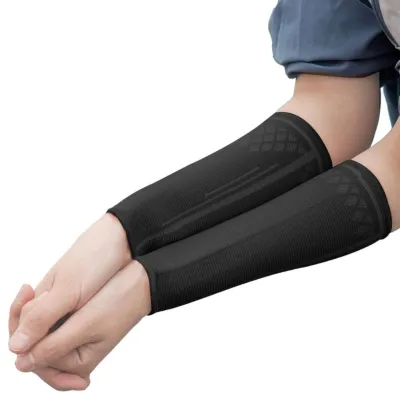
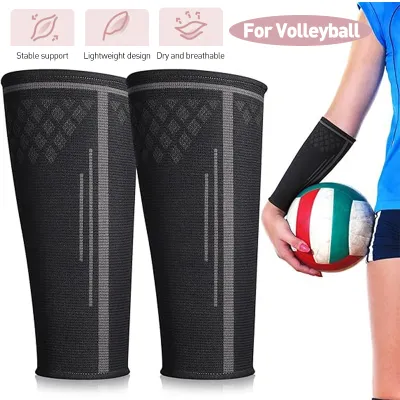
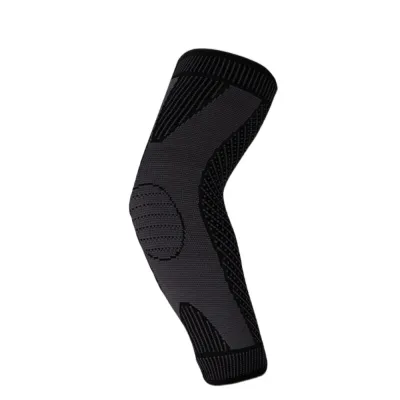
Prices are valid at publication and may change. Please refer to the product page for the latest price.
As you transition from a beginner to an intermediate player, the nature of the physical challenge changes. Instead of dealing with slow, predictable free balls, you begin facing faster serves and aggressive, hard-driven spikes. Defensive plays at this level frequently require you to dive, sprawl, or roll across the court to keep the ball alive. Without adequate forearm protection, sliding across wooden, synthetic, or concrete courts can cause painful friction burns, scrapes, and impact trauma to the delicate wrist and forearm bones.
It is important to clarify that wearing protective sleeves does not correct poor passing technique. If your platform is misaligned or your elbows are bent, a pad will not automatically direct the ball to your setter. However, the cushion provided by an arm pad acts as a psychological and physical buffer. By mitigating the sting of the ball and the fear of floor contact, you can focus entirely on perfecting your footwork, body positioning, and platform angles. This added comfort allows you to extend your practice sessions, leading to faster skill acquisition and more consistent defensive play.
Essential Features to Evaluate Before Buying
Not all sports sleeves are created equal, and choosing the wrong type can lead to discomfort, restricted movement, or inadequate protection. When shopping for volleyball gear in the Philippines, you must look beyond aesthetic designs and evaluate the core engineering of the product. The ideal sleeve must balance impact protection with mobility and thermal comfort.

Padding Technology: Foam vs. Honeycomb
The protective insert is the most critical component of any arm pad. Manufacturers primarily use two different structural designs for these inserts: continuous foam sheets and articulated honeycomb patterns.
Basic Ethylene-Vinyl Acetate (EVA) foam padding consists of a solid, uniform layer of lightweight foam sewn into the sleeve. This design is highly effective at absorbing light, diffuse impacts and providing a reliable barrier against floor friction. Because EVA foam is inexpensive to manufacture, these sleeves are highly affordable and widely accessible. However, solid foam can feel somewhat stiff, slightly restricting the natural twisting motion of your forearm when you adjust your platform angle.
Hexagonal honeycomb padding features individual, high-density foam or gel cells arranged in a geometric grid. This articulation allows each hexagonal cell to move independently, conforming precisely to the natural contours of your arm. When a hard-driven ball strikes the sleeve, the honeycomb structure disperses the concentrated impact force outward across a wider surface area, reducing localized pain. This technology offers superior flexibility and shock absorption, making it the preferred choice for players facing high-velocity attacks.
Breathability and Moisture Management
Playing volleyball in the Philippines presents a unique environmental challenge. Non-air-conditioned barangay covered courts and school gyms quickly turn into high-humidity environments during intense rallies. Under these conditions, heavy sweating is inevitable, making advanced moisture management a necessity rather than a luxury.
When evaluating arm pads, look for synthetic fabric blends consisting of nylon and spandex or polyester and spandex. These materials utilize capillary action to pull sweat away from your skin to the outer surface of the fabric, where it can evaporate quickly. Additionally, premium sleeves feature integrated mesh ventilation zones along the inner elbow crease or the underside of the forearm. Poorly ventilated sleeves trap heat and sweat, which leads to severe skin irritation, chafing, and causes the sleeve to slip down your arm during critical plays.
Compression Level and Grip
A high-quality arm sleeve must do more than just hold a pad in place; it should provide structural support through graduated compression. Mild, consistent compression promotes healthy blood circulation, keeping your forearm muscles warm and responsive throughout long matches. Furthermore, compression dampens the micro-vibrations that travel through your muscle tissue upon ball impact, which significantly reduces post-game muscle soreness and accelerates recovery times.
To ensure the sleeve remains securely positioned during rapid defensive movements, pay close attention to the upper cuff design. The best sleeves feature internal silicone grip bands at the bicep opening. These elastic, slip-resistant bands grip the skin gently, preventing the sleeve from sliding down without restricting your arterial blood flow. Ensure the silicone band is hypoallergenic to prevent skin rashes in hot, humid conditions.
Choosing the Right Arm Pad for Volleyball by Skill Level
Your current playing level, training frequency, and defensive responsibilities should dictate the type of arm pad you purchase. Matching your gear to your specific skill level ensures you get the right balance of protection and flexibility without overspending.
For Beginners: Lightweight Foam-Padded Sleeves
If you are new to the sport, participating in school physical education classes, or playing casual weekend games, lightweight foam-padded sleeves are your best starting point. These sleeves typically feature a broad, continuous EVA foam pad that covers the entire forearm passing zone. They are designed primarily to prevent painful “platform bite” from the ball and shield your skin from minor floor abrasions.
These entry-level sleeves are highly budget-friendly, typically costing between ₱300 and ₱600 per pair. They are widely available in local sporting goods stores and official brand outlets on major e-commerce platforms. When selecting a beginner sleeve, prioritize overall comfort, fabric softness, and a secure fit over advanced, high-impact dispersion technologies. This basic level of protection is more than enough to help you build confidence as you master the fundamentals of passing.
For Intermediate Players: Hexagonal Honeycomb Sleeves
Once you transition to competitive club leagues, varsity training, or high-intensity recreational play, your defensive duties will demand more advanced protection. Intermediate players frequently dive to save tips, block deflections, and receive hard-driven spikes. For these scenarios, hexagonal honeycomb sleeves are highly recommended.
These sleeves feature targeted honeycomb padding strategically positioned over the lateral and medial aspects of the forearm, protecting the ulna and radius bones from impact trauma. Because the individual pads flex with your muscles, they do not interfere with your forearm rotation or elbow extension. These performance-oriented sleeves generally range from ₱700 to ₱1,500 per pair. You can find them by searching for specialized volleyball or multi-sport protective gear from established athletic brands at major retail malls or verified online specialty stores.
For Versatile Training: Sleeves with Removable Pads
For players who participate in diverse training regimens—such as transitioning between indoor volleyball, beach volleyball, and strength training—sleeves with removable pads offer unmatched versatility. These hybrid sleeves feature an internal pocket designed to hold a removable protective insert.
This modular design allows you to customize the level of protection based on your daily activity. You can wear the lightweight sleeve on its own to benefit from compression and warmth during warm-ups, weightlifting sessions, or outdoor beach play. When it is time for high-impact defensive digging drills on hard indoor courts, you simply slide the protective foam or gel pad back into the pocket. While slightly more expensive, this versatile option eliminates the need to purchase multiple specialized sleeves for different training environments.
How to Measure for the Perfect Fit
Selecting the correct size is paramount when purchasing an arm pad for volleyball. A sleeve that is too loose will slip down constantly during play, shifting the protective padding away from your passing zone and distracting you during rallies. Conversely, a sleeve that is too tight will restrict your blood circulation, causing muscle cramps, premature fatigue, and numbness in your fingers.
To find your ideal size, avoid guessing based on your t-shirt size. Instead, follow these systematic measurement steps using a soft, flexible measuring tape:
- Bicep Circumference: Relax your arm completely and measure the circumference of your mid-bicep, roughly 5 to 7 centimeters above your elbow crease. Next, flex your bicep slightly and measure again. Use the larger measurement of the two to ensure the upper band does not pinch your muscle during active play.
- Forearm Circumference: Measure the widest part of your forearm, which is typically located just below your elbow joint.
- Sleeve Length: Measure the distance from your mid-bicep down to your wrist bone to ensure the sleeve will provide complete coverage of your passing platform.
Once you have these measurements, compare them directly to the manufacturer’s specific sizing chart. Keep in mind that sizing standards vary significantly between brands; a medium sleeve from a European manufacturer may fit like a small in Asian sizing standards.
Never buy a size smaller than recommended under the misconception that it will provide “extra compression.” True performance sleeves are already engineered with built-in compression based on accurate anatomical measurements. If your measurements fall directly between two sizes, it is generally safer to choose the larger size to protect your circulation. Additionally, always check the return and exchange policies of online sports retailers before finalizing your purchase, ensuring you can swap the sleeves if the fit is not entirely perfect.
Cleaning and Maintenance in a Humid Climate
The tropical climate of the Philippines requires diligent maintenance of your athletic gear. High humidity levels combined with heavy sweat create an ideal breeding ground for odor-causing bacteria, mold, and mildew. If left unwashed, sweat salts and body oils will rapidly degrade the elastane fibers in your sleeves, destroying their compression and elasticity.
To maximize the lifespan of your arm pads, establish a consistent cleaning routine after every training session or match. Always refer to the manufacturer’s care label on the product first. If hand-washing, submerge the sleeves in cold water mixed with a small amount of mild, liquid detergent. Gently squeeze the soapy water through the fabric and the padded sections, avoiding any harsh scrubbing or wringing actions that could dislodge or damage the internal padding structures.
If you prefer using a washing machine, always place the arm sleeves inside a mesh laundry bag to prevent the delicate fabric from snagging on zippers, velcro, or the machine’s agitator. Select a gentle or delicate cycle using cold water and a mild detergent.
Once washed, hang the sleeves to air-dry in a shaded, well-ventilated indoor area or a covered outdoor space. Never expose the sleeves to direct, harsh tropical sunlight, as extreme ultraviolet (UV) rays and high heat will dry out, crack, and degrade the elastic spandex fibers and the adhesives holding the internal pads together. Furthermore, never use fabric softeners or chlorine bleach. Fabric softeners leave a microscopic chemical residue on synthetic fabrics, which permanently clogs the moisture-wicking pores, ruins the material’s breathability, and locks in unpleasant perspiration odors.
Frequently Asked Questions (FAQ)
Can I use basketball arm pads for volleyball?
While basketball and volleyball arm sleeves share similar materials, compression fabrics, and honeycomb technologies, they are engineered for entirely different physical movements and impact zones. Basketball sleeves are designed primarily to protect the elbow joint from hard falls on hardwood floors, meaning the padding is concentrated directly over the elbow.
In contrast, volleyball arm pads place the protective cushioning along the inner and outer forearm to absorb the impact of the ball during a pass. If you wear a standard basketball sleeve for volleyball, the padding will not cover your passing platform, leaving your forearms unprotected. Always verify the exact placement of the padding zones before purchasing a multi-sport sleeve to ensure it aligns with your passing platform.
Should I wear arm pads on both arms or just my dominant arm?
To perform a proper forearm pass in volleyball, you must join both hands together and lock your elbows, creating a symmetrical, flat platform. The incoming ball must make contact with both of your forearms simultaneously to ensure a controlled, accurate pass to your setter.
If you wear an arm pad on only one arm, you create an uneven passing surface due to the difference in thickness between the padded and unpadded arm. This imbalance can cause the ball to rebound at unpredictable, erratic angles. Wearing matching arm pads on both arms ensures a perfectly level passing platform, consistent ball control, symmetrical impact protection, and balanced muscle compression across both limbs.
Community discussion
Share your experience or ask a question. Comments are reviewed before publication.