
Swimming is a beloved year-round activity in the Philippines, whether your family is spending a weekend at a hot spring resort in Laguna, enjoying the beaches of Batangas, or attending regular swimming lessons in Manila. However, frequent water exposure can lead to trapped moisture in young, developing ears, often resulting in discomfort or painful infections. Finding the right earplugs for kids is a simple and highly effective way to ensure your child’s water play remains safe, hygienic, and uninterrupted.
Selecting the best waterproof earplugs depends on your child’s age, ear anatomy, and personal comfort. While toddlers and children with sensitive ears often do best with soft, moldable silicone putty that sits over the ear canal, older and more active swimmers frequently benefit from reusable, pre-molded flanged silicone plugs that provide a secure, deep-channel seal. Understanding the unique features of each type will help you make an informed decision that keeps your child comfortable in the water.
Why Kids Need Waterproof Earplugs for Swimming
Children are highly susceptible to a common outer ear canal infection known clinically as otitis externa, or more popularly as swimmer’s ear. When water enters the ear canal during swimming or splashing, it can easily become trapped behind natural earwax. In the warm, high-humidity climate of the Philippines, this trapped moisture creates an ideal breeding ground for bacteria and fungi, leading to painful inflammation, itching, and temporary hearing muffledness.
Products mentioned in this guide
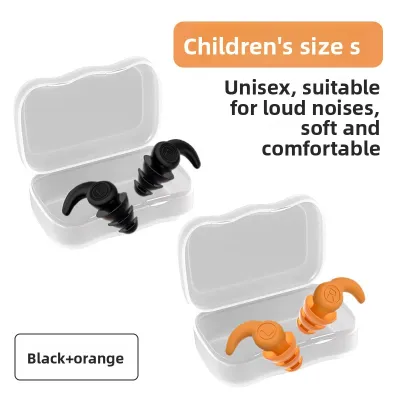
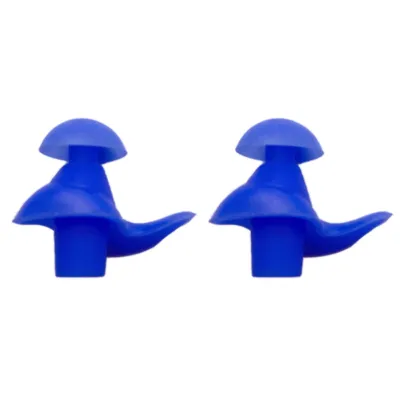
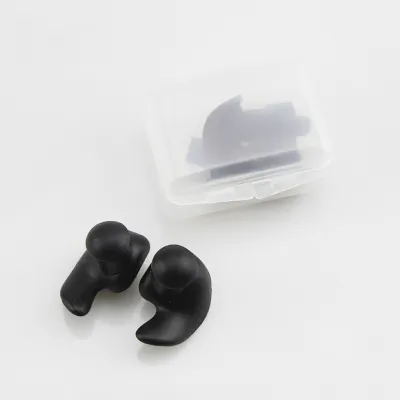
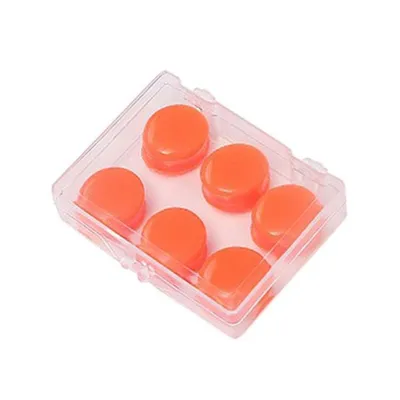
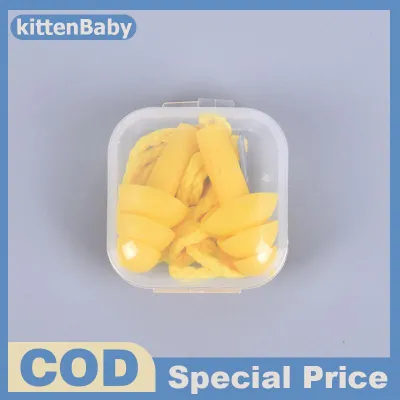
Prices are valid at publication and may change. Please refer to the product page for the latest price.
Public swimming pools, water parks, and even natural coastal waters contain microscopic organisms that can trigger these infections. Children who take frequent swimming lessons or spend hours playing in shallow pools are at a higher risk because prolonged exposure to water softens the delicate skin lining the ear canal, making it easier for pathogens to penetrate. For children who already have a history of ear sensitivity or recurring infections, keeping the ear canal dry is a necessity rather than a preference.
It is important to establish clear safety boundaries when using earplugs. These consumer products are designed specifically for surface swimming, splashing, and shallow water play. They are not engineered to withstand the pressure changes associated with deep diving, snorkeling, or scuba activities. Additionally, while earplugs are an excellent preventive tool, they are not a cure and should never replace professional medical treatment if your child is already experiencing ear pain, discharge, or active infection.
How to Choose the Right Earplugs for Kids
Choosing the right earplugs for kids requires careful attention to design and material specifications. Because children’s ear canals are smaller, shorter, and more horizontal than those of adults, standard adult earplugs will not fit. An oversized plug will fail to create a watertight seal and can place painful pressure on the sensitive tissue of the ear canal, causing the child to reject wearing them entirely.

Size and Anatomical Fit
Always prioritize products explicitly labeled for children or toddlers. These models are scaled down to match the average dimensions of a child’s ear. If your child has highly irregular ear canals or falls between standard age brackets, moldable silicone putty offers a customizable fit that adjusts to any shape, ensuring a reliable seal without inserting a rigid object deep into the ear.
Material Safety and Hypoallergenic Properties
Because earplugs remain in contact with warm, moist skin for extended periods, material safety is paramount. Look for products made from 100% medical-grade silicone or hypoallergenic, BPA-free materials. These substances are inert, highly resistant to bacterial growth, and gentle on sensitive skin, minimizing the risk of contact dermatitis or localized irritation inside the ear.
Comfort and Wearability
If an earplug causes discomfort, a child will likely pull it out mid-swim. The material must be soft and flexible enough to compress and flex naturally as your child talks, smiles, or breathes during swim strokes. For children who wear silicone or lycra swim caps, choose low-profile earplugs that sit flush against the ear bowl so they do not press painfully against the side of the head under the cap.
Visibility and Loss Prevention
It is incredibly easy for small earplugs to slip out and get lost in a busy public pool or sandy beach. To prevent this, opt for high-visibility neon colors such as bright orange, yellow, or pink, which contrast sharply with water and pool tiles. Many reusable models also feature integrated, lightweight, floating silicone cords or can be paired with neoprene swim headbands to keep them securely in place even during active play.
Waterproof vs. Water-Resistant Ratings
Verify the manufacturer’s specifications to ensure the product is designed for swimming. True swimming earplugs feature unique barriers, such as specialized flanges or water-blocking membranes, designed to keep liquid out while maintaining structural integrity. Never use standard foam noise-blocking earplugs for swimming; foam is highly porous and will absorb water like a sponge, trapping moisture and bacteria directly inside the ear canal.
Recommended Types of Waterproof Earplugs for Kids
There are three primary styles of waterproof earplugs available in sporting goods stores and online marketplaces. Each type offers distinct structural designs tailored to different age groups, swimming styles, and comfort preferences.
Moldable Silicone Putty Earplugs
Moldable silicone putty earplugs consist of soft, clay-like silicone that you roll into a ball and flatten over the entrance of the ear canal. Instead of being pushed inside the ear canal, the silicone adheres to the outer ear bowl (the concha), creating a comfortable, custom-shaped watertight seal.
This style is highly recommended for toddlers, very young children, and any child who dislikes the sensation of having objects inserted into their ear canals. Because they do not enter the canal, they pose zero risk of physical irritation to the inner ear lining. They are also the preferred choice for children wearing ear tubes, as they provide a reliable, flat barrier.
However, moldable putty has a limited lifespan. The tacky surface naturally attracts dust, sand, and hair, which gradually reduces its stickiness and hygiene. They must be discarded and replaced regularly once they become dirty or lose their adhesive quality. They are strictly designed for surface swimming and must never be used for diving.
Flanged Silicone Earplugs (Pre-Molded)
Pre-molded flanged earplugs feature a central stem surrounded by multiple soft, concentric rings or “flanges” (typically two or three). These flanges act as successive physical barriers that compress slightly as they are inserted into the ear canal, blocking water from bypassing the seal.
These reusable plugs are excellent for older children, regular swim students, and competitive youth swimmers who need a durable, long-term solution. They are easy to wash, dry quickly, and often come with a small carrying case and an optional safety cord to prevent loss.
Because they rely on insertion, precise sizing is critical. If the plug is too large, it will cause immediate discomfort; if it is too small, water will easily seep past the flanges. Parents must supervise young children during insertion to ensure the stem is not pushed too deeply, which could irritate the eardrum.
Band-Style and Custom-Molded Earplugs
Band-style earplugs consist of soft, pre-molded silicone tips attached to a flexible, lightweight plastic band that wraps under the chin or behind the neck. The band exerts a gentle, continuous inward pressure that keeps the ear tips sealed against the ear canal opening without requiring deep insertion.
This design is highly beneficial for active toddlers and young children who frequently pull individual plugs out of their ears. The band makes the earplugs highly visible and difficult to lose in the water. However, the band can sometimes feel restrictive or get knocked out of alignment during vigorous swimming styles or underwater games.
Custom-molded earplugs represent the premium tier of ear protection. These are crafted by taking a physical impression of your child’s ear canal at an audiologist’s clinic, which is then used to manufacture a personalized pair of medical-grade silicone plugs. They offer the absolute best watertight seal, durability, and comfort.
While custom-molded plugs are highly recommended for competitive youth swimmers or children with severe, chronic ear issues, they require a significant initial financial investment. Additionally, because children’s ears grow rapidly, these plugs will typically need to be replaced every one to two years to maintain a proper fit.
Quick Comparison of Kids' Earplug Types
To help you quickly evaluate your options, the table below summarizes the key characteristics of the three most common consumer earplug designs.
| Earplug Type | Best Age Group / Swimmer Level | Comfort Level | Reusability | Key Limitation |
|---|---|---|---|---|
| Moldable Silicone Putty | Toddlers, beginners, and children with sensitive ears | High (rests on the outer ear bowl) | Limited (must be replaced when dirty) | Attracts hair, sand, and debris |
| Flanged Silicone | Older children (6+) and regular swim students | Moderate (requires canal insertion) | High (washable and highly durable) | Sizing must be precise to prevent leaks |
| Band-Style | Active toddlers and recreational swimmers | Moderate to High | High (durable band and replaceable tips) | Can be bulky; may slip during fast head movements |
If you are unsure which style your child will tolerate best, it is highly practical to purchase a small pack of moldable silicone putty alongside a pair of pre-molded flanged plugs. Allowing your child to try both options in a calm, non-swimming environment, such as the bathtub, will help you identify which style they find most comfortable before committing to a larger purchase.
Safety, Fit, and Maintenance in Tropical Climates
Using swimming earplugs safely requires proper technique and consistent hygiene, especially when managing gear in the hot, humid climate of the Philippines.
Proper Insertion and Removal
For moldable silicone putty, ensure your child’s outer ear is clean and completely dry. Roll one piece of putty into a smooth ball, place it over the ear opening, and press firmly to flatten it until it forms a secure seal. Do not shape the putty into a cylinder or force it directly into the ear canal.
For flanged silicone plugs, gently pull the top of your child’s outer ear upward and backward to straighten the ear canal. Insert the plug gently until the flanges form a comfortable seal. Never force a plug deep into the canal, and always supervise young children to prevent improper insertion.
Drying and Storage in Humid Environments
The warm, humid tropical climate of the Philippines makes damp swimming gear highly susceptible to mold, mildew, and bacterial growth. After every swim session, rinse the earplugs thoroughly under clean, fresh tap water to remove chlorine, salt water, sand, or pool chemicals. Dry them completely with a clean, lint-free microfiber cloth.
Store the dry earplugs in their designated, ventilated plastic carrying case. Never leave damp earplugs inside a sealed plastic bag or at the bottom of a dark, humid swim bag, as this encourages rapid microbial growth. Keep the storage case in a cool, shaded area away from direct sunlight, which can degrade and harden silicone over time.
When to Stop Using and Replace
Regularly inspect your child’s earplugs before use. Discard moldable putty immediately if it becomes discolored, loses its tackiness, starts to crumble, or has visible dirt embedded in it. For reusable silicone plugs, replace them if you notice any tears in the flanges, hardening of the material, or if they no longer form a reliable seal.
Instruct your child to tell you immediately if they experience any pain, itching, irritation, or dizziness while wearing earplugs. If any of these symptoms occur, remove the plugs gently and inspect the ear canal for signs of redness or irritation.
Medical Disclaimer
Always consult a pediatrician or an ear, nose, and throat (ENT) specialist before using any swimming earplugs if your child has tympanostomy tubes (ear tubes), a perforated or ruptured eardrum, or is currently recovering from an active ear infection. A medical professional can provide personalized guidance on the safest water protection methods for your child’s specific anatomical needs.
Frequently Asked Questions (FAQ)
Can kids use adult earplugs for swimming?
No, children should never use adult-sized earplugs for swimming. Adult earplugs are physically too large for a child’s small, developing ear canal. Attempting to force an adult plug into a child’s ear can cause physical trauma to the delicate skin lining the canal, push natural earwax deeper, or place dangerous pressure on the eardrum. Additionally, because the plug will not fit properly, it will fail to create a watertight seal, allowing water to enter and defeating the purpose of the ear protection. Always select products specifically designed and sized for children.
Do waterproof earplugs block out all pool noise?
No, swimming earplugs are designed to block the entry of water, not to act as high-attenuation hearing protection. While they will slightly muffle ambient pool sounds, your child will still be able to hear high-frequency sounds, including your voice, safety whistles, and instructions from their swim coach. This is an important safety feature, ensuring they remain aware of their surroundings and can respond to verbal guidance while in the water.
Community discussion
Share your experience or ask a question. Comments are reviewed before publication.