
Night fishing in the Philippines offers a thrilling and highly productive way to catch target species, but success depends heavily on having the right equipment to cut through the darkness. To consistently attract baitfish and larger predators in tropical waters, you need a high-durability, IPX8-rated submersible LED drop light, a floating surface light, or a robust IPX6/IPX7 headlamp designed to withstand high humidity, saltwater corrosion, and sudden tropical downpours. By choosing a lighting setup tailored to your specific fishing environment—whether you are casting from a rocky shoreline in Batangas, paddling a kayak through the calm estuaries of Pangasinan, or rigging a motorized banca for an overnight deep-sea trip—you can transform a quiet night on the water into an active feeding ground.
How to Choose the Right Water Power Light for Night Fishing
In the context of night angling, a “water power light” refers to a high-luminosity, fully sealed lighting system engineered to operate in or near water to attract baitfish and predatory species. Unlike standard utility flashlights, these specialized marine lights are designed to project intense, wide-angle illumination that penetrates deep into dark, turbid, or highly saline environments. They serve as the central beacon for your night fishing setup, drawing in aquatic life from a wide radius and keeping them concentrated near your vessel or dock.
The effectiveness of these lights relies on a simple biological chain reaction. When a bright light source is introduced into dark water, it stimulates the growth of phytoplankton and rapidly attracts microscopic zooplankton. These tiny organisms are the primary food source for small baitfish, such as anchovies (dilis), sardines (tamban), and gizzard shads, which quickly swarm the illuminated zone. Consequently, larger predatory species like squid (pusit), trevally (talakitok), groupers (lapu-lapu), and snapper (mangasong) are lured into the area to feed, providing anglers with an active and highly visible target zone.
Products mentioned in this guide
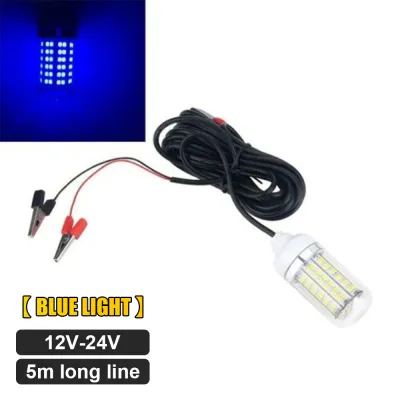
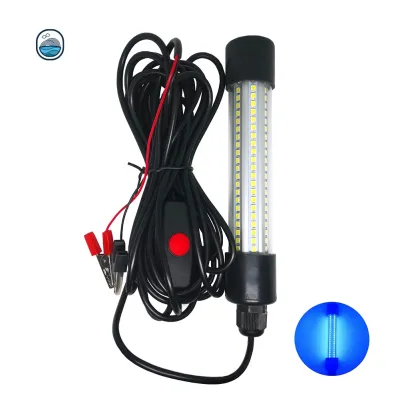
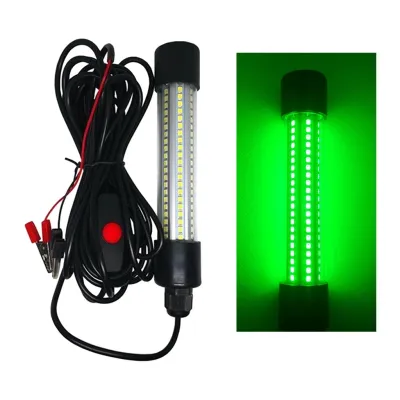
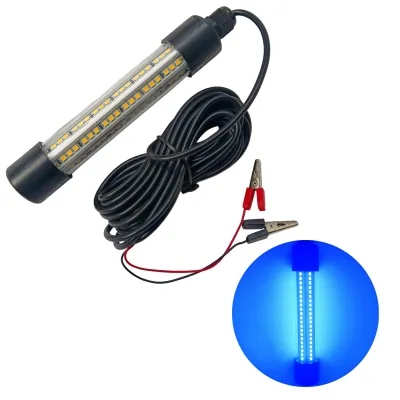
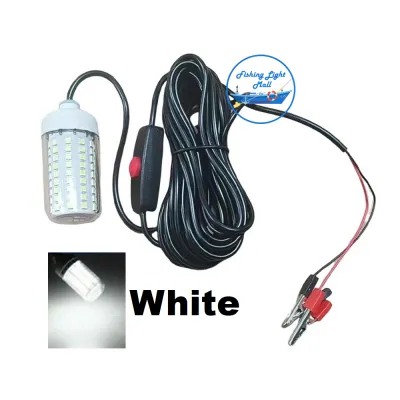
Prices are valid at publication and may change. Please refer to the product page for the latest price.
The lunar cycle plays a massive role in how these lights perform in Philippine waters. During a full moon, natural ambient light is high, which scatters baitfish across a wide area and makes artificial lights less concentrated. On a dark, new-moon night, artificial lights are incredibly effective because they create a sharp, high-contrast glow zone that acts as the only light source for miles. This contrast is what drives the biological food chain reaction, making dark nights the absolute best time to deploy your gear.
Selecting the right light requires evaluating several critical design dimensions:
- Waterproof Rating: This is the most crucial safety and operational specification. Equipment rated IPX7 can withstand temporary splashes, heavy rain, or brief submersion up to 1 meter for 30 minutes, making it suitable for deck use or headlamps. However, for lights designed to be lowered directly into the water, an IPX8 rating is mandatory, as it guarantees the housing can withstand continuous deep submersion under pressure without leaking.
- Power Source: Anglers must choose between self-contained rechargeable lithium-ion battery systems and hardwired 12-volt or 24-volt DC systems. Rechargeable battery-powered lights offer excellent portability and are ideal for kayak anglers or shore-based casting where space and weight are limited. Hardwired systems connect directly to a boat's main battery or a portable generator, providing unlimited runtime for extended overnight trips on motorized bancas.
- Beam Angle and Spread: The physical shape of the light beam determines how fish interact with it. Focused spot beams are excellent for surface searching, navigation, or pinpointing specific structures like bridge pilings. In contrast, wide 360-degree flood beams are essential for underwater attraction, as they distribute light evenly in all directions to create a massive, uniform glow field that maximizes the attraction zone.
Best Types of Waterproof Lights for Philippine Waters
The marine and freshwater environments of the Philippines present unique challenges, from the high salinity of the coastal seas to the dense vegetation of brackish estuaries and inland lakes like Laguna de Bay. Because no single light is perfect for every scenario, matching your equipment to your specific vessel, fishing style, and target depth is essential for a successful night on the water.

Submersible Underwater Drop Lights
Submersible underwater drop lights are designed to be lowered directly beneath the surface, placing the light source exactly where the fish are swimming. By operating underwater, these lights eliminate the surface reflection and glare that can make it difficult for anglers to see down into the water column.
- Best For: Deep-water attraction, dock fishing, and stationary boat fishing. This method is highly effective for drawing fish up from deeper thermoclines in offshore areas like Romblon or Apo Reef, where predatory species often hold deep during the day and move shallower at night.
- Key Selection Criteria: Sinking capability is paramount. Look for lights that feature built-in weights, such as integrated lead collars or heavy-duty cast metal housings, or those equipped with heavy-duty sinking cables that prevent the light from drifting away in strong tidal currents. The housing must be constructed from marine-grade materials, such as 316 stainless steel, heavy-duty anodized aluminum, or specialized anti-UV polycarbonate polymers, to resist the highly corrosive tropical saltwater.
- Rigging and Deployment: When setting up a drop light, it is best practice to attach a secondary retrieval rope to the light housing rather than letting the electrical power cable bear all the weight. This prevents strain on the electrical connections and ensures you do not lose the light if the cable is snagged. If you are targeting squid, start by lowering the light deep (around 10 to 15 meters) to draw them up, then slowly raise the light to 3 to 5 meters below the surface to bring the school within casting range of your jigs.
- Limitations: Managing long electrical cables requires careful organization on deck. These lights require a reliable retrieval method, and the power cords can easily tangle with your active fishing lines, anchor ropes, or submerged structures like coral heads and artificial reefs if not managed properly. Always deploy the drop light on the opposite side of your vessel from where you are casting to minimize the risk of a hooked fish wrapping your line around the cable.
Floating Surface and Boat Lights
Floating surface lights are engineered to sit directly on the waterline, casting a wide, horizontal glow across the surface and down into the upper layers of the water column.
- Best For: Kayak anglers, small non-motorized bancas, and shallow-water wading in sandy flats, coral reefs, or mangrove channels. They are particularly popular among anglers targeting squid or surface-swimming baitfish in calm coastal waters.
- Key Selection Criteria: These lights must possess inherent buoyancy, typically achieved through air-filled chambers or lightweight foam collars. They require a sealed, impact-resistant dome to survive constant wave action, surface currents, and accidental bumps against the hull of your vessel. A true 360-degree horizontal illumination is critical here, as it creates a wide, shimmering surface attraction zone that draws in surface-feeding species.
- Banca Configurations: On a traditional wooden outrigger banca, managing space can be tight. A floating light can be tethered between the main hull and the outrigger (katig), keeping it stable and preventing it from drifting into the propeller or tangling with your paddle. This setup is highly popular for catching small pelagics and squid at night in calm bays.
- Limitations: Floating lights are generally less effective in very deep or highly turbid (muddy) waters compared to submerged options. Because the light source sits at the surface, a portion of the light reflects off the water's surface tension and scatters, reducing the depth of penetration. In murky waters, this scattering effect can create a blinding glare at the surface rather than illuminating the depths, making it difficult to spot fish swimming beneath the glow.
High-Power Headlamps and Deck Spotlights
While underwater and floating lights do the heavy lifting of attracting fish, surface-level lighting is essential for the angler’s safety, navigation, and rigging tasks.
- Best For: Essential deck operations, including tying knots, rigging lures, unhooking fish, safe navigation through shallow reefs, and scanning the shoreline for structure or bait movement.
- Key Selection Criteria: For personal headlamps, look for models that feature a dedicated red-light or green-light mode. Red light preserves your natural night vision and is far less likely to spook shallow-water species or attract swarms of nocturnal insects. Deck spotlights, on the other hand, require high lumen outputs, adjustable focus (from spot to flood), and robust IPX6 or IPX7 waterproof ratings to withstand heavy tropical downpours and constant salt spray.
- Dual-Beam Utility: A high-quality headlamp with dual-beam utility is invaluable when navigating the shoreline. A wide flood beam is used for walking along rocky shorelines to avoid slipping on wet moss or stepping on sharp sea urchins, while a focused spotlight beam is used to scan the water for surface activity or to locate safe landing spots.
- Limitations: Shining high-power white spotlights directly into the water for extended periods can scatter fish and ruin your bait-attracting setup. White spotlights should be used strictly for navigation, safety checks, and deck operations, rather than as a primary tool for fish attraction.
Critical Specs to Verify Before Purchase
Before investing in a high-quality night fishing light, it is vital to verify several technical specifications to ensure the gear can survive the demanding conditions of tropical marine environments.
- Thermal Management and Overheating Risks: High-output LED lights generate significant heat during operation. Many submersible LED "water power lights" are engineered specifically to use the surrounding water as a heat sink. Running these lights out of the water can cause rapid heat buildup, leading to melted plastic housings, degraded seals, or permanent damage to the LED diodes. Before buying, verify the manufacturer's maximum "out-of-water" runtime—some high-power models can only run for a few seconds or minutes in the air before sustaining damage.
- Seal Integrity and O-Rings: The integrity of the waterproof seal is what stands between a successful fishing trip and ruined electronics. Inspect the sealing mechanism closely. Heavy-duty screw-on caps secured by thick, double silicone O-rings are vastly superior to simple plastic snap-locks or single rubber gaskets, especially when subjected to the pressure of deep submersion. Double O-rings provide a redundant barrier; if the outer ring fails due to a microscopic grain of sand, the inner ring still maintains the vacuum seal.
- Pressure Dynamics: Keep in mind that water pressure increases by approximately 1 atmosphere (about 14.7 psi) for every 10 meters of depth. This means a light lowered to 15 or 20 meters experiences significant pressure that will easily force water through any weak point or low-quality seal. Always verify the maximum depth rating of your drop light before deploying it deep.
- Cable and Connector Durability: For wired lights, the connection point where the cable enters the light housing is the most common point of failure. Look for lights that feature robust, molded strain reliefs and marine-grade waterproof connectors. The cable itself should be thick, UV-resistant, and double-jacketed to withstand being dragged over sharp boat gunwales, rocky bottoms, or barnacle-encrusted pilings.
- Voltage Drop and Wire Gauge: For 12V DC systems, running a long cable (e.g., 10 meters or more) can result in a significant voltage drop if the wire gauge is too thin. This voltage drop reduces the light's actual output and causes the cable to run warm. Look for heavy-duty 16-gauge or 14-gauge copper wiring to ensure maximum power delivery and safety.
- Lumen Output vs. Wattage: Do not fall into the trap of assuming higher wattage automatically means better performance. Modern LED technology is highly efficient, meaning a well-designed 30-watt LED can produce more lumens than an inefficient 80-watt model while drawing significantly less power from your battery. Look for verified lumen ratings (typically 1,000 to 5,000+ lumens for underwater lights) and optical lens designs that focus the light outward horizontally rather than wasting energy illuminating the empty space directly above or below the light.
Maintenance and Safety in Tropical Marine Environments
The combination of high humidity, intense heat, and high salinity in the Philippines makes regular maintenance essential for preserving the lifespan of your lighting equipment. Implementing a strict care routine after every trip will prevent premature gear failure and ensure your lights remain safe and reliable.
- Post-Trip Flushing: Tropical saltwater is incredibly corrosive. After every single night fishing session, make it a mandatory habit to rinse your lights, cables, battery packs, and metal connectors thoroughly with clean, fresh water. This simple step dissolves salt crystals that can accumulate in threads, corrode metal components, and slowly degrade rubber seals over time.
- O-Ring Care: To maintain a perfect waterproof seal, periodically inspect the silicone O-rings for hairline cracks, dirt, or sand particles. Gently remove the O-rings, wipe them clean with a soft microfiber cloth, and apply a very thin coat of manufacturer-approved silicone grease. Never use petroleum-based lubricants (like WD-40 or standard petroleum jelly), as these will chemically degrade silicone and rubber, causing them to swell, stretch, or fail.
- Battery Storage: The intense tropical heat of the Philippines can rapidly degrade lithium-ion batteries. Always store your rechargeable lights and battery packs in a cool, dry, well-ventilated indoor space away from direct sunlight. Never leave your batteries inside a parked car, a metal tackle box, or a hot boat cabin during the day, as temperatures can easily exceed 40°C (104°F) and cause battery swelling or permanent capacity loss.
- Pre-Trip Inspection: Before you head out onto the water, conduct a quick visual safety check. Inspect the light housing for any hairline cracks, check the cable for signs of fraying or cuts, and ensure all seals are clean and tightly secured. Check the cable jacket carefully for tiny punctures caused by fish teeth (such as sharp-toothed barracudas or needlefish that might strike at a shiny cable) or abrasion against sharp rocks, as a tiny puncture can allow saltwater to wick up inside the copper wire and short-circuit the system.
Frequently Asked Questions (FAQ)
What color light attracts the most fish at night?
Green and white lights are widely recognized as the most effective options for night angling. Green light has a specific wavelength that penetrates murky, coastal, or brackish waters exceptionally well, making it highly visible to zooplankton and baitfish. White light provides excellent overall brightness and color rendering, which helps you see target species clearly as they approach. Blue light can be highly effective in deep, crystal-clear offshore saltwater, but it loses its effectiveness quickly in shallow, turbid, or muddy coastal environments.
How do I prevent my underwater light from overheating?
To prevent your submersible water power light from overheating, never turn it on while it is out of the water for more than a few seconds. These high-output lights rely on the surrounding water to absorb and dissipate the intense heat generated by the LEDs. Always lower the light completely into the water before switching the power on, and make sure to turn the light off before pulling it back up onto your boat’s deck. Always consult your product’s user manual for specific thermal guidelines and out-of-water operational limits.
Community discussion
Share your experience or ask a question. Comments are reviewed before publication.