
To explore the underwater wonders of the Philippines—from the historic World War II wrecks of Coron to the rich macro havens of Anilao and the deep walls of Tubbataha Reefs—you need a reliable source of artificial light. Water proof flashlights designed specifically for diving are not merely convenience items; they are essential safety tools and the only way to restore the vivid colors swallowed by the ocean depth. However, choosing the right dive light requires understanding that a standard outdoor flashlight, even one rated for heavy rain, will quickly fail under the crushing pressure of the sea.
Before selecting a dive light, it is vital to recognize that no piece of equipment can substitute for proper training, physical fitness, and sound underwater judgment. Diving is an adventure sport with inherent risks, particularly during night dives, deep dives, or overhead environment penetrations. Your light is a tool to support your planned dive profile, and you must always operate within the limits of your certification and comfort level. If you are unsure about the suitability of a light for a specific depth or activity, always consult the manufacturer’s documentation or a certified diving professional.
In the warm, highly saline waters of the Philippines, dive lights face unique environmental challenges. High humidity, elevated ambient temperatures, and intense saltwater salinity accelerate gear degradation. This guide will walk you through the critical technical specifications, configuration choices for different dive styles, battery safety practices in tropical climates, and the meticulous maintenance routines required to keep your underwater flashlight functioning reliably dive after dive.
Products mentioned in this guide
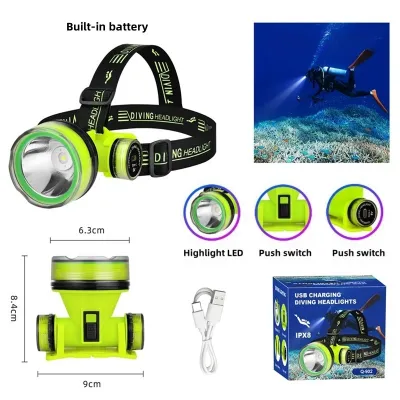
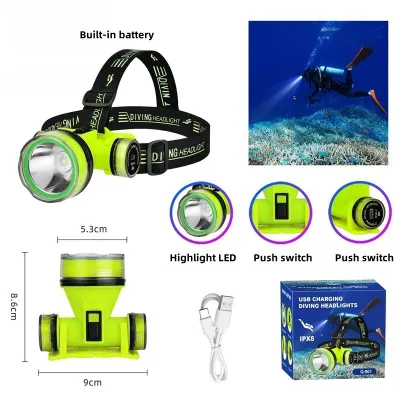
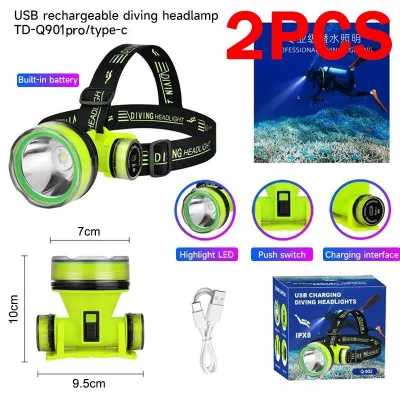
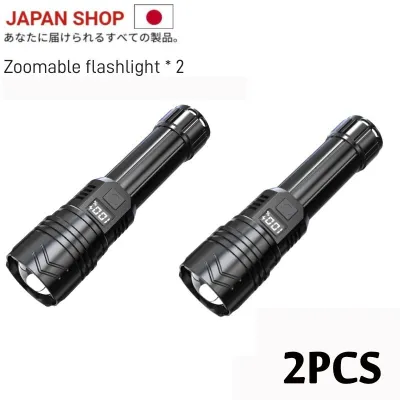
Prices are valid at publication and may change. Please refer to the product page for the latest price.
Essential Features for Saltwater and Tropical Conditions
Depth Ratings vs. IPX Ratings
When searching for water proof flashlights, you will frequently encounter IPX ratings, such as IPX7 or IPX8. It is critical to understand that these are surface-level ingress protection standards. An IPX7 rating means a device can withstand accidental submersion in up to one meter of water for 30 minutes, while IPX8 typically indicates protection up to a few meters under static conditions specified by the manufacturer. These ratings are entirely inadequate for scuba diving. As you descend, hydrostatic pressure increases by one atmosphere (approximately 14.7 psi) for every 10 meters of depth. A true dive light must feature a depth rating explicitly stated in meters or atmospheres—typically starting at 60 meters for recreational use and extending to 100 meters or more for technical diving. Using a light without a certified depth rating at recreational depths will result in immediate structural failure, flooding, and destruction of the electronics.
Evaluating Corrosion Resistance
The tropical marine environments of the Philippines present a highly corrosive mix of high salinity and warm water temperatures, which average between 27°C and 30°C throughout the year. These conditions accelerate chemical reactions, making material selection a primary consideration for your dive light. Hard-anodized aluminum (specifically Type III military-grade anodizing) is the industry standard for high-quality dive torches. It offers an excellent balance of lightweight handling, structural strength, and resistance to scratches that could expose the raw metal to saltwater. Titanium is another premium option, offering virtually absolute corrosion resistance and extreme durability, though it carries a significantly higher price tag. Marine-grade engineered plastics, such as high-strength polycarbonate, are highly resistant to chemical corrosion and are completely immune to galvanic reaction, making them excellent choices for lightweight backup lights or budget-friendly primary torches. However, they lack the superior heat dissipation qualities of metal housings.
Sealing Mechanisms and Switches
To prevent water from bypassing the joints of your light under pressure, manufacturers rely on elastomeric seals known as O-rings. For serious diving, look for lights that utilize double O-ring seals at every opening point, such as the battery compartment cap. This redundancy ensures that if the primary outer O-ring fails due to a microscopic grain of sand or a hair, the secondary inner O-ring maintains the watertight seal. Furthermore, physical switches that penetrate the light housing—such as standard clicky buttons—create vulnerable entry points for water. High-quality dive lights eliminate this risk by using magnetic or inductive switches. These switches operate via external magnetic fields that actuate internal sensors through a solid, unpenetrated wall of metal or plastic, completely removing a common failure point.
Thermal Management in Warm Waters
Modern high-output LEDs generate a substantial amount of heat, which must be dissipated to prevent the emitter from burning out or degrading. In cold-water environments, heat is rapidly drawn away by the surrounding water. However, in the warm tropical waters of the Philippines, heat transfer is less efficient. If you turn on a high-power dive light on the surface or use it in warm water, the internal temperature can spike rapidly. High-quality dive lights are engineered with advanced thermal management circuits that monitor internal temperatures. These systems will automatically step down the lumen output if the light begins to overheat, protecting the delicate driver circuits and LED. When evaluating a light, verify if it has an automatic thermal protection system, and avoid running high-output dive lights at maximum brightness on land or during long boat transits.
Recommended Configurations for Specific Dive Profiles
Selecting the perfect dive light is not about finding the brightest model on the shelf; it is about matching the light’s characteristics to your specific underwater activities. Different dive profiles require vastly different beam patterns, power outputs, and color profiles.

Night Diving and Reef Exploration
For general recreational night diving along the vibrant reefs of places like Balicasag or Puerto Galera, your primary goal is spatial awareness and appreciating the marine life without disrupting it.
- Beam Angle: A wide, soft beam angle (typically between 60 to 120 degrees) is highly recommended. This flood pattern illuminates a broad area of the reef, allowing you to see nocturnal predators like moray eels and octopuses moving in your peripheral vision without requiring constant scanning.
- Lumen Output: Moderate lumen levels—ranging from 800 to 1,200 lumens—are ideal. Extremely bright lights can blind your dive buddy, create harsh reflections in particulate-heavy water, and cause nocturnal fish to flee in panic.
- Color Temperature: Look for neutral or warm color temperatures (around 4000K to 5000K). Warm light does not scatter as easily in water as cool blue light, and it helps restore the rich reds, oranges, and yellows of the coral reef that are naturally filtered out by the water column.
Underwater Photography and Videography
If you are carrying a camera system to capture the world-class macro critters of Anilao or the dramatic walls of Moalboal, your lighting requirements shift from simple navigation to high-fidelity color reproduction.
- Color Rendering Index (CRI): Standard flashlights often emit a cool, bluish light with a low CRI, which makes underwater subjects look washed out and unnatural. For photography and videography, choose a dedicated video light with a high CRI rating of 90 or above. This ensures that the true, vivid colors of nudibranchs, frogfish, and anemones are accurately captured on your camera's sensor.
- Adjustable Brightness and Beam Control: Look for lights with stepless dimming or multiple distinct power levels (e.g., 25%, 50%, 100%). This allows you to fine-tune the exposure and avoid overexposing highly reflective subjects, such as silver-scaled fish or white sand.
- Mounting Compatibility: Ensure the light body is compatible with standard underwater photography mounting systems, such as YS mounts or 1-inch ball adapters. These allow you to securely attach the light to flexible arms or camera trays, giving you the freedom to position the light source away from the camera lens to minimize backscatter.
Wreck and Cave Penetration (Technical Diving)
Penetrating overhead environments, such as the historic Japanese shipwrecks of Coron or deep underwater caves, demands the highest level of gear reliability, physical durability, and specialized beam characteristics.
- Beam Characteristics: Unlike reef diving, overhead environments require a very narrow, high-intensity spot beam (typically 4 to 8 degrees). This tight beam concentrates the light into a powerful, piercing column that can cut through suspended silt, organic matter, and particulate clouds. The sharp hotspot is also essential for underwater signaling; technical divers use specific light movements to communicate with team members over distance without relying on verbal cues.
- Redundancy and Durability: Technical diving protocols dictate that you must carry a minimum of three independent light sources: one primary light (often a heavy-duty canister light with a long burn time) and two compact, highly reliable backup lights tucked away in your harness pockets.
- Safety and Training Limits: It cannot be overemphasized that owning high-end technical dive lights does not qualify you to enter overhead environments. Wreck and cave penetration require specialized training, certification, and strict adherence to gas management protocols, such as the Rule of Thirds. Never attempt to enter a wreck or cave without the proper training and a certified guide, regardless of how advanced your lighting equipment is.
Power Management and Battery Safety in the Tropics
The high-capacity lithium-ion batteries (such as 18650, 21700, or 26650 cells) that power modern high-performance dive lights require careful handling, especially in hot and humid tropical climates like the Philippines.
Overheating Risks During Charging
Lithium-ion batteries are sensitive to extreme temperatures. In the Philippines, daytime temperatures on dive boats or in non-air-conditioned resorts can easily exceed 32°C, with relative humidity often hovering above 80%. Charging batteries in these warm, stagnant environments increases the risk of thermal runaway—a dangerous state where a battery generates more heat than it can dissipate, potentially leading to swelling, venting of toxic gas, or combustion. To minimize this risk, always charge your batteries in a cool, well-ventilated, or air-conditioned room. Never leave chargers operating in direct sunlight on a boat deck or inside a sealed gear bag. Always use a high-quality smart charger that monitors cell temperature and automatically cuts off power once charging is complete.
Storage and Transit Protocols
When traveling between dive sites, whether on a domestic flight or a bumpy outrigger boat (banca) ride, your spare batteries must be handled with extreme care. Never throw loose lithium-ion batteries into a dive bag where they could contact keys, zippers, or other metal objects, which can cause a short circuit. Store all spare batteries in dedicated, non-conductive plastic cases. For boat transit, keep these cases inside waterproof, pressure-equalizing dry boxes to protect them from saltwater spray and sudden pressure changes.
Burn Time vs. Output Regulation
When evaluating dive lights, it is vital to understand how the manufacturer calculates battery burn time. Many budget-friendly lights advertise high lumen outputs (e.g., “2,000 lumens for 3 hours”). However, unless the light utilizes a constant-current driver, the output will steadily decline as the battery voltage drops. Some lights employ aggressive thermal or timed step-downs, dropping the brightness to a fraction of its original output within minutes of activation to preserve battery life and prevent overheating. For critical diving applications, look for lights that specify regulated output, which guarantees a consistent level of brightness throughout the majority of the battery’s charge cycle, rather than a slow, unannounced dimming that could leave you in near-darkness at the end of a dive.
Pre-Dive Verification and Post-Dive Maintenance
Saltwater is incredibly unforgiving. A single grain of sand, a strand of hair, or a tiny salt crystal can compromise a watertight seal, leading to a flooded light and a ruined dive. Developing a disciplined pre-dive and post-dive routine is the only way to ensure your equipment remains reliable.
Pre-Dive Inspection
Before every dive, find a clean, dry, and well-lit workspace to inspect your light.
- O-Ring Care: Carefully remove the O-rings using a blunt tool, such as a plastic card or a dedicated O-ring remover. Never use sharp metal tools like knives or tweezers, which can scratch the sealing groove. Inspect the O-rings for cracks, flattening, or dirt. Wipe them clean with a lint-free microfiber cloth.
- Lubrication: Apply a very light coating of manufacturer-approved silicone grease to the O-rings. The grease's purpose is not to create the seal itself, but to keep the rubber supple and allow it to slide smoothly into place without twisting or pinching. Use only the specific lubricant recommended by the manufacturer; petroleum-based lubricants (like Vaseline) will chemically degrade and destroy rubber O-rings.
- Vacuum Testing: If your dive light housing supports a vacuum testing system, utilize it before entering the water. This system draws a vacuum inside the housing, allowing you to verify that the seals are holding pressure before exposing the light to actual water depth.
Post-Dive Maintenance
Once you exit the water, immediate care is required to neutralize the corrosive effects of tropical saltwater.
- Fresh-Water Rinse: Soak your dive light in a clean, fresh-water rinse tank as soon as possible after your dive. While soaking, actuate the magnetic switches several times to flush out any salt water or sand trapped behind the buttons. Let the light soak for at least 15 to 30 minutes to dissolve accumulated salt deposits.
- Drying and Storage: Remove the light from the rinse tank and dry it thoroughly with a clean towel. Always dry your gear in a shaded, well-ventilated area. Never leave your dive light to dry in the direct tropical sun, as intense UV rays and heat can degrade the O-rings, dry out the lubricant, and overheat the internal electronics. For long-term storage, slightly loosen the battery cap to relieve constant pressure on the O-rings, preventing them from taking a permanent flat shape.
Safety Boundaries and Stop Conditions
Never ignore warning signs of equipment distress. If you observe any of the following conditions, stop using the light immediately and consult a qualified technician or the manufacturer’s service center:
- Visible green or brown corrosion on the battery contacts or internal threads.
- O-rings that are cracked, brittle, swollen, or sticky to the touch.
- A light body that becomes abnormally hot during charging or operation.
- Any signs of moisture, fogging, or water droplets inside the lens or battery compartment.
Attempting to use a compromised light can result in a sudden underwater failure, battery venting, or an electrical short that could cause physical injury.
Frequently Asked Questions (FAQ)
Can I use a regular waterproof flashlight for scuba diving?
No, you should never use a standard outdoor waterproof flashlight for scuba diving. While many high-quality outdoor flashlights carry IPX8 ratings indicating they can withstand submersion up to two meters, they are not structurally engineered to handle the intense, compounding hydrostatic pressure of deep water. At typical recreational diving depths of 18 to 30 meters, the pressure is three to four times greater than at the surface. A standard flashlight’s lens, body, and seals will quickly compress, causing the seals to deform, the lens to crack, or water to force its way into the battery compartment, resulting in immediate failure. True dive lights are built with thicker walls, reinforced tempered glass lenses, and specialized double-gasket systems specifically designed to withstand pressure at depth. Budget-friendly backup dive lights typically range from ₱1,500 to ₱3,500, while professional-grade primary models can exceed ₱15,000, reflecting the rigorous engineering required for depth safety.
How does water depth affect the color of the flashlight beam?
Water acts as a natural color filter, absorbing different wavelengths of light as depth increases. Red is the first wavelength to disappear, fading significantly within the first 5 meters of depth. Orange follows at around 10 meters, yellow at 20 meters, and green at 30 meters, leaving the underwater world looking monochromatic blue or gray. When you turn on a dive light, you are projecting full-spectrum white light over a short distance, which restores these lost wavelengths and reveals the true, vibrant colors of the marine environment. This is why a high-quality light with a warm or neutral color temperature is so effective—it replenishes the warm red and orange tones that the water column has filtered out, allowing you to see the reef as it truly is.
What should I do if my dive light floods with saltwater?
If you notice water droplets, fogging, or a sudden failure of your light while underwater, do not attempt to open or fix it during the dive. Keep the light pointed away from your face and body, as a flooding battery can generate gas and build up pressure inside the sealed casing. Once you are safely back on the boat or shore, follow these immediate steps:
- Carefully unscrew the battery compartment, keeping it pointed away from your face in case of pressurized gas release.
- Remove the battery immediately to break the electrical circuit and prevent further electrolysis, which rapidly destroys metal components.
- If the battery is a lithium-ion cell that has been exposed to saltwater, handle it with extreme caution, store it in a safe, non-flammable location, and dispose of it at a proper recycling facility; never attempt to recharge or reuse a saltwater-damaged battery.
- Rinse the internal compartment of the light thoroughly with clean, fresh water to wash away the corrosive salt.
- Dry the components completely and do not attempt to turn the light back on. Take the flooded light to a qualified technician or contact the manufacturer to assess whether the electronics can be salvaged or if the light must be replaced.
Community discussion
Share your experience or ask a question. Comments are reviewed before publication.