
Selecting a reliable non slip yoga mat for workout sessions requires understanding how different materials interact with moisture. In tropical climates like the Philippines, where high humidity and elevated temperatures accelerate sweat production, a mat’s surface traction can quickly degrade, turning a dynamic flow or HIIT session into a slipping hazard.
For most active practitioners facing heavy sweat, natural rubber is the most reliable material for maintaining a secure grip. Its open-cell structure naturally absorbs moisture and creates a tacky surface that actually improves traction as your hands and feet get damp. However, this performance comes with specific trade-offs: natural rubber is significantly heavier, carries a distinct natural scent, and is not suitable for individuals with latex sensitivities.
If you have a latex allergy or prefer a highly durable, lightweight option, alternative materials like textured Polyvinyl Chloride (PVC) or Thermoplastic Elastomer (TPE) can serve as excellent choices, provided they are paired with a microfiber yoga towel to manage sweat. Ultimately, the ideal mat depends on your physical sensitivities, your budget, and whether you are willing to use a secondary moisture-absorbing layer during intense routines.
Products mentioned in this guide
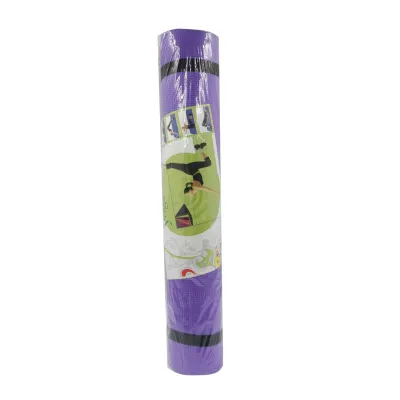
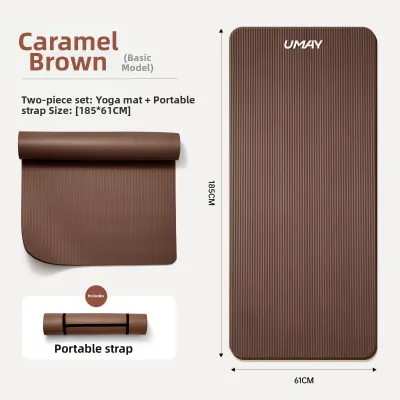
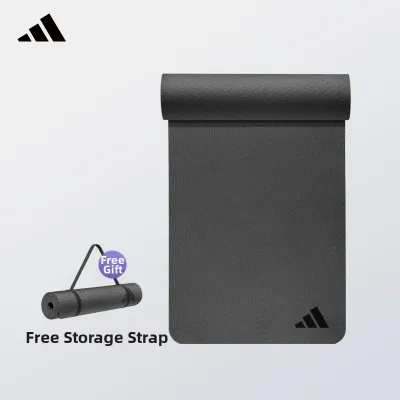
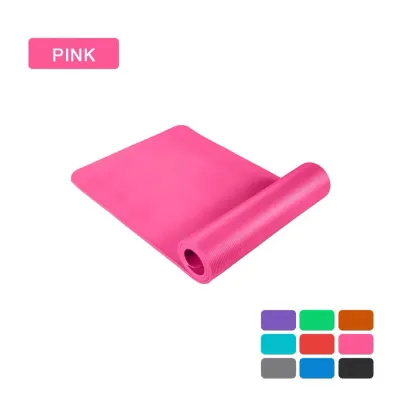
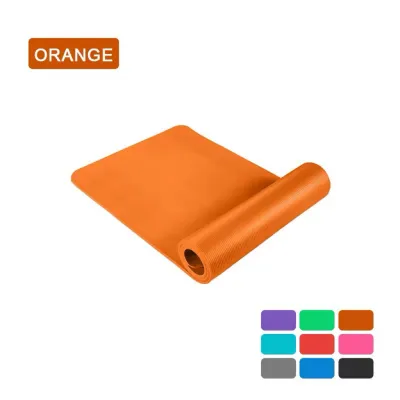
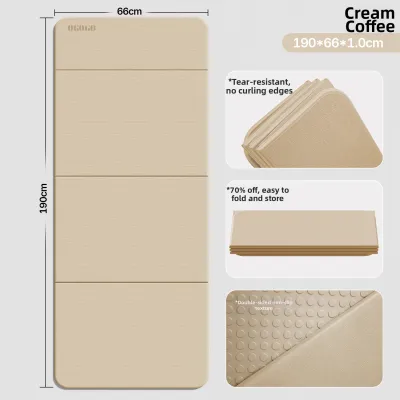
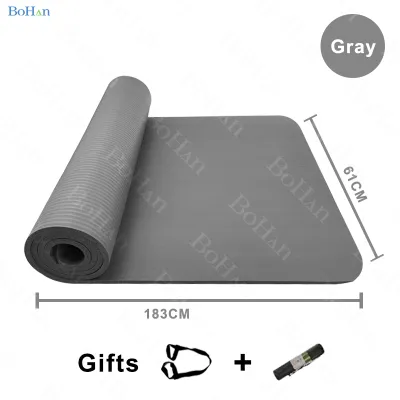
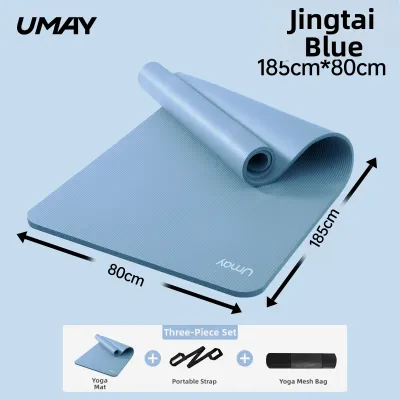
Prices are valid at publication and may change. Please refer to the product page for the latest price.
Understanding Grip: How Sweat Affects a Non Slip Yoga Mat for Workout Sessions
To choose the right mat, it is essential to distinguish between dry grip and wet grip. Dry grip refers to the initial traction a mat provides when your hands and feet are completely dry. Most mats, even budget-friendly options, offer sufficient dry grip for slow, low-intensity stretching. Wet grip, however, is the mat’s ability to maintain friction once sweat, humidity, and rapid movement are introduced.
During dynamic workouts, sweat acts as a lubricant. On a closed-cell surface, moisture cannot penetrate the material; instead, it pools on top, creating a thin barrier between your skin and the mat. This lack of drainage results in hydroplaning, where your hands and feet slide under horizontal force. In contrast, open-cell materials feature microscopic pores that pull moisture away from the surface, keeping the contact point dry and maintaining high friction.
When shopping for a mat, always inspect the manufacturer’s specifications for terms like “open-cell” or “closed-cell.” Open-cell designs excel at direct wet grip but require more diligent cleaning because they absorb sweat. Closed-cell designs repel moisture entirely, making them easier to sanitize but highly reliant on surface textures, alignment ridges, or a microfiber towel to prevent slipping. Checking these labels beforehand ensures you select a mat engineered for your specific sweat level.
Material Breakdown: Choosing a Non Slip Yoga Mat for Workout Grip
Different polymer compositions dictate how a mat behaves under physical stress and moisture. Understanding these differences helps prevent purchasing a mat that fails during demanding routines.

Natural Rubber
Natural rubber mats are widely regarded as the gold standard for high-traction workouts. Harvested from rubber trees, this material possesses an inherent tackiness that provides exceptional dry grip right from the start of your workout. Because most high-performance natural rubber mats utilize an open-cell construction, they rapidly draw sweat away from the surface, ensuring your hands and feet remain anchored even during intense, humid sessions. The material acts almost like a dense sponge, pulling moisture into its microscopic pores so that no liquid pools under your hands during transitions.
Despite its superior grip, natural rubber has distinct physical and environmental limitations that you must verify before purchasing. It is a dense, heavy material, often weighing between 2.5 to 3.5 kilograms, which can make commuting to local studios inconvenient. Additionally, because it is an organic material, it degrades more quickly than synthetic polymers. Exposure to direct sunlight, extreme tropical heat, and natural body oils will dry out the rubber, causing it to crack, flake, and lose its grip over time. In the humid climate of the Philippines, natural rubber mats also require longer drying times in well-ventilated, shaded indoor spaces to prevent mold growth. Finally, anyone with a known latex allergy must strictly avoid natural rubber and check manufacturer labels for synthetic alternatives.
PVC (Polyvinyl Chloride)
Polyvinyl Chloride, or PVC, is a highly durable synthetic plastic used to manufacture many traditional yoga mats. Because PVC is a closed-cell material, it does not absorb moisture, sweat, or bacteria. This makes it incredibly long-lasting, resistant to tearing, and exceptionally easy to wipe clean after a grueling workout. For studio owners, outdoor practitioners, or those who exercise on dusty surfaces, PVC mats offer unmatched resilience against environmental wear and tear.
However, the closed-cell nature of PVC means that sweat pools on the surface, making standard PVC mats highly slippery during high-intensity workouts. To counteract this, premium PVC mats—which often represent a significant financial investment, sometimes costing upwards of ₱4,000 to ₱6,000—are designed with deep surface textures, cross-hatch patterns, or physical alignment ridges to mechanically trap your hands and feet. Furthermore, new PVC mats often feature a thin manufacturing film that must be “broken in” through regular use or a light scrub with coarse salt. If you sweat heavily, you will almost certainly need to pair a PVC mat with a specialized microfiber yoga towel. The towel absorbs the moisture and grips the textured PVC surface, providing a stable platform for dynamic movements.
TPE (Thermoplastic Elastomer)
Thermoplastic Elastomer (TPE) is a synthetic blend of plastic and rubber polymers that serves as a lightweight, mid-range alternative to both PVC and natural rubber. TPE mats are typically closed-cell, meaning they do not absorb sweat or odors, and they are generally easier to recycle at the end of their lifespan compared to traditional PVC. Because they are lightweight, they are highly portable and convenient for daily commuting, making them a popular choice for urban fitness enthusiasts who travel between home, work, and the gym.
The grip performance of TPE varies significantly depending on the manufacturer’s specific polymer blend and surface embossing. While many TPE mats feature textured, non-slip patterns that provide excellent dry grip, their performance under heavy sweat can be inconsistent. In high-humidity environments, a standard TPE mat may lose its traction once a moisture barrier forms. Additionally, under the intense shear forces of rapid movements like mountain climbers or burpees, TPE mats can stretch or slide on smooth tiled floors, which are common in many Philippine homes. Before purchasing a TPE mat for high-intensity training, verify the depth of its textured pattern and read user feedback specifically regarding wet traction.
NBR (Nitrile Butadiene Rubber)
Nitrile Butadiene Rubber (NBR) is a synthetic rubber commonly used to make thick, highly cushioned fitness mats, often ranging from 10mm to 15mm in thickness. These mats are designed primarily to protect joints during floor-based exercises, Pilates, and physical therapy sessions. NBR is a closed-cell material that provides excellent impact absorption and is highly affordable, often priced under ₱1,000, making it a popular entry-level option for home gym setups.
Despite its comfort, NBR is generally unsuitable for standing, dynamic, or high-intensity yoga flows. The smooth, closed-cell surface of NBR becomes extremely slippery when wet, and the material lacks the structural density required for balance. When performing standing poses or rapid lateral movements, the thick foam compresses and stretches, which can compromise your ankle stability and increase the risk of joint strain. Your hands and feet sink deeply into the cushion, removing the stable connection to the subfloor and forcing your stabilizing muscles to overwork. Unless you plan to use a full-coverage microfiber towel and restrict your movements to low-impact floor work, NBR should not be your primary choice for high-intensity workouts.
Feature Comparison Matrix for Workout Mats
To help you compare your options at a glance, the table below outlines how these four primary materials perform across key workout dimensions. When evaluating these metrics, consider your personal sweat levels, where you typically exercise, and how much weight you are willing to carry.
| Material | Wet Grip Potential | Dry Grip | Weight | Durability | Best Workout Type |
|---|---|---|---|---|---|
| Natural Rubber | Excellent (absorbs moisture) | Excellent | Heavy | Moderate (degrades in sun) | Hot Yoga, Vinyasa, HIIT |
| PVC | Poor (requires towel) | Moderate to Good | Moderate to Heavy | Exceptional | Studio Yoga, General Fitness |
| TPE | Moderate (varies by texture) | Good | Lightweight | Moderate | Moderate Flow, Travel Yoga |
| NBR | Poor (highly slippery) | Moderate | Lightweight | Moderate | Pilates, Floor Work, Stretching |
Understanding these trade-offs is crucial because no single material excels in every category. For example, while natural rubber offers the most reliable wet grip, its heavy weight and moderate durability under sunlight make it less practical for outdoor workouts in tropical climates. Conversely, PVC is virtually indestructible and highly resistant to environmental factors, but it requires a secondary accessory like a microfiber towel to match the wet grip of natural rubber. TPE offers a balanced, lightweight compromise for moderate workouts, while NBR should be reserved strictly for low-impact, floor-focused routines where joint cushioning is prioritized over standing traction.
Decision Framework: Matching Material to Your Workout Style
Choosing the right mat material is a highly personal decision that depends on your physical routine, environment, and body chemistry. To simplify your decision, use the following framework to identify which material aligns with your specific training needs.
Choose Natural Rubber if:
- Your routine is highly dynamic: You practice fast-paced flows like Ashtanga or Vinyasa, or participate in high-intensity interval training (HIIT) on your mat.
- You sweat heavily: You prefer a surface that naturally absorbs moisture and increases its tackiness without requiring a separate yoga towel.
- You prioritize grip over portability: You do not mind carrying a heavier mat (typically 2.5 to 3.5 kg) to your studio or home workout space.
- You have no latex sensitivities: You can safely practice on natural organic rubber without experiencing skin irritation or allergic reactions.
Choose PVC if:
- You want long-term durability: You are looking for a heavy-duty mat that can withstand years of intense daily use without tearing, flaking, or wearing down.
- You prioritize hygiene: You prefer a closed-cell surface that does not absorb sweat, oils, or bacteria, making it exceptionally easy to sanitize.
- You use a yoga towel: You are comfortable placing a microfiber towel over your mat to manage moisture during sweaty sessions.
- You practice in varied environments: You need a stable, resilient surface that performs consistently indoors, outdoors, or on dusty floors.
Choose TPE if:
- You need a travel-friendly option: You require a lightweight, highly portable mat for commuting, outdoor sessions, or traveling.
- You prefer eco-conscious synthetics: You want a recyclable, non-toxic alternative to traditional PVC that is free of heavy metals.
- Your sweat levels are moderate: You primarily engage in moderate-intensity workouts where moisture buildup is manageable.
- You are on a budget: You are looking for a balanced, affordable mat (typically ranging from ₱1,000 to ₱2,500) with reliable dry traction.
Choose NBR if:
- Your workouts are floor-based: Your routine consists almost entirely of Pilates, core conditioning, stretching, or physical therapy.
- You require maximum joint cushioning: You have sensitive knees, hips, or wrists that need a thick, soft foam barrier (10mm to 15mm) for comfort.
- You do not perform standing balance poses: Your routine does not involve rapid lateral movements or standing postures that require ankle stability.
Verify first if:
- You have specific allergies: Always check the manufacturer's material safety sheet if you have sensitive skin or known chemical allergies.
- You have joint issues: Ensure the thickness of your chosen mat provides adequate support without compromising your stability during standing poses.
- You are buying a proprietary blend: Some premium brands combine polyurethane (PU) with natural rubber or PVC to create unique grip surfaces; always verify their specific care and usage instructions.
Preserving Grip: Cleaning and Maintenance for Active Users
Regardless of the material you choose, sweat, body oils, lotions, and environmental dust will eventually build up on the surface of your mat. This accumulation creates a microscopic, slick film that severely compromises traction, turning even the grippiest natural rubber mat into a slipping hazard. Regular, proper maintenance is essential to preserve the non-slip properties of your equipment and extend its lifespan.
For daily maintenance, wipe your mat down after every workout using a soft cloth dampened with clean water and a highly diluted, mild dish soap. Avoid using harsh chemical cleaners, bleach, or essential oils, as these can break down synthetic polymers and degrade the natural fibers of organic rubber. Never submerge your mat in water or place it in a washing machine unless the manufacturer’s care label explicitly states that it is safe to do so. For open-cell mats like natural rubber, avoid using excess water, as the material will absorb the moisture, leading to prolonged drying times and potential bacterial growth.
Drying your mat correctly is just as important as cleaning it. Always hang your mat to air dry in a well-ventilated, shaded area. This is especially critical in tropical climates like the Philippines, where the temptation to dry gear in the direct sun is high. Direct sunlight emits ultraviolet (UV) rays that rapidly oxidize natural rubber, causing it to become brittle, crumbly, and permanently slick. For synthetic mats like PVC and TPE, extreme heat can warp the material, melt the adhesive layers, or flatten the textured surface patterns that provide mechanical grip. Always verify the manufacturer’s care instructions before applying any homemade or commercial cleaning solutions to ensure you do not inadvertently void the warranty or damage the traction surface.
Frequently Asked Questions (FAQ)
How do I stop my hands from slipping on my yoga mat?
To prevent your hands from slipping during a dynamic workout, place a specialized microfiber yoga towel over the top portion of your mat to absorb sweat. Ensure your hands and feet are completely free of heavy lotions, moisturizers, or body oils before you begin your practice, as these substances create a slick barrier on any material. You can also lightly mist your hands with water to activate the grip on certain open-cell mats, or use a dedicated mat grip spray designed to increase surface friction on closed-cell materials.
Is a thicker yoga mat better for grip?
No, a mat’s thickness has no direct relationship with its surface grip. Thickness is designed to provide joint cushioning and impact absorption, whereas grip is determined by the material’s surface texture and whether it has an open-cell or closed-cell structure. In fact, excessively thick mats, such as 10mm to 15mm NBR mats, can compress under your weight, making standing balance poses unstable and increasing the risk of slipping due to a lack of firm floor feedback. For dynamic workouts, a thinner (3mm to 5mm), high-density mat is preferable.
Can I use a regular fitness mat for hot yoga or intense flows?
Using a standard fitness mat for hot yoga or intense flows is generally not recommended. Most general fitness mats are made of smooth, thick, closed-cell foam that becomes highly slippery once sweat begins to pool on the surface. They also lack the dense structural support and tensile strength needed for standing yoga postures, often stretching or tearing under dynamic lateral forces. If you must use a standard fitness mat, always overlay it with a high-quality, non-slip microfiber yoga towel to absorb moisture and provide the necessary traction.
Community discussion
Share your experience or ask a question. Comments are reviewed before publication.