
To find a truly reliable nonslip yoga mat, you must first look past the marketing claims and focus entirely on the material. There is no single “best” material for every yogi because grip is highly dynamic. The right level of traction depends heavily on whether your hands and feet are dry or sweaty during practice.
For active, high-intensity, or hot practices where moisture is guaranteed, natural rubber and cork stand out as the top choices because they maintain or even improve their grip when wet. Conversely, for slower, low-sweat practices where dry traction is the priority, thermoplastic elastomer (TPE) and polyvinyl chloride (PVC) offer excellent, reliable grip right from the start.
In a tropical climate like the Philippines, where high humidity and warm temperatures naturally increase sweat production, understanding these material differences is crucial. A mat that feels perfectly sticky in an air-conditioned showroom can quickly become a dangerous slip-and-slide once you begin a vigorous flow in a humid room.
Products mentioned in this guide
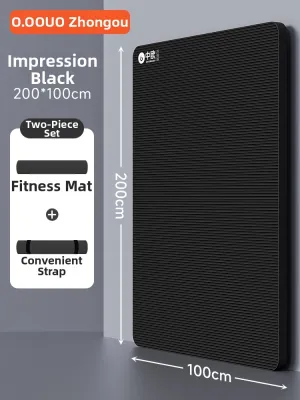
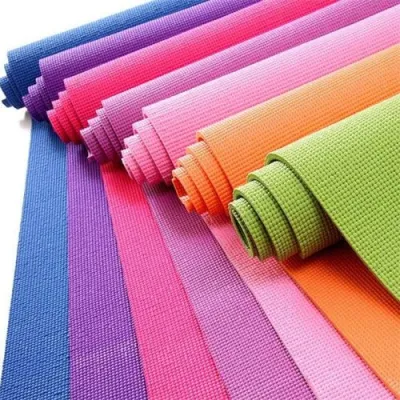
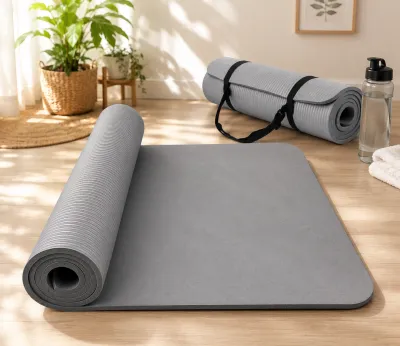
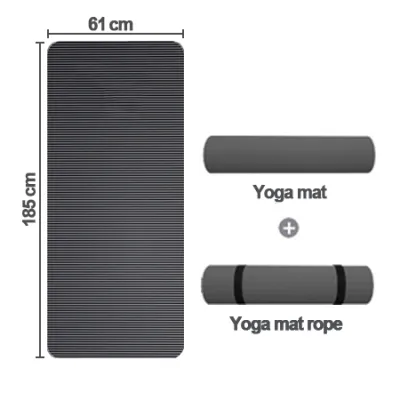
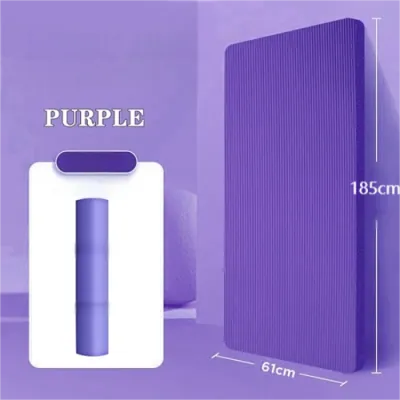
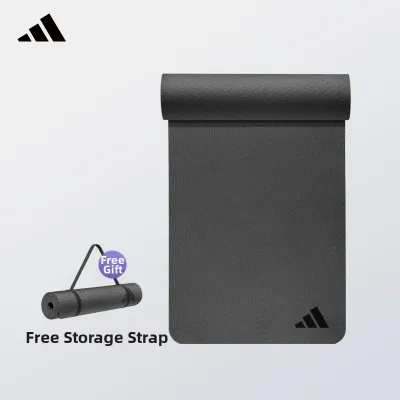
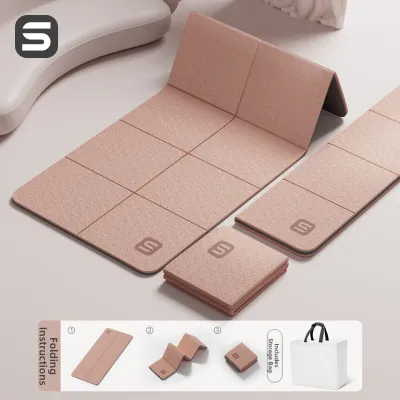
Prices are valid at publication and may change. Please refer to the product page for the latest price.
Why Grip Depends on Your Practice Style and Sweat Level
Grip is not a static property; it is a physical interaction between your skin, the mat’s surface texture, and moisture. To choose the right mat, you must distinguish between “dry grip” and “wet grip.” Dry grip refers to the initial traction you feel when your hands and feet are completely dry. This is the sticky sensation that holds you in place during a gentle warm-up. Wet grip, on the other hand, is the mat’s ability to maintain traction when sweat or ambient humidity introduces moisture to the equation.
Different yoga styles place vastly different demands on these two types of grip. Slower, meditative styles like Yin, Restorative, or gentle Hatha yoga do not typically generate much sweat. For these practices, a mat with exceptional dry grip is ideal. It provides a stable foundation and comfortable cushioning without requiring any moisture to “activate” its traction.
Active styles like Vinyasa, Ashtanga, or Hot Yoga present a completely different challenge. As you move dynamically through poses, your body generates heat and sweat. In the Philippines’ naturally warm and humid environment, this moisture can pool rapidly on the surface of certain mats. If your mat cannot handle this moisture, your hands and feet will lose connection with the surface, forcing your muscles to overcompensate to avoid sliding. This not only disrupts your focus but also increases the risk of joint strain or muscle pulls.
Therefore, a mat that feels incredibly sticky when dry might become highly slippery the moment you start to sweat. Understanding how different materials manage moisture—either by absorbing it or repelling it—is the key to finding a mat that supports your specific style of practice.
Comparing Nonslip Yoga Mat Materials: Rubber, TPE, PVC, and Cork
To help you navigate the options, let us break down the four most common yoga mat materials. Each has a distinct physical structure that dictates how it behaves under dry and wet conditions, as well as unique trade-offs in terms of weight, durability, and maintenance.

Natural Rubber
Natural rubber is widely considered the gold standard for high-traction yoga mats due to its open-cell structure. Unlike synthetic materials, open-cell natural rubber contains microscopic pores that actively absorb small amounts of moisture. This means that as your hands sweat, the moisture is drawn into the mat rather than pooling on top, allowing your skin to maintain direct contact with the rubber surface. The result is an exceptional, reliable grip that performs beautifully in both dry and moderately wet conditions.
However, this high-performance material comes with several practical considerations. Natural rubber mats are significantly heavier than their synthetic counterparts, often weighing between 2.2 to 3.2 kilograms. This can make commuting to a local studio in Manila or carrying your mat on public transportation a physical chore. Additionally, because natural rubber is harvested from rubber trees, it contains latex; individuals with latex allergies must avoid this material entirely.
Maintaining a natural rubber mat also requires deliberate care. The open-cell structure that makes it so grippy also makes it susceptible to clogging. Over time, body oils, lotions, and environmental dust can fill the microscopic pores, gradually reducing the mat’s nonslip performance. Regular, gentle cleaning is required to keep the pores clear, and the material must be kept out of direct tropical sunlight, as UV rays will cause natural rubber to degrade, dry out, and crumble.
TPE (Thermoplastic Elastomer)
Thermoplastic Elastomer, commonly known as TPE, is a lightweight, synthetic material that has become a popular middle-ground option for modern yogis. TPE mats are typically closed-cell, meaning they do not absorb moisture or sweat. Instead, they rely on engineered surface textures—such as raised patterns, ridges, or pebbled surfaces—to provide traction. When dry, TPE offers an incredibly secure and comfortable grip that feels soft and slightly bouncy under the hands and feet.
Because TPE is closed-cell, it is highly hygienic and easy to clean, as sweat and bacteria cannot penetrate the interior of the mat. It is also exceptionally lightweight, usually weighing under 1 kilogram, making it the perfect companion for practitioners who travel frequently or commute to outdoor sessions. Furthermore, TPE is generally more eco-friendly and recyclable than traditional PVC, making it an appealing choice for environmentally conscious yogis.
The primary limitation of TPE is its performance under heavy sweat. Because the material repels water, intense sweating will cause moisture to pool on the surface. Unless the mat features exceptionally deep, specialized texturing, this pooling can quickly compromise your grip, turning the surface slippery. For this reason, TPE is best suited for low-to-moderate sweat practices, gentle home sessions, or air-conditioned studio environments.
PVC (Polyvinyl Chloride)
Polyvinyl Chloride, or PVC, is the traditional material used to make classic yoga mats. It is renowned for its unmatched durability and excellent dry grip. A high-quality PVC mat can literally last a lifetime without stretching, tearing, or flaking, even with daily use. Like TPE, PVC is a closed-cell material, meaning it repels moisture completely. This makes it incredibly easy to sanitize, as sweat, dirt, and oils remain on the surface where they can be easily wiped away.
The closed-cell nature of PVC, however, is its greatest drawback when it comes to wet grip. During a sweaty Vinyasa flow or a hot yoga session, sweat has nowhere to go. It forms a thin, slick barrier between your skin and the mat, which can lead to dangerous slipping. While some premium PVC mats feature specialized surface textures or proprietary coatings designed to mitigate this issue, standard PVC remains highly susceptible to wet-surface slippage.
It is also important to note that brand-new PVC mats often arrive with a thin, slippery film left over from the manufacturing process. This film must be broken in before the mat reaches its optimal dry grip. This breaking-in process can take several weeks of regular use, or can be accelerated with a gentle cleaning routine. While PVC offers incredible longevity and superb dry traction, it is rarely the best choice for high-sweat practices unless paired with a specialized yoga towel.
Cork
Cork yoga mats offer a unique, natural alternative that flips the traditional rules of grip on their head. Made from the bark of cork oak trees, these mats feature a smooth, naturally antimicrobial surface backed by a layer of natural rubber or TPE for stability. What makes cork truly exceptional is its relationship with moisture: its grip actually improves as it gets wet. Cork contains a natural, waxy substance called suberin, which becomes grippier and more high-traction when exposed to moisture or sweat.
For hot yoga enthusiasts or those practicing in the humid, tropical climate of the Philippines, cork is a revelation. Instead of slipping as you sweat, you will find your hands and feet locking more securely into place. If you practice in a dry environment or have naturally dry hands, you may actually find a cork mat feels slightly slippery at the beginning of your practice. Many cork mat users keep a small spray bottle handy to lightly mist the hands-and-feet areas of the mat before they begin, instantly activating the nonslip properties.
In terms of feel, cork is naturally firm and offers excellent stability for balancing poses like tree pose or warrior III, as it does not compress easily. However, this means it provides less plush cushioning for sensitive joints compared to thick TPE or rubber mats. It is also relatively heavy and must be rolled with the cork side facing outward to prevent the natural wood surface from cracking over time.
How to Match Your Yoga Mat Material to Your Practice
Choosing the right material requires balancing your personal sweat levels, your preferred style of yoga, and your daily lifestyle. To make the best decision, consider how and where you practice most often.
If your practice consists of Hot Yoga, Power Vinyasa, or Ashtanga—or if you regularly practice outdoors in warm, humid conditions—your primary challenge is managing sweat. For these styles, natural rubber or cork are the clear winners. Natural rubber will absorb moderate sweat to maintain a reliable, tacky grip, while cork will actively grip tighter as your sweat levels rise. If you choose natural rubber, be prepared for a heavier mat that requires careful cleaning; if you choose cork, appreciate the firm, stable surface and the ease of a quick wipe-down.
If you prefer Yin, Restorative, Iyengar, or gentle Hatha yoga—especially in an air-conditioned room—you do not need to worry about heavy sweat. Instead, you want immediate, reliable dry grip and comfortable joint support. For these styles, TPE or a high-quality textured PVC mat are excellent choices. They offer fantastic dry traction right from the very first pose, provide comfortable cushioning for long-held floor poses, and are highly durable.
Do not overlook the practicalities of transport and budget. If you commute to a studio in a busy metropolitan area, a lightweight TPE mat (typically costing between ₱800 and ₱2,000) is highly portable and won’t strain your shoulders. If you practice primarily at home and view your mat as a long-term investment in your wellness, a premium natural rubber mat (ranging from ₱3,500 to ₱6,000+) offers unmatched performance and a grounded, premium feel that justifies its weight and cost.
How to Maintain the Nonslip Grip of Your Yoga Mat
Once you have invested in a high-quality mat, proper maintenance is essential to preserve its nonslip properties. Over time, body oils, sweat, moisturizers, and floor dust accumulate on the surface. On closed-cell mats (like TPE and PVC), this creates a slick, greasy film. On open-cell mats (like natural rubber and cork), these contaminants clog the microscopic pores, slowly degrading the traction.
To maintain your grip, establish a simple cleaning routine. After every practice, wipe down the surface with a soft microfiber cloth dampened with clean water. For a deeper clean, use a mild, highly diluted solution of water and a few drops of gentle dish soap, or a specialized cleaner recommended by your mat’s manufacturer. Always check the manufacturer’s care label before applying any cleaning solution, as some materials are highly sensitive to specific ingredients.
Never use harsh chemical household cleaners, bleach, or heavy essential oils on your mat. While essential oils might make your mat smell pleasant, the oil molecules will clog the open cells of rubber and cork, permanently ruining their grip and leaving a slippery residue. Similarly, avoid machine washing or submerging your mat in water unless the manufacturer explicitly states it is safe to do so, as saturated mats can take days to dry and may suffer structural damage.
Finally, always allow your mat to air dry completely before rolling it up. Hang it over a drying rack or a door in a well-ventilated, shaded area. Crucially, keep natural rubber and TPE mats out of direct tropical sunlight. High UV exposure will rapidly degrade natural rubber, causing it to oxidize, lose its grip, and crumble, while extreme heat can warp or melt TPE.
Frequently Asked Questions (FAQ)
Why does my yoga mat slip when I sweat?
This slipping occurs because closed-cell materials, such as standard PVC or TPE, are completely non-porous and water-resistant. When you sweat, the moisture cannot penetrate the mat’s surface, causing it to pool and form a microscopic liquid barrier between your skin and the mat. To prevent this, you can place a specialized microfiber yoga towel over your mat to absorb the sweat, or transition to an open-cell mat material like natural rubber or cork, which actively manages moisture to maintain traction.
Is a thicker yoga mat better for grip?
No, mat thickness has no direct impact on surface traction. Thickness is designed to provide cushioning and joint support for your knees, elbows, and spine. While a thicker mat (typically 6mm or more) offers excellent comfort, it can actually reduce your overall stability during standing or balancing poses by creating a soft, compressible surface. The actual nonslip performance of a mat is determined entirely by its surface material, open- or closed-cell structure, and molded texture.
How do I break in a new natural rubber or PVC yoga mat?
Many brand-new mats feature a thin, slippery residue left over from the manufacturing process or protective packaging. To break in a PVC mat and unlock its optimal grip, you can wipe it down with a damp cloth and a mild soap solution, or gently scrub the surface with a soft-bristled brush before letting it air dry. For a natural rubber mat, a simple wipe with a damp cloth and regular, consistent practice will naturally wear away any initial film and open up the material’s pores. Always consult your specific mat’s care instructions before applying any cleaning or breaking-in methods.
Community discussion
Share your experience or ask a question. Comments are reviewed before publication.