
Glitter roller skates have captured the imagination of skaters everywhere, lighting up social media feeds and local rinks with their dazzling, retro-inspired aesthetics. In the Philippines, where roller skating has seen a massive resurgence in public parks, barangay courts, and indoor rinks, the visual appeal of a sparkling boot is undeniable. However, selecting a pair of skates based solely on how they shimmer under the lights is a common and potentially hazardous mistake.
A roller skate is not merely a fashion accessory; it is a piece of athletic equipment designed to support your body weight, manage high-velocity motion, and protect your joints from repetitive impact. Choosing low-quality “fashion skates” or “toy skates” that prioritize glitter over structural safety can lead to severe issues, including painful ankle rolls, structural component failures, and a frustratingly sluggish ride. To enjoy the sport safely and sustainably, you must ensure that any glitter skate you buy meets rigorous mechanical and material standards before you fall in love with its shine.
Evaluating the Glitter Finish: Embedded vs. Surface Coatings
When evaluating glitter roller skates, the manufacturing method used to apply the sparkle directly dictates the boot’s durability, maintenance needs, and long-term appearance. Generally, glitter finishes fall into two categories: surface-applied coatings and embedded materials. Surface-applied glitter is typically glued, painted, or sprayed onto the exterior of a pre-made boot and then covered with a thin, temporary sealant. While these skates are often budget-friendly, they are highly vulnerable to physical damage. The abrasive friction of a single fall, or even the natural flexing of the boot during cross-overs, can cause the outer layer to crack, peel, and flake off. This not only leaves unsightly dull patches on your boots but also litters the skating rink or outdoor path with plastic debris.
Products mentioned in this guide
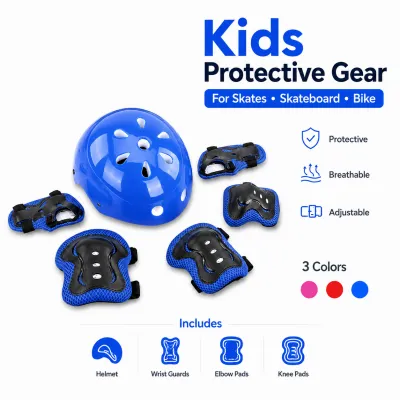
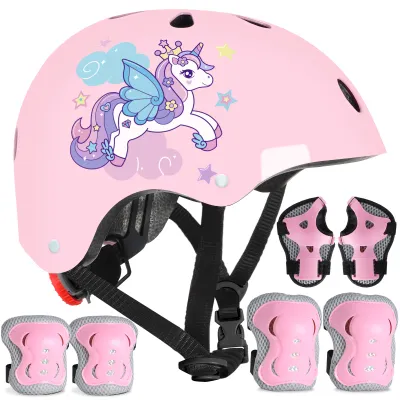
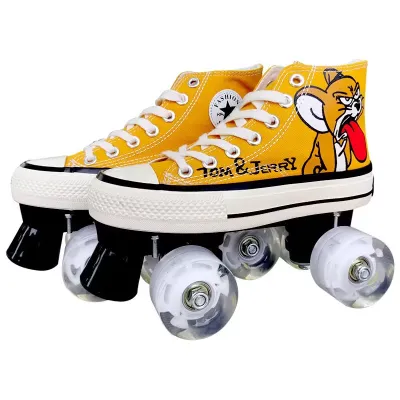
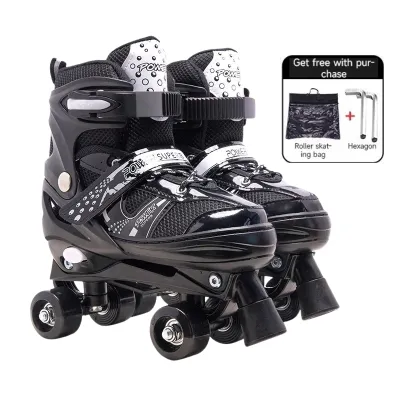
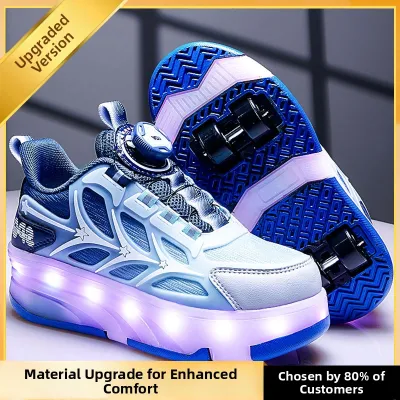
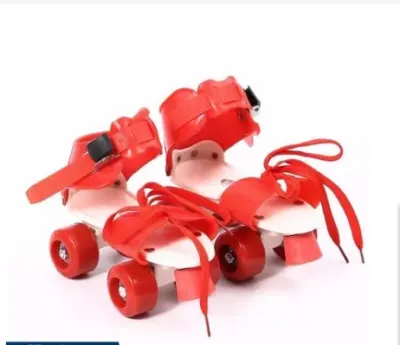
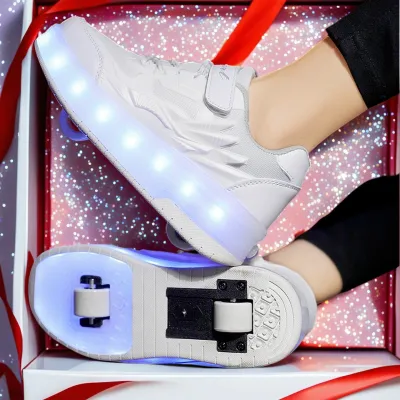
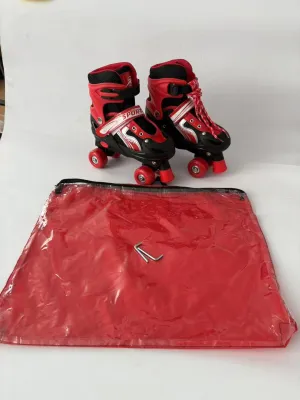
Prices are valid at publication and may change. Please refer to the product page for the latest price.
Conversely, embedded glitter is integrated directly into the raw materials—such as polyurethane, vinyl, or synthetic resin—during the molding and manufacturing process. The sparkling particles are suspended throughout the material matrix and protected by a thick, durable clear coat. When you inspect a skate, run your fingers over the boot surface. A high-quality embedded finish feels completely smooth to the touch, with no palpable grit or uneven texture. If you can feel the individual glitter flakes or if the surface feels like sandpaper, it is a surface coating that will likely degrade quickly. For skaters in tropical climates like the Philippines, where high humidity and intense sunlight can accelerate the breakdown of cheap adhesives, embedded glitter is highly recommended. It retains its brilliant luster even after sustaining deep scuffs, as the sparkle runs all the way through the material rather than sitting precariously on top.
Core Functional Specs to Verify Before Purchase
To ensure your safety and get the most value for your money, you must look past the upper boot’s design and scrutinize the mechanical components that actually interface with the ground.

Boots, Materials, and Ankle Support
The boot serves as the foundation of your control, translating the movements of your feet and ankles into directional force on the wheels. Most recreational glitter skates feature uppers made from synthetic leather, vinyl, or microfiber. Vinyl is highly water-resistant and holds bright, sparkling colors exceptionally well, but it tends to lack breathability. In the warm, humid climate of the Philippines, non-breathable boots can trap sweat, leading to discomfort, slipping inside the boot, and premature material degradation. Look for boots that feature moisture-wicking or breathable mesh linings to keep your feet dry and secure.
Ankle support is the single most critical safety factor of any skate boot. To test this, apply firm lateral pressure to the ankle cuff of the skate with your hands. The boot should resist collapsing sideways; if the upper folds easily under moderate hand pressure, it will fail to support your ankles during turns or sudden stops, increasing the risk of sprains or fractures. Furthermore, a high-quality boot must feature a deep, well-padded heel pocket. This design keeps your heel locked firmly in place, preventing your foot from lifting inside the skate, which is a primary cause of painful friction blisters and inefficient energy transfer.
Plates, Trucks, and Adjustability
Beneath the boot lies the plate (or chassis), which distributes your weight and houses the steering mechanisms. Beginner-friendly and casual glitter skates often utilize nylon or fiberglass composite plates. These materials are lightweight, highly flexible, and excellent at dampening road vibrations on rough outdoor concrete. However, you must verify that the nylon is of high quality and reinforced; cheap, unbranded plastic plates found on toy-grade skates can crack under stress, especially for heavier adult skaters or during high-impact maneuvers.
For advanced skaters, speed skaters, or those executing jumps, aluminum or magnesium plates are the gold standard. They offer unmatched durability, structural rigidity, and highly responsive power transfer, though they come at a higher price point and add weight. Regardless of plate material, inspect the trucks—the metal assemblies that hold the axles—and ensure they feature adjustable kingpins and polyurethane cushions (bushings). The cushions act as the suspension system of your skates; high-quality, replaceable cushions allow you to adjust how easily the skates turn by tightening or loosening the kingpin nut. Avoid skates with rigid, non-adjustable plastic trucks, as they severely limit maneuverability and cannot be tuned to your body weight or skating style.
Wheels, Bearings, and Surface Grip
Your wheels and bearings dictate how smoothly and fast you roll. Wheels are categorized by their durometer rating, which measures hardness. Softer wheels, ranging from 78A to 85A, are ideal for outdoor cruising on rough asphalt, barangay courts, or concrete park paths. They deform slightly over pebbles and cracks, absorbing shock and maintaining a reliable grip on uneven surfaces. Harder wheels, rated at 90A and above, are designed for smooth, indoor wooden rinks or polished concrete floors. They offer less rolling resistance, allowing for effortless slides, spins, and speed, but they will vibrate painfully and slip dangerously on outdoor terrain.
Inside the wheels sit the bearings, which are rated using scales like ABEC or ILQ. While many manufacturers use high ABEC ratings (such as ABEC-7 or ABEC-9) as a marketing tool to suggest high speed, these ratings actually measure manufacturing precision and tolerance. A high-quality, well-lubricated ABEC-5 bearing from a reputable skate brand will almost always outperform an unbranded, poorly sealed ABEC-9 bearing. Because the Philippines experiences heavy rainfall and high humidity, bearings must be checked regularly for rust and kept clean and dry. Fortunately, wheels and bearings are consumable, highly customizable parts. If you find a glitter boot that fits perfectly and has a robust plate, you can always upgrade the wheels and bearings later to match your developing skills.
Matching Glitter Skates to Your Primary Skating Style
Not all glitter skates are built for the same environments; matching your gear to your preferred skating venue is essential for both performance and equipment longevity.
Indoor Rink and Jam Skating
If your goal is to dance, spin, and cruise around smooth, indoor rink floors, you need a highly agile and responsive setup. Look for a glitter skate boot with a high ankle collar that fits snugly around your foot, providing precise edge control for intricate footwork. Pair this with a lightweight nylon or aircraft-grade aluminum plate to keep your feet feeling light during dance routines.
For indoor surfaces, opt for harder, narrower wheels (typically 90A to 98A). These wheels allow you to execute spins and transitions without getting “stuck” on the grippy floor. An added benefit of indoor skating is environmental protection: the clean, controlled rink floor shields your delicate glitter finish from the abrasive scrapes, dirt, and moisture that typically degrade surface-applied coatings outdoors.
Outdoor Cruising and Park Skating
Taking your glitter skates to the streets, public parks, or beach boardwalks requires a build focused on rugged durability and maximum shock absorption. For these environments, prioritize boots with fully embedded glitter or those protected by heavy-duty, automotive-grade clear coats. This ensures that flying pebbles, road debris, and occasional scrapes do not strip away your skate’s shine.
Outdoor setups demand soft, wide wheels (78A to 82A) with a generous footprint to roll safely over cracks, twigs, and rough pavement. The plate must be highly durable—either a premium, reinforced nylon plate or a sturdy aluminum plate—to withstand the constant, high-frequency vibrations of outdoor surfaces. Additionally, ensure the boot offers maximum ankle support to protect your joints from unexpected bumps or dips in the road.
Beginner and Casual Use
For those taking their very first steps on eight wheels, comfort and stability should take precedence over specialized performance features. Look for beginner-focused glitter skates that emphasize thick interior padding, soft brushed linings, and padded collars to prevent rubbing and blisters. A versatile, mid-range wheel hardness of around 82A to 85A is highly recommended, as it offers a balanced hybrid feel that can handle both smooth indoor paths and light outdoor concrete.
Beginners should look for reliable, entry-level plates with adjustable toe stops rather than fixed, non-adjustable bolt-on toe stops. This allows you to adjust the height of your brakes as they wear down. Avoid unbranded, ultra-cheap “toy” skates sold on generic online marketplaces; instead, invest in reputable entry-level brands (typically ranging from ₱5,000 to ₱9,000) that use standard mounting patterns. This ensures that as your skills grow, you can easily replace worn parts or upgrade your setup without needing to buy an entirely new pair of skates.
Sizing, Safety, and Pre-Ride Inspection Checklist
Finding the perfect glitter skate is only half the battle; ensuring a proper fit and maintaining your gear is vital for your physical safety. Never rely on your standard shoe size when buying roller skates, as sizing varies dramatically between manufacturers. Instead, place your foot flat on a piece of paper, trace it, and measure the length and width in millimeters. Compare these measurements directly against the manufacturer’s specific size chart. When you try on your skates, stand up in a bent-knee skating stance: your toes should gently brush the front of the boot without curling or feeling cramped. Your heel must remain locked in the back pocket when you walk or mimic a rolling motion.
Before you take your new skates out for a spin, remember that equipment cannot replace training, physical judgment, and proper protective gear. Budgeting for high-quality, certified safety gear is non-negotiable. Always wear a properly fitted helmet, wrist guards, knee pads, and elbow pads, especially when practicing on hard concrete or asphalt where falls are common.
Establish a strict pre-ride inspection routine before every single session. Use a skate tool to check that your axle nuts are secure but not so tight that they pinch the bearings; your wheels should spin freely for several seconds without making grinding or rattling noises. Check the tension of your trucks and ensure your toe stops are threaded tightly into the plate. If you ever feel a sudden wobble, hear unusual metallic clicking, or notice a structural component cracking, stop skating immediately. Do not attempt to ride on damaged gear; instead, consult the manufacturer’s care instructions or visit a professional skate technician to diagnose and resolve the issue.
Frequently Asked Questions (FAQ)
Can I add my own glitter to plain roller skates?
Yes, it is possible to customize plain skates using flexible, fabric-safe adhesives and fine glitter, but you must proceed with caution. Applying any aftermarket sealants, paints, or glues will almost certainly void the manufacturer’s warranty on your boots. If you choose to DIY, you must keep all adhesives entirely away from the mechanical components of the skate. Never allow glue or glitter to get near the wheel bearings, truck pivot cups, kingpins, or mounting hardware. Debris in these areas can cause the bearings to seize or the trucks to lock up, leading to catastrophic mechanical failure and severe falls.
How do I clean glitter roller skates without ruining the finish?
To preserve the shine of your glitter skates, always use gentle, non-abrasive cleaning methods. After a dusty outdoor session or a sweaty rink run, wipe down the exterior of the boots using a soft, damp microfiber cloth and a small amount of mild, diluted dish soap. Avoid using harsh chemical solvents, alcohol-based cleaners, or abrasive scrubbing pads, as these can dissolve the adhesives holding surface glitter or cloud the clear coat protecting embedded finishes. Never submerge your skates in water or use high-pressure washers, which can ruin the boot materials and cause the steel bearings and metal plates to rust rapidly.
Community discussion
Share your experience or ask a question. Comments are reviewed before publication.