
Choosing the right basketball depends heavily on where you play and how you handle the ball. The BG4000 is a premium polyurethane (PU) composite leather basketball distinguished by its signature 12-panel construction. Engineered to deliver a consistent grip, reliable moisture management, and a true flight path, this ball is designed primarily for indoor hardwood or high-quality synthetic courts. While it offers a tactile feel compared to budget rubber alternatives, its composite cover is not built to withstand the highly abrasive concrete surfaces common in many local neighborhood courts. If you are training for competitive leagues or looking to elevate your indoor practice, this model provides the performance characteristics required for high-level play.
Material and Cover: Grip, Feel, and Durability
The cover material of a basketball directly dictates how it handles during fast-paced play. The BG4000 utilizes a premium PU composite leather cover, which acts as a middle ground between the elite, soft feel of genuine leather and the highly durable but rigid nature of rubber. This synthetic blend is designed to offer an immediate, game-ready feel without requiring the extensive break-in period that genuine leather balls demand.
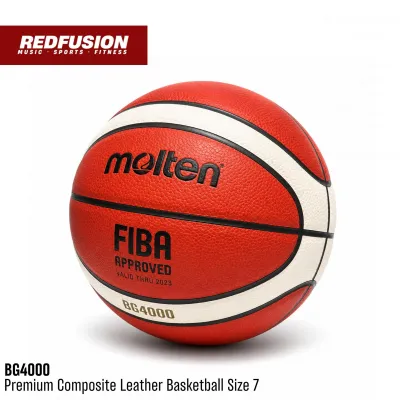
The outer surface features a distinct pebbled texture that maximizes friction between your fingers and the ball. This texture provides critical tactile feedback during complex ball-handling maneuvers, giving you greater control when crossover dribbling or executing precise passes.
Products mentioned in this guide
Prices are valid at publication and may change. Please refer to the product page for the latest price.
In tropical climates like the Philippines, high humidity and intense sweat can quickly turn a basketball slippery. The composite material of this model is engineered with moderate moisture-absorbing properties. By drawing sweat away from the surface during intense training sessions, the cover helps maintain a secure grip even when your hands are wet.
However, this tactile feel comes with a clear durability trade-off. While the PU cover can handle occasional light outdoor use on smooth, painted courts, regular play on rough, unpolished concrete will rapidly accelerate wear. The abrasive surface will grind down the pebbled texture, smoothing out the grip and compromising the ball’s handling characteristics much faster than it would on indoor hardwood. To ensure you are selecting the correct material variant for your target court, always verify the manufacturer’s specific surface recommendations on the product label or official store listing.
The 12-Panel Design: Flight and Bounce Consistency
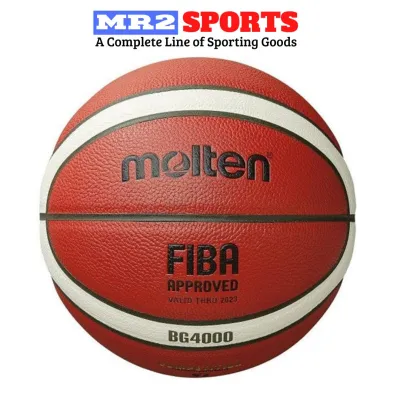
One of the most recognizable visual and structural elements of this model is its 12-panel design, which departs from the traditional 8-panel layout found on standard basketballs. This structural variation is not merely aesthetic; it plays a functional role in how the ball behaves on the court.

From a geometric standpoint, increasing the number of panels creates more seams across the ball’s surface. These narrower, more frequent seams result in a more uniform outer surface area. When dribbling, this uniformity helps ensure that the ball bounces consistently off the floor, minimizing unexpected deflections. When shooting, the additional seams provide more contact points for your fingertips, allowing for a cleaner release and more stable aerodynamics as the ball travels through the air.
The visual layout of the 12-panel configuration also serves a practical purpose for both players and coaches. The contrast between the panel colors and the distinct seam lines makes it much easier to track the ball’s rotation in real time. This high visibility allows shooters to immediately assess their backspin and enables coaches to analyze a player’s shooting form from a distance.
While the 12-panel geometry inherently promotes a more predictable flight and bounce, your actual on-court experience is still heavily dependent on external factors. Maintaining the correct inflation pressure and regularly checking the ball for physical deformities are essential steps to preserve these performance characteristics over time.
Size, Weight, and Certifications: Meeting Official Standards
When selecting a basketball for serious training, matching the physical specifications to the player’s demographic is crucial for developing proper shooting mechanics. The BG4000 is typically available in standard sizes to accommodate different age groups and genders:
- Size 7: Designed for male players aged 15 and older, featuring standard official dimensions and weight.
- Size 6: Tailored for female players aged 12 and older, as well as male youth players aged 12 to 14, offering a slightly smaller circumference and lighter weight for better control.
To ensure these balls perform reliably under competitive conditions, they often carry official competition certifications, such as the FIBA Approved or FIBA Quality marks. These certifications indicate that the ball has passed rigorous testing for weight tolerances, roundness, rebound height, and pressure retention.
Practicing with a certified basketball ensures that your training closely mirrors the conditions of official tournament games. To guarantee authenticity and verify the exact numerical thresholds, check the printed certification logos and recommended inflation pressure stamped directly on the ball’s surface or detailed in the manufacturer’s official documentation.
Who Should Choose the BG4000? (Matching Skill and Court)
The BG4000 is best suited for intermediate to advanced players, school varsity teams, and competitive club players who spend the majority of their court time indoors. If your training sessions take place on polished hardwood, indoor taraflex, or well-maintained smooth synthetic courts, the specifications of this ball will deliver excellent performance, offering tactile feedback and reliable moisture control during long games.
The primary decision trade-off revolves around your playing environment. If you primarily play on outdoor concrete barangay courts or rough asphalt, investing in a premium PU composite ball may lead to premature wear and a short lifespan. In those rugged settings, opting for a dedicated outdoor rubber ball or a heavy-duty, wear-resistant outdoor composite model is a much more cost-effective choice that preserves your high-end equipment for indoor use.
Frequently Asked Questions (FAQ)
How does the BG4000 compare to the BG5000 for outdoor courts?
The primary difference lies in the cover material. The BG5000 is a top-tier model featuring a genuine leather cover designed exclusively for indoor hardwood courts, requiring a break-in period before it reaches optimal softness. In contrast, the BG4000 uses a PU composite cover that offers excellent out-of-the-box playability and better moisture resistance. However, neither ball is designed to withstand rough outdoor concrete; using either model on abrasive surfaces will quickly ruin the cover. For outdoor play, a dedicated rubber ball is highly recommended.
What is the best way to maintain the grip of a PU basketball in humid weather?
To preserve the grip of your PU composite basketball in hot and humid conditions, wipe the ball down with a clean, dry, or slightly damp microfiber cloth after every session to remove sweat, dirt, and oils. Avoid using harsh chemical detergents, solvents, or submerging the ball in water, as these can degrade the synthetic leather. Always store the ball in a cool, dry indoor environment away from direct sunlight and extreme heat to prevent the material from drying out, cracking, or losing its natural tackiness.
Community discussion
Share your experience or ask a question. Comments are reviewed before publication.