
Finding the right yoga mat is a highly personal decision, but when you require an extra-large surface, the physical dynamics of your choice change dramatically. A big yoga mat offers the freedom to flow without constantly adjusting your hands and feet to stay on the mat, making it an excellent investment for taller practitioners or those who simply enjoy a more spacious practice area. However, increasing the surface area of a mat exponentially increases its weight, bulk, and maintenance requirements, especially under humid tropical conditions.
There is no single combination of material and thickness that works perfectly for every practitioner. The ideal choice depends on your primary yoga style, joint sensitivity, and how often you plan to transport your mat. For dynamic, high-traction practices where stability is paramount, a 4mm to 5mm natural rubber mat provides the ultimate grip, though it is heavy. If portability and easy cleaning are your top priorities, a 5mm Thermoplastic Elastomer (TPE) mat offers a lightweight, moisture-resistant alternative. For high-sweat sessions or hot yoga, a 4mm cork-rubber hybrid mat delivers exceptional wet traction as the material naturally becomes grippier when wet.
When selecting the thickness for an oversized mat, a range of 4mm to 5mm represents the optimal balance for most practitioners. This thickness provides sufficient joint cushioning for floor poses while maintaining a firm, stable foundation for standing balances. Selecting an extra-large mat thicker than 6mm often results in an excessively heavy, bulky roll that is difficult to transport and can feel unstable or spongy during active standing poses.
Products mentioned in this guide
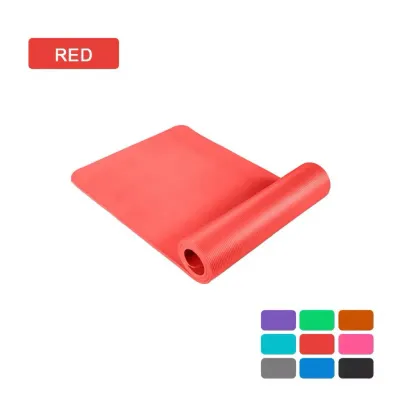
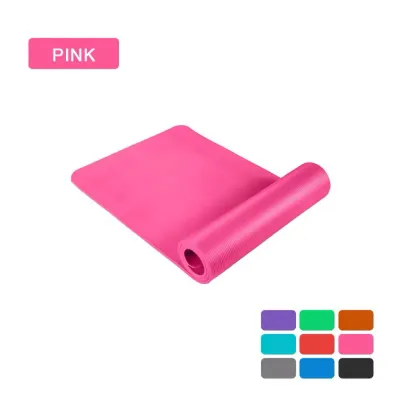
Prices are valid at publication and may change. Please refer to the product page for the latest price.
Why Extra-Large Sizes Change the Material and Thickness Rules
Standard yoga mats typically measure 68 inches long by 24 inches wide. In contrast, an extra-large or big yoga mat often exceeds 72 to 84 inches in length and 26 to 30 inches in width. While this added surface area provides a welcome boundary of personal space in a crowded studio, it significantly alters how the mat behaves physically. The increased footprint means that the material’s density and weight are amplified, turning what would be a moderately heavy standard mat into a cumbersome load.
This dramatic increase in surface area means that material density becomes a critical factor in your decision. A dense material like natural rubber becomes substantially heavier when scaled up to extra-large dimensions, sometimes weighing up to 5 kilograms. This weight can make commuting to a local studio or traveling with your mat highly impractical. Conversely, lightweight materials like TPE scale up much more manageably, but they may lack the grounded, heavy feel that keeps a mat from sliding on slick studio floors.
Thickness also interacts differently with a larger footprint. On a standard-sized mat, a thick 6mm cushion is relatively easy to roll and carry. On an extra-large mat, that same 6mm thickness creates a massive rolled cylinder that will not fit into standard yoga bags or storage lockers. Furthermore, a thick, oversized mat can create an unstable, spongy surface across a wider area, which compromises your alignment and balance during standing poses. Before purchasing, always check the manufacturer’s exact specifications for both weight and rolled dimensions, as the definition of “big” varies widely across different brands.
Comparing Materials for Big Yoga Mats
To find the best big yoga mat, you must first evaluate the physical properties of the primary materials available. Each material performs differently under pressure, temperature, and humidity, which directly impacts your practice.

TPE (Thermoplastic Elastomer)
Thermoplastic Elastomer, commonly known as TPE, is a synthetic blend of plastic and rubber polymers. It is highly valued in the yoga community for its closed-cell structure. Because the cells are sealed, moisture, sweat, and dirt cannot penetrate the surface of the mat. In humid tropical climates, this non-absorbent quality is a major advantage, as it prevents the mat from absorbing sweat and developing the musty, sour odors associated with mold and bacterial growth.
For an extra-large mat, the primary benefit of TPE is its incredibly low density. A large TPE mat is remarkably lightweight, often weighing less than half of what a natural rubber mat of the same size would weigh. This makes it highly portable and easy to carry on public transit, in a backpack, or during a long commute. Wiping down the closed-cell surface after practice is quick and straightforward, requiring only a damp cloth and mild soap.
However, TPE has distinct limitations that are amplified in larger sizes. Because it is lightweight, a TPE mat may slide slightly on very polished wooden floors during high-intensity transitions. It also offers less natural traction when wet; if you sweat heavily, your hands and feet may slip unless the mat features a deeply textured surface pattern. Over time, TPE is also less durable than natural rubber, showing signs of wear and compression sooner under heavy daily use.
Natural Rubber
Natural rubber is harvested from rubber trees and is widely considered the gold standard for high-performance yoga mats. It features an open-cell structure, meaning the material contains microscopic pores that absorb moisture. This structural design allows the mat to maintain an exceptional dry and wet grip, keeping your hands and feet firmly anchored during active flows like Vinyasa or Ashtanga, even when your skin is damp.
When applied to a big yoga mat, natural rubber provides an incredibly stable, grounded foundation. The mat lies completely flat almost instantly when unrolled, and its heavy weight prevents the corners from curling or the mat from sliding on the floor. This density also offers superior joint protection, absorbing impact effectively even at a moderate thickness of 4mm.
The major trade-off for this performance is weight and maintenance. An extra-large natural rubber mat is exceptionally heavy, making it best suited for a permanent home practice setup rather than daily travel. In humid environments, the open-cell structure requires diligent care; because it absorbs sweat and environmental oils, it must be cleaned regularly and dried completely to prevent odor. Additionally, natural rubber contains latex proteins, so individuals with latex sensitivities must verify the manufacturer’s processing methods before purchasing.
Cork and Hybrid Surfaces
Cork yoga mats typically feature a thin, natural cork top layer heat-bonded to a supportive base layer made of TPE or natural rubber. Cork contains a natural waxy substance called suberin, which is highly hydrophobic. Interestingly, instead of becoming slippery when wet, cork actually increases its grip as it absorbs small amounts of moisture. This unique property makes cork mats highly effective for high-humidity environments, hot yoga, or practitioners who sweat heavily.
In extra-large sizes, a cork-rubber hybrid offers a premium, natural aesthetic and excellent traction without requiring a separate yoga towel. The cork surface is naturally antimicrobial, resisting the growth of mold and mildew, which is highly beneficial in warm, humid climates. The hybrid construction allows you to enjoy the benefits of cork on top while relying on the stability and cushioning of a rubber or TPE base underneath.
However, the rigidity of cork presents challenges for oversized mats. Cork is less flexible than pure rubber or TPE, meaning an extra-large cork mat must be rolled loosely to prevent the surface layer from cracking or separating from the base over time. This loose roll results in a very bulky cylinder that requires careful storage and handling. To protect your investment, you must strictly follow the manufacturer’s rolling instructions, which almost always specify rolling the mat with the cork side facing outward.
Choosing the Right Thickness for Extra-Large Mats
Thickness is the primary factor determining how much cushioning your joints receive and how stable you will feel during your practice. For big yoga mats, finding the right thickness is a balancing act between physical comfort and practical logistics.
Balancing Cushioning and Stability
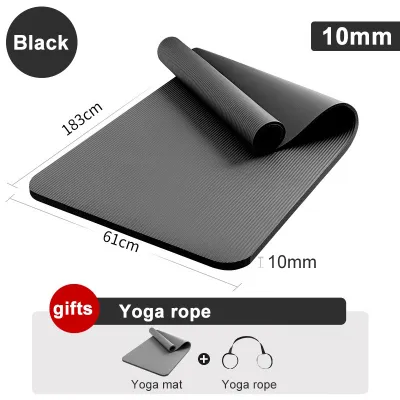
Standard yoga mat thicknesses range from 3mm to 5mm, and this range remains the most versatile choice for extra-large sizes. A 4mm mat is often considered the sweet spot. It provides enough compression resistance to protect your knees, elbows, and spine during floor poses, yet keeps you close enough to the solid floor to maintain excellent sensory feedback and balance during standing poses.
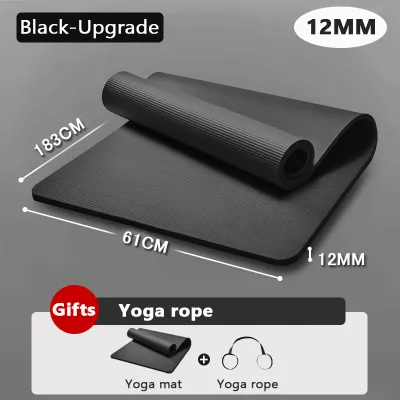
If you opt for an extra-thick mat of 6mm or more, you gain significant cushioning, which is beneficial if you have highly sensitive joints or are recovering from an injury. However, this extra thickness introduces a spongy, unstable feeling during standing balances like Tree Pose or Warrior III. Your feet sink into the material, forcing your ankle stabilizing muscles to work much harder to keep you upright. On an extra-large mat, this instability can feel amplified because your wider stance distributes your weight differently across the larger surface.
To make the right choice, match the thickness directly to your primary practice style rather than assuming that thicker is always better. If your routine consists of active, standing-heavy practices, stick to a stable 4mm or 5mm mat. If your practice is almost entirely floor-based, such as Yin Yoga or restorative stretching, a thicker 6mm mat will provide the deep comfort you need.
Managing Weight and Portability
Choosing the thickness of an extra-large mat requires understanding the mathematical reality of its volume. When you increase both the surface area and the thickness of a mat, the total volume of the material increases exponentially. A 6mm natural rubber mat in an extra-large size is not just slightly heavier than a 4mm version; it is a massive, heavy piece of equipment that can weigh over 6 kilograms.
Before choosing a thick, oversized mat, consider these practical checkpoints:
- Commute: Will you need to carry this mat on public transit, walk long distances with it, or carry it through busy streets? If so, a thick, heavy mat will quickly become a physical burden.
- Storage: Does the rolled mat fit into your vehicle's trunk, your home storage space, or the lockers at your local studio?
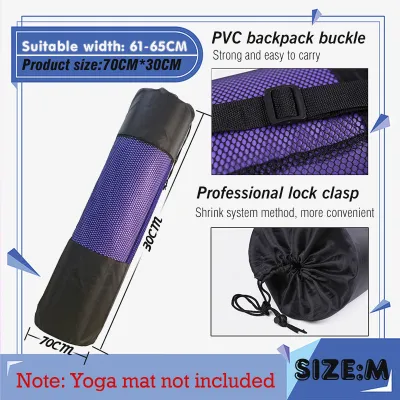
- Bag Compatibility: Standard yoga bags are designed for 61cm wide, 4mm thick mats. An extra-large, thick mat will require a specialized, wide-mouth duffel or heavy-duty carrying straps.
If you must have a thick mat for joint support but still need to travel, look for lightweight TPE options rather than heavy natural rubber. Additionally, ensure the mat comes with or is compatible with wide, padded carrying straps that distribute the weight comfortably across your shoulder.
Decision Framework: Which Big Yoga Mat Should You Choose?
To help you finalize your decision, use this condition-based framework to match your specific needs to the right material and thickness combination.
Choose Natural Rubber (4mm to 5mm) if:
- You practice dynamic, high-energy styles like Vinyasa, Ashtanga, or Power Yoga.
- You require absolute slip resistance and a grounded, premium feel.
- You primarily practice at home or travel by private vehicle, making weight a minor concern.
- You are prepared to invest between ₱3,500 and ₱6,000 for a durable, high-quality mat.
Choose TPE (4mm to 5mm) if:
- You need a highly portable, lightweight mat that is easy to carry on daily commutes.
- You prefer a low-maintenance, closed-cell surface that resists sweat absorption and tropical humidity.
- You want an affordable option, with prices typically ranging from ₱1,200 to ₱2,500.
- You do not sweat excessively or are comfortable using a grip towel if needed.
- You want a mat that is easy to wash and dries quickly.
- You have a known latex allergy and must avoid natural rubber.
Choose Cork/Rubber Hybrid (4mm) if:
- You practice hot yoga, high-intensity flows, or sweat heavily during your sessions.
- You prefer natural, eco-friendly materials and enjoy a smooth, earthy texture under your hands.
- You are committed to following strict care instructions, such as rolling the mat cork-side out and drying it thoroughly.
- You want a naturally antimicrobial surface that resists odors in warm climates.
Choose Extra-Thick (6mm+) if:
- Your practice consists almost entirely of restorative yoga, Yin yoga, or floor-based pilates.
- You have chronic joint pain, sensitive knees, or are recovering from an injury that requires deep cushioning.
- The mat will remain permanently in one location, such as a home studio, eliminating portability concerns.
- You do not perform many advanced standing balance poses that require a firm, non-spongy floor connection.
Verify these factors before purchasing:
- Latex Allergies: Natural rubber mats contain latex; if you are sensitive, choose TPE or a synthetic hybrid.
- Studio Space: Check if your local studio can accommodate an extra-large mat without overlapping onto your neighbor's space.
- Bag Fit: Measure the rolled width of your chosen mat to ensure you have a carrying strap or bag that can accommodate its oversized dimensions.
Care and Maintenance for Oversized Mats
Proper maintenance is essential to preserve the lifespan and performance of your big yoga mat, especially in warm, humid environments where sweat and moisture can quickly degrade materials.
For basic cleaning, wipe down your mat after every practice with a soft microfiber cloth dampened with water and a few drops of mild, mat-safe soap. Avoid using harsh chemical cleaners, bleach, or high-alcohol solutions, as these can dry out natural rubber, causing it to become brittle, and can break down the synthetic structure of TPE mats.
When rolling your mat, always roll it with the top practice surface facing outward. This technique is particularly important for cork and natural rubber mats; it prevents the corners from curling up when you unroll the mat for your next practice and protects the cork surface from developing fine cracks or separating from its base.
Never roll up or store your mat while it is still damp. The large surface area of an extra-large mat can easily trap moisture, creating an ideal environment for mold, mildew, and unpleasant odors. Hang your mat over a wide, padded rail, a drying rack, or a chair in a shaded, well-ventilated indoor area to air-dry completely. Avoid exposing your mat to direct sunlight, as ultraviolet rays rapidly oxidize natural rubber, making it sticky and crumbly, and can warp or melt TPE materials.
Frequently Asked Questions (FAQ)
Can I use a big yoga mat for hot yoga?
Yes, you can use an extra-large mat for hot yoga, but the material you choose is critical. Natural rubber and cork-rubber hybrids are the best choices because they offer excellent traction when wet. Cork, in particular, becomes grippier as it absorbs moisture, making it ideal for high-sweat environments. Avoid standard TPE mats for hot yoga, as sweat can pool on their closed-cell surface, creating a slippery and unsafe practice area unless you use a specialized slip-resistant yoga towel over the mat.
How do I store an extra-large yoga mat at home?
Store your extra-large yoga mat by rolling it loosely with the top practice surface facing outward, then standing it upright in a cool, dry corner away from direct sunlight. Avoid storing your mat in hot areas, such as the trunk of a car or a sunny balcony, as extreme heat can warp TPE and dry out natural rubber. If you have sufficient space, you can also lay the mat flat under a bed or hang it over a wide, padded hanger to prevent permanent creases from forming in the material.
Community discussion
Share your experience or ask a question. Comments are reviewed before publication.