
Finding that your new wheel or replacement bike hub does not fit your frame, fork, or cassette is a frustrating and costly setback. To choose the correct bike hub, you must match its physical dimensions (axle type and spacing), drivetrain interface (freehub standard), and wheel-building specifications (spoke hole count and brake mount) directly to your existing bicycle components. Navigating these technical details can feel overwhelming, but breaking down each specification systematically ensures a seamless installation and safe riding performance.
Why Do Bike Hub Specifications Matter When Replacing or Upgrading?
Matching your bike hub specifications to your frame, fork, and drivetrain is essential because even a millimeter of variance can render a new wheel unusable or compromise your safety. The hub is the literal centerpiece of your wheel, acting as the anchor for your spokes, the mounting point for your brakes, and the mechanism that transfers your pedaling power. If you select a hub with the wrong dimensions, the wheel will not seat securely in the dropouts, leading to potential frame damage or catastrophic failure during a ride.
Furthermore, modern drivetrains rely on highly specific freehub interfaces to hold the cassette. A mismatch here means your gears cannot be installed, or your shifting alignment will be completely thrown off. Auditing your existing components and checking your frame manufacturer’s official documentation before shopping is the only reliable way to avoid compatibility issues.
Products mentioned in this guide
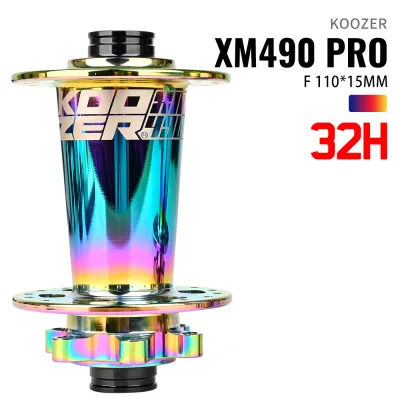
3 Lazada user ratings
Legit koozer but they give me a koozer 450 not the xm490 pro
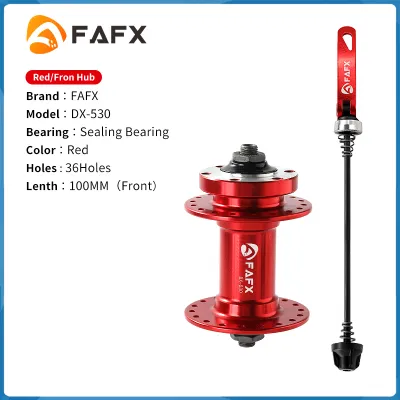
796 Lazada user ratings
Versatile compatibility with different speed bikes., Smooth and efficient gear shifting., Excellent value for the price.,
Quality:excellent Appearance:very good very well packed at mukhang matibay sana tumagal..thanks seller and sa rider!🌟🌟🌟🌟🌟
Bigatin lang.. okay naman sabi ng pamangkin ko dahil libre ko 😁 hoping hindi kalawangin ang bearing agad
wow amazing 😍😍😍!!! it's great for my MTB bike hub cassette replacement parts... quality and perfect...
Great quality and durability!, but the package is ugly the items has damaged inside no bubble wrap.
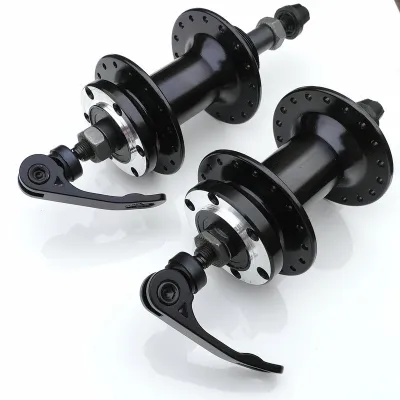
21 Lazada user ratings
Excellent product and service. Thank you!
Good value for money,
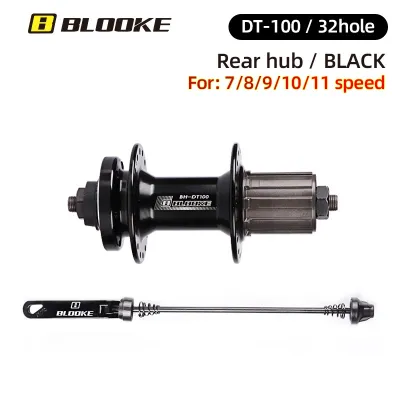
111 Lazada user ratings
Versatile black color option for rear hub., Unique and stylish design., Vibrant red color option for rear hub., Sleek black color option for…Read full reviewShow less
Versatile black color option for rear hub., Unique and stylish design., Vibrant red color option for rear hub., Sleek black color option for 36-hole hub.,
Provides a smooth and efficient ride.,Suitable for 7/8/9/10/11-speed disc brakes., Compatible with various bike models.,
thank you seller at sa rider maganda sya nagustuhan q sulit Smooth and reliable ball bearing hub.,
maganda, thank you seller
156 Lazada user ratings
Quality:Smooth and reliable sealed bearings, Striking blue hub set, Smooth and efficient braking,
Stunning black hub set, Luxurious gold front hub, Enhances the overall look of the bike,
So good, order it again next timeReliable and long-lasting, Reliable and long-lasting,
Striking blue hub set, Great value for the price, Eye-catching blue front hub,
ayos na ayos ang product nagamit ko na Ang bike ko SALAMAT sa Inyo
20 Lazada user ratings
Quality:10/10 Appearance:10/10 Performance:10/10 Upon recieving the item, the item looks sturdy and of high quality. Will update my review a…Read full reviewShow less
Quality:10/10 Appearance:10/10 Performance:10/10 Upon recieving the item, the item looks sturdy and of high quality. Will update my review after I installed it on my bike.
Efficient braking system for enhanced safety, Easy installation and compatibility with various speeds, High-quality alloy material, Smooth a…Read full reviewShow less
Efficient braking system for enhanced safety, Easy installation and compatibility with various speeds, High-quality alloy material, Smooth and responsive performance,
Smooth and reliable ball bearings, Easy installation and compatibility with various speeds, Smooth and responsive performance, Smooth and re…Read full reviewShow less
Smooth and reliable ball bearings, Easy installation and compatibility with various speeds, Smooth and responsive performance, Smooth and responsive performance,
good quality and appearance thanks seller
maganda sakto grabe ba!!!!! 🥰🥰
234 Lazada user ratings
Hi! You have successfully subscribed to DITO LEVEL-UP 99. You can now enjoy 7GB of high-speed data plus unli all-net texts, unli DITO-to-DIT…Read full reviewShow less
Hi! You have successfully subscribed to DITO LEVEL-UP 99. You can now enjoy 7GB of high-speed data plus unli all-net texts, unli DITO-to-DITO calls, and 300 mins. of calls to other mobile networks valid for 30 days. Log in to your DITO APP to monitor your usage and to check your remaining load balance. Thank you!
🔨Durability:Looks durable 🔌Compatibility:It will work as long you have same holes with the rims High-quality materials for long-lasting perf…Read full reviewShow less
🔨Durability:Looks durable 🔌Compatibility:It will work as long you have same holes with the rims High-quality materials for long-lasting performance., Great value for the price., The package is well protected and fast delivery.
Items arrived in good condition. Well packed. No damage. Complete. For 14 gauge spokes. 36 holes. Maganda naman. Mukhang matibay.
Easy to install and adjust., Durable and reliable hub., Enhances the overall performance of the bike., 🔌Compatibility:💯
ganda Ng quality fast delivery din ito sulit pera legit item legit store
Prices are valid at publication and may change. Please refer to the product page for the latest price.
How Do You Determine the Correct Axle Type and Hub Width for Your Frame?
You can determine the correct axle type and hub width by identifying whether your bike uses a quick-release or thru-axle system, and then measuring the distance between the inner faces of your frame or fork dropouts. Quick Release (QR) systems typically use a thin 5mm skewer with a hollow axle that slots into open dropouts, commonly measuring 100mm wide at the front and 135mm at the rear. Thru-axle systems, which are standard on modern disc-brake road, gravel, and mountain bikes, feature a thicker, threaded pin that passes directly through closed frame holes. Common thru-axle diameters include 12mm or 15mm, with standard rear widths of 142mm, or 148mm for “Boost” mountain bike spacing.

To find these measurements, look for laser-etched markings on your current axles, consult your bicycle’s digital specification sheet, or use a digital caliper to measure the inner spacing of your frame’s dropouts (known as the Over Locknut Dimension, or OLD). Never guess these dimensions, as a 142mm hub cannot be safely modified or forced to fit a 148mm Boost frame without specialized, non-universal adapter kits.
Which Freehub Body Standard Is Compatible With Your Specific Drivetrain Cassette?
Your freehub body standard must match the specific brand, speed, and model of your cassette, as different drivetrain manufacturers use distinct, non-interchangeable spline patterns to secure the gears. The Shimano HyperGlide (HG) standard is the most common traditional interface, widely used for 8- to 11-speed cassettes across multiple brands. However, newer high-gear-count systems require proprietary designs: Shimano Micro Spline is used for modern 12-speed mountain bike cassettes, while SRAM XD and XDR bodies accommodate wide-range cassettes with small 10-tooth cogs. Campagnolo also utilizes its own proprietary spline designs for its road groupsets.
You can visually identify your freehub by examining its exterior pattern: Shimano HG has tall, blocky splines with one offset narrow groove; Micro Spline features numerous micro-grooves; and SRAM XD is fully threaded at the base. Always check your cassette’s technical manual to confirm which freehub body standard it requires before buying a replacement hub. Installing a cassette on an incompatible freehub body is physically impossible.
What Are the Practical Differences Between Cup-and-Cone and Sealed Cartridge Hub Bearings?
Cup-and-cone bearings offer adjustable, highly serviceable performance using loose steel balls, whereas sealed cartridge bearings provide superior weather protection and a simple “replace rather than rebuild” maintenance cycle. Cup-and-cone systems allow you to adjust the bearing tension precisely to eliminate play while maintaining smooth rotation. They require regular cleaning, fresh grease, and cone wrenches to maintain, but when cared for, they can last for decades because you can replace the individual steel balls and grease.
Sealed cartridge bearings house the balls, inner race, and outer race in a single, pre-assembled unit protected by rubber seals. When cartridge bearings wear out or become rough, you do not service them; instead, you press the old cartridge out and install a new one. Check your hub manufacturer’s technical documentation to see which system is installed, as this dictates the specific tools—such as cone wrenches or bearing press kits—you will need for maintenance.
How Do Spoke Hole Counts and Spoke Types Influence Your Hub and Wheel Build?
A hub’s flange design determines the exact number and type of spokes your wheel must use, meaning the hub’s spoke hole count must perfectly match your rim’s hole count to build a functional wheel. Common spoke counts range from 28 to 36 holes, with higher counts (like 32 or 36) offering greater wheel strength and load capacity for heavier riders, touring, or rugged trail riding. If you plan to reuse your existing rim, you must count its spoke holes and select a hub with the exact same number.
Additionally, you must choose between traditional J-bend hubs, which feature drilled flanges to accept curved spoke elbows, and straight-pull hubs, which require straight, unbent spokes. These two systems are completely incompatible, so your hub choice directly dictates the spoke type and lacing pattern your wheel builder must use.
What Steps Should You Take to Verify Complete Hub Compatibility Before Purchasing?
To verify complete hub compatibility before purchasing, you must systematically cross-reference your frame dimensions, drivetrain specifications, and wheel-building components against a physical checklist. Start by confirming your axle standard: measure the axle diameter and the exact frame spacing (OLD) to ensure a precise physical fit. Next, verify that the freehub body matches your cassette’s spline pattern and speed rating. Do not forget to check your brake rotor mounting style, as hubs come in either Centerlock (splined) or 6-bolt configurations.
Finally, count the spoke holes on your rim and ensure the hub flange matches both the count and the spoke type (J-bend or straight-pull). If any measurement is unclear or if your frame specifications conflict with your physical measurements, stop and consult the bicycle manufacturer’s official support channels before finalizing your purchase.
Community discussion
Share your experience or ask a question. Comments are reviewed before publication.