
Choosing the right indoor cycling setup is a major step toward building a consistent home workout routine. The decision generally comes down to two distinct approaches: balancing your existing road or mountain bicycle on a set of free-spinning cylinders, or investing in a dedicated, stationary exercise machine.
A bike roller trainer requires you to actively balance your own bicycle on three rolling drums, offering a highly realistic road feel that engages your core and refines your pedaling technique. In contrast, a standalone spin bike provides a heavy, fixed platform designed for high-intensity interval training, heavy resistance climbs, and plug-and-play convenience.
Neither option is universally superior for every home. The ideal choice depends on whether you already own a compatible outdoor bicycle, how much floor space you can permanently dedicate to fitness gear, and whether you prioritize real-world cycling realism over stationary stability.
Products mentioned in this guide
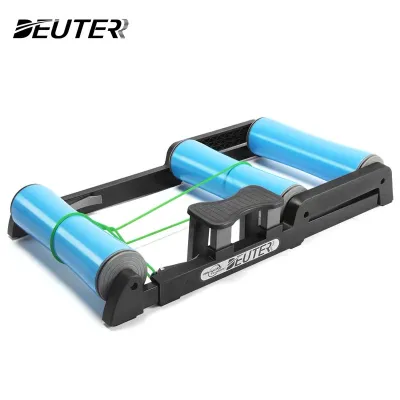
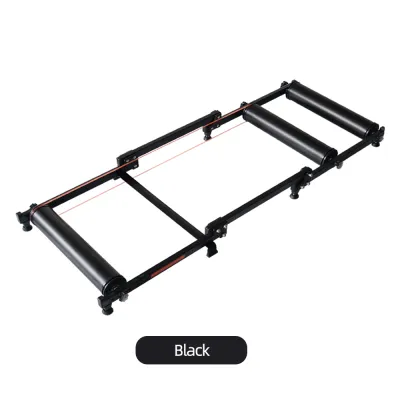
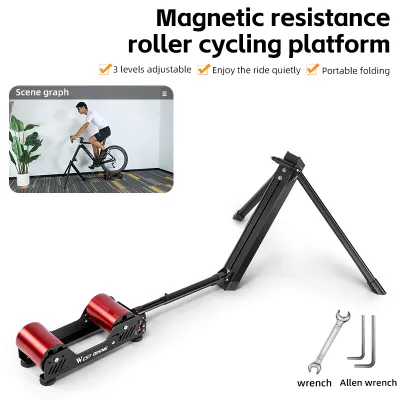
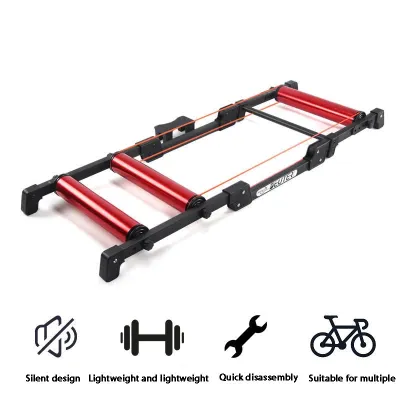
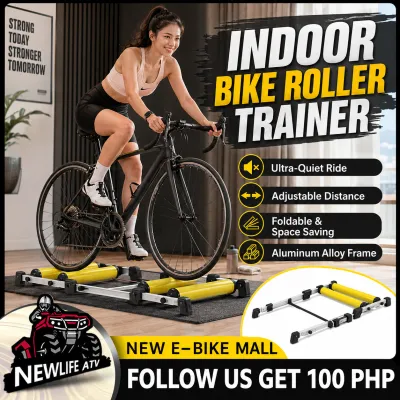
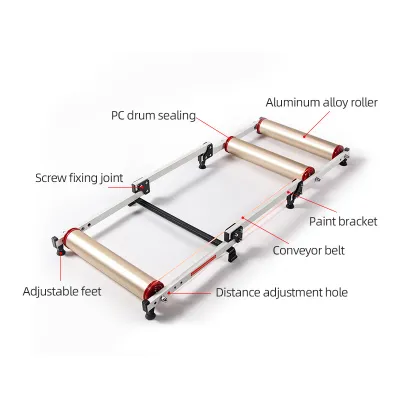
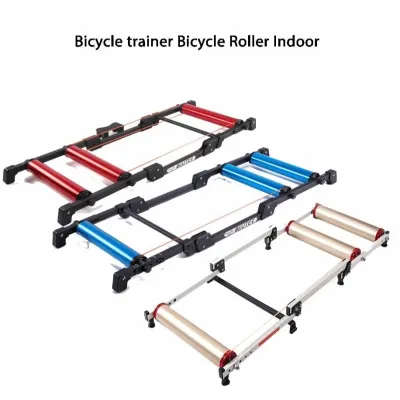
Prices are valid at publication and may change. Please refer to the product page for the latest price.
Riding Feel, Skill Requirements, and Workout Goals
Riding on a bike roller trainer closely mimics the physical dynamics of cycling on open roads. Because the bicycle is not clamped or bolted to a frame, you must maintain constant forward momentum, steady steering, and active core engagement to stay upright. This setup forces you to eliminate any side-to-side swaying, helping you develop a highly efficient, circular pedal stroke.
This realistic motion comes with a noticeable learning curve and specific safety considerations. Beginners often need to place their rollers in a doorway or next to a sturdy wall during early sessions to avoid riding off the edge of the drums. A momentary lapse in concentration can result in a sudden loss of balance, making rollers less suitable for casual riders or those who prefer to watch television or read while exercising.
Spin bikes, on the other hand, offer a completely stable and forgiving platform that requires zero balance or cycling experience. The heavy flywheel and rigid frame allow you to focus entirely on exertion without worrying about falling over. This stability makes spin bikes the preferred choice for high-intensity interval training (HIIT) and aggressive, out-of-the-saddle climbing simulations.
Your specific fitness goals should dictate which machine you choose. If your primary objective is to improve your real-world cycling form, cadence, and endurance pacing, a bike roller trainer is an exceptional tool. If you want a straightforward cardio workout, high-resistance leg strength training, or the ability to follow along with energetic studio cycling classes, a spin bike aligns better with those needs.
Space, Storage, and Daily Setup Logistics
Physical space and daily logistics are critical factors, especially in compact urban apartments or shared family homes. A bike roller trainer features a remarkably small footprint and is highly portable. Most models utilize a folding frame that can be tucked under a bed, stood upright in a closet, or slid behind a sofa when your workout is complete.

However, using rollers requires a multi-step daily setup process. You must retrieve the trainer, unfold it on a level surface, carry your outdoor bicycle inside, and carefully align the wheels on the drums before you can begin. If your bicycle is dirty from outdoor riding, you will also need to clean the tires to prevent transferring road grime and debris onto the roller drums.
A spin bike is a permanent fixture in your living space. These machines are heavy, often weighing between 30 and 60 kilograms, and occupy a fixed area of your floor. While most spin bikes feature small transport wheels on the front stabilizer bar, moving them across rooms or storing them away after every workout is physically demanding and impractical.
The trade-off is immediate, plug-and-play accessibility. With a spin bike, you simply hop on, adjust the resistance knob, and start pedaling. When planning your workout area, measure your floor space carefully; rollers require a long, narrow strip to accommodate your bicycle’s wheelbase, while spin bikes require vertical clearance if you plan to stand up during high-resistance climbs.
Budget, Equipment Needs, and Long-Term Value
The initial financial commitment for these two setups varies significantly depending on the gear you already own. A bike roller trainer is generally the more budget-friendly entry point, with basic models starting around ₱5,000. However, this option is only cost-effective if you already own a high-quality, compatible road, gravel, or mountain bicycle.
If you do not own a bicycle, purchasing both a bike and a roller trainer will quickly exceed the cost of a standalone spin bike. Spin bikes represent a complete, self-contained investment. While premium smart bikes can cost upwards of ₱40,000, highly durable manual spin bikes are widely available in the ₱10,000 to ₱25,000 range, requiring no additional hardware to get started.
There are also hidden costs associated with roller training that you must consider. Standard knobby mountain bike tires or soft road tires wear down rapidly on plastic or alloy drums. To prevent premature tire wear and reduce excessive noise, you may need to purchase a dedicated, hard-compound trainer tire, which requires swapping tires or wheels before indoor sessions.
Long-term maintenance requirements also differ between the two systems. Roller trainers are mechanically simple, but you must regularly inspect the drum bearings for smoothness, check the rubber drive belt for cracking or stretching, and ensure the folding hinges remain secure. Spin bikes require you to wipe down the frame after every ride to prevent sweat-induced corrosion, lubricate the chain or inspect the belt drive, and periodically check the wear on friction brake pads or calibrate magnetic resistance systems.
Noise, Vibration, and Household Impact
In tropical climates where homes often feature tiled floors and open windows for ventilation, noise and vibration transfer can significantly impact your household and neighbors. The primary noise source on a bike roller trainer is the friction between your bicycle tires and the spinning drums, accompanied by your bicycle’s chain and drivetrain clatter. This creates a high-frequency hum that can easily penetrate walls and floors.
Spin bikes are generally much quieter, particularly models equipped with magnetic resistance and belt-drive systems. These machines produce a low, muffled whoosh from the spinning flywheel, making them ideal for early morning or late-night workouts in shared living spaces. The lack of tire-to-drum friction eliminates the high-pitched drone common to roller setups.
Vibration transfer is another critical consideration for apartment dwellers. The rapid spinning of roller drums can send low-frequency vibrations directly through concrete or wooden floors. To mitigate this, placing a high-density, shock-absorbing equipment mat beneath either trainer is highly recommended to protect your flooring and dampen sound.
Stability during intense efforts also affects household safety. Spin bikes are engineered to handle aggressive lateral forces, allowing you to stand up and sprint with confidence. On a roller trainer, any sudden lateral movement or loss of focus can cause your front wheel to slide off the side of the drums, requiring strict vertical discipline and making out-of-the-saddle sprints a highly advanced skill.
Final Decision Framework: Which Should You Buy?
To make your final decision, evaluate your current equipment, living space, and training preferences against these clear guidelines.
Choose a bike roller trainer if:
- You already own a road, gravel, or mountain bicycle and want to use it indoors.
- Your primary goal is to improve your real-world cycling skills, balance, core strength, and pedaling efficiency.
- You have limited living space and need a lightweight fitness tool that folds flat and stores easily in a closet or under a bed.
- You enjoy the mental engagement of active riding and prefer a highly realistic road feel over stationary pedaling.
Choose a spin bike if:
- You do not own a bicycle and want a complete, self-contained fitness machine ready for immediate use.
- You prefer high-intensity interval training, heavy resistance climbs, and the ability to stand up and sprint safely.
- Multiple members of your household with different heights and fitness levels plan to use the machine.
- You want a quiet workout experience that allows you to watch videos, read, or train early in the morning without disturbing others.
Verify first if:
- For rollers, check your bicycle's wheelbase measurement and axle standards against the manufacturer's specifications to ensure a secure fit.
- For spin bikes, verify the maximum weight capacity, handlebar adjustability, and seat inseam range to confirm it accommodates your body dimensions comfortably.
Frequently Asked Questions (FAQ)
Can I use a bike roller trainer with any type of bicycle?
Most standard road, gravel, and mountain bicycles are compatible with roller trainers, but you must verify specific physical dimensions before purchasing. Check your bicycle’s wheelbase—the distance from the center of the front axle to the center of the rear axle—and compare it to the adjustable range of the roller frame. While most rollers accommodate standard wheelbases, extremely small frames, long-tail cargo bikes, or heavy electric bicycles may exceed the trainer’s physical limits or weight capacity. Additionally, knobby mountain bike tires will produce significant noise and vibration on rollers, so swapping to a smooth slick tire or a dedicated trainer tire is highly recommended for indoor use.
Do spin bikes require more maintenance than roller trainers?
Spin bikes generally require more frequent, hands-on maintenance due to their complex mechanical parts and exposure to heavy sweat. Because you remain stationary, sweat tends to pool on the frame, handlebars, and flywheel, requiring a thorough wipe-down after every session to prevent rust and corrosion. You must also regularly check and tighten the pedals, lubricate the chain if it is not a belt-driven model, and inspect friction brake pads for wear. Roller trainers are mechanically simpler, but they still require routine checks. You must keep the drum surfaces clean of tire residue, inspect the rubber drive belt for proper tension and signs of wear, and occasionally check that the drum bearings spin smoothly without play.
Community discussion
Share your experience or ask a question. Comments are reviewed before publication.