
Choosing the right racket overgrip can dramatically impact your control, comfort, and confidence on the court. A Bodhi grip serves as a highly practical, budget-friendly option for recreational players, casual weekend matches, and those who prefer to change their grips frequently without spending a fortune. However, if you are a competitive tournament player facing intense matches under extreme tropical heat, you may need to verify if its moisture-wicking capabilities match those of established, specialized tournament-grade alternatives.
Ultimately, the decision comes down to your personal tactile preferences, how much you sweat, and how the grip material reacts to local humidity. Because overgrips are highly subjective, understanding your specific playing conditions is the first step toward making the right purchase.
Identify Your Playing Style and Grip Requirements
Before comparing brands, you must analyze your physical needs and the environment where you play. In the Philippines, the tropical climate and high humidity levels mean that sweat is a constant factor for any racket sport enthusiast. If your hands perspire heavily during a match, a grip that fails to manage moisture will quickly turn slick, causing the racket to twist in your hand during high-impact shots.
Products mentioned in this guide
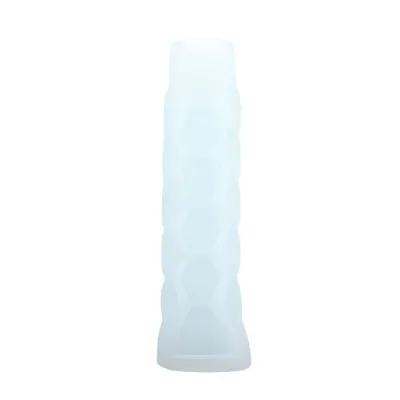
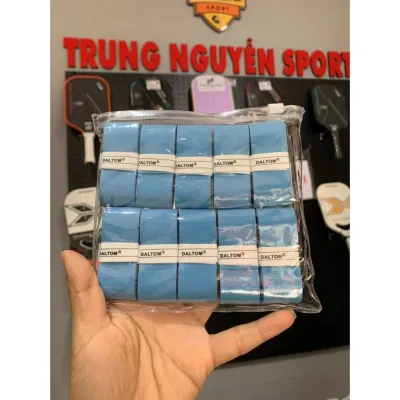
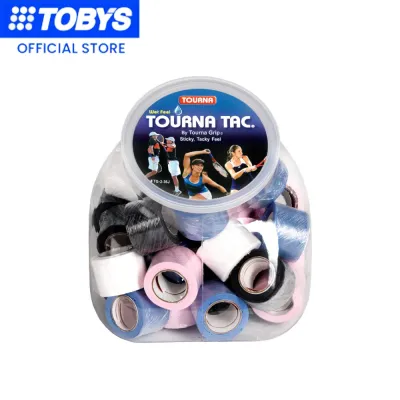
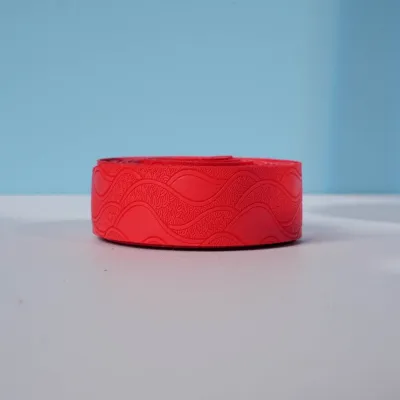
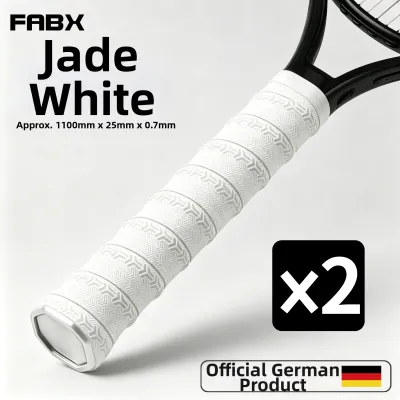
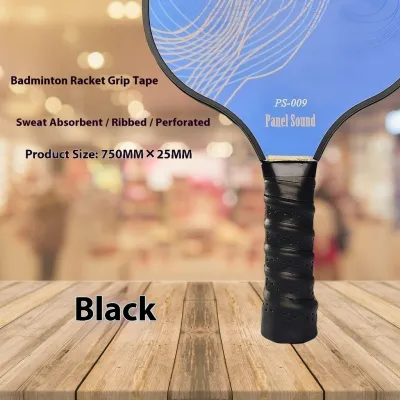
Prices are valid at publication and may change. Please refer to the product page for the latest price.
Your tactile preference is another critical factor to evaluate. Players generally fall into two camps: those who prefer a tacky, sticky feel that adheres firmly to the palm, and those who prefer a dry, velvety texture that allows for quick grip adjustments. Additionally, you must decide whether you want a thicker, cushioned grip to absorb vibrations and protect your joints, or a thin grip that provides direct, crisp feedback from the racket handle.
Different racket sports also demand distinct grip characteristics. For instance, tennis players might prefer more cushioning to handle heavy ball impacts and reduce wrist fatigue, while badminton players often prioritize a thin, tacky grip for rapid finger-tip control and quick racket head maneuvers. Matching the grip thickness to your specific sport ensures you do not accidentally alter your racket’s handle size beyond your comfort zone.
Finally, consider your durability expectations based on how often you play. If you play multiple times a week, use a tight grip, or hit heavy topspin strokes, your overgrip will wear down much faster. Knowing whether you prioritize long-lasting material integrity or prefer the fresh feel of a newly wrapped handle will guide you toward either a premium-tier option or a cost-effective bulk pack.
Evaluate Bodhi Overgrips: What to Expect
When considering a Bodhi grip, it is essential to inspect the product specifications closely, as performance can vary depending on the specific model you select. Start by checking the material composition listed on the packaging or the online marketplace description. Most budget-friendly overgrips utilize a polyurethane (PU) base, but the ratio of synthetic compounds determines whether the surface feels rubbery, smooth, or slightly absorbent.

Look closely at the physical features of the grip before wrapping it onto your handle. High-quality options typically feature surface texture patterns, such as micro-perforations or embossed lines, which help channel sweat away from your palm. You should also verify if the edges are tapered; tapered edges allow for a smooth, overlapping wrap without creating uncomfortable ridges along the handle.
Another detail to check is the adhesive backing. Some overgrips feature a full-length adhesive strip on the back, while others only have a small piece of tape at the starting end. A full adhesive backing keeps the grip securely in place but can leave sticky residue on your replacement grip when removed, whereas a simple end-tape design relies on wrapping tension to stay secure.
Keep in mind that smaller or budget-focused brands may have limitations regarding batch consistency. While one pack might offer excellent tackiness, another batch might feel slightly different due to variations in manufacturing runs. Additionally, local availability can fluctuate, meaning you might need to plan your purchases in advance rather than relying on finding them instantly at a local pro shop.
Compare Bodhi Against Mainstream Racket Brands
To determine how Bodhi holds up against legacy sports brands, you can use a few practical testing methods and observation strategies.
Tackiness and Feel
When testing for tackiness, pay attention to the initial grip feel versus how it performs after an hour of play. Premium mainstream brands often use proprietary chemical coatings that maintain their stickiness even when exposed to dust and light moisture. When evaluating a Bodhi grip, check user reviews or perform a quick dry-hand test to see if the surface offers enough friction for your playing style without feeling overly gummy.
Moisture Absorption
Moisture management is where high-end and budget grips diverge most noticeably. Standard polyurethane grips rely on surface tension and micro-pores to handle sweat, which works well for moderate perspiration. However, if you are a heavy sweater playing in an unventilated indoor court, you may want to compare these to specialized towel-style grips or advanced dry-feel overgrips from established brands, which are specifically engineered to absorb large volumes of liquid.
Durability and Wear
Observe how the material degrades during your first few sessions. Lower-cost grips may show early signs of wear, such as pilling, color transfer, or thinning in high-pressure areas like the butt cap. Mainstream brands often reinforce their polyurethane layers to resist friction, but if you prefer to replace your grip every few matches for hygiene reasons, the rapid wear of a budget grip becomes less of a drawback.
Assess Price, Value, and Accessibility
Evaluating the financial aspect of your choice requires looking beyond the initial price tag. To find the true value, calculate the cost per individual grip. Mainstream brands often sell overgrips in single or three-pack options, which can carry a premium price per unit. In contrast, brands like Bodhi are frequently sold in larger bulk multi-packs, significantly lowering the cost of each individual wrap.
You must also factor in shipping costs and local retail availability. While legacy brands are readily available in physical sports stores across major malls in the Philippines, budget-friendly alternatives are primarily found through online sports retailers and ecommerce platforms. If you have to pay high shipping fees for a single roll, the cost advantage quickly disappears, making bulk online purchases the more sensible route.
Ultimately, balance your upfront savings in ₱ against your replacement frequency. If a premium grip costs twice as much but lasts three times longer, it offers better long-term value. However, if you prefer the clean, tacky feel of a brand-new grip for every session, buying affordable bulk packs is highly economical.
Final Decision Framework: Which Overgrip Should You Buy?
To finalize your decision, match your playing habits and preferences to the following scenarios.
Choose Bodhi if:
- You are a casual or recreational player who wants a reliable grip for friendly matches.
- You prefer to buy in bulk to keep multiple rackets wrapped fresh without spending too much.
- You enjoy experimenting with different colors and basic surface textures.
- You do not experience excessive hand perspiration during play.
Choose a leading alternative if:
- You play competitive tournament matches where a single slip could cost you a point.
- You suffer from heavy sweating and require advanced, clinically tested moisture-wicking technology.
- You demand absolute consistency in thickness, weight, and texture from one roll to the next.
Verify first if:
- You are transitioning from a highly specialized grip, such as an ultra-thick cushioned grip or a pure cotton towel grip.
- Your racket handle has custom modifications or sizing adjustments that require an extra-long overgrip roll.
Frequently Asked Questions (FAQ)
How often should I replace my racket overgrip?
You should replace your overgrip as soon as you notice visible or tactile signs of wear. Visual cues include peeling, fraying, discoloration, or a flattened surface texture. Tactile cues are even more critical; if the racket starts to slip during your swings, or if the material feels hard, dry, and compacted rather than cushioned, it is time for a fresh wrap. Players in humid environments typically need to replace their grips more frequently to prevent mold and odor buildup.
Can I use a tennis overgrip on a badminton or table tennis racket?
Yes, you can use a tennis overgrip on other rackets, but you will need to make some physical adjustments. Tennis overgrips are much longer and wider than those designed for badminton or table tennis. When wrapping a smaller handle, you will need to cut the grip to the appropriate length and wrap it with tighter tension and more overlap to avoid making the handle feel too bulky. Keep in mind that adding a thick tennis grip to a lightweight badminton racket can alter its balance and swing weight.
Does the color of the overgrip affect its performance?
Yes, the color of an overgrip can subtly influence its tactile feel and performance. The dyes and chemical bleaching processes used to color the polyurethane material can alter its overall tackiness and durability. Many professional players prefer white overgrips because they do not contain heavy color pigments, often resulting in a softer, tackier feel. However, white grips show dirt, sweat stains, and dust much faster, requiring more frequent replacements to maintain a clean appearance.
Community discussion
Share your experience or ask a question. Comments are reviewed before publication.