
Quick Answer: Which Boxing Mouth Guard Should You Choose?
Choosing the right mouth guard for boxing is one of the most critical gear decisions you will make. The ideal choice depends on your training intensity, budget, and specific dental needs. There is no single option that suits every boxer; instead, your protective gear should match your current stage in the sport and the level of impact you expect to encounter.
Choose a Boil-and-Bite Mouth Guard If:
- You are a beginner: You are just starting your boxing journey and primarily focusing on non-contact training, bag work, or shadowboxing.
- You engage in fitness boxing: Your workouts are centered on cardio, pad work, and light conditioning without active sparring.
- You need an immediate solution: You have a training session today and require instant protection without waiting for laboratory fabrication.
- You are on a strict budget: You need reliable, baseline dental protection at a highly accessible price point.
Choose a Custom-Fit Mouth Guard If:
- You spar frequently: You engage in regular, live sparring sessions where heavy punches to the face and jaw are common.
- You compete actively: You participate in amateur or professional boxing bouts where maximum impact resistance is required.
- You have specific dental work: You have crowns, bridges, dental implants, or other expensive dental restorations that require precise, non-binding protection.
- You require maximum comfort: You find off-the-shelf guards too bulky, suffer from a sensitive gag reflex, or need to communicate clearly with your coach during active rounds.
Verify First If:
- You have complex dental conditions: If you have severe jaw misalignment, active periodontal disease, or are undergoing orthodontic treatment, consult a dentist or sports medicine professional before purchasing any over-the-counter gear.
- You have a history of concussions: While a high-quality mouth guard for boxing absorbs dental and jaw impacts, it cannot prevent concussions. Speak with a medical specialist to design a comprehensive safety plan for high-impact training.
Understanding the Basics: How Boil-and-Bite and Custom-Fit Guards Work
To make an informed decision, it is essential to understand how these two types of mouth guards are manufactured, the materials used in their construction, and how they achieve their final shape.

Boil-and-Bite Mouth Guards
Boil-and-bite mouth guards are mass-produced protective devices made from thermoplastic materials, most commonly ethylene-vinyl acetate (EVA). This material is chosen for its unique physical properties: it becomes highly pliable and soft when exposed to high temperatures, yet hardens into a semi-rigid, shock-absorbing state once it cools to room temperature.
Products mentioned in this guide
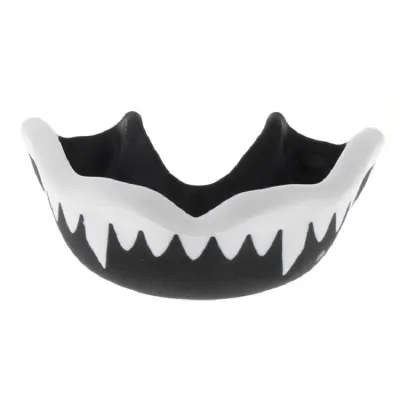
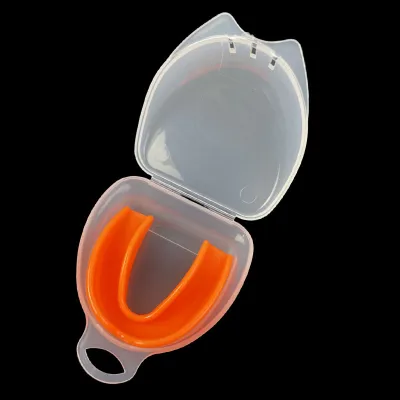
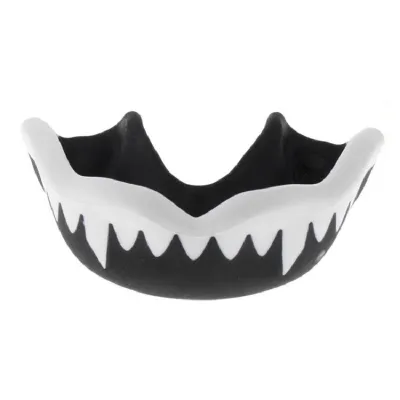
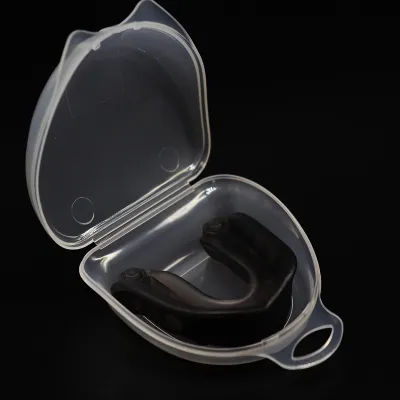
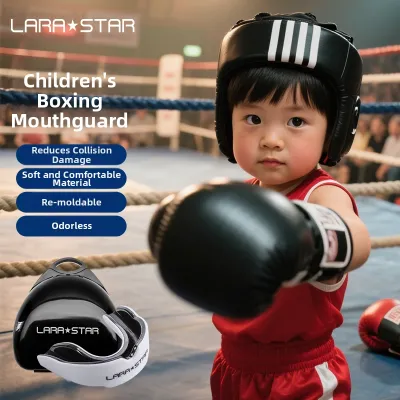
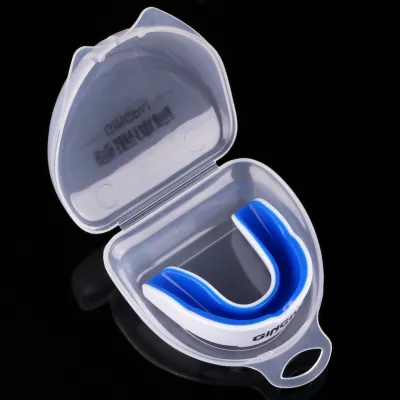
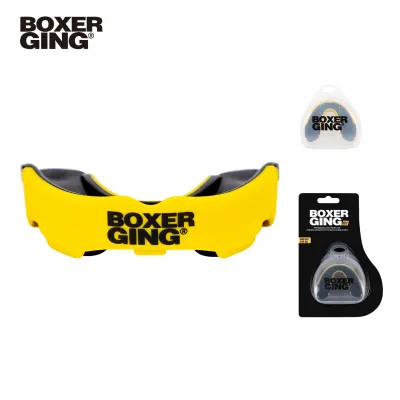
Prices are valid at publication and may change. Please refer to the product page for the latest price.
The fitting process is performed entirely at home. You submerge the pre-formed plastic guard in hot water for a specified number of seconds to soften the material. After a brief cooling period to prevent oral burns, you place the guard in your mouth, bite down gently, and use your fingers, tongue, and suction to mold the warm plastic around your teeth and gums. These guards are highly accessible and can be purchased at local sports retailers, department stores, and online sports marketplaces across the Philippines.
Custom-Fit Mouth Guards
Custom-fit mouth guards are highly specialized, individually fabricated devices made in a professional dental laboratory. The process begins with capturing a highly accurate replica of your dental anatomy. This is achieved either by taking a physical impression using a dental putty tray or by utilizing a three-dimensional digital intraoral scanner.
Once the impression is secured—either through a direct visit to a dentist or by using a premium mail-in impression kit—it is sent to a dental technician. The technician pours a stone model of your teeth and vacuum-forms or pressure-laminates multiple layers of medical-grade, high-impact polymers over the model. This multi-layer lamination process ensures that the mouth guard matches the exact topography of your teeth, gums, and palate. The result is a precise, locked-in fit that requires no active jaw clenching to remain in place.
Head-to-Head Comparison: Protection, Comfort, and Performance
Evaluating the practical trade-offs between boil-and-bite and custom-fit mouth guards requires looking at how they perform under the physical demands of boxing.
| Feature | Boil-and-Bite Mouth Guards | Custom-Fit Mouth Guards |
|---|---|---|
| Protection Level | Moderate; variable thickness depending on the quality of the home mold. | High; uniform, engineered thickness designed for maximum shock absorption. |
| Comfort & Bulkiness | High bulk; often feels thick and can trigger a gag reflex if untrimmed. | Low bulk; ultra-slim, contoured precisely to the dental arch. |
| Breathing & Speaking | Restricted; requires keeping the mouth closed or clenching the jaw. | Clear; stays in place passively, allowing open-mouth breathing and speech. |
| Durability | Moderate; thermoplastic degrades over time and can lose its shape. | High; premium materials resist biting wear and retain shape for years. |
| Fitting Process | DIY at home using hot water (takes approximately 5 to 10 minutes). | Requires a dental impression or mail-in kit (takes 1 to 2 weeks for fabrication). |
| Retention | Loose; relies on active jaw pressure to stay secure during movement. | Excellent; snaps onto the teeth and stays secure even during high-impact movement. |
Impact Protection and Safety
The primary function of a mouth guard for boxing is to absorb and distribute the force of sudden impacts. When a punch lands on the jaw, the force travels through the teeth and into the bones of the skull. A custom-fit guard is engineered to distribute this force evenly across your entire dental arch. Because it is fabricated on a precise model of your mouth, the material maintains a consistent, optimized thickness over every tooth surface, minimizing the risk of dental fractures, tooth avulsions, and jaw fractures.
In contrast, boil-and-bite guards provide a baseline level of protection but are highly susceptible to user error during the molding process. If you bite down too hard while the thermoplastic is warm, you can easily bite completely through the material, leaving the biting surfaces of your molars with dangerously thin protection. These thin spots create weak points that fail to absorb impact effectively when you sustain a direct blow to the chin.
Safety Boundary: It is critical to understand that no mouth guard, regardless of price or construction, can completely prevent concussions. Brain injuries are caused by the rapid rotation and deceleration of the brain within the skull. While a mouth guard protects the teeth and jaw joint, overall safety in boxing relies on proper defensive movement, neck strengthening exercises, controlled sparring intensities, and the use of appropriate headgear.
Comfort, Breathing, and Communication
Comfort directly influences your performance and stamina in the ring. Boil-and-bite guards are designed to fit a wide range of jaw shapes, meaning they contain excess material to accommodate larger mouths. This extra material often results in a bulky profile that can irritate the soft palate and trigger a strong gag reflex. To keep a boil-and-bite guard secure, you must constantly clench your teeth together, which restricts your ability to breathe deeply through your mouth during intense rounds.
Custom-fit mouth guards eliminate this bulk. Because they are trimmed to your exact gum line, they cover only the necessary dental structures while leaving the roof of your mouth relatively clear. This precise contouring allows you to breathe deeply through your mouth when your nose is congested or when you are pushing through heavy cardiovascular output. Furthermore, because the guard snaps tightly onto your upper teeth, you can speak clearly to your coach between rounds without the fear of the guard falling out.
Durability and Retention
Retention refers to how well a mouth guard stays in place without conscious effort. A custom-fit mouth guard offers passive retention; it clings to your teeth so securely that you must use your fingers to pull it off. This passive grip reduces fatigue in the masseter and temporalis muscles of your jaw, allowing you to stay relaxed during long training sessions.
Boil-and-bite guards lack this precise suction. Over time, the thermoplastic material experiences “material memory,” gradually attempting to return to its original, un-molded shape. This degradation is accelerated by exposure to saliva, biting pressure, and warm environments. As the fit loosens, you may find yourself constantly adjusting the guard with your tongue or clenching your teeth to keep it from slipping, which distracts you from your opponent.
Cost and Value: Budgeting for Your Boxing Gear
Investing in protective gear requires balancing your immediate financial limitations with the long-term value of protecting your health.
Cost Structures
Boil-and-bite mouth guards represent a highly accessible entry point. In the Philippines, standard boil-and-bite options generally range from ₱300 to ₱1,500, depending on the brand, material density, and included features like flavorings or anti-microbial cases. They are an excellent option for beginners who are still testing their commitment to the sport or for experienced boxers who need a temporary backup guard in their gym bag.
Custom-fit mouth guards require a significantly higher upfront investment. Depending on whether you choose a professional dental clinic fabrication or a premium mail-in laboratory kit, prices typically range from ₱4,000 to ₱15,000. This cost reflects the personalized laboratory work, the high-grade materials used, and the professional expertise required to ensure an exact fit.
Value Assessment
While the initial cost of a custom-fit guard can seem daunting, it is helpful to view it as preventive dental insurance. The cost of dental restoration in the Philippines is substantial. Repairing a single fractured tooth, undergoing a root canal, or getting a dental implant can easily cost anywhere from ₱15,000 to over ₱70,000.
If you are transitioning from basic fitness classes to active sparring, upgrading to a custom-fit guard is a highly cost-effective decision. It safeguards your natural teeth and expensive dental work from devastating impacts, saving you from painful injuries and costly emergency dental procedures down the road.
How to Properly Fit and Care for Your Mouth Guard
To ensure your mouth guard provides maximum protection and lasts as long as possible, you must follow correct fitting procedures and maintain strict hygiene practices.
Molding a Boil-and-Bite Guard at Home
If you choose a boil-and-bite mouth guard, achieving a precise fit requires careful preparation. Always read the manufacturer’s instructions first, as different materials require specific water temperatures and submersion times.
- Prepare your tools: Gather a pot of water, a bowl of ice water, a timer, a slotted spoon, and a mirror.
- Heat the water: Bring the water to a boil, then remove it from the heat source. Let it sit for 30 to 60 seconds to cool slightly. Safety Warning: Never place a mouth guard into water that is actively boiling on a stove, as this can melt the plastic entirely, ruin its structural integrity, and cause severe oral burns.
- Submerge the guard: Use the slotted spoon to lower the guard into the hot water. Leave it submerged for the exact time recommended by the manufacturer (typically 30 to 90 seconds) until the plastic becomes soft and pliable.
- Cool slightly and position: Carefully remove the guard from the hot water and dip it into the cold water for a single second just to cool the surface plastic. Looking in the mirror, align the center of the guard with the midline of your front teeth and push it up onto your upper teeth.
- Mold the fit: Bite down gently while sucking out all air and water from the guard. Use your fingers to press the outside of the guard against your lips and cheeks, while using your tongue to press the inner wall against the roof of your mouth. Maintain this pressure for 45 to 60 seconds.
- Set the shape: Remove the guard and submerge it in the ice water for two minutes to lock the mold in place. Test the fit; if it feels loose, check the manufacturer's instructions to see if the material allows for a second molding attempt.
Caring for Both Types
Proper maintenance prevents structural warping and protects your oral health. Because mouth guards spend hours in a warm, dark, saliva-filled environment, they quickly become breeding grounds for harmful bacteria and fungi if left uncleaned.
- Rinse immediately: Always rinse your mouth guard with cool, clean water immediately after removing it from your mouth to clear away saliva and debris.
- Clean thoroughly: Wash the guard daily using mild, non-abrasive dish soap and a soft-bristled toothbrush. Avoid using standard toothpaste, as it contains abrasive particles that can scratch the plastic, creating microscopic grooves where bacteria can hide.
- Avoid heat: Never wash your mouth guard in hot water, leave it in a hot car, or expose it to direct sunlight. High temperatures will warp both thermoplastic and custom-fit materials, completely ruining their fit.
- Store in a ventilated case: Store your mouth guard in a clean, sturdy, well-ventilated protective case. In the hot and highly humid climate of the Philippines, keeping a wet mouth guard in a sealed, unventilated plastic container or tossing it directly into a damp gym bag will rapidly accelerate the growth of mold and unpleasant odors. Ensure the case has air vents to allow the guard to dry completely between training sessions.
Frequently Asked Questions (FAQ)
Can I use a boil-and-bite mouth guard if I have braces?
No, standard boil-and-bite mouth guards are not recommended for individuals undergoing orthodontic treatment. When you mold a standard thermoplastic guard at home, the soft plastic can flow into and around your metal brackets and archwires. Once the plastic cools and hardens, it can lock onto your braces, making the guard extremely difficult to remove without damaging your orthodontic hardware or injuring your gums. If you wear braces, consult your orthodontist. They can provide a specialized orthodontic mouth guard made of medical-grade silicone that fits loosely over your brackets to allow your teeth to move naturally during treatment, or fabricate a custom-fit guard designed specifically to accommodate your braces.
How often should I replace my boxing mouth guard?
Rather than relying on a strict calendar timeline, you should replace your mouth guard based on observable physical wear and structural changes. Inspect your guard regularly for signs of degradation, such as visible tears, thinning material along the biting surfaces, a loose fit that no longer holds passively, a persistent unpleasant odor that remains after thorough cleaning, or deep bite marks that have punctured through the protective layers. For active boxers who train several times a week, a boil-and-bite guard typically needs replacement every 3 to 12 months due to material degradation. A high-quality custom-fit guard made from laminated polymers can last between 1 to 3 years, depending on your biting force and how well you maintain it.
Do I need a double mouth guard (top and bottom) for boxing?
For the vast majority of boxers, a single mouth guard designed for the upper teeth is the standard and preferred choice. A single guard provides excellent dental protection while allowing you to open your mouth slightly to breathe deeply, communicate clearly with your corner, and drink water without removing the guard. Double mouth guards, which cover both the upper and lower teeth and are held together by a small breathing channel in the center, are occasionally used in other combat sports but are generally considered too restrictive for boxing. They significantly limit your oxygen intake and make clear speech impossible. Before purchasing a double guard, check your specific gym rules, sparring guidelines, or local amateur competition regulations, as many organizations actually discourage or prohibit their use due to breathing restrictions.
Community discussion
Share your experience or ask a question. Comments are reviewed before publication.