
Choosing between a boil-and-bite and a custom-fit dental mouth guard for boxing training depends on your sparring intensity, budget, and comfort requirements. While boil-and-bite guards offer immediate, cost-effective protection for beginners, custom-fit guards provide superior retention, streamlined comfort, and optimized impact dispersion for serious competitors. In the intense, high-humidity environment of a typical boxing gym in the Philippines, where heavy cardio sessions lead to profuse sweating and rapid breathing, the choice of protective gear directly impacts your performance. A mouth guard that slips or restricts airflow can quickly compromise your stamina during intense pad work or sparring rounds.
It is crucial to remember that no piece of protective equipment can replace proper defensive fundamentals, head movement, and controlled sparring practices. A dental mouth guard is a vital tool to help minimize soft-tissue lacerations and dental damage, but it must be paired with disciplined training and realistic self-assessment of your skill level. Understanding the structural differences between these two options will help you select the gear that best supports your training goals.
Core Differences Between Boil-and-Bite and Custom-Fit Guards
To understand which option suits your training routine, it is essential to examine how these two types of guards are manufactured and fitted. Boil-and-bite mouth guards are mass-produced, pre-formed trays made from thermoplastic materials, such as ethylene-vinyl acetate (EVA). These guards are designed to be softened in boiling water at home, cooled slightly, and then molded directly to your teeth by biting down and using your fingers, tongue, and suction to shape the material. This process relies entirely on your ability to follow the instructions precisely to achieve a functional fit.
Products mentioned in this guide
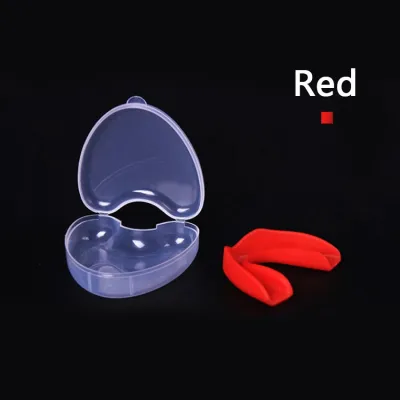
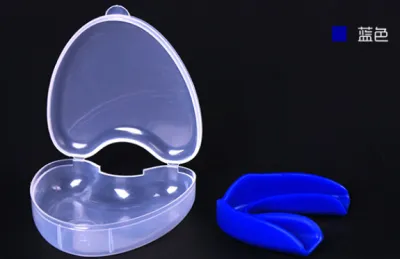
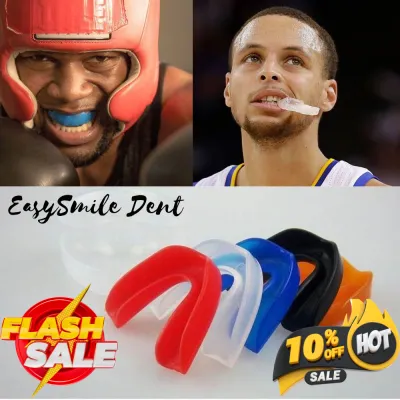
Prices are valid at publication and may change. Please refer to the product page for the latest price.
In contrast, a custom-fit dental mouth guard is fabricated from an exact physical or digital impression of your teeth. This impression is typically taken by a dental professional in a clinic or via a specialized home impression kit that is sent to a laboratory for fabrication. The laboratory uses vacuum-forming or pressure-lamination techniques to shape high-quality dental materials over a stone model of your teeth. This precise manufacturing process ensures that the guard conforms perfectly to every contour of your dentition, including the unique alignment of your teeth and the shape of your dental arch.
While both types aim to protect your teeth, their baseline expectations for fit accuracy and user involvement are fundamentally different. A boil-and-bite guard requires active, careful execution of the molding steps, with a high margin for user error that can result in a loose or uneven fit. A custom-fit guard removes this variable entirely, delivering a highly accurate adaptation that distributes pressure evenly across the entire dental arch. Furthermore, material quality and thickness vary widely by brand and manufacturer. Some boil-and-bite guards utilize advanced multi-layer polymers, while some custom-fit guards use varying shore hardness materials. Readers must check the manufacturer’s technical specifications rather than assuming all guards within a category are identical in material composition.
Protection and Impact Absorption in Boxing
In boxing, where the head and jaw are primary targets, the ability of a mouth guard to absorb and disperse impact is paramount. When a strike lands on the jaw, the force must be distributed evenly across the entire dental arch to prevent localized pressure on individual teeth. A custom-fit dental mouth guard excels in this regard because its precise molding ensures there are no gaps between the material and your teeth. This intimate contact allows the guard to act as a single, solid unit that stabilizes the jaw and minimizes the risk of tooth fractures, luxation, or soft-tissue lacerations caused by the teeth cutting into the lips and cheeks.

Boil-and-bite guards, while offering a basic level of protection, often suffer from uneven thickness after the molding process. When you bite down on the softened thermoplastic material, it is easy to bite too deeply in certain areas, thinning out the protective barrier where coverage is needed most. These thin spots, combined with potential gaps from an imperfect mold, can lead to concentrated force points during an impact. This uneven force distribution increases the risk of dental trauma and can fail to provide adequate jaw stabilization during heavy sparring or unexpected strikes.
To ensure you are getting adequate protection, always check the product specifications for thickness and construction details. For boxing and high-impact combat sports, a mouth guard should ideally have a thickness of 3mm to 5mm on the impact zones, often achieved through multi-layer construction. Look for visible safety certification labels or compliance standards on the packaging, which indicate that the product has undergone testing for impact resistance. Remember that a poorly molded boil-and-bite guard can severely compromise your safety, making proper boiling and biting technique critical if you choose this route.
Comfort, Fit, and Breathing Performance
The daily training experience in a boxing gym involves intense cardiovascular exertion, constant communication with coaches, and long periods of wearing protective gear. Standard boil-and-bite guards are often bulkier because they must accommodate a wide range of mouth shapes and sizes before molding. This excess material can feel intrusive, crowding the palate and triggering a strong gag reflex in sensitive individuals. The bulkiness can also make it difficult to close your lips fully, leading to dry mouth and discomfort during long training sessions.
Custom-fit guards, on the other hand, feature a streamlined profile that is trimmed and shaped precisely to your gum line. By removing unnecessary bulk while maintaining protective thickness where it matters most, these guards allow for natural breathing and efficient oxygen intake during high-intensity cardio rounds. This is especially critical in hot, humid tropical climates, where maintaining optimal airflow is essential for temperature regulation and stamina. Furthermore, a streamlined guard allows you to speak clearly with your coach or sparring partner without having to remove the device, facilitating better communication and safety in the gym.
You can perform several observable checks to determine if your dental mouth guard fits correctly. A properly fitted guard should stay firmly anchored to your upper teeth when you open your mouth, without requiring you to bite down or hold it in place with your tongue. It should not cause excessive salivation, gagging, or sharp pressure points against your gums. If the guard easily falls loose when you speak or open your mouth, it does not provide a secure fit and should be remolded or replaced to ensure your safety during training.
Cost, Durability, and Long-Term Value
Evaluating the financial investment of a dental mouth guard requires looking beyond the initial purchase price to consider durability and long-term value. Boil-and-Bite guards represent a highly accessible upfront cost, making them an easy entry point for beginners, casual fitness boxers, or those who need a temporary solution. In contrast, custom-fit options require a significantly higher initial investment in ₱, which covers the professional dental impression process, laboratory fabrication, and specialized materials. This higher cost can be a barrier for some, but it must be weighed against the frequency and intensity of your training.
The practical lifespan of any mouth guard depends heavily on your training frequency, sparring intensity, and maintenance habits. Over time, constant biting, clenching, and exposure to saliva will degrade the materials, causing them to lose their shape and protective qualities. Regularly inspect your guard for visible signs of wear and tear, such as tearing, a loss of its original shape, thinning of the bite surface (bite-through), or if the guard no longer stays securely on your teeth. If any of these signs are present, the guard must be replaced immediately to maintain adequate protection.
For dedicated boxers who train multiple times a week, a custom-fit guard often translates to a longer usable lifespan due to the high-quality, durable materials used in laboratory fabrication. While the upfront cost in ₱ is higher, the superior fit and durability can offer better long-term value compared to repeatedly replacing cheap, worn-out boil-and-bite models. Ultimately, the investment should align with your commitment to the sport and the level of protection your training demands.
Decision Framework: Choosing Your Dental Mouth Guard
Choosing the right dental mouth guard involves assessing your training profile, budget, and specific dental needs. To help you make an informed decision, consider the following actionable guidelines based on your training scenario.
Choose Boil-and-Bite if:
- You are a beginner or casual fitness boxer engaging primarily in shadowboxing, heavy bag work, or light, controlled drills.
- You are working within a strict budget and need immediate, accessible protection without waiting for laboratory fabrication.
- You need a temporary or backup guard for a sudden training session.
Choose Custom-Fit if:
- You engage in regular, high-intensity sparring or competitive bouts where heavy impacts are a constant factor.
- You experience breathing difficulties, a strong gag reflex, or discomfort with standard, off-the-shelf protective gear.
- You have a history of dental issues or prioritize maximum retention and comfort during long, demanding training sessions.
Verify first if:
- Your local gym, amateur boxing association, or tournament organizers have specific rules regarding mouth guard colors (e.g., prohibiting red or clear guards in some competitions) or certification requirements.
- You have existing orthodontic work, such as braces or retainers, which requires specialized consultation with your dentist or orthodontist before attempting to mold any guard.
Frequently Asked Questions (FAQ)
How do I properly clean and store my mouth guard after boxing?
Rinse your dental mouth guard thoroughly with cool, clean water immediately after every training session to remove saliva and sweat. Wash it gently using a soft-bristled toothbrush and mild, non-abrasive soap, ensuring you avoid hot water, which can warp the thermoplastic materials and ruin the fit. In humid tropical climates, proper storage is essential to prevent the growth of bacteria and mold. Always dry the guard completely before placing it in a dedicated, well-ventilated protective case. Always consult the manufacturer’s specific care instructions, as some advanced materials may require specialized cleaning solutions or have strict warnings against certain sanitizing agents.
Can I use a boil-and-bite mouth guard if I have braces?
Using a standard boil-and-bite guard with braces carries a high risk of the warm thermoplastic material flowing into and locking onto the brackets and wires. This can cause severe damage to your orthodontic appliances or injure your teeth and gums when you attempt to remove the guard. If you are undergoing orthodontic treatment, you should consult your orthodontist or dentist to obtain a specialized orthodontic mouth guard or a custom-fit alternative designed specifically to accommodate shifting teeth and protect your braces. If you experience any pain, pressure, or interference with your orthodontic appliances while using a mouth guard, stop using it immediately and seek professional dental guidance.
Community discussion
Share your experience or ask a question. Comments are reviewed before publication.