
Choosing the right boxing glove weight (measured in ounces or “oz”) is not about finding your hand size, but matching the glove’s padding to your specific training activity and body weight. Whether you are hitting focus mitts in a humid, open-air gym in the Philippines or preparing for heavy sparring, the weight of your gloves dictates how well your hands are protected and how safe your training partners remain. Selecting the wrong weight can lead to wrist strain, knuckle bruising, or even injuries to your sparring partners.
How Boxing Glove Weights (Oz) Affect Protection and Speed
In the world of combat sports, the term “oz” represents the weight of the glove, which directly correlates to the amount of protective padding built into it. It is a common misconception that a 16 oz glove has a larger hand compartment than a 10 oz glove. In reality, the physical hand pocket is often similar across different weights within the same brand, but the heavier glove contains more foam to absorb impact.
This design creates a fundamental trade-off between protection and speed. Lighter gloves, such as 8 oz or 10 oz, offer less wind resistance and less weight, allowing you to throw faster punches with sharp tactile feedback. However, they provide minimal shock absorption, transferring more force back into your joints.
Products mentioned in this guide
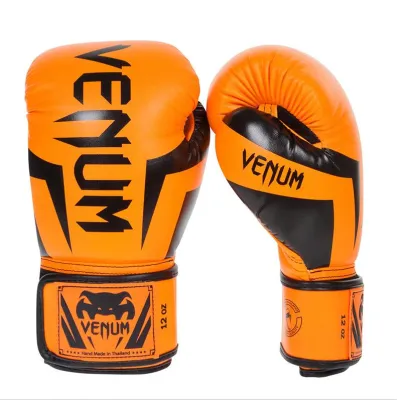
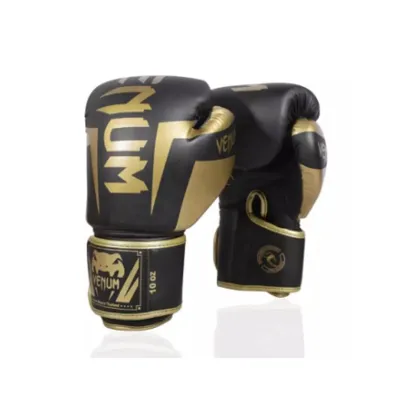
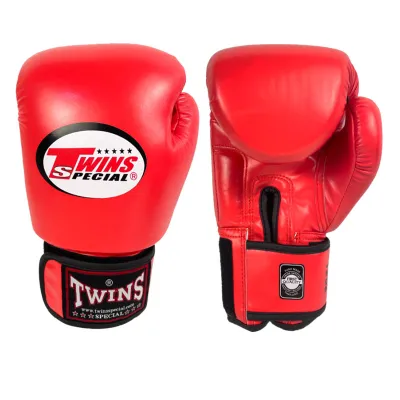
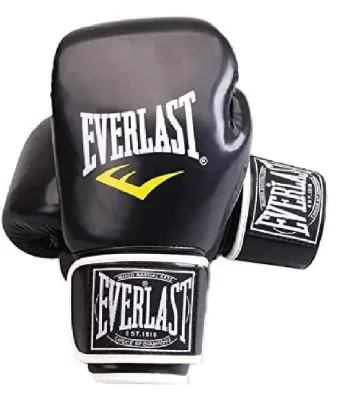

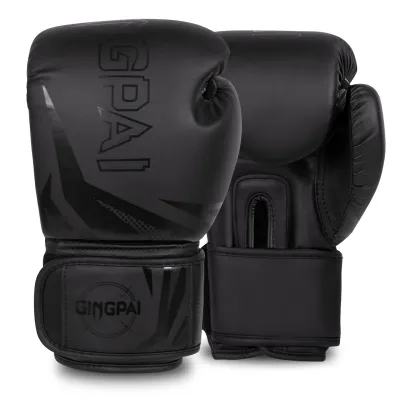
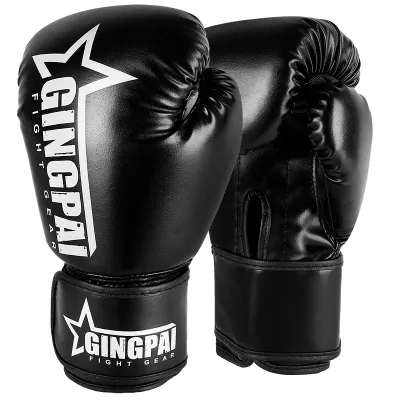
Prices are valid at publication and may change. Please refer to the product page for the latest price.
Conversely, heavier gloves like 14 oz or 16 oz slow down your hands slightly due to the extra mass, but they offer substantial cushioning. This extra padding dampens the force traveling back into your knuckles, wrists, and shoulders. Matching this padding density to your target impact surface is crucial for long-term joint health.
Choosing the Right Oz for Your Specific Training Scenarios
Different gym activities subject your hands to vastly different forces. To train safely and effectively, you must align your glove weight with your immediate training environment. Using a single pair of gloves for every drill can compromise your safety and accelerate equipment wear.

Pad Work and Focus Mitts
For focus mitts and Thai pads, speed, precision, and rapid combinations are the primary goals. Lighter gloves, typically ranging from 10 oz to 12 oz, are ideal for this type of training.
The reduced padding in these lighter weights allows you to feel the exact angle of impact, providing immediate tactile feedback on whether your punches are landing cleanly on the knuckles. Because focus mitts are held by a trainer who absorbs some of the force and moves dynamically, you do not require the massive shock-absorbing foam needed for solid, stationary targets.
This lighter weight also helps you maintain high hand speed and sharp accuracy throughout long conditioning rounds. It prevents premature shoulder fatigue, allowing you to focus entirely on your form, footwork, and defensive slips.
Heavy Bag and Pad Conditioning
When transitioning to the heavy bag, the physical demands on your hands change dramatically. A heavy bag is dense, often tightly packed, and offers high resistance. For this, a mid-weight glove of 12 oz to 14 oz is generally recommended, depending on your physical build.
Repetitive, high-force impacts against an unyielding heavy bag can quickly cause joint strain or knuckle damage if your gloves lack sufficient padding. You need a glove with dense, resilient foam and robust wrist support to keep your wrist aligned under heavy impact.
Using overly light or poorly padded gloves on a heavy bag is a frequent cause of chronic hand injuries; always verify that the knuckle area of your bag gloves remains firm and does not bottom out when pressed firmly.
Sparring and Partner Drills
Sparring is a high-risk activity where your equipment directly affects your partner’s safety. For this reason, the standard weight for sparring is almost universally 16 oz, though lighter individuals under 60 kg may sometimes use 14 oz under strict coach supervision.
Gym etiquette and safety rules in most reputable training centers strictly enforce a minimum of 16 oz for sparring. These gloves feature softer, more dispersed foam specifically engineered to cushion the blow for your partner rather than just protecting your own hands.
Sparring-specific gloves are designed to compress gradually, absorbing and spreading the kinetic energy of a punch across a wider surface area. Never enter a sparring session with hard, compact bag gloves, as this can cause unnecessary cuts, bruises, or concussions to your training partner.
Fine-Tuning Your Choice Based on Body Weight and Hand Size
While training type is the primary guide, your physical build must also influence your final decision. A heavier boxer naturally generates more kinetic energy and requires thicker padding to absorb that force, whereas a lighter boxer might struggle with the shoulder fatigue caused by excessively heavy gloves.
As a general framework, boxers weighing under 60 kg often find 12 oz to 14 oz sufficient for general training, while those over 80 kg should lean toward 14 oz to 16 oz for bag work to protect their joints.
Crucially, remember that hand circumference dictates the fit of the inner compartment, which is independent of the oz weight. Always check the manufacturer’s specific sizing charts, which usually map hand circumference (measured just below the knuckles) to the recommended glove size.
When trying on gloves, always wear your hand wraps; a glove that fits perfectly bare-handed will often feel painfully tight once your hands are properly wrapped for protection.
Can One Pair of Gloves Cover All Your Training Needs?
For beginners or those on a tight budget, purchasing multiple pairs of gloves immediately might not be practical. If you must rely on a single pair of gloves to cover all your training needs, a 14 oz glove is the most common compromise. It offers enough padding to protect your hands on the heavy bag while remaining light enough for pad work.
However, this compromise has serious limitations. If you use your 14 oz gloves to strike the heavy bag regularly, the dense impact will rapidly compress and degrade the internal foam. If you then take those same compressed gloves into a sparring session, the hardened padding will offer very little protection to your partner, violating basic gym safety.
Furthermore, training in tropical climates like the Philippines introduces high humidity and intense sweating. Using a single pair of gloves daily without allowing them to dry completely accelerates material rot and bacterial growth.
If your training routine evolves to include regular sparring alongside heavy bag conditioning, you should plan to invest in a dedicated second pair. Keep a firm, supportive 12 oz or 14 oz pair exclusively for bag and pad work, and reserve a soft, plush 16 oz pair solely for sparring. This division not only ensures your partner’s safety but also extends the overall lifespan of both pairs, making it a more cost-effective choice in the long run.
Frequently Asked Questions (FAQ)
Can I use the same gloves for sparring and heavy bag work?
Using the same pair of gloves for both activities is highly discouraged due to foam degradation. Repetitive, high-force impacts against a heavy bag compress and break down the specialized, soft foam layers designed to protect your sparring partners. Over time, this turns the glove into a hard, dense weapon that can easily cause cuts or injuries during partner drills. To maintain gym safety, keep your sparring gloves reserved exclusively for partner work.
Do heavier gloves make you punch harder?
No, heavier gloves do not increase your actual striking force on impact; in fact, due to basic physics, the added mass slows down your hand speed, which can slightly decrease peak impact force. However, training with heavier gloves (such as 16 oz) acts as excellent resistance training for your shoulders, back, and arms. When you switch back to lighter competition gloves or pad work, your hands will feel significantly faster, and your muscular endurance will be greatly improved.
Community discussion
Share your experience or ask a question. Comments are reviewed before publication.