
Selecting the correct boxing gloves requires balancing hand protection, training type, and body weight. The “oz” (ounces) measurement indicates the weight of the internal padding rather than the physical dimensions of the glove. Making the right choice ensures compliance with gym rules, protects your sparring partners, and prevents long-term hand injuries. To find your ideal glove, you must evaluate whether you will primarily use them for heavy bag training, partner sparring, or official competition, while adjusting the weight to match your physical build.
In the tropical climate of the Philippines, where high humidity and intense heat lead to heavy sweating during workouts, choosing the right glove weight and material is even more critical. Excess moisture can saturate the internal padding, temporarily altering the glove’s weight and accelerating the breakdown of protective foam. Understanding how padding weight behaves under these conditions will help you maintain your gear and protect your hands over hundreds of rounds.
Understanding Boxing Glove Weights (Oz) and Protection
The term “oz” stands for ounces, which represents the weight of the padding material built into the glove. It is a common misconception that a higher ounce rating automatically means a larger hand compartment. In reality, the internal hand pocket size is often standardized across several weights, or categorized separately as small, medium, or large, while the ounce rating strictly dictates how much protective foam or gel is layered over the knuckles.
Products mentioned in this guide
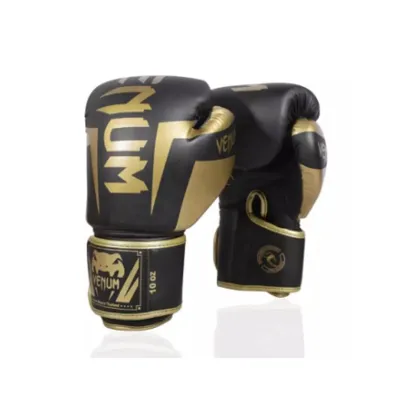
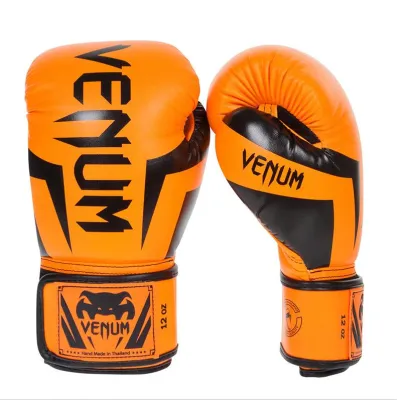
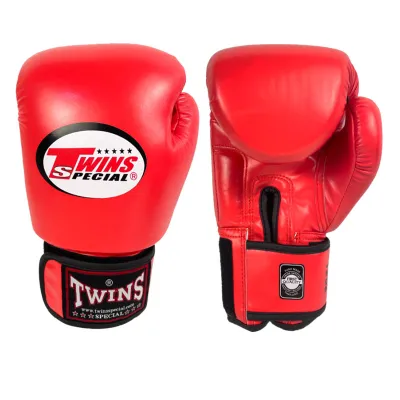
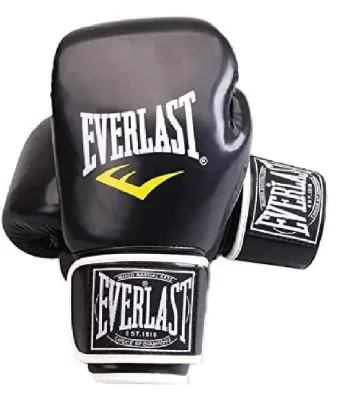
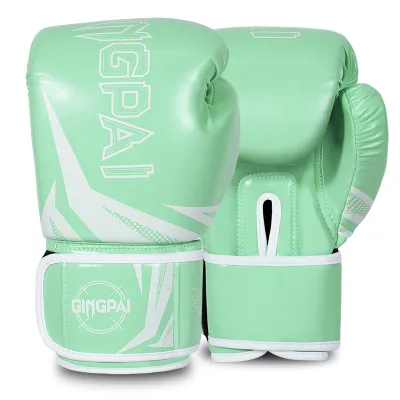
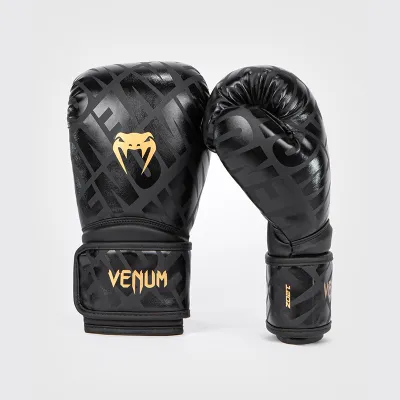
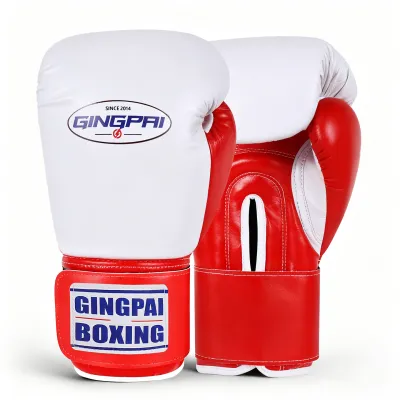
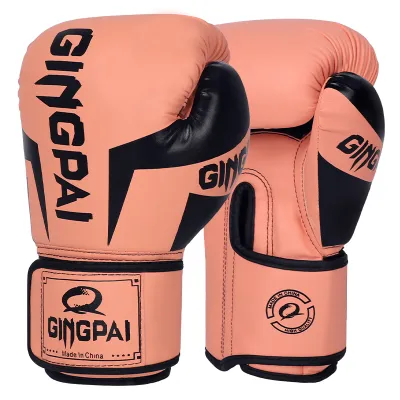
Prices are valid at publication and may change. Please refer to the product page for the latest price.
There is a direct relationship between a higher ounce rating, increased padding volume, and impact absorption. A 16 oz glove contains significantly more padding than a 10 oz glove, which slows down the deceleration of your punch upon impact and distributes the force over a wider surface area. This extra cushioning is vital for dampening the shock that travels back into your wrist, forearm, and shoulder joints when striking a target.
Because padding density and distribution vary widely among manufacturers, you should always check the product labels and specifications before purchasing. Some brands concentrate the weight around the knuckles for maximum front-end protection, while others distribute it evenly toward the wrist to provide extra support and balance. Checking these details ensures the glove matches your specific safety needs.
Matching Glove Oz to Your Training Purpose
Different training scenarios impose distinct impact and safety demands on your equipment. A glove that is highly effective for one type of training can be inefficient or even hazardous in another. Matching the ounce weight to your specific activity is the first step toward building a safe and productive training routine.

Heavy Bag Work and Pad Training
Striking dense heavy bags and focus mitts requires a glove with firm, shock-absorbing padding. Because heavy bags do not move or absorb impact the way a human body does, your knuckles and wrists bear the full force of every strike. Repetitive impact against these hard surfaces can lead to micro-fractures or chronic wrist strain if your gloves lack sufficient structural support.
For standard bag work and pad training, fitness enthusiasts and amateur boxers typically use gloves ranging from 12 oz to 14 oz. Lighter individuals may opt for 12 oz gloves to maintain hand speed and focus on technique, while heavier individuals or those looking to build shoulder endurance often prefer 14 oz options. These weights provide a practical balance between protection and mobility.
When selecting gloves for heavy bags, look closely at the wrist support features and padding firmness. Multi-layered foam systems are highly recommended for repetitive impact because they resist bottoming out. Additionally, a wide, rigid wrist strap helps keep your wrist aligned, reducing the risk of painful hyperextension when landing hooks or off-center punches.
Sparring Sessions
Sparring requires a completely different approach to glove selection, where the primary goal is the safety of both you and your training partner. Using thin or overly dense gloves during live sparring can cause unnecessary cuts, bruises, or concussions to your partner, which disrupts the learning environment of the gym.
To ensure mutual safety, most boxing gyms in the Philippines enforce a strict minimum requirement of 16 oz gloves for sparring sessions, regardless of the boxer’s weight. The extra padding in a 16 oz glove acts as a pillow, absorbing a significant portion of the kinetic energy before it reaches your partner. In some cases, lighter flyweight or strawweight fighters may be permitted to spar in 14 oz gloves, but this is highly dependent on gym policy.
Always consult your coach or gym manager before bringing your own gloves to a sparring session. Gym rules and coach instructions always dictate the final acceptable weight and padding type. Using unapproved, worn-out, or lightweight gloves for sparring is a serious safety violation that can result in being barred from the ring.
Competition and Amateur Bouts
Official competition and amateur bouts require highly standardized gear to ensure a fair playing field. Unlike training gloves, which prioritize long-term hand preservation, competition gloves are designed to be lighter and more compact. This design allows for faster hand speed and clearer scoring, while still offering a baseline level of protection.
In amateur and professional matches, the exact ounce requirements are strictly dictated by the sanctioning body, the fighter’s weight class, and the specific rules of the bout. For example, fighters in lighter weight classes typically compete in 8 oz or 10 oz gloves, while heavier divisions may require 10 oz or 12 oz gloves. These gloves feature a more streamlined profile and often use lace-up closures for a highly secure fit.
Because competition rules are rigid, you should never purchase competition-specific gear without verifying the official rulebook of your local athletic association or tournament organizers. Using non-compliant gloves will lead to disqualification at the weigh-in or pre-fight inspection, making it essential to double-check the required specifications beforehand.
Factoring in Your Body Weight and Hand Size
Your physical build plays a major role in determining the right glove weight. Heavier individuals naturally generate more kinetic energy and striking force, even during light training. Consequently, a heavier boxer requires a higher ounce glove to provide adequate impact dispersion and prevent the padding from compressing completely under heavy loads.
To find the right balance, you can use a general decision framework that cross-references your body weight with your intended training use:
- Under 55 kg (120 lbs): Use 10 oz to 12 oz gloves for bag work and pads. For sparring, use 14 oz gloves (subject to gym approval).
- 55 kg to 75 kg (120 lbs to 165 lbs): Use 12 oz to 14 oz gloves for bag work and pads. Use 16 oz gloves for all sparring sessions.
- Over 75 kg (165 lbs): Use 14 oz to 16 oz gloves for bag work to protect your knuckles. Use 16 oz or 18 oz gloves for sparring to ensure partner safety.
In addition to body weight, you must account for the volume of your hand wraps. Standard hand wraps add significant bulk to your knuckles and wrists, which directly affects how the glove fits internally. When trying on gloves, always wrap your hands first to ensure the glove’s hand compartment is snug but comfortable, without pinching your fingers or restricting blood circulation.
Cross-Scenario Compatibility: Can One Pair Do It All?
Many beginners ask if they can buy a single “middle-ground” pair of gloves, such as 14 oz, to handle both heavy bag work and light technical sparring. While this approach is highly economical, it involves significant trade-offs. A single pair used for everything will wear out much faster, and the padding will degrade unevenly under different types of impact.
Using dense bag gloves for sparring is highly discouraged and often banned in reputable gyms. Over time, striking a heavy bag compresses the foam padding, making it hard and stiff. If you use those same compressed gloves to spar, you risk injuring your partner’s face and ribs. Conversely, using soft sparring gloves on a heavy bag will quickly ruin the delicate foam, rendering them useless for partner work.
For dedicated practitioners, investing in a two-pair setup is the most practical and cost-effective strategy in the long run. You can expect to spend anywhere from ₱1,500 to ₱4,000 per pair for reliable mid-range options. Dedicating one pair of 12 oz or 14 oz gloves strictly to bag work and a separate pair of 16 oz gloves exclusively for sparring preserves the lifespan of the padding, maintains hygienic standards, and ensures maximum safety in each training context.
Key Fit and Safety Checks Before You Buy
Before finalizing your purchase at a local sports outlet or an online marketplace, perform a few essential fit and safety checks to ensure your gloves are safe and durable. First, always test the fit while wearing your standard hand wraps. Your fingertips should gently touch the top of the glove, and you should be able to form a natural, comfortable fist without straining your hand muscles.
Next, evaluate the wrist closure system based on your training environment. Hook-and-loop (Velcro) closures are highly convenient for daily training because they allow you to put on and take off your gloves without assistance. Lace-up closures offer superior joint stabilization and a custom fit, but they require a coach or training partner to tie them securely before every round.
Finally, inspect the physical construction of the gloves upon delivery. Check the stitching along the seams for any loose threads, and verify that the thumb attachment is fully aligned and securely stitched to the main body of the glove. A proper thumb attachment prevents your thumb from bending backward or poking your partner’s eye during training. Press down on the knuckle padding to ensure there are no hollow spots or uneven clumps in the foam, which could lead to immediate injury.
Frequently Asked Questions (FAQ)
Do heavier boxing gloves make you punch harder?
No, heavier boxing gloves do not increase your striking power. Instead, they add resistance that helps build shoulder endurance and conditioning during long training sessions. The primary purpose of the extra weight is to provide a larger volume of padding, which actually disperses the impact force and protects both your hands and your training partner.
How often should I replace my boxing gloves?
You should replace your boxing gloves based on observable signs of wear rather than a strict calendar timeline. Inspect your gloves regularly for permanently compressed or shifting padding, cracked outer material, and failing wrist straps. In humid tropical conditions, persistent foul odors that do not go away after drying indicate deep bacterial growth, which can weaken the inner lining and compromise hand hygiene.
Community discussion
Share your experience or ask a question. Comments are reviewed before publication.