
Quick Answer: Which Whistle Lace Is Safer for Referees?
When officiating a fast-paced football match, choosing the right whistle lace is a crucial decision that directly impacts both your personal safety on the pitch and your control over the game. For most football referees, a breakaway whistle lace is generally the safer option. The physical nature of football, combined with crowded penalty boxes and intense physical disputes, means that any cord worn around the neck carries an inherent risk of snagging or accidental grabbing. A breakaway mechanism mitigates this hazard by releasing instantly under pressure.
Conversely, standard laces offer unmatched durability and secure retention, ensuring your whistle never falls off mid-play. However, they carry a small but real risk of neck injury or strangulation if pulled forcefully. Ultimately, your choice should depend on the level of competition you officiate, the age group of the players, and the specific safety regulations of your local football association.
How Breakaway and Standard Whistle Laces Work
To make an informed decision, it is essential to understand the mechanical differences between these two lanyard designs. While both serve the primary purpose of keeping your whistle accessible, their structural engineering represents two entirely different philosophies regarding safety and reliability.
Products mentioned in this guide
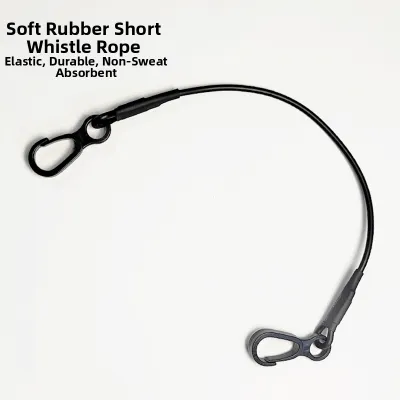
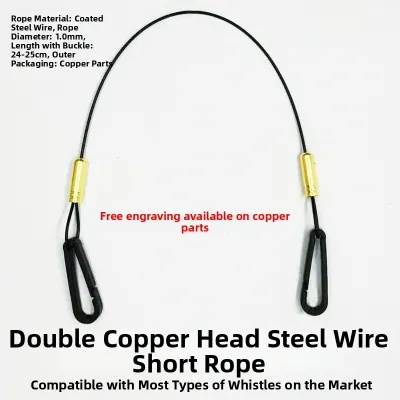
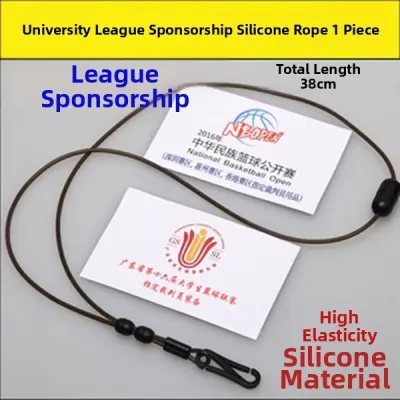
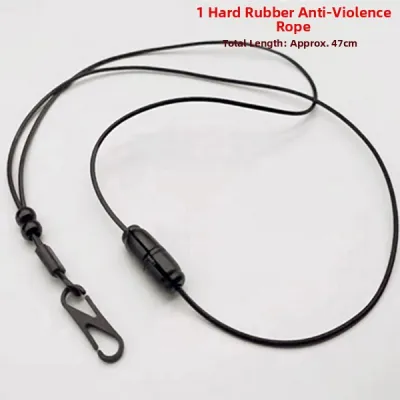
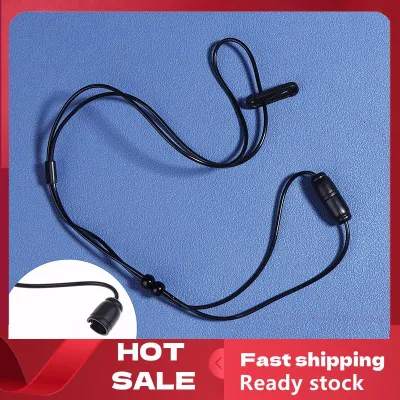
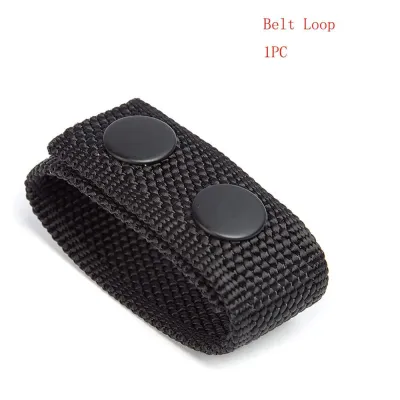
Prices are valid at publication and may change. Please refer to the product page for the latest price.

How Breakaway Whistle Laces Work
Breakaway whistle laces are engineered with a safety-first approach, incorporating a specialized quick-release clasp, magnetic coupler, or tension-sensitive plastic buckle. This mechanism is typically positioned at the back of the neck or along the sides of the cord. The clasp is designed to remain securely closed under the normal weight of a whistle and the gentle tension of regular running.
However, if the loop experiences a sudden, forceful pull—such as a player accidentally grabbing the cord during a chaotic set-piece or the lace catching on a training hurdle—the clasp immediately separates. By popping open under a specific, low-level threshold of tension, the breakaway mechanism prevents the cord from tightening around the referee’s throat, eliminating the risk of choking, friction burns, or cervical strain.
How Standard Whistle Laces Work
Standard whistle laces utilize a traditional, continuous-loop design constructed from high-strength materials such as braided nylon, polyester, or heavy-duty paracord. This loop is entirely unbroken, featuring no release mechanisms, weak links, or plastic separation points. The whistle is attached to the end of the loop via a metal split ring, a snap hook, or a secure knot.
Because there are no moving parts or failure points in the cord itself, a standard lace is incredibly robust. It is built to withstand years of intense physical activity, constant exposure to moisture, and heavy pulling without ever coming apart. The primary trade-off is that if the loop is subjected to sudden, violent tension, the material will not yield, transferring the entirety of the pulling force directly to the wearer’s neck.
What Matters Most on the Pitch: Safety vs. Reliability
Choosing the right equipment for a 90-minute match requires balancing physical safety with operational reliability. On a football pitch, where decisions must be made in fractions of a second, even a minor equipment distraction can compromise a referee’s control over the match.
Safety and Strangulation Risk
Football is a highly physical contact sport, and while referees attempt to maintain a safe distance from the active play, they frequently find themselves in close proximity to players. During corner kicks, free kicks, or heated goal-line scrambles, the penalty box becomes incredibly crowded. In these tight spaces, players jumping for headers or battling for position can easily flail their arms, creating a high risk of an accidental grab.
If a player’s hand, jersey, or equipment catches a standard whistle lace, the consequences can be immediate and painful. Without a release mechanism, a sudden pull can snap the referee’s head backward, causing neck strain, skin abrasions, or temporary choking. In highly humid tropical environments, such as afternoon matches in the Philippines where skin is slick with sweat, a tight nylon cord pulling against the neck can cause severe friction burns. A breakaway mechanism completely eliminates this danger by detaching the moment a player’s hand makes forceful contact with the loop.
Durability and Match Reliability
While safety is paramount, match reliability is a massive consideration for any serious official. A referee’s whistle is their primary tool of communication; without it, they cannot stop play, manage fouls, or maintain order. If a breakaway clasp is too sensitive or has worn out over time, it may accidentally release during a high-speed diagonal sprint, a sudden change of direction, or a dramatic hand gesture.
If your whistle detaches and falls into the grass during a fast counterattack, you are left temporarily powerless to stop a play or call an offside. Searching for a dark whistle in thick grass while a match continues around you is an administrative nightmare. Standard laces offer absolute peace of mind in this regard. Because there is no clasp to fail, a standard lace guarantees that your whistle remains exactly where you need it, regardless of how fast you run or how aggressively you signal.
Comfort and Mobility on the Pitch
Referees routinely cover between 10 to 12 kilometers during a standard 90-minute match, requiring continuous jogging, backward running, and explosive sprinting. This level of physical exertion demands lightweight, non-intrusive gear. In hot and humid climates, heavy, thick lanyards can become saturated with sweat, leading to discomfort and severe chafing around the collarbone and back of the neck.
Standard laces made of flat, woven polyester or lightweight paracord sit flush against the skin, minimizing movement and friction. On the other hand, some breakaway laces feature bulky plastic connectors or heavy magnetic clasps. If these clasps are positioned poorly, they can bounce rhythmically against your chest or collarbone during a sprint, causing distraction and skin irritation. When choosing a breakaway model, it is highly advisable to verify the clasp size, weight, and placement to ensure it does not interfere with your running mechanics.
Feature Comparison: Breakaway vs Standard Whistle Lace
To help you quickly evaluate the key differences between these two options, the following table summarizes their design characteristics, advantages, and limitations based on observable physical features.
| Feature | Breakaway Whistle Lace | Standard Whistle Lace |
|---|---|---|
| Safety Mechanism | Quick-release plastic clasp, magnetic connector, or weak-link buckle | None; continuous, unbroken loop of high-strength material |
| Strangulation Risk | Extremely low; detaches instantly under sudden tension | Moderate to high; will not break or release if pulled forcefully |
| Durability | Moderate; plastic clasps or magnets can wear out or break over time | High; resistant to heavy wear, tearing, and tension |
| Risk of Accidental Detachment | Low to moderate; can pop open if snagged on clothing or equipment | Virtually zero; remains securely attached under all conditions |
| Comfort and Weight | Variable; clasps can sometimes add bulk or bounce during sprints | High; flat, lightweight designs sit flush against wet skin |
| Best Suited For | Youth leagues, grassroots matches, and coaching sessions | Professional matches, elite leagues, and fitness testing |
Evaluating these features side-by-side highlights that neither option is universally superior. Instead, the right choice depends entirely on matching the specific design characteristics of the lace to your personal officiating environment and safety priorities.
Decision Framework: Which Whistle Lace Fits Your Role?
To determine which whistle lace is the most appropriate for your kit bag, consider the specific environment in which you operate. Your role, the age of the players you oversee, and the rules of your local governing body should guide your final decision.
Choose a Breakaway Lace If…
You should opt for a breakaway lace if you primarily officiate youth matches, school sports tournaments, or grassroots amateur leagues. In these settings, player discipline is still developing, game play can be highly chaotic, and players are much more likely to crowd or accidentally collide with the match officials. The presence of a safety release ensures that any accidental physical contact does not result in a neck injury.
Additionally, breakaway designs are highly recommended for coaches, physical education teachers, and training assistants. If you are setting up training grids, carrying goal nets, or leaning over agility hurdles, a standard lanyard can easily snag on a metal hook or plastic peg. A breakaway lace ensures that if you catch your lanyard on training equipment, the clasp will pop open safely before causing injury.
Choose a Standard Lace If…
A standard lace is the ideal choice if you officiate high-level, semi-professional, or professional matches. At these elite levels, player discipline is strictly maintained, physical contact with match officials is highly regulated, and the risk of a player grabbing your lanyard is exceptionally low. In these high-stakes matches, the absolute reliability of your equipment is your top priority; you cannot afford to have a safety clasp fail mid-play.
Standard laces are also excellent for solo training sessions, referee fitness tests, or closed-door practice matches. When you are running laps or performing high-intensity interval training, you want a lightweight, reliable cord that keeps your whistle secure without any risk of accidental detachment.
Verify First If…
Before purchasing any new match equipment, always verify the specific guidelines of your local football association, regional FA, or school athletic board. Many modern sports leagues and school districts mandate the use of breakaway lanyards for all match officials and coaches to minimize liability and protect staff from preventable injuries.
Furthermore, take a moment to check the physical compatibility of your gear. Ensure that the attachment clip or split ring on your chosen lace is thin enough to pass through the eyelet of your specific whistle. Some heavy-duty paracord laces feature thick attachment loops that may not fit smaller metal or plastic whistles without an additional adapter ring.
How to Inspect and Maintain Your Whistle Lace
Operating in tropical climates with high humidity and intense sunlight accelerates the wear and tear on sports gear. Regular inspection and proper maintenance are essential to keep your whistle lace functioning safely and reliably over multiple seasons.
For breakaway laces, perform a routine physical check before every match day. Gently pull on the clasp to verify that the release mechanism operates smoothly. It should snap open under moderate tension but remain firmly closed under light pressure. Over time, salt crystals from dried sweat, sunscreen residue, and field dirt can build up inside plastic clasps, either locking them shut or making them overly sensitive. If the clasp feels gritty or fails to snap cleanly, wash it thoroughly with fresh water.
For standard laces, inspect the entire length of the cord for visible signs of fraying, thinning, or weakened knots. Prolonged exposure to intense ultraviolet (UV) rays from the sun can degrade synthetic fibers like nylon and polyester, making them brittle and prone to snapping. If you notice any structural wear or fading, replace the lace immediately.
To prevent the buildup of bacteria, sweat odors, and mold, wash your whistle lace regularly. Hand wash the cord in warm, soapy water using a mild detergent, rinse it thoroughly with clean water, and allow it to air dry completely in a shaded, well-ventilated area. Always refer to the manufacturer’s care instructions to avoid using harsh chemicals that could degrade the plastic clasps or synthetic fibers of your lace.
Frequently Asked Questions (FAQ)
Can I use a breakaway whistle lace in professional football matches?
Whether you can use a breakaway lace in professional football depends entirely on the regulations of the specific league or governing body. While some professional associations permit or even encourage breakaway designs for referee safety, others require standard laces or specific wrist lanyards to maintain a traditional, uniform appearance. Always review the official tournament or league equipment guidelines before your match assignment.
How often should I replace my whistle lace?
There is no fixed expiration date for a whistle lace; replacement should be based on its observable physical condition. For standard laces, replace the cord as soon as you notice visible fraying, structural thinning, or weakened knots. For breakaway laces, replace the unit if the safety clasp becomes too loose to hold the weight of the whistle during a sprint, or if it fails to snap open under moderate tension.
Community discussion
Share your experience or ask a question. Comments are reviewed before publication.