
To practice Olympic-style martial arts safely, assembling a complete taekwondo shift gear set is the most critical step a practitioner can take before stepping onto the mat. Taekwondo is celebrated worldwide for its dynamic, high-speed kicking techniques, but the kinetic energy generated by these strikes can lead to severe injuries without proper protection. A comprehensive gear set ensures that every vulnerable zone—from the temples down to the toes—is shielded from high-impact forces. Understanding what components make up this protective suite is essential for athletes, parents, and coaches alike. By investing in a well-fitted, high-quality set of protective gear, martial artists can focus on refining their technique, speed, and strategy with the confidence that they are thoroughly protected against acute impact injuries.
Understanding Taekwondo Sparring Safety Requirements
The necessity of a complete protective gear set becomes obvious when analyzing the biomechanics of Taekwondo sparring. A trained practitioner can execute a roundhouse kick or a spinning back kick at high speeds, delivering a concentrated force that can easily cause fractures, deep tissue bruising, or concussions if left unmitigated. Protective gear acts as a vital deceleration barrier. By utilizing specialized foam materials, the gear absorbs a significant portion of the incoming kinetic energy and disperses it across a wider surface area, reducing the peak force experienced by the athlete’s body.
Safety standards and gear requirements are strictly dictated by the sport’s governing bodies, primarily World Taekwondo (WT) and the International Taekwon-Do Federation (ITF). These two organizations govern different styles of sparring, which in turn dictates the specific design and composition of the gear you must purchase.
Products mentioned in this guide
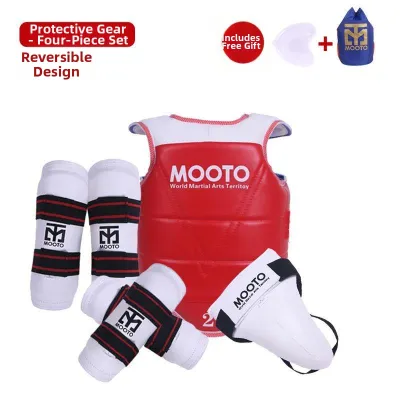
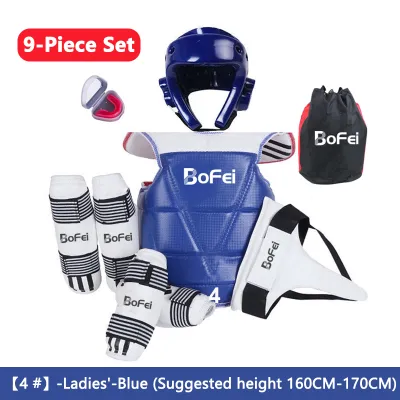
Prices are valid at publication and may change. Please refer to the product page for the latest price.
- World Taekwondo (WT): WT sparring is an Olympic discipline characterized by full-contact kicks to the torso and head. Because full-contact strikes are permitted, WT safety rules mandate a comprehensive array of gear, including a thick trunk protector (hogu), forearm guards, shin guards, a groin guard, a mouthguard, protective headgear, and specialized open-finger gloves and foot protectors. Modern WT competitions also utilize Electronic Scoring Systems (PSS), where electronic sensors are embedded directly into the hogu, headgear, and foot socks to automate point scoring based on impact force.
- International Taekwon-Do Federation (ITF): ITF sparring operates on a semi-contact or light-contact model, where controlled technique is prioritized over maximum power. Consequently, ITF sparring does not utilize a heavy trunk protector. Instead, the focus is on protecting the extremities and the head. ITF rules mandate heavily padded, closed-finger gloves (similar to point-fighting gloves) and padded foam boots that cover the entire foot, including the heel. These are paired with headgear, shin guards, a groin guard, and a mouthguard to ensure safety during rapid exchanges.
Beyond federation rules, safety requirements also vary based on the practitioner’s age, skill level, and competition class. For instance, junior and cadet divisions (typically athletes under the age of 14) often require headgear equipped with a full-face shield to prevent facial lacerations and dental injuries. Beginners and recreational martial artists practicing in a local dojang (training hall) may use simplified, non-electronic gear, but the fundamental requirement for complete bodily protection remains identical across all levels of play.
The Core Components of a Complete Taekwondo Shift Gear Set
Building a complete taekwondo shift gear set requires a systematic approach to protecting three major areas of the body: the head and face, the torso and groin, and the striking limbs. Each piece of equipment is engineered to address specific anatomical vulnerabilities.

Headgear and Mouthguard
Headgear Construction and Shock Absorption: The head protector is arguably the most critical safety item in any combat sport. It is designed to cushion the skull against direct kicks, reducing the risk of concussions, skull fractures, and severe bruising. High-quality headgear is constructed from high-density ethylene-vinyl acetate (EVA) foam, a material prized for its lightweight properties and exceptional shock attenuation. When selecting headgear, look for models with contoured ear guards that feature ventilation holes. These holes serve a dual purpose: they prevent painful air pressure buildup against the eardrums when a kick lands directly over the ear, and they allow the athlete to hear coaching instructions clearly during a match.
Design Variations (Closed-Face vs. Open-Face): Open-face headgear is the standard choice for adult WT sparring. It offers excellent ventilation and maximizes peripheral vision, allowing the fighter to spot incoming high kicks from the side. However, for children, cadets, and beginners, closed-face headgear is highly recommended. This design incorporates a clear, high-impact polycarbonate face shield or a protective cage over the front of the helmet. This shield prevents direct contact to the nose, eyes, and mouth, virtually eliminating the risk of facial fractures and lacerations while building the confidence of younger practitioners.
Mouthguards: A boil-and-bite or custom-molded mouthguard is a mandatory requirement in almost all sparring environments. Placed over the upper teeth, the mouthguard acts as a shock-absorbing cushion that prevents the lower jaw from violently slamming into the upper jaw during an impact. This cushioning effect is vital for preventing dental fractures, jaw dislocations, and tongue lacerations. Furthermore, by stabilizing the jaw joint, a properly fitted mouthguard helps reduce the upward transmission of shock to the skull, offering an additional layer of protection against concussions.
Trunk Protector (Hogu) and Groin Guard
The Hogu (Chest Protector): The trunk protector, universally known as the hogu, shields the vital organs of the torso, including the ribs, sternum, kidneys, and collarbones. It features a reversible design with one side colored blue (cheong) and the other red (hong) to assist judges in scoring. The hogu is secured to the body using a system of tie-back strings or heavy-duty hook-and-loop straps. It must fit snugly against the torso; a loose hogu will shift during movement, exposing the ribs and collarbones, while an overly tight hogu will restrict the athlete’s lung expansion and limit upper-body mobility.
Standard vs. Electronic Hogu: Standard foam hogus are the workhorses of the dojang, perfect for daily training, technical sparring drills, and local club tournaments. They are filled with layers of shock-absorbing foam wrapped in a durable synthetic leather shell. In contrast, official WT-sanctioned tournaments require electronic hogus (such as those manufactured by Daedo or KP&P). These advanced protectors feature embedded electromagnetic sensors that communicate wirelessly with scoring software. When a strike of sufficient force lands on a valid scoring area, the system automatically registers the point. Using an electronic hogu requires the athlete to wear matching sensor-equipped foot socks to trigger the scoring mechanism.
Groin Guard: The groin guard is an essential, non-negotiable safety component for both male and female practitioners. It features a hard-shell plastic or composite cup encased in padded foam, secured by a wide, supportive elastic waistband. Male groin guards feature a deeper, contoured cup, while female groin guards utilize a flatter, wider protective plate designed specifically for female anatomy. Worn discreetly underneath the dobok (uniform) trousers, this guard protects highly sensitive areas from accidental low kicks, which are common occurrences during fast-paced sparring exchanges.
Limb Protectors: Shin, Forearm, and Extremities
Shin and Forearm Guards: During a sparring match, the shins and forearms endure repetitive, high-velocity impacts. Forearms are constantly used to block incoming kicks, while the shins are the primary striking surface for roundhouse kicks. Without protection, bone-on-bone contact can result in severe bruising, periosteal inflammation, or even stress fractures. High-quality shin and forearm guards feature contoured EVA foam padding wrapped in a durable polyurethane (PU) leather shell, designed to curve naturally around the limbs for maximum coverage.
Strap-Based vs. Sleeve-Style Designs: When choosing limb guards, you will encounter two primary closure systems. Strap-based guards utilize two or three adjustable elastic straps with hook-and-loop closures. They are highly adjustable, easy to put on over clothing, and can accommodate varying calf and forearm sizes. Sleeve-style guards, on the other hand, feature a continuous elasticized fabric or neoprene sleeve that slides over the arm or leg, holding the integrated padding firmly against the skin. Sleeve-style guards are highly favored by advanced athletes because they offer a streamlined fit and are far less likely to slip or shift when the athlete becomes heavily saturated with sweat.
Sparring Gloves: The choice of gloves depends entirely on the sparring style. WT-style sparring gloves are lightweight, open-fingered, and feature a thin layer of padding over the knuckles and the back of the hand. This design allows the athlete to make a natural fist while keeping the fingers free for clinching and grabbing maneuvers allowed under WT rules. ITF-style gloves are closed-finger, heavily padded mitts that resemble small boxing gloves. They provide substantial cushioning for hand strikes, protecting both the attacker’s knuckles and the opponent’s face or body from high-impact punches.
Foot Protectors: Foot protectors shield the delicate metatarsal bones, toes, and ankle joints from injury during powerful kicking exchanges. In WT sparring, these take the form of lightweight, padded foot socks (often integrated with electronic sensors for competition) that cover the instep and ankle while leaving the sole bare for traction. In ITF sparring, foot protectors are thick, molded foam boots that wrap around the entire foot, covering the toes, instep, and heel completely, with open soles to maintain grip on the mat.
How to Select the Right Materials and Fit
Selecting the right materials and ensuring a precise fit are critical factors that directly impact both the safety and longevity of your taekwondo shift gear set. Investing time in evaluating these criteria before making a purchase ensures that your gear performs optimally under pressure.
Material Evaluation
Outer Shell Durability: The outer shell of sparring gear is constantly subjected to friction, impact, and sweat. Polyurethane (PU) synthetic leather is the industry standard for high-quality sparring gear. It offers an excellent balance of tear resistance, flexibility, and affordability, and it is highly resistant to moisture absorption. While genuine leather guards exist and offer unmatched durability and a premium feel, they are significantly more expensive and require meticulous maintenance to prevent the leather from rotting or cracking due to sweat exposure.
Inner Foam Density: The protective capability of any guard lies in its internal padding. Budget-friendly gear often utilizes single-layer EVA foam, which is lightweight but can bottom out under heavy impacts, transferring the force directly to the body. High-performance sparring gear utilizes multi-layered impact foam. This design combines a high-density outer layer of EVA or polyethylene foam to disperse the initial impact force across a wide area, paired with a softer, low-density inner layer of polyurethane foam to cushion the body and absorb the remaining energy.
Sizing Guide
Accurate Measurements: To achieve a secure and protective fit, you must take precise physical measurements rather than relying on general clothing sizes.
- Headgear: Measure the circumference of your head using a flexible tape measure, wrapping it around the widest part of your skull, approximately one inch above your eyebrows.
- Hogu: Sizing is typically categorized from Size 0 (for young children) up to Size 6 (for large adults). Measure your chest width around the fullest part of your torso, and compare it to the manufacturer's height and weight recommendations.
- Shin and Forearm Guards: Measure the length of your shin bone from just below the kneecap to the top of the ankle joint. For forearm guards, measure from the elbow joint to the wrist crease.
The Danger of Poor Fit: You must strictly avoid purchasing oversized gear with the expectation of “growing into it.” Oversized headgear can slip during a match, blocking your vision at a critical moment or exposing your temples to direct hits. Loose shin or forearm guards will spin around the limb upon impact, leaving the bone completely unprotected against the next strike. Conversely, gear that is too tight will restrict blood circulation, cause premature muscle fatigue, and limit your range of motion, making it difficult to execute high kicks or rapid defensive blocks.
Weight and Mobility Trade-offs
Finding the Balance: There is an inherent trade-off between the level of protection a piece of gear provides and the mobility it allows. Thicker, heavier padding offers maximum safety, making it the ideal choice for beginners, young children, and intense heavy-sparring sessions where safety is the absolute priority. However, this added weight can slow down your kicking speed and accelerate fatigue over a multi-round match.
Tailoring to Your Level: Advanced competitors often opt for lighter, more streamlined gear that meets the minimum safety specifications of their governing body. This lightweight design maximizes speed, agility, and reaction times, but it requires a high level of technical skill and defensive awareness to compensate for the reduced padding. When building your set, honestly assess your skill level, age, and sparring intensity to choose the right balance between maximum protection and optimal mobility.
Maintaining Your Gear in a Humid Climate
Maintaining protective gear presents unique challenges in the tropical climate of the Philippines. High average temperatures combined with relative humidity levels that frequently exceed 80 percent create a perfect breeding ground for bacteria, mold, and mildew. When sweat saturates your sparring gear, it carries body oils and bacteria into the porous foam and fabric linings. Without proper care, this moisture trapped in the humid air leads to persistent, foul odors and accelerates the chemical breakdown of synthetic leather and foam adhesives, significantly shortening the lifespan of your investment.
To protect your health and extend the life of your taekwondo shift gear set, implement a strict post-training care routine immediately after every session:
- Wipe Down: As soon as you finish training, wipe down all non-porous surfaces of your headgear, hogu, shin guards, and forearm guards using a clean, damp microfiber cloth. For a deeper clean, use a mild, diluted solution of dish soap or a specialized sports gear cleaner. Avoid using harsh chemical solvents, bleach, or abrasive scrubbing pads, as these will strip the protective coating off the PU leather and cause it to peel.
- Air Dry: Hang all your gear in a well-ventilated, shaded indoor area. Active airflow is crucial for evaporating moisture in humid conditions; placing an electric fan to blow air directly onto your hanging gear will drastically reduce drying times and prevent mold spores from taking root.
- Strictly Avoid Direct Sunlight: While it may be tempting to hang your wet gear on an outdoor clothesline under the hot sun, this must be strictly avoided. Intense ultraviolet (UV) radiation and high heat will rapidly dry out the synthetic PU leather, causing it to crack, stiffen, and peel. Furthermore, excessive heat can warp the internal EVA foam, permanently altering the shape of your headgear or hogu and ruining its protective capabilities.
In addition to drying, proper deodorizing and storage practices are essential for keeping your gear fresh:
- Deodorizing Inserts: Place non-toxic deodorizing inserts, such as activated charcoal bags, bamboo charcoal sachets, or cedar wood chip inserts, inside your headgear, sparring gloves, and foot protectors. These natural materials actively absorb residual moisture and neutralize organic odors from the inside out.
- Antibacterial Sprays: Lightly mist your gear with a specialized, non-corrosive antibacterial sports spray after it has dried. Look for formulas that are skin-safe and free from harsh alcohols that can dry out synthetic leather.
- Breathable Storage: Never leave your damp sparring gear zipped up inside a gym bag overnight. This creates a highly humid, dark environment that guarantees bacterial growth. Instead, transport your gear in a highly breathable mesh sports bag, and remove it to air dry as soon as you arrive home.
Frequently Asked Questions (FAQ)
Can I use the same gear for both training and official competitions?
While basic foam sparring gear is perfectly suitable for daily dojang training, technical drills, and light club sparring, official tournaments have strict certification requirements. For WT-sanctioned events, your gear must display the official WT-approved logo, and electronic scoring matches will require specific electronic sensor socks compatible with the tournament’s PSS brand (such as Daedo or KP&P). ITF tournaments require gear that complies with ITF safety specifications, including closed-finger gloves and full-coverage boots. Always check with your instructor or the tournament organizers before purchasing gear intended for official competition to avoid disqualification or unnecessary expenses.
How often should I replace my sparring headgear and hogu?
Protective EVA foam naturally compresses and loses its shock-absorbing capabilities over time, even if the exterior of the gear looks undamaged. As a general rule, active practitioners who train multiple times a week should replace their headgear and trunk protectors every 1 to 2 years. However, you must replace any piece of gear immediately if you notice visible cracks or deep creases in the foam, peeling or flaking outer shells, broken straps, or if the padding feels soft and no longer rebounds when firmly pressed. Using degraded gear significantly increases your risk of injury during sparring.
Community discussion
Share your experience or ask a question. Comments are reviewed before publication.