
For a beginner entering the shooting sports, the sheer volume of available upgrades and modifications can be overwhelming. It is common to see highly customized firearms on the range, but a new shooter should prioritize accessories that directly improve reliability, ergonomics, and basic handling. Rather than focusing on cosmetic enhancements, your initial investments should center on building a stable, consistent, and safe shooting foundation.
Before purchasing any accessories, you must identify your specific firearm platform and define your primary shooting goals. The accessory ecosystem for an AR-15 is vastly different from that of an AK-pattern rifle, a shotgun, or a semi-automatic pistol. An accessory that is highly beneficial for one platform may be completely incompatible with another. Additionally, your primary use case—whether it is weekend range practice, home defense, or local practical shooting competitions—will dictate which upgrades offer the most practical value.
To avoid spending money on unnecessary gear, establish a clear baseline of what your firearm currently lacks. Take your stock firearm to the range and observe how it feels during operation. Do your hands slip when the grip gets warm or wet? Do you struggle to maintain a consistent cheek weld on the stock? Are your reloads slow or awkward? Answering these questions first ensures that every accessory you purchase serves a specific, functional purpose.
Products mentioned in this guide
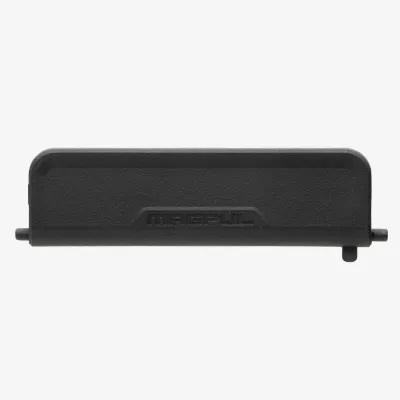
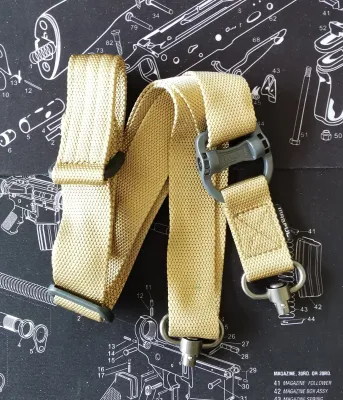
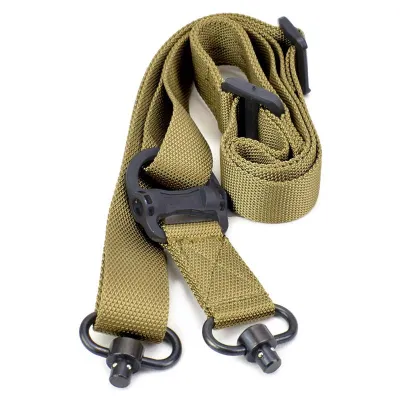
Prices are valid at publication and may change. Please refer to the product page for the latest price.
Magazine Management and Loading Tools
Reliable ammunition feeding is the single most critical factor in firearm performance. Many factory firearms ship with basic magazines that may not withstand the rigors of high-volume training. Upgrading to high-quality polymer magazines is one of the most cost-effective ways to ensure consistent feeding and reduce malfunctions at the range.
When evaluating polymer magazines, look for specific design features that indicate durability and reliability. High-quality options typically feature heavy-duty polymer construction, stainless steel springs, and anti-tilt self-lubricating followers. You should regularly inspect the feed lips of your magazines for any signs of spreading or cracking, and verify that the magazine body is rated for your specific caliber. For example, while some magazines can physically chamber both 5.56x45mm NATO and .300 AAC Blackout, using caliber-specific magazines prevents dangerous cross-loading errors.
In addition to the magazines themselves, handling accessories can significantly improve your reload efficiency. Magazine pullers—the classic rubber loops that attach to the base of a magazine—provide a secure finger grip for quick extraction from tight nylon pouches. This is especially useful when training in hot, humid conditions where sweat can make your hands slick. Similarly, loading assist tools help compress the magazine spring during loading, saving your thumbs from fatigue and ensuring you can load to full capacity without straining your hands.
Slings for Carry and Shooting Stability
A quality sling is not merely a carrying strap; it is a fundamental tool for safety, retention, and shooting stability. Just as a holster is essential for a handgun, a sling is essential for a rifle or shotgun. It allows you to secure the firearm close to your body when your hands are busy, preventing accidental drops and managing physical fatigue during long days at the range.

When choosing a sling, you will primarily decide between single-point and two-point configurations:
- Single-Point Slings: These attach to a single mount point near the rear of the receiver. They allow for rapid transitions from shoulder to shoulder, making them popular for tight spaces. However, they allow the firearm to swing freely when you let go, which can cause the muzzle to strike your knees or thighs when moving.
- Two-Point Slings: These attach at two separate points—typically one near the front handguard and one near the rear stock. This configuration holds the firearm flat against your torso, providing superior weight distribution and security. For beginners, a two-point sling is highly recommended because it can also be wrapped around the support arm to create tension, stabilizing your aim when shooting from standing or kneeling positions.
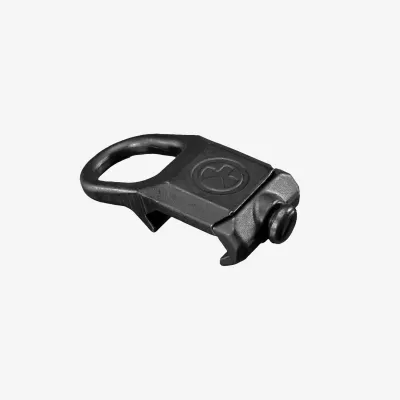
Before purchasing a sling, verify your firearm’s existing attachment points. Many modern handguards and stocks feature integrated Quick-Detach (QD) sling swivel cups, while older or more traditional setups may require simple loop attachments or Picatinny rail adapters. Ensure you select a sling with matching hardware. Additionally, look for a sling with an integrated quick-adjust slider, which allows you to instantly tighten the webbing for secure carry or loosen it for a full range of motion when presenting the firearm.
Ergonomic Upgrades: Grips and Stocks
Your physical contact points with the firearm dictate how well you can control recoil, maintain a steady sight picture, and operate the controls. Upgrading these contact points can dramatically improve comfort without altering the internal mechanics of the firearm.
Replacing a standard factory pistol grip is one of the simplest and most impactful ergonomic upgrades you can make. Factory grips often feature a steep angle designed for older, bladed shooting stances. Modern pistol grips offer a more vertical angle, which aligns the wrist naturally when shooting with a collapsed stock or in a modern, squared-up stance. Look for grips with aggressive texturing to ensure a secure hold in wet or humid environments, and consider models that feature internal storage compartments for storing spare batteries, small parts, or cleaning supplies.
Adjustable stocks allow you to customize the length of pull—the distance from the trigger to the butt of the stock—to match your physical build and clothing. A stock that is too long forces you to stretch your arms, reducing control, while a stock that is too short can cramp your shooting position. When selecting an adjustable stock, ensure it matches the specific receiver extension tube on your rifle, and look for models that offer a comfortable cheek weld and a rubber butt-pad to help mitigate felt recoil.
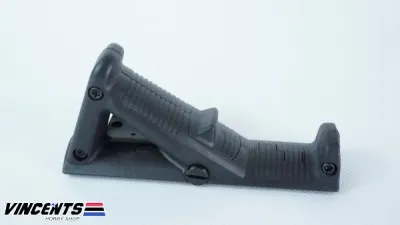
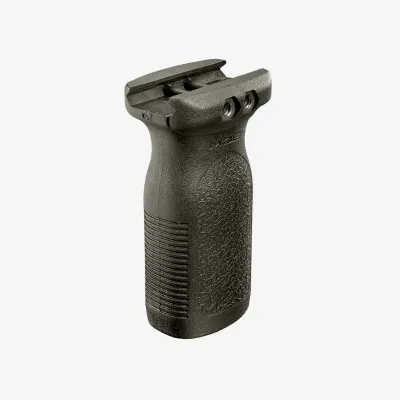
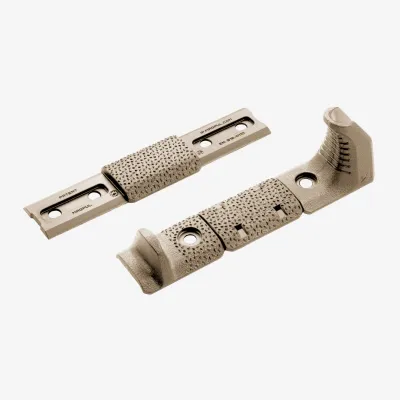
Foregrips and hand stops attach to the handguard to assist your support hand. A vertical or angled foregrip provides a consistent indexing point, ensuring your hand lands in the exact same position every time you present the firearm. This consistency improves muzzle control and prevents your hand from accidentally sliding forward near a hot barrel or muzzle brake. Hand stops offer a minimalist alternative, providing a physical barrier that keeps your hand locked into a secure, repeatable position.
Verifying Compatibility and Avoiding Fitment Issues
One of the most common pitfalls for beginner shooters is purchasing accessories that do not physically fit their firearm. Even within a single platform like the AR-15, there are subtle dimensional differences that can prevent proper installation.
The most critical compatibility check for AR-15 stocks is the distinction between mil-spec and commercial-spec receiver extensions (buffer tubes). Mil-spec tubes have an outer diameter of approximately 1.14 inches and a flat rear face, while commercial tubes have an outer diameter of approximately 1.17 inches and often feature a slanted rear face. A mil-spec stock will not slide onto a commercial tube, and a commercial stock will wobble excessively on a mil-spec tube. Always measure your buffer tube with a caliper or consult your firearm’s manufacturer specifications before purchasing a replacement stock.
Beyond buffer tubes, you must verify the mounting interface on your handguard. Modern handguards typically use either the M-LOK system (featuring rectangular slots) or the older Picatinny rail system (featuring raised ridges). Ensure that any foregrips, light mounts, or sling attachments you purchase match the specific mounting system of your handguard. Additionally, check that polymer magazines clear your firearm’s magazine well smoothly; some non-standard or billet receivers have tighter tolerances that may prevent polymer magazines from dropping free.
If you encounter resistance during installation, do not force the parts together. Forcing a tight fit can strip threads, crack polymer components, or damage your firearm’s receiver. If an accessory requires specialized tools—such as a barrel nut wrench or a castle nut wrench—or if you are unsure of the fitment, stop immediately and consult a qualified gunsmith to ensure safe and proper installation.
Planning a Phased Upgrade Path
Building your ideal firearm setup should be a gradual process. Trying to install every accessory at once can make it difficult to determine which upgrades are actually helping your shooting performance. A phased approach allows you to budget your purchases, starting with essential safety and reliability gear before moving on to comfort and specialized tools.
- Phase 1: The Essentials (₱1,500 – ₱5,000): Focus entirely on safety, basic carry, and reliable feeding. Start by purchasing two or three high-quality polymer magazines and a durable two-point sling with the appropriate mounting hardware. This basic setup is all you need to safely attend introductory training courses and practice fundamental marksmanship.
- Phase 2: Ergonomics and Control (₱3,000 – ₱8,000): Once you are comfortable with the basic operation of your firearm, address your physical contact points. Upgrade to an ergonomic pistol grip that fits your hand size, and select an adjustable stock to optimize your length of pull. These changes will immediately improve your comfort and recoil management during longer range sessions.
- Phase 3: Specialized Enhancements (₱4,000+): As your skills develop and you identify specific areas for improvement, consider adding specialized accessories. This includes hand stops or angled foregrips for better muzzle control, magazine loading aids for high-volume training, and specialized mounts for tactical lights or optics. By spacing out these purchases, you ensure that every upgrade is tailored to your actual shooting style.
Frequently Asked Questions (FAQ)
How can I verify if a Magpul accessory is authentic?
To verify authenticity, closely inspect the physical construction of the accessory. Genuine polymer accessories feature clean molding lines, crisp and deeply engraved logos, and a consistent, matte, high-quality polymer texture. Counterfeit products often exhibit rough or sharp molding seams, blurry or shallow logo stampings, and a shiny, cheap plastic appearance. Additionally, check the packaging for correct barcodes, high-quality printing, and official branding. To guarantee you are purchasing genuine, duty-grade equipment, buy exclusively from authorized local dealers, official brand stores, or reputable sporting goods retailers.
Do polymer accessories require special maintenance in humid climates?
Yes, polymer accessories require basic maintenance to ensure longevity in tropical environments. While high-quality polymer is highly resistant to moisture, rot, and UV damage, sweat, body oils, and carbon residue can accumulate on textured surfaces, creating a breeding ground for mold. After every range session, wipe down all polymer surfaces with a damp cloth and dry them thoroughly. Pay close attention to any integrated metal hardware, such as QD cups, mounting screws, and sling swivels. These metal components can rust in high humidity, so you should regularly apply a light coat of protective gun oil to prevent corrosion.
Community discussion
Share your experience or ask a question. Comments are reviewed before publication.