
Selecting your first firearm accessories can feel overwhelming, but focusing on high-contact touchpoints and basic handling tools is a highly practical way to build a reliable setup. For a beginner shooter, starting with essential Magpul products like a durable two-point sling, ergonomic grip upgrades, and reliable polymer magazines offers immediate handling benefits. These components address the physical interface between you and your firearm, improving control and safety without requiring complex modifications or excessive spending. By prioritizing functional handling over aesthetic upgrades, you establish a solid foundation for skill development at the range.
How to Assess Your Firearm and Shooting Needs
Before purchasing any aftermarket accessories, you must evaluate the baseline configuration of your firearm. Many factory-standard firearms come equipped with basic furniture that may not fully accommodate your physical proportions or specific shooting goals. Identifying these initial limitations—such as a grip that feels too narrow or a stock that does not allow for a comfortable cheek weld—helps you target your purchases effectively. This targeted approach prevents you from buying components that do not address a genuine handling deficiency.
The primary shooting discipline you plan to pursue should dictate your accessory choices. A setup optimized for static range practice from a benchrest requires different features than one intended for dynamic action shooting sports or outdoor hunting. For instance, dynamic movement demands secure retention and rapid transition capabilities, whereas bench shooting prioritizes stability and consistent positioning. Clearly defining how and where you will use your firearm ensures that every modification serves a practical purpose.
Products mentioned in this guide
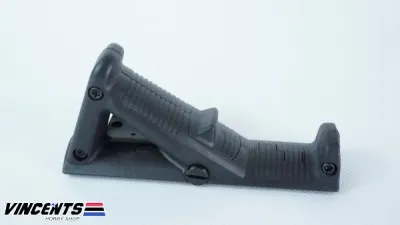
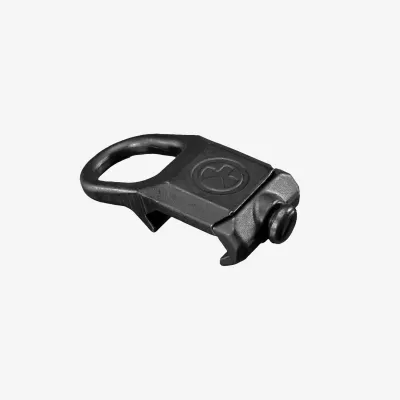
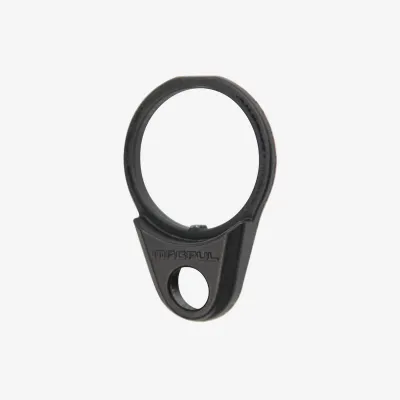
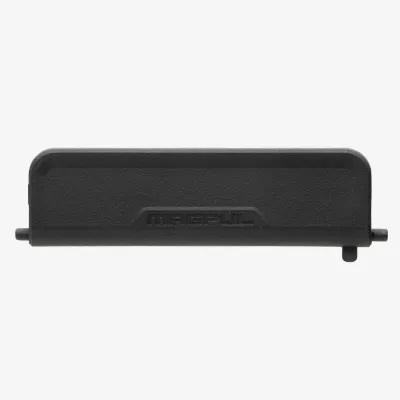
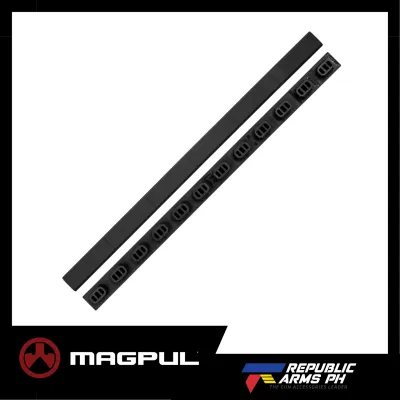
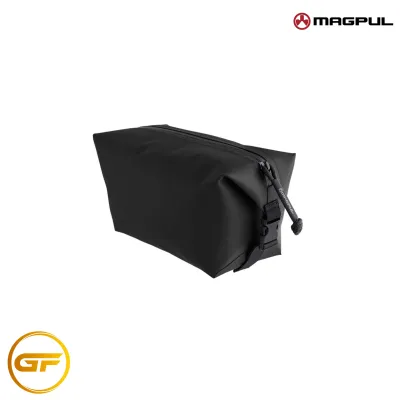
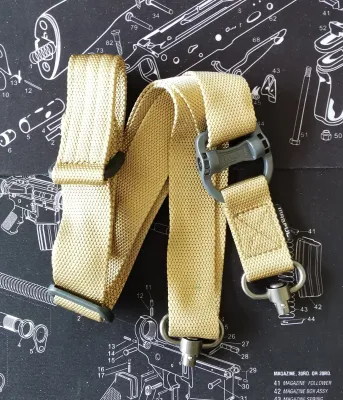
Prices are valid at publication and may change. Please refer to the product page for the latest price.
Environmental factors also play a significant role in how you should configure your firearm. In tropical climates like the Philippines, high humidity, intense heat, and frequent rainfall can rapidly affect both the shooter and the equipment. Moisture from sweat or rain can compromise your hold on a smooth factory grip, while salt air in coastal areas can accelerate the corrosion of metal components. Selecting accessories designed to withstand these specific environmental challenges is crucial for long-term reliability.
Finally, personal ergonomics must guide your selection of adjustable components. Every shooter has unique physical parameters, including hand size, arm length, and shoulder structure. A stock or grip that works well for one person may cause strain or improper trigger reach for another. By assessing your body mechanics and how you naturally mount the firearm, you can identify which adjustable stocks, grip angles, and handguard lengths will provide the most natural and repeatable shooting posture.
Core Magpul Categories for a Functional Starter Setup
When building a starter setup, the most effective strategy is to focus on high-contact and high-wear areas first. These are the points where your body physically interacts with the firearm, or where mechanical reliability is most critical for consistent operation. Upgrading these core areas provides the most noticeable improvement in handling, recoil management, and overall comfort.

By cross-referencing your firearm’s intended use with your physical profile, you can narrow down the vast catalog of accessories to a few essential categories. For a beginner, these categories typically include slings and attachment hardware, magazines and storage solutions, and ergonomic furniture such as grips, stocks, and handguards. Prioritizing these areas ensures that your initial investment directly translates to better control and a safer shooting experience.
Slings and Attachment Hardware
A sling is one of the most critical safety and utility accessories for any long gun, serving as the primary means of carrying and securing the firearm. Slings generally fall into three configurations: single-point, two-point, and convertible systems. Single-point slings attach at a single connection near the rear of the receiver, allowing for rapid transitions but offering minimal stability when hands-free. Two-point slings attach at two separate points along the firearm, providing excellent weight distribution, stability, and support during movement. Convertible slings allow you to switch between these configurations depending on the immediate scenario.
To utilize a sling effectively, you must match the attachment hardware to your firearm’s existing furniture or planned upgrades. Common attachment methods include Quick Detach (QD) push-button swivels, clip-style attachments, and traditional webbing loops. You should inspect your firearm’s handguard and stock to identify where these attachment points are located. If your firearm lacks integrated QD sockets, you will need to select compatible mounting adapters that secure to your rail system or stock.
When selecting a sling, always verify the manufacturer’s specifications regarding weight limits, material durability, and hardware strength. A reliable sling must support the full weight of your loaded firearm under dynamic movement without slipping or tearing. Look for heavy-duty nylon webbing that resists fraying and high-strength polymer or steel hardware that secures tightly. Regularly checking these connection points for wear or loosening is an essential part of your pre-range safety routine.
Magazines and Storage Solutions
The feeding device is a critical component of any semi-automatic firearm, and choosing reliable magazines is essential for preventing malfunctions. Polymer magazines have become a standard choice for many shooters due to their lightweight construction and inherent resistance to impact damage. Unlike traditional steel or aluminum magazines, high-quality polymer options do not dent, which prevents feed lip deformation—a common cause of feeding failures.
In highly humid or coastal environments, polymer construction offers a distinct advantage by resisting rust and corrosion. While the internal steel spring still requires periodic inspection and light maintenance, the external body remains unaffected by moisture. When selecting magazines, you must also consider capacity limits based on local regulations in your area and the specific rules of your shooting discipline. Some sporting organizations or local jurisdictions restrict magazine capacity, making it necessary to verify compliance before purchasing.
Carrying and organizing your magazines is just as important as selecting the magazines themselves. Practical storage solutions, such as belt-mounted pouches, chest rigs, or dedicated range bag organizers, keep your ammunition secure and accessible. When choosing storage gear, look for adjustable retention systems that hold the magazines firmly during movement while still allowing for a smooth, unobstructed draw when reloading.
Furniture: Grips, Stocks, and Handguards
Upgrading your firearm’s furniture is the most direct way to improve ergonomic comfort and recoil management. Adjustable stocks are particularly valuable because they allow you to customize the length of pull to fit your arm length and body type. This adjustability is also useful when transitioning between different clothing setups, such as light range wear in hot weather or bulkier wet-weather gear during the rainy season, ensuring a consistent cheek weld and eye relief in all conditions.
The pistol grip is your primary control interface, making its angle, texture, and size highly influential to your shooting performance. A grip with a more vertical angle can reduce wrist strain on short-barreled platforms, while aggressive texturing ensures a secure hold even when your hands are wet or sweaty. Many grips also offer interchangeable panels or distinct palm swell options, allowing you to adjust the overall circumference to achieve optimal trigger finger placement.
Handguards protect your hands from barrel heat and provide a mounting platform for accessories like lights, grips, and sling mounts. Modern handguards utilize modular mounting systems, with M-LOK being the widely accepted standard for attaching accessories directly to the guard. When selecting a handguard, consider its weight distribution and heat dissipation capabilities. A lightweight, well-ventilated handguard keeps the front of the firearm maneuverable while preventing heat buildup from affecting your grip during extended practice sessions.
Budgeting and Prioritizing Your First Upgrades
Building a functional setup does not require purchasing every available accessory at once. A logical, tiered upgrade strategy allows you to distribute your budget effectively while focusing on the components that provide the immediate safety and handling benefits. For a beginner, a reasonable starting budget of ₱3,000 to ₱8,000 can easily cover the most critical upgrades if prioritized correctly.
Your first tier of upgrades should focus on critical handling and safety components. A high-quality sling and a comfortable pistol grip should be your top priorities, as they directly impact how you carry and control the firearm. Following these, acquiring a few reliable polymer magazines ensures consistent feeding and allows for efficient reload practice. Aesthetic modifications, advanced rail systems, and specialized stocks should be deferred to a later tier once you have developed a solid foundation of shooting skills.
When allocating your funds, prioritize high-stress items where material quality and engineering directly impact reliability and safety. Components like sling mounts, magazine feed lips, and stock locking mechanisms experience significant stress during operation. Investing in reputable, well-engineered brands for these critical parts prevents premature failures that could disrupt your training or compromise safety. Saving money on non-critical accessories is acceptable, but high-stress components warrant investing in proven quality.
As you add accessories, it is vital to track the total weight and balance of your firearm. It is easy to inadvertently make a firearm front-heavy or excessively heavy by adding multiple mounts, lights, and heavy handguards. A heavy firearm increases fatigue during extended range sessions, which can lead to poor shooting form and reduced control. Periodically evaluating the overall weight and balance of your setup ensures it remains comfortable and easy to maneuver.
Compatibility Checks and Safety Boundaries
Before purchasing or installing any aftermarket parts, you must verify their compatibility with your specific firearm platform. Firearm specifications can vary significantly even within the same general model family. For example, some rifle platforms utilize Mil-Spec receiver extensions (buffer tubes), while others use Commercial-Spec tubes, which differ in diameter and require matching stocks. Always cross-reference the manufacturer’s exact specifications for your firearm with the accessory’s compatibility list to avoid fitment issues.
Safety must be your primary priority whenever you perform maintenance or install new components. Before beginning any installation, verify that the firearm is completely unloaded, the magazine is removed, and the chamber is visually and physically inspected to confirm it is clear. Work in a well-lit, clean environment free of live ammunition. Keeping your workspace organized and following the step-by-step installation instructions provided by the manufacturer prevents assembly errors that could lead to mechanical failures.
It is crucial to recognize your mechanical limits and establish clear stopping conditions during DIY installations. If you encounter unexpected structural resistance, find that parts do not align smoothly, or if the installation requires modifications to critical systems like the gas block or trigger assembly, stop immediately. Forcing a component into place can damage the firearm or create an unsafe operating condition. In these situations, consult a qualified gunsmith to ensure the accessory is installed safely and correctly.
Frequently Asked Questions (FAQ)
Are Magpul accessories universally compatible with all firearms?
No, Magpul accessories are not universally compatible with all firearms. While many of their products are designed for highly standardized platforms like the AR-15, AK-47, or specific shotgun models, they are engineered to fit precise dimensions. You must verify your firearm’s specific platform, rail type (such as M-LOK or Picatinny), and receiver specifications before purchasing. Always consult the product packaging or the manufacturer’s official fitment guides to confirm compatibility with your exact make and model.
Do I need specialized tools to install basic aftermarket furniture?
Most basic furniture upgrades, such as pistol grips, stocks, and simple rail accessories, can be installed using common hand tools like hex keys, flathead screwdrivers, or basic punch sets. However, more advanced installations, such as replacing a handguard or a barrel nut, may require specialized equipment like an armorer’s wrench, a torque wrench, or a vise block. Always use the correct size and type of tool specified in the installation instructions to prevent stripping screws, damaging the accessory, or scratching your firearm’s finish.
Community discussion
Share your experience or ask a question. Comments are reviewed before publication.