
When selecting a bungee cord for mountain climbing gear organization, you must look for a heavy-duty, abrasion-resistant synthetic sheath (such as polyester or nylon), a high-stretch rubber or latex core, and secure, non-snagging hook configurations like gated carabiner-style hooks or simple loop ends.
Climbing in tropical, humid environments means your gear is constantly exposed to intense moisture, heat, and rough volcanic rock or dense jungle foliage. Choosing the wrong utility cord can lead to dropped gear, snagging hazards, or rapid material rot.
Crucially, elastic cords are strictly for organizing and securing secondary gear to your pack or harness. They must never be used for load-bearing, anchoring, or any life-safety applications. Equipment cannot replace proper climbing training and sound judgment on the mountain.
Products mentioned in this guide
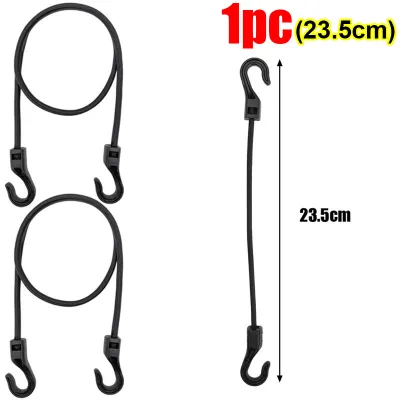
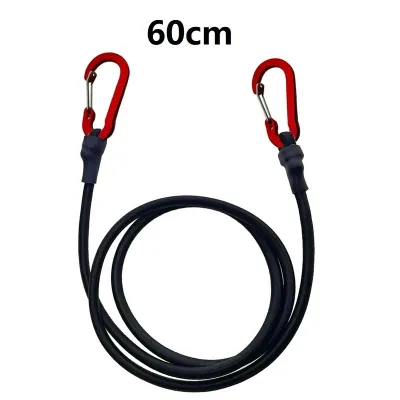
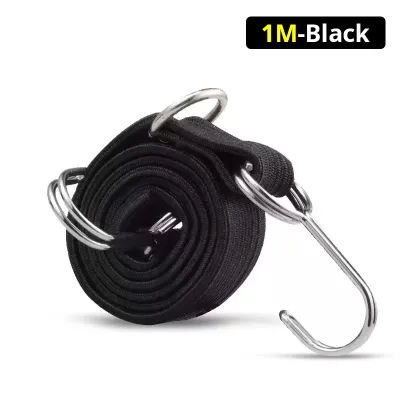
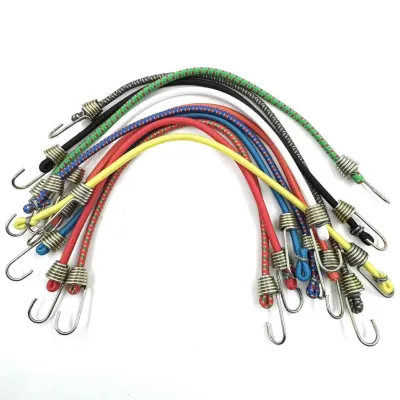
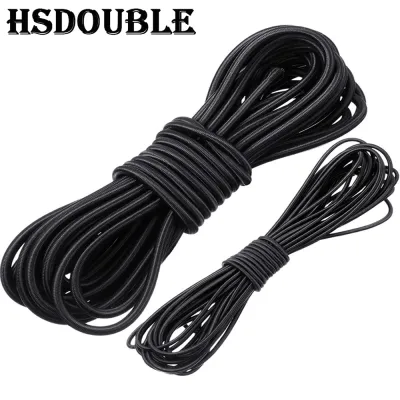
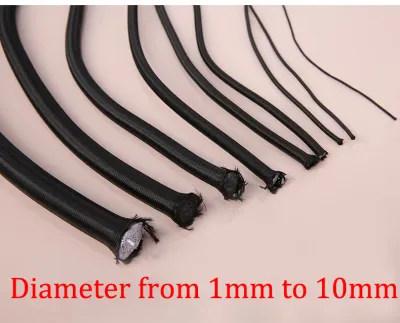
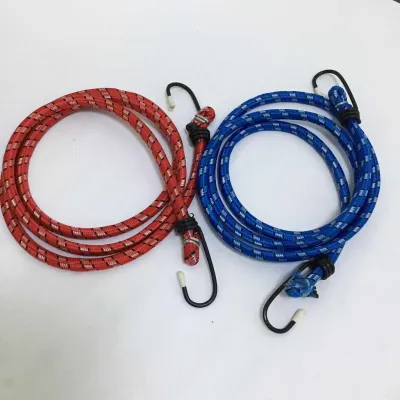
Prices are valid at publication and may change. Please refer to the product page for the latest price.
Decoding Core Material and Elasticity Specifications
Evaluating the construction of a bungee cord is the first step to ensuring your gear remains secure during a strenuous approach or climb. The outer sheath is your first line of defense against the elements. For tropical climbing conditions, look for a polyester or nylon sheathing. Polyester offers excellent UV resistance and handles high humidity without rotting, while nylon provides superior abrasion resistance against sharp rock faces. Avoid cheap polypropylene sheaths, which degrade rapidly under intense sun exposure.
Next, check the stretch percentage or elongation rating, which is typically listed on the manufacturer’s packaging. A 100% stretch ratio means a 30-centimeter cord can stretch to a maximum of 60 centimeters. For securing awkward climbing gear, a moderate stretch ratio of 50% to 75% is ideal. This range provides firm, predictable tension without bottoming out too quickly or allowing your gear to bounce excessively as you move.
The inner core material determines how well the cord retains its elasticity over time. Natural latex rubber cores offer exceptional stretch and recovery, but they can degrade if they come into contact with oils or extreme heat. Synthetic rubber cores, such as EPDM, handle heat and UV exposure much better, though they may feel slightly stiffer. Always check the manufacturer tags to verify the core material matches your expected climbing environment.
Selecting Length, Diameter, and Hook Configurations
To find the right fit for your gear, you must calculate the required unstretched length versus the maximum stretched length. Measure the circumference of the gear bundle you intend to secure. The unstretched length of your bungee cord should be roughly 60% to 70% of this circumference. This ensures the cord remains under constant, secure tension when wrapped around your gear without being overstretched to its breaking point.

Cord diameter directly dictates the balance between weight savings and holding power. For lightweight gear organization on the mountain, diameters between 4mm and 6mm are highly effective. Thicker cords, such as 8mm or 10mm, are generally too heavy and bulky for a climbing harness, but they are excellent for securing heavy packs or basecamp equipment.
Standard open metal hooks are a significant hazard on climbing routes because they can easily snag on slings, branches, or rock crevices. Instead, look for plastic-coated hooks to prevent scratching your gear, or opt for gated carabiner-style ends. Loop ends are another excellent, lightweight alternative; they allow you to girth-hitch the cord directly to your pack’s daisy chains, eliminating heavy metal hardware entirely.
Matching Bungee Specs to Specific Climbing Organization Tasks
Different gear organization tasks on the mountain require specific cord configurations to ensure safety and efficiency.
Securing Bulky Gear to Backpacks
When attaching large, awkward items like climbing helmets, sleeping pads, or extra ropes to the exterior of your backpack, choose a 6mm to 8mm cord with a moderate stretch ratio. This thickness provides the necessary tension to keep heavy items from shifting as you hike.
Avoid over-tensioning the cord during attachment. Pulling a bungee to its absolute limit can crush lightweight helmet shells, damage your backpack’s daisy chains, or cause the cord to snap back violently.
Always route the cord through your pack’s designated compression straps or lash points. Keep the profile as tight to the pack body as possible to prevent the cord or the gear from snagging on thick brush or narrow rock chimneys during your approach.
Tethering Small Tools to Harnesses
For organizing small, lightweight tools on your harness, select low-profile 3mm to 4mm cords. Keep the unstretched length short to prevent tools from dangling too low and interfering with your footwork.
Never use open hooks on your harness. Instead, use secure loop ends, cord locks, or micro-carabiners to attach the cord to your gear loops. This setup prevents accidental detachment and eliminates the risk of the cord snagging on your load-bearing climbing slings.
Ensure the cord’s maximum stretched length allows you to access and use the tool comfortably at arm’s length. The tether should stretch smoothly without pulling your harness out of alignment or restricting your natural range of motion.
Safety Boundaries, Inspection, and Retirement Criteria
Regular inspection is vital for any accessory used in a climbing environment. Before every trip, perform a visual and tactile check of your utility cords. Feel along the length of the cord for localized thinning, lumps, or soft spots. Inspect the outer sheath for fraying, cuts, or areas where the inner rubber core is exposed. If you see the white inner strands peeking through the colored sheath, retire the cord immediately.
In humid and high-UV environments, rubber cores can dry out and lose their elasticity. Test the stretch recovery of your cords regularly. If a cord feels stiff, makes a crunchy sound when stretched, or fails to snap back to its original unstretched length, it has degraded and must be replaced. Budgeting ₱150 to ₱500 for high-quality replacement utility cords is a small price to pay to keep your expensive climbing gear secure.
Most importantly, strictly limit these cords to gear organization. Bungee cords are highly elastic, non-rated utility items. They cannot absorb the high impact forces of a climbing fall, nor do they possess the tensile strength required to hold human weight. Never use them for life-safety applications, personal anchoring, or fall protection.
Frequently Asked Questions (FAQ)
Can I use a bungee cord as a personal anchor or for fall protection?
No. Bungee cords are designed solely for holding lightweight gear in place and cannot support human weight or absorb fall forces. Using an elastic utility cord as a personal anchor or for fall protection is extremely dangerous and can result in catastrophic gear failure.
For personal anchoring, tethering, or fall protection, you must use only certified, UIAA-rated static or dynamic climbing lanyards, slings, or personal anchor systems. Always rely on proper climbing training and certified safety equipment rather than utility cords.
Community discussion
Share your experience or ask a question. Comments are reviewed before publication.