
Planning a large group outing on the water—whether it is island hopping along tropical coastlines or navigating calm inland lakes—requires a vessel that prioritizes safety, stability, and space. A rubber boat rated for 10 people offers an exciting way to share these adventures, but choosing the right model goes far beyond simply counting seats. Because water conditions can change rapidly, understanding the technical specifications of a large inflatable boat is essential before making an investment.
To select a reliable rubber boat for 10 passengers, you must prioritize the certified weight capacity, material durability, and structural safety features. A true 10-person capacity demands a robust multi-chamber design, heavy-duty fabric that resists tropical heat and UV rays, and a hull configuration that remains stable under a heavy load. Focusing on these core specifications ensures your group stays safe and comfortable throughout your journey.
Calculating True Weight Capacity and Passenger Load
When shopping for a rubber boat for 10 person, the first detail to examine is the manufacturer’s official specification plate, usually riveted or printed on the transom or inside the hull. The designation “10-person” is often a nominal marketing guideline based on ideal conditions and average passenger weights. In practice, the actual weight limit in kilograms or pounds is the only reliable metric for determining if the vessel can safely carry your entire group.
Products mentioned in this guide
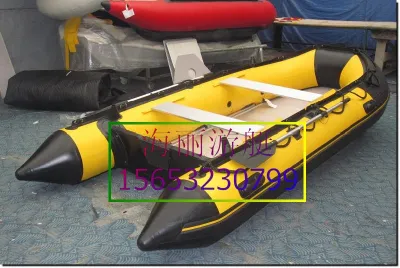
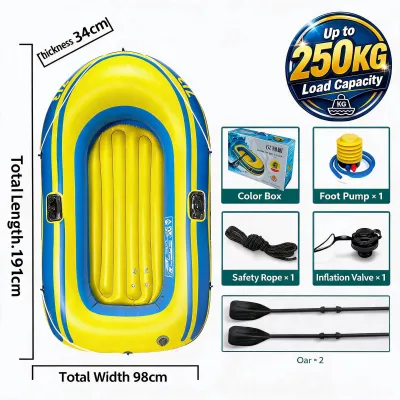
![[Buy 1 Get 10] 5-7 Person Inflatable Boat Family Raft PVC Fishing Boat for Beach & Sea Trips](https://img.lazcdn.com/g/p/7667031b67bb2e40b79639fcda639050.jpg_400x400q80.jpg_.webp)
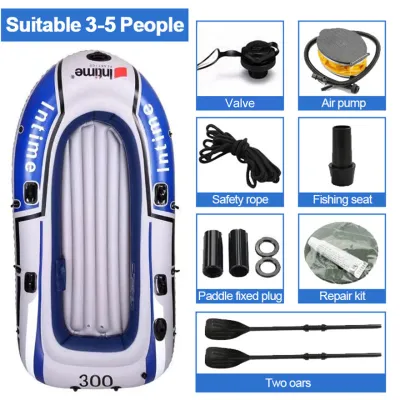
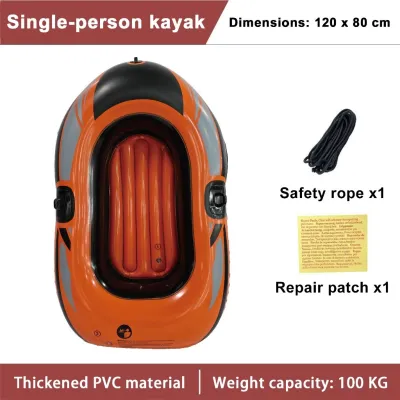
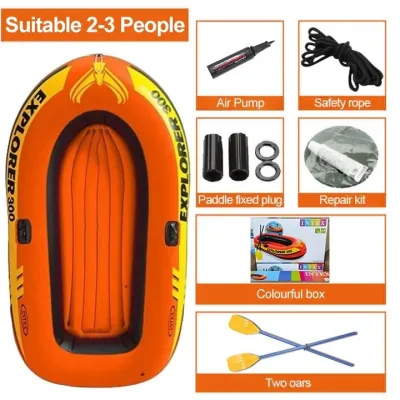
Prices are valid at publication and may change. Please refer to the product page for the latest price.
To calculate your true passenger load, you must account for more than just the physical bodies on board. Start by estimating the average weight of 10 adults, keeping in mind that gear, personal belongings, and safety equipment add up quickly. In tropical climates, you will likely carry heavy coolers filled with ice and drinks, dry bags, anchors, ropes, and essential personal flotation devices (PFDs) for every single rider.
Adding an outboard motor and fuel tank further reduces the remaining capacity available for passengers. If you plan to mount an engine, you must subtract the weight of the motor, the mounting bracket, and a full tank of fuel from the boat’s maximum payload rating. Neglecting this calculation can easily push a fully loaded boat past its safe operating limits.
To ensure stability and maintain adequate freeboard—the distance between the water line and the top of the inflatable tubes—always maintain a conservative safety margin. A good rule of thumb is to keep your total calculated load at least 15% to 20% below the manufacturer’s absolute maximum capacity. This buffer prevents the bow from dipping in choppy waves and ensures the boat retains its responsive handling.
Evaluating Dimensions and Interior Layout for 10 Riders
Physical space is just as critical as weight capacity when accommodating a large group. A boat might technically support the weight of 10 passengers, but if the interior floor space is too cramped, riders will struggle to sit comfortably or maintain balance. Reviewing the overall length and width specifications helps you visualize the actual footprint of the vessel.

When comparing models, pay close attention to the difference between the exterior dimensions and the interior usable space. The thick inflatable tubes that provide buoyancy also consume a significant portion of the boat’s width and length. Checking the interior width and floor length specifications on the product sheet will reveal the actual area available for seating and gear storage.
The seating layout plays a major role in how weight is distributed across the deck. Some large rubber boats feature fixed inflatable thwart benches, while others utilize removable aluminum or marine-grade plywood seats. Removable seating offers greater flexibility, allowing you to clear deck space for gear or adjust the seating arrangement to balance the boat’s center of gravity based on passenger placement.
Tube diameter is another key specification that directly impacts passenger comfort and safety. Larger tube diameters, typically ranging from 45 to 50 centimeters or more on 10-person models, provide higher seating positions and better protection from splashing water. Deeper cockpits help passengers feel more secure, especially when navigating coastal breezes or wakes from passing vessels.
Checking Material Durability and Air Chamber Redundancy
A large-capacity inflatable boat must withstand significant structural stress, making material quality a non-negotiable safety factor. Look for the fabric specification on the product label, which is usually measured in denier or decitex. For a 10-person boat, a heavy-duty fabric rating of 1,000 denier or higher is standard for resisting abrasions, punctures, and the intense UV exposure common in tropical environments.
The type of material also dictates how the boat performs over time under hot, humid conditions. Polyurethane and high-grade PVC coated fabrics are common, but premium models often utilize chlorosulfonated polyethylene (commonly known as Hypalon or CSM). Hypalon offers superior resistance to salt water, fuel spills, and UV degradation, though it typically requires a higher budget.
Air chamber redundancy is your primary defense against catastrophic deflation on the water. A safe rubber boat for 10 person must feature multiple independent air chambers—typically four or more in the main hull, plus an inflatable keel. If a submerged hazard punctures one chamber, the remaining intact chambers must retain enough buoyancy to keep the boat afloat and allow you to reach the shore safely.
Examine the manufacturer’s specifications regarding seam construction, as seams are the most common failure points under high pressure and heat. Welded seams, which use heat or radio frequency to fuse the material layers together, generally offer greater longevity and heat resistance than glued seams. If a boat uses glued seams, verify that they are reinforced with internal and external tape for added durability.
Prioritizing Essential Group Boating Features and Accessories
Operating a fully loaded 10-person rubber boat requires reliable propulsion and structural reinforcements. Check the transom design, which must be constructed from heavy-duty, marine-grade materials like sealed plywood or fiberglass to support the weight and torque of an outboard motor. Always verify the manufacturer’s maximum horsepower rating and never exceed it, as an oversized motor can compromise structural integrity and handling.
Safety accessories must be integrated directly into the boat’s design to accommodate a large group. Look for robust perimeter grab lines running along the outer tubes, which give passengers a secure handhold while underway or if someone falls overboard. Heavy-duty D-rings and multiple molded carrying handles are also essential for securing gear, towing, and launching the heavy vessel from the shoreline.
The type of inflation valves installed on the boat affects both setup time and long-term air retention. High-pressure valves, such as Halkey-Roberts or similar quarter-turn designs, are standard on quality multi-chamber boats because they prevent air leakage and simplify the inflation process. Ensure the valves are easily accessible and protected by cap covers to keep out sand, salt, and debris.
Finally, consider the floor construction type, which influences both stability and portability. A rigid drop-stitch floor or interlocking aluminum floorboards provide a solid standing surface, making it much easier for 10 passengers to move around safely. While rigid floors add weight and setup time, they offer superior structural rigidity compared to soft roll-up floors when carrying maximum loads.
Frequently Asked Questions (FAQ)
Can a 10-person rubber boat be used in rough or ocean waters?
You must consult the manufacturer’s specific water category rating, often indicated by ISO or CE classifications on the product plate. While some large, heavy-duty inflatable boats are rated for coastal waters, boat size alone does not guarantee safety in rough seas. Factors such as hull shape, material thickness, engine power, and the operator’s experience are critical when navigating ocean waves or strong currents.
Do I need a specific type of pump for a large multi-chamber boat?
Yes, inflating a large, multi-chamber vessel requires a high-volume pump to avoid exhaustion and excessive setup times. Manufacturers typically recommend using a dual-action manual pump or a specialized electric pump designed for inflatable boats. Ensure the pump is compatible with your boat’s specific valve types and features an integrated pressure gauge to avoid over-inflation, which can damage the seams in hot tropical weather.
Community discussion
Share your experience or ask a question. Comments are reviewed before publication.