
Selecting a 12V electric fishing full set for deep-sea fishing requires a precise balance of power, durability, and marine-grade reliability. In offshore environments, where high salinity, relentless humidity, and sudden tropical weather shifts test your gear, choosing the wrong setup can lead to immediate electrical failure or lost catches. A complete 12V setup must be built around high-torque electric reels, robust heavy-duty rods, marine-grade wiring, and a stable deep-cycle battery system designed to withstand harsh saltwater conditions.
Defining "Electric Fishing" for Offshore Use: Reels vs. Motors
In a deep-sea context, the term “electric fishing” refers to two distinct marine systems: electric reels and electric trolling motors. Understanding the differences between these systems is crucial before purchasing a full set, as they serve completely different operational purposes on the water.
Electric reels are motorized winches designed to handle extreme depths, often exceeding 200 to 500 meters. They allow anglers to target deep-dwelling species like ruby snappers and groupers without the exhausting physical toll of manually winding up heavy sinkers and massive fish. These reels plug directly into a 12V power source, providing consistent torque and retrieval speed.
Products mentioned in this guide
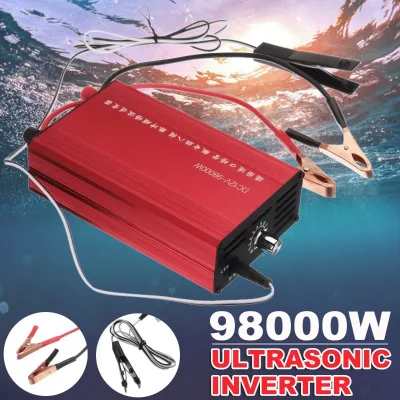
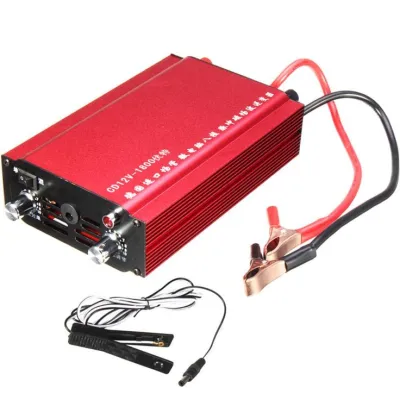
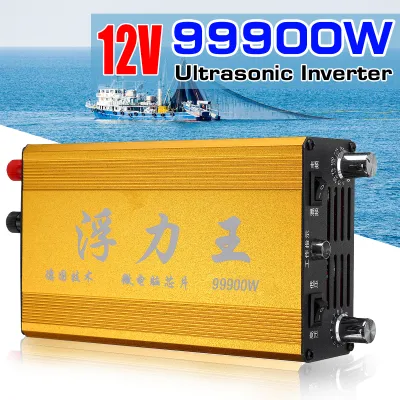
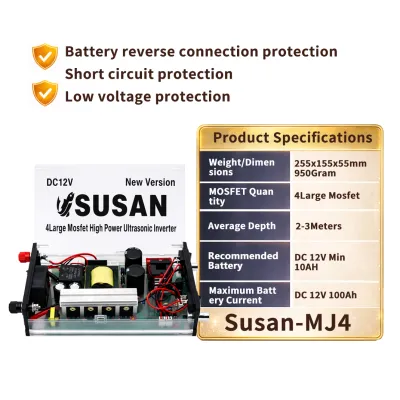
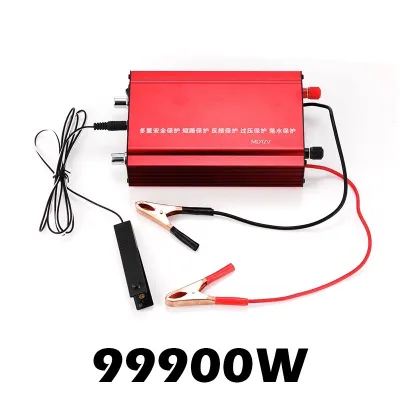
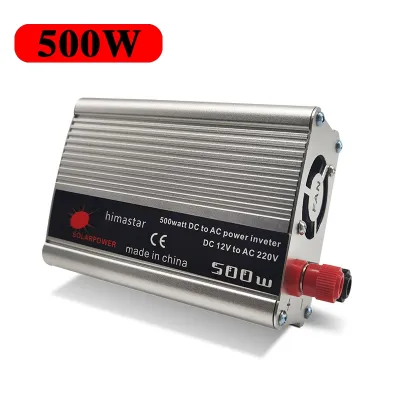
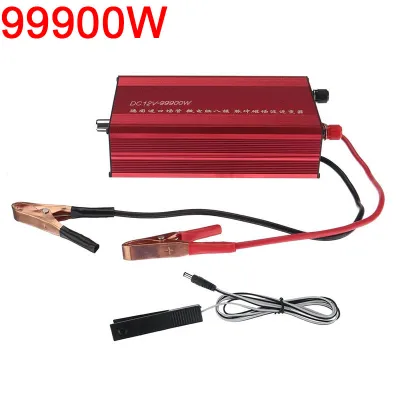
Prices are valid at publication and may change. Please refer to the product page for the latest price.
Electric trolling motors, on the other hand, are mounted on the bow or transom of a boat to provide propulsion, steering, and GPS-guided position holding. While they are invaluable for precise boat control, their power requirements are vastly different from electric reels.
Understanding the operational boundaries of 12V systems offshore is critical before making an investment. While a 12V battery pack is the industry standard and highly portable option for running electric reels, 12V trolling motors have strict limitations in open-ocean conditions. Most 12V trolling motors max out at 55 to 60 pounds of thrust, which is generally insufficient for handling heavy offshore swells, strong tidal currents, or high winds. For open-ocean deep-sea fishing, 12V motors are strictly limited to small, lightweight vessels operating on exceptionally calm days or within sheltered offshore reefs and bays.
Operating electronics in saltwater environments presents severe challenges. High humidity and salt spray accelerate galvanic corrosion, which can destroy electrical connections in a matter of weeks. Any 12V system taken offshore must feature robust marine-grade sealing, corrosion-resistant materials, and proper electrical insulation to ensure safety and longevity.
Essential Components of a 12V Deep-Sea Fishing Set
Building a reliable 12V electric fishing full set requires selecting individual components that are engineered to work together under extreme physical and electrical loads. A single weak link can cause system failure miles from the coast.

Electric Reels and Trolling Motors
When evaluating electric reels, the primary specifications to analyze are maximum drag capacity, gear ratio, and line retrieval speed. Deep-sea species exert immense downward force, requiring a reel with a smooth, multi-disc carbon fiber drag system capable of delivering at least 15 to 25 kilograms of stopping power. The gear ratio determines the mechanical advantage when manually retrieving, while the electric motor’s retrieval speed dictates how quickly you can check your bait or bring up a catch. Look for reels with fully sealed, water-resistant housings to prevent saltwater from penetrating the electric motor and internal circuitry.
For trolling motors, calculating the required thrust is a matter of safety and boat control. The standard baseline is to have at least 2 pounds of thrust for every 100 pounds of fully loaded boat weight, which includes the hull, motor, fuel, gear, and passengers. A typical 12V trolling motor provides up to 55 pounds of thrust, making it suitable only for boats weighing under 2,500 pounds in ideal conditions. Offshore currents and coastal winds can easily overwhelm a 12V motor, meaning larger vessels or those facing rougher waters will require higher-voltage systems to maintain position safely.
Heavy-Duty Rods and Braided Lines
The continuous, high-torque pull of an electric reel requires a specialized rod that differs significantly from standard casting or spinning rods. Look for deep-drop rods constructed from solid fiberglass or heavy-duty composite blanks that offer a powerful, stiff backbone. The rod must be capable of lifting heavy sinkers (often ranging from 16 to 48 ounces) and resisting the relentless downward pull of deep-sea predators without snapping.
The rod guides must also be exceptionally durable. Under the high-speed, high-tension retrieval of an electric reel, standard guides can quickly wear down or damage the line. Roller guides or heavy-duty silicon carbide ring guides are highly recommended to minimize friction and heat buildup.
Braided line is mandatory for deep-sea electric fishing due to its thin diameter, high strength, and near-zero stretch. A thin line experiences less water resistance, allowing your bait to sink vertically rather than drifting horizontally in strong currents. Spool your reel with 50-to-80-pound test braided line, which provides the necessary strength to pull large fish from the depths. To prevent bite-offs from sharp-toothed offshore species and protect against abrasion on rocky bottoms, always use a heavy leader of 80-to-150-pound fluorocarbon or monofilament connected via a high-strength knot.
Connectors, Cables, and Terminal Tackle
The electrical delivery system is just as important as the motor itself. Standard copper wiring will corrode rapidly when exposed to salty marine air, leading to increased electrical resistance, voltage drops, and potential fire hazards. Only use tinned marine-grade copper wire, which features a thin layer of tin plating over the copper to resist oxidation.
All connections must be secured using heavy-duty, heat-shrink-sealed battery terminals and quick-disconnect plugs. Standard alligator clips are highly susceptible to slipping and corrosion; instead, opt for locking marine plugs or heavy-duty Anderson connectors. To safeguard your expensive electric reel from power surges or short circuits, install an inline manual-reset circuit breaker or fuse rated to the manufacturer’s specified amperage.
Terminal tackle must be scaled up to match the high-torque output of the electric reel. Standard hooks will straighten under the pressure of an electric winch. Use forged, high-carbon steel circle hooks, which are designed to hook fish automatically in the corner of the mouth as they take the bait. Pair these with heavy-duty ball-bearing swivels rated for at least 150 to 300 pounds to prevent severe line twist during long retrievals from the ocean floor.
Selecting the Right 12V Marine Battery and Power System
The battery is the heart of your 12V electric fishing set, and choosing the wrong chemistry or capacity can cut your fishing trip short or leave you stranded.
Battery Chemistry Comparison
When selecting a 12V marine battery, you will primarily choose between traditional Lead-Acid (including Sealed Lead-Acid and AGM) and Lithium Iron Phosphate (LiFePO4) chemistries.
- LiFePO4 (Lithium Iron Phosphate): This is the gold standard for offshore electric fishing. LiFePO4 batteries are up to 60% lighter than equivalent lead-acid batteries, which is a massive advantage for maintaining boat balance and portability. They also support a deep depth of discharge, allowing you to safely use up to 90% of their rated capacity without damaging the battery, compared to only 50% for lead-acid. Furthermore, LiFePO4 batteries maintain a flat voltage curve, delivering consistent, high-power output until they are nearly empty, whereas lead-acid voltage drops steadily as the battery drains, reducing reel performance. They also feature an integrated Battery Management System (BMS) that automatically protects against overcharging, short circuits, and extreme temperatures.
- AGM and Lead-Acid: These batteries are a more budget-friendly initial investment but come with significant downsides. They are incredibly heavy, degrade rapidly if discharged below 50%, and have a much shorter overall lifespan (typically 300 to 500 charge cycles compared to 2,000 to 5,000 cycles for LiFePO4). However, they are highly stable and widely available.
Sizing Your Battery Capacity (Amp-Hours)
To ensure your battery lasts a full day of fishing, you must calculate your estimated power consumption based on the amp draw of your equipment.
- For Electric Reels: Electric reels do not run continuously; they draw power only when retrieving line or fighting a fish. A typical mid-sized electric reel draws between 2 to 5 amps during standard retrieval and up to 15 amps under heavy load. If you fish for 8 hours and spend a cumulative 2 hours retrieving, your total consumption will be roughly 10 to 20 Amp-Hours (Ah). Therefore, a compact 12V 20Ah to 30Ah LiFePO4 battery is more than sufficient for a full day of deep-dropping.
- For Trolling Motors: Trolling motors run continuously for long periods, drawing significantly more power. A 12V 55 lb thrust trolling motor draws approximately 50 amps when running at maximum speed. To run this motor continuously for 2 hours at full speed, or 4 to 6 hours at half speed, you will need a minimum of a 100Ah deep-cycle battery.
Battery Protection and Charging
Regardless of the chemistry you choose, your battery must be protected from the elements. Store the battery inside a waterproof, UV-resistant, heavy-duty battery box secured to the boat’s deck to prevent shifting in rough seas. If you are using traditional lead-acid or AGM batteries, ensure the box is properly ventilated, as these chemistries can release gases during charging.
Always use a dedicated, smart marine battery charger compatible with your specific battery chemistry. Charging a LiFePO4 battery with a standard lead-acid charger can damage the cells and void the warranty. Smart chargers monitor the battery’s state of charge and automatically adjust the voltage to prevent overcharging.
Recommended 12V Setup Configurations for Offshore Anglers
To help you assemble a cohesive and functional system, let us look at two distinct, scenario-based configurations tailored for specific offshore fishing styles.
The Deep-Drop Electric Reel Setup
This configuration is designed specifically for targeting bottom-dwelling deep-sea species such as groupers, snappers, and amberjacks in depths ranging from 150 to 400 meters.
- Reel and Rod: Pair a high-performance 12V electric reel featuring a carbon drag system of at least 20 kg with a 5'6" heavy-action boat rod. The rod should feature a curved aluminum butt designed to sit securely in a boat's rod holder, allowing the machine to do the heavy lifting.
- Line and Rigging: Spool the reel with 500 to 800 meters of 65 lb braided line. Use a multi-hook deep-drop rig constructed from 100 lb monofilament leader, equipped with 3x-strong circle hooks. Attach a heavy sinker weighing between 16 and 32 ounces, depending on the current.
- Power Source: Use a highly portable 12V 30Ah LiFePO4 battery housed in a splash-proof, padded battery bag with an external quick-disconnect marine plug. This allows you to easily move the entire setup to different rod holders around the boat.
- Accessories: Equip the rig with a water-activated LED light stick positioned near the bait to attract fish in the pitch-black depths of the deep ocean. A heavy-duty safety lanyard securing the rod and reel to the boat's gunwale is highly recommended to prevent an expensive loss if a massive predator strikes.
- Limitations: This setup is strictly engineered for vertical deep-dropping. It does not assist with boat propulsion, positioning, or maneuvering.
The Inshore and Reef Trolling Motor Setup
This setup is tailored for anglers looking to maintain precise boat positioning over shallow offshore reefs, wrecks, or drop-offs without deploying a physical anchor.
- Trolling Motor: Select a 12V bow-mount or transom-mount trolling motor delivering 50 to 55 pounds of thrust. Ensure the shaft length is at least 54 to 60 inches to prevent the propeller from cavitating when the boat pitches in offshore swells.
- Power Source: Pair the motor with a dedicated 12V 100Ah LiFePO4 deep-cycle battery housed in a secure, deck-mounted battery box. This capacity ensures you have enough power for a full day of positioning and slow drifting.
- Use Case: This configuration is ideal for maintaining position over isolated pinnacles or slowly maneuvering along reef edges in depths of 10 to 50 meters, allowing you to present baits naturally to target species.
- Limitations and Warnings: A 12V trolling motor is not a substitute for a primary outboard gasoline engine. It lacks the power to navigate back to shore against heavy winds, strong offshore currents, or sudden tropical storms. Before heading out, always check local weather forecasts and sea state conditions. If waves exceed 1.5 meters or winds surpass 15 knots, do not rely on a 12V trolling motor for positioning, and ensure your main engine is running and ready.
Saltwater Maintenance and Safety Boundaries
The combination of electricity and saltwater is highly volatile. To protect your investment and ensure your safety on the water, you must adhere to strict maintenance routines and operational boundaries.
Post-Trip Maintenance Routine
After every saltwater excursion, your electric fishing gear must undergo a thorough cleaning process to prevent salt crystallization and corrosion.
- Gentle Freshwater Rinse: Rinse your electric reels and trolling motors with clean, running fresh water. Never use a high-pressure hose or pressure washer, as the force can push saltwater past the rubber O-rings and seals directly into the sensitive electric motor and gearboxes. Instead, use a gentle mist or a damp microfiber cloth to wipe away salt deposits.
- Electrical Connection Care: Disconnect all power cables. Inspect the terminals for any signs of green copper oxidation or rust. Apply a thin layer of high-quality dielectric grease to all plugs, prongs, and battery terminals to create a moisture barrier and prevent galvanic corrosion.
- Cable Inspection: Run your hands along the power cables to feel for any cracks, stiffening, or cuts in the protective insulation. UV exposure from the tropical sun can degrade cable jackets over time, exposing bare wire to the elements.
Battery Safety and Storage
Proper battery care is essential to prevent catastrophic failures, especially when dealing with high-capacity lithium chemistries.
- Storage Conditions: Store your marine batteries in a cool, dry, well-ventilated location away from direct sunlight and flammable materials. Never store a battery completely discharged, as this can permanently damage the cells and reduce overall capacity. For LiFePO4 batteries, store them at approximately 50% to 60% state of charge if they will sit idle for more than a few weeks.
- Charging Safety: Always charge your batteries on a non-flammable surface, and never leave them charging unattended overnight. Use a smart charger that features automatic shutoff once full charge is reached.
Critical Safety Boundaries
Electrical failures on a boat can quickly escalate into highly dangerous situations, including electrical fires or total loss of propulsion.
- Stop Conditions: Immediately cease using your electric fishing set and disconnect the power source if you notice any of the following warning signs:
- A distinct burning smell or smoke emanating from the reel, motor, or wiring.
- Cables or connectors that feel hot to the touch during operation.
- Inline fuses that blow repeatedly or circuit breakers that trip constantly.
- A sudden, unexplained drop in reel power or erratic motor behavior.
- Action Steps: If any of these conditions occur, do not attempt to bypass the fuse or force the equipment to run. Disconnect the battery immediately, secure the gear, and consult a certified marine electrician or the manufacturer's authorized service center for professional diagnostic testing before using the equipment again.
Frequently Asked Questions (FAQ)
Can I use a standard automotive battery for my 12V electric fishing set?
You should strongly avoid using standard automotive starting batteries for your electric fishing setup. Automotive batteries are designed to deliver short, high-amperage bursts of power to crank an engine, after which the alternator immediately recharges them. They feature thin lead plates that will warp, degrade, and fail rapidly if subjected to the continuous, deep-discharge cycles required by electric reels or trolling motors. For electric fishing, you must use a dedicated deep-cycle marine battery, such as an AGM or LiFePO4 battery, which is specifically engineered to deliver steady, continuous power over several hours and withstand hundreds of deep-discharge cycles.
How long will a 12V 100Ah LiFePO4 battery last on an electric reel?
A 12V 100Ah LiFePO4 battery provides an exceptionally long runtime when used exclusively for electric reels. Because electric reels are operated intermittently—only during bait retrieval or when fighting a fish—their average power consumption is relatively low. A typical mid-sized electric reel draws an average of 4 amps during retrieval. Using the standard calculation (100Ah / 4 Amps = 25 hours of continuous runtime), a 100Ah battery can easily power an electric reel for multiple full-day offshore trips without needing a recharge. However, if you use that same battery to run a 12V trolling motor continuously at high speeds, it will drain the battery in approximately 2 to 3 hours.
Community discussion
Share your experience or ask a question. Comments are reviewed before publication.