
A 200-meter climbing rope is a highly specialized piece of equipment designed for demanding vertical environments. Unlike standard single-pitch ropes, a rope of this length introduces significant weight, bulk, and management challenges. Choosing the right specifications requires balancing durability, weight, and the specific demands of your climbing or caving objectives.
To select the ideal 200-meter rope, you must first define your primary activity, as this dictates whether you need a dynamic or static construction. From there, you must carefully calculate the physical weight of the rope, evaluate diameter trade-offs, and verify essential environmental treatments and safety certifications. Managing a rope of this length requires specialized handling techniques, making it crucial to understand the logistical demands before making an investment.
Dynamic vs. Static Construction: Matching the Rope to Your Objective
The most critical decision when selecting a 200-meter rope is choosing between dynamic and static construction. Dynamic ropes are engineered with a high degree of elasticity, allowing them to stretch and absorb the impact energy of a fall. This dynamic stretch is a mandatory safety feature for lead climbing, where a climber could fall from above a protection point. Without this elasticity, the forces exerted on the climber’s body and the anchor system during a fall could lead to catastrophic gear failure or severe bodily injury.
Products mentioned in this guide
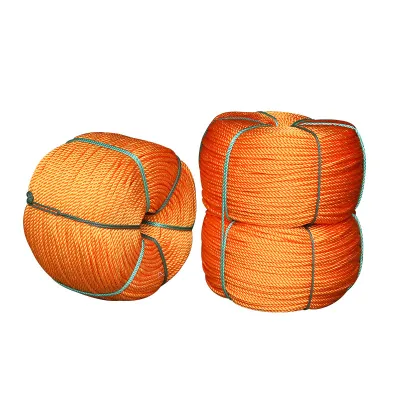
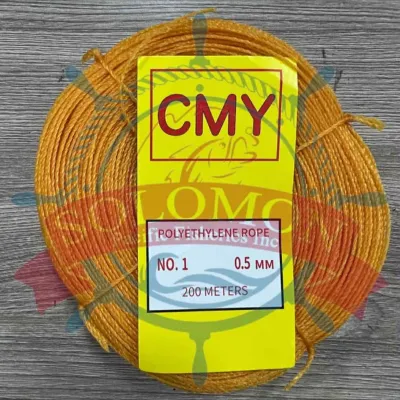
Prices are valid at publication and may change. Please refer to the product page for the latest price.
In contrast, static ropes are designed with minimal stretch, typically under a few percent of their length under load. This rigid construction makes them highly efficient for activities where you want to avoid the “bungee” effect, such as rappelling, ascending fixed lines, caving, or hauling heavy gear bags up a big wall. Because static ropes do not absorb fall energy, they must never be used for lead climbing or any scenario where a dynamic shock load could occur. Using a static rope in a fall-risk situation can result in anchor failure or severe trauma.
When purchasing a 200-meter length, static ropes are far more common because they are typically used as fixed lines for rigging, rescue operations, or deep caving. If your objective involves ascending or descending long vertical pitches without the risk of a lead fall, a static rope is the correct tool. However, if you plan to climb long multi-pitch routes where the leader is actively placing protection, you must look for a dynamic rope, keeping in mind that managing 200 meters of dynamic rope requires exceptional rope management skills to handle the massive amount of stretch.
Diameter and Weight: Managing the Bulk of a 200m Rope
The diameter of a rope directly influences its durability, handling, and weight, which becomes a massive factor when dealing with a 200-meter spool. Thicker ropes, generally ranging from 10mm to 11mm or more, offer superior abrasion resistance and a longer lifespan. They are highly resilient against sharp rock edges and friction from descending devices. However, this durability comes with a severe weight penalty, as a thick 200-meter rope can easily weigh over 15 kilograms, making it incredibly exhausting to carry to a remote crag or haul up a wall.

Thinner ropes, typically between 8.5mm and 9.5mm, drastically reduce the overall weight and pack volume of a 200-meter coil. This weight reduction is highly beneficial for long approaches, reducing physical fatigue during the hike and minimizing rope drag on wandering routes. However, thinner ropes wear out much faster when subjected to heavy friction and require highly precise belay and rappel device compatibility. You must verify that your descenders and belay devices are officially rated to handle the specific thin diameter of the rope you choose.
The logistical impact of carrying and managing a 200-meter rope cannot be overstated. In humid, tropical environments like the Philippines, carrying a heavy, bulky rope through dense jungle approaches can quickly drain your stamina. Additionally, rope drag becomes a major obstacle on long pitches; a heavier rope creates immense friction as it rubs against the rock surface, making upward progress physically demanding. You must carefully weigh your physical strength and the approach distance against the durability benefits of a thicker diameter.
Material Treatments and Safety Certifications
Environmental conditions play a major role in how a rope performs, making material treatments a key specification to check. In wet or highly humid tropical climates, an untreated rope can quickly absorb moisture from the air or wet rock surfaces. Waterlogged ropes become significantly heavier, lose a portion of their dynamic strength, and become incredibly difficult to handle. To prevent this, look for ropes with a certified dry treatment, where both the core and the sheath fibers are treated with a water-repellent coating to resist moisture absorption.
Safety certifications are non-negotiable when purchasing any climbing equipment. Always locate and verify the UIAA (International Climbing and Mountaineering Federation) or CE certification labels on the rope’s packaging or end tags. These markings guarantee that the rope has undergone rigorous laboratory testing for impact force, fall rating, and sheath slippage. Never purchase or use a rope that lacks these official safety certifications, as uncertified ropes pose an immediate risk to your life.
Because a 200-meter rope represents a significant financial investment, understanding its lifespan and retirement criteria is essential. You must thoroughly review the manufacturer’s manual for specific guidelines on shelf life, maximum usage limits, and signs of wear. Regularly inspect the entire length of the rope for soft spots, core shots, or excessive sheath abrasion, and be prepared to retire the rope immediately if it fails any safety checks, regardless of how much of the 200-meter length remains unused.
Assessing If You Actually Need a 200-Meter Rope
Before committing to a 200-meter rope, it is vital to assess whether this extreme length is truly the most practical tool for your climbing objectives. Valid use cases for a continuous 200-meter rope are highly specific. These include rigging fixed lines for deep caving expeditions, establishing long haul lines on big wall climbs, or setting up dedicated rescue systems where a single, unbroken line is required to reach a casualty. For these specialized applications, a 200-meter rope is indispensable.
For standard multi-pitch climbing or sport climbing, alternative setups are usually far safer and more practical. Carrying two standard-length ropes, such as two 60-meter or 70-meter half or twin ropes, is generally preferred. This setup allows you to split the weight between two climbers during the approach hike and provides a redundant system during rappels. If one rope becomes damaged by rockfall, you still have a second rope to facilitate a safe descent, whereas damage to a single 200-meter rope can leave you stranded.
Furthermore, operating a continuous 200-meter rope introduces severe communication and safety challenges. At a distance of 200 meters, voice communication between climbers is virtually impossible, especially in windy conditions or near rushing water. Rope drag can become so severe that it completely halts upward progress, and the sheer volume of rope can easily tangle during deployment. Unless your specific objective absolutely demands a single 200-meter line, a standard double-rope or single-rope system is often the more manageable and safer choice.
Frequently Asked Questions (FAQ)
How do I properly store and manage a 200-meter rope?
Managing the massive volume of a 200-meter rope requires careful coiling and storage to prevent dangerous tangles and knots. The butterfly coil is highly recommended for long ropes, as it allows you to stack the coils evenly on your shoulders or inside a dedicated, heavy-duty rope bag. When deploying the rope for a long rappel, always feed the rope smoothly from a bag or carefully flake it out on a tarp rather than throwing the entire coil off the cliff, which can lead to severe bird-nesting and jams mid-descent.
Can I cut a 200-meter rope into two shorter ropes?
Yes, you can cut a 200-meter rope into shorter lengths, but you must strictly follow the manufacturer’s guidelines to maintain safety. Before cutting, ensure you use a sharp knife or a specialized hot knife to melt and seal the cut ends immediately, preventing the sheath from slipping or fraying. You must also remark the middle of the new ropes with a rope-safe marker and update your gear log to track the usage, lifespan, and history of each newly created segment.
Community discussion
Share your experience or ask a question. Comments are reviewed before publication.