
Selecting the right officiating gear is crucial for maintaining match control on the pitch. When looking for a high-quality whistle dolphin model, a football referee must prioritize sound projection, material resilience, and ergonomic configuration. A referee’s whistle is not just a tool; it is the primary voice of authority during a high-stakes 90-minute match. In tropical climates like the Philippines, where referees must contend with intense afternoon heat, sudden downpours, and high humidity, these technical features become even more critical to prevent gear failure and ensure every signal is heard instantly.
Why Football Referees Rely on Dolphin Whistles
The pealess whistle dolphin design has revolutionized how sports officials communicate on the field. Traditional whistles rely on a small pea inside the chamber to create a warbling sound, but this mechanism is highly susceptible to jamming when clogged with saliva, dirt, or rainwater. In contrast, the pealess construction utilizes advanced air-chamber geometry to produce a consistent, piercing tone. This design ensures that the whistle will never fail to sound, even during intense monsoon matches or when the referee is sprinting at full capacity.
The specific dual-chamber design of these whistles is engineered to project sound outward rather than back toward the referee’s ears. This directional acoustic projection is vital on large, open-air football pitches where sound can easily dissipate. By focusing the acoustic energy forward, the whistle dolphin cuts through wind, player shouts, and spectator noise with minimal effort from the official.
Products mentioned in this guide
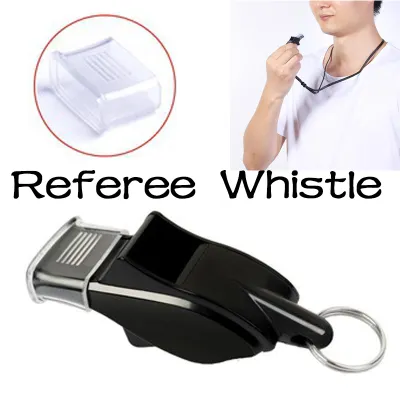
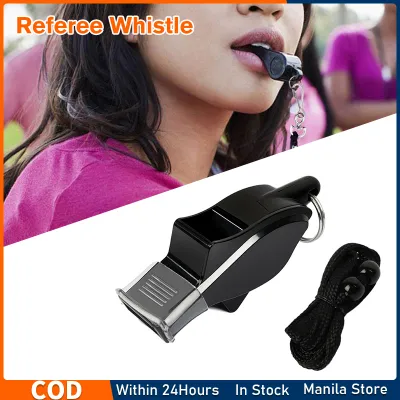
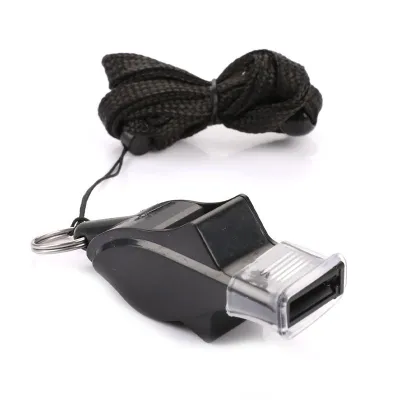
![[Fast Delivery] 2 Packs Dolphin Whistle Black Plastic Sport Referee Whistle With Lanyard for Coaches Referees](https://img.lazcdn.com/g/p/a4a8fb6056ea1fc11409b96a4325df9d.jpg_400x400q80.jpg_.webp)
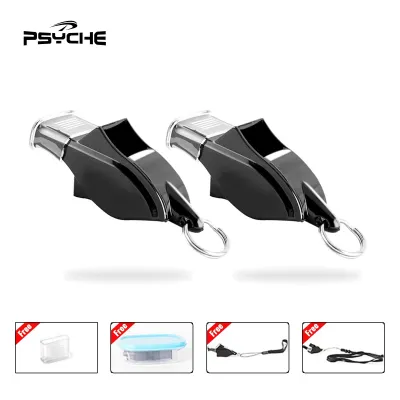
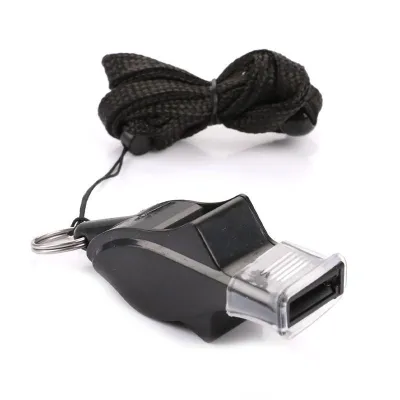
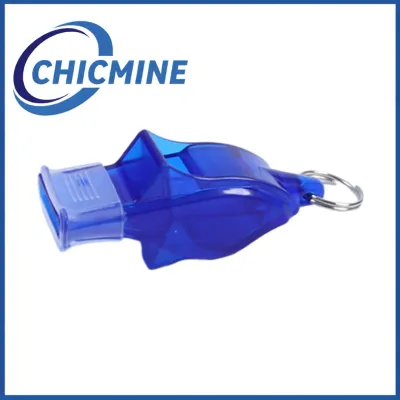
Prices are valid at publication and may change. Please refer to the product page for the latest price.
Over decades of use in professional leagues and international tournaments, this specific design has earned an unmatched brand reputation. Referees from grassroots community leagues to elite professional divisions trust this style of whistle because it consistently delivers a sharp, recognizable tone that commands immediate attention. This reliability has established the dolphin-style whistle as the gold standard for football officiating globally.
Key Features to Evaluate Before Buying
Choosing the right model requires looking closely at technical specifications and physical designs rather than relying on generic marketing claims. A referee must match the whistle’s features to their personal officiating style, the typical weather conditions of their matches, and their physical comfort requirements.

Sound Projection and Pitch Profile
The primary function of any referee whistle is to command immediate attention across a wide physical space. To achieve this, a referee must evaluate the frequency and decibel output of the whistle dolphin. Most high-quality dolphin models operate at a frequency range between 3.5 kHz and 4.2 kHz, which is specifically tuned to cut through the low-frequency rumble of crowd noise and ambient outdoor sounds.
When reviewing product specifications, look for models that offer a dual-tone or triple-tone acoustic profile. These multi-chamber designs produce overlapping frequencies that are highly discordant to the human ear, making the sound impossible for players to ignore. It is important to verify the manufacturer’s decibel rating, which typically ranges from 110 to 120 decibels, to ensure the sound can travel the full length of a standard 105-meter football pitch.
Open-field acoustics and wind resistance are critical factors for outdoor sports. Strong winds can carry sound away or muffle lower-frequency whistles, making it difficult for players on the far side of the pitch to hear a call. A high-pitch dolphin whistle is designed to pierce through wind resistance, ensuring that your signals remain sharp and audible regardless of the weather conditions on match day.
Material Durability and Weather Resistance
Football refereeing is physically demanding, and equipment must withstand accidental drops, steps, and harsh environmental exposure. High-quality dolphin whistles are constructed from high-impact ABS (Acrylonitrile Butadiene Styrene) plastic. This material provides exceptional structural integrity, ensuring the whistle does not crack or shatter if dropped on hard turf, gravel, or concrete sidelines.
For referees officiating in tropical regions like the Philippines, UV resistance and temperature tolerance are critical specifications to check on the product packaging. Prolonged exposure to intense tropical sunlight can degrade standard plastics, causing them to become brittle and fade over time. Verifying that the whistle is made from UV-stabilized ABS plastic ensures that it maintains its structural strength even after years of afternoon matches under the sun.
Furthermore, high humidity and heavy rainfall require a whistle that resists moisture absorption and structural warping. The internal sound chambers must remain perfectly aligned to maintain the correct pitch and volume. Referees should inspect the seams of the whistle to ensure they are sonically welded rather than glued, as moisture and sweat can break down adhesives over time, leading to air leaks and reduced acoustic performance.
Mouthpiece Comfort and Ergonomics
A referee may hold the whistle in their mouth for extended periods during a 90-minute match, making ergonomic design a primary consideration. Standard hard plastic mouthpieces offer excellent durability and a clean, sharp release of air, but they can cause dental fatigue and discomfort during long matches or multi-game tournaments.
To address this, many officials prefer cushioned alternatives that feature a soft thermoplastic elastomer (TPE) overmold on the mouthpiece. This cushioning protects the teeth from impact if the referee is bumped by a player or trips while running. It also provides a more comfortable grip, allowing the referee to hold the whistle securely between their teeth without having to bite down excessively hard.
The physical shape of the mouthpiece also plays a crucial role in air efficiency. A well-designed mouthpiece should conform to the natural shape of the lips, creating an airtight seal. This seal prevents air from escaping from the sides of the mouth, ensuring that every breath is converted efficiently into sound projection, reducing referee fatigue over the course of a match.
Top Dolphin Whistle Configurations for Match Day
To suit different refereeing styles and physical preferences, dolphin whistles are available in several distinct configurations. Understanding the practical benefits and limitations of each setup helps you choose the best tool for your officiating needs.
Standard Dolphin Whistle with Lanyard
The standard dolphin whistle paired with a traditional neck lanyard remains the most widely used configuration in football. This setup features a solid, high-impact ABS plastic body with a molded ring at the rear for attaching a lanyard clip. It is highly valued for its simplicity, lightweight design, and long-term durability, as there are no rubber parts that can wear down or degrade over time.
The primary advantage of this configuration is quick, reliable access. Hanging the whistle around the neck ensures it is always within reach, allowing the referee to quickly bring it to their mouth to stop play. It is an excellent, cost-effective choice for grassroots referees, school tournament officials, and those who prefer a traditional officiating setup.
However, this configuration does have notable limitations. Holding a hard plastic whistle in your teeth for long periods can lead to jaw fatigue, especially during high-stress matches where the referee must blow the whistle frequently. Additionally, if the lanyard is not adjusted to the correct length, the whistle can bounce awkwardly against the chest while sprinting, which can be distracting and potentially hazardous during fast-paced play.
Dolphin CMG (Cushioned Mouth Grip)
The Dolphin CMG configuration features an integrated thermoplastic rubber grip overmolded onto the mouthpiece. This design is specifically engineered to provide superior teeth protection and bite stability, making it a popular choice among professional and high-level amateur referees. The soft grip material absorbs the shock of sudden movements and prevents the whistle from slipping out of the mouth.
This configuration is highly recommended for referees who wear mouthguards or those who have dental sensitivities. It is also ideal for officials who work multiple matches in a single day, such as during weekend youth tournaments, where cumulative jaw fatigue can become a significant issue. The cushioned grip allows for a relaxed bite, reducing strain on the facial muscles.
While the CMG model offers exceptional comfort, it does require more diligent maintenance than the standard model. The soft rubber grip can accumulate dirt, sweat, and saliva more easily than smooth plastic. In hot and humid climates, improper care can cause the rubber material to degrade, become sticky, or harbor mold, meaning referees must clean and dry the whistle thoroughly after every use to preserve its lifespan.
Dolphin Whistle with Finger Grip
For referees who prefer a completely hands-free officiating style, the dolphin whistle with an integrated finger grip is an excellent alternative. This configuration replaces the traditional neck lanyard with an adjustable plastic or elastic strap that fits securely around the index and middle fingers. This keeps the whistle positioned directly in the palm of the hand, ready for instant use.
The primary benefit of the finger grip design is that it eliminates the risk of a bouncing neck lanyard, allowing the referee to sprint at maximum speed without distraction. It also allows the referee to signal with their hands while simultaneously keeping the whistle close to their mouth. This setup is highly favored by dynamic, high-mobility referees who cover a lot of ground on the pitch.
Despite these advantages, the finger grip configuration requires some adjustment for referees accustomed to lanyards. The official must manually secure the whistle, and there is a slight risk of the whistle slipping off if the strap is not adjusted tightly enough, especially when hands become sweaty during intense matches. It also requires the referee to keep their hand raised near their face more frequently, which may affect running form for some individuals.
Quick Comparison of Dolphin Whistle Setups
To help you quickly evaluate which configuration matches your officiating style, the following table summarizes the key characteristics of the three primary setups. This comparison is based on standard manufacturer specifications and common physical designs.
| Configuration Type | Mouthpiece Material | Best Suited For | Comfort Level | Carrying Style |
|---|---|---|---|---|
| Standard Dolphin | Hard ABS Plastic | Occasional matches, high durability needs | Moderate | Neck Lanyard |
| Dolphin CMG | Thermoplastic Elastomer (TPE) | Multi-match tournaments, dental comfort | High | Neck Lanyard |
| Finger Grip Dolphin | Hard ABS or TPE | High-mobility refereeing, fast-paced play | High | Finger Strap |
Maintenance and Care for Long-Lasting Performance
Proper maintenance is essential to ensure your whistle dolphin remains hygienic and performs at its best over many seasons. Saliva, dirt, and sweat can accumulate inside the sound chambers and on the mouthpiece, which not only affects hygiene but can also alter the acoustic pitch of the whistle over time.
To clean your whistle safely, wash it thoroughly with mild dish soap and lukewarm water after every match. Use a soft-bristled brush, such as a clean toothbrush, to gently clean the interior chambers and remove any debris from the mouthpiece. Avoid using harsh household chemicals, bleach, or boiling water, as these can warp the ABS plastic, break down sonically welded seams, or melt the soft rubber grip on CMG models.
After washing, thorough air-drying is crucial, especially in humid tropical environments where mold and mildew can quickly develop in damp, enclosed spaces. Leave the whistle in a well-ventilated, shaded area to dry completely before storing it in your gear bag. Never leave a damp whistle inside a sealed plastic container or bag, as this creates an ideal breeding ground for bacteria.
Finally, perform a regular safety check on your carrying accessories. Inspect the fabric weave of your neck lanyard or finger strap for signs of fraying, and test the plastic clips or breakaway safety mechanisms to ensure they function correctly. Replacing a worn lanyard before it breaks prevents the risk of dropping and losing your whistle during a critical match moment.
Frequently Asked Questions (FAQ)
Can I use a Dolphin whistle for indoor futsal?
While a dolphin whistle can physically be used for indoor futsal, its high decibel output and piercing pitch are specifically engineered for wide-open outdoor pitches. In an enclosed indoor sports hall, the sound can bounce off the walls, creating a loud, painful echo that can cause hearing discomfort for players, spectators, and the referee. For indoor futsal, it is generally recommended to use a lower-decibel whistle or adjust your blowing force to prevent excessive noise levels. Always check your local futsal league regulations regarding approved officiating equipment.
How do I prevent my whistle lanyard from breaking during a match?
To prevent your whistle lanyard from breaking, inspect the fabric weave and plastic attachment clips regularly for signs of wear, fraying, or cracking. Choose lanyards made from high-quality, heavy-duty nylon or polyester webbing with reinforced stitching. Avoid pulling or jerking the whistle by the cord when removing it from your neck. If you officiate in leagues with strict safety standards, consider utilizing a breakaway lanyard, which features a safety clasp that releases under sudden tension to prevent neck injuries while remaining secure during normal running.
Is a louder whistle always better for football refereeing?
No, a louder whistle is not always better for football refereeing. While a high volume is important for wide-open pitches, the frequency of the sound is what truly cuts through ambient noise. A whistle with a high-pitched, distinct frequency (around 4 kHz) will be heard more clearly than a louder, lower-pitched whistle. Additionally, ergonomic comfort and air efficiency are critical, as a whistle that requires excessive effort to blow will cause referee fatigue over a 90-minute match.
Community discussion
Share your experience or ask a question. Comments are reviewed before publication.