
Selecting a scooter for kids 7 to 12 years requires balancing their rapid physical growth with their developing motor skills. This age group is in a unique transitional phase. They are moving away from the highly stable, slow-speed toys of early childhood and stepping toward faster, more agile outdoor gear. To find a model that is both safe and engaging, you must focus on four main pillars: wheel configuration, deck and handlebar ergonomics, steering mechanisms, and braking systems.
In the Philippines, where riding environments range from smooth subdivision driveways to uneven barangay pavements, choosing the right specifications is crucial. High humidity and sudden tropical rain showers also mean that material durability and grip are non-negotiable. By evaluating these features against your child’s physical build and riding venue, you can select a scooter that provides years of active, outdoor fun.
Choosing the Right Wheel Configuration and Material
Wheel configuration is the first major decision point. For children aged 7 to 12, a two-wheel scooter is generally the standard choice. Two-wheel models offer superior maneuverability, allow for tighter turns, and help older kids build the advanced balance skills they need for bicycles or skateboards. However, if your child is a beginner or lacks confidence on two wheels, a three-wheel scooter remains a highly practical option. Three-wheel designs provide a stable platform that stands upright on its own, allowing the rider to focus on steering and braking without the constant challenge of maintaining lateral balance.
Products mentioned in this guide
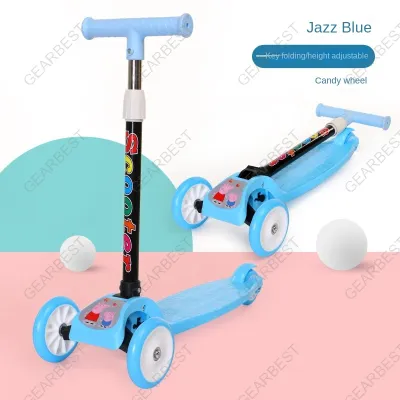
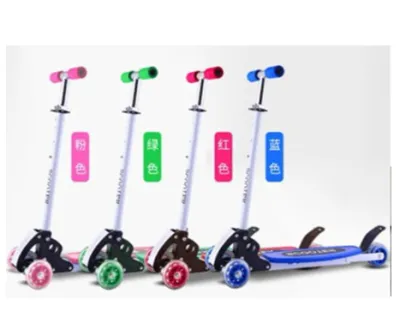
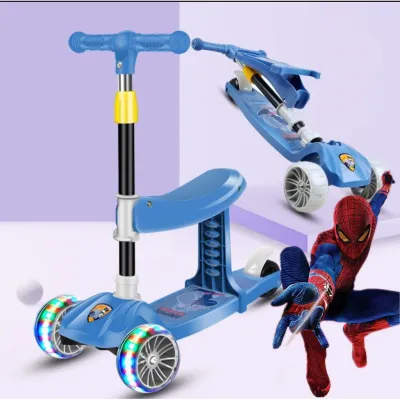
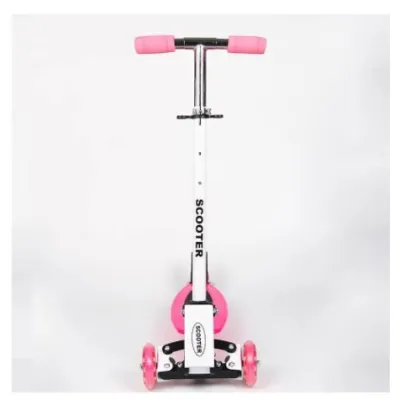
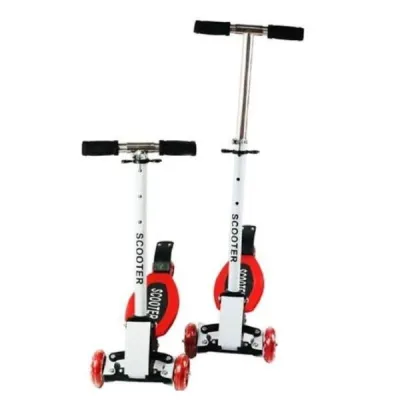
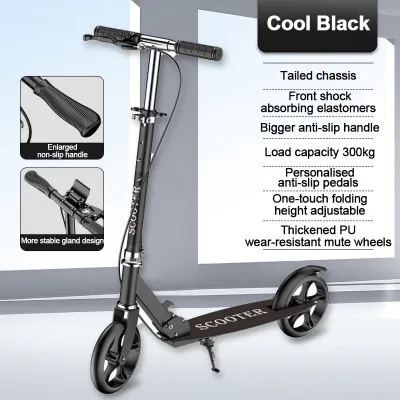
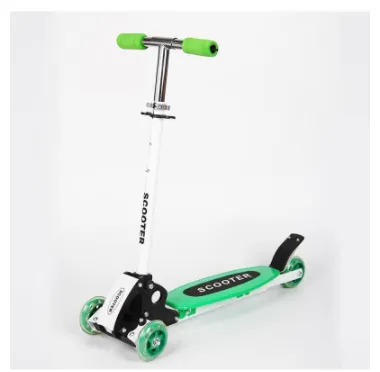
Prices are valid at publication and may change. Please refer to the product page for the latest price.
Wheel material directly dictates ride quality and durability. Look for wheels made of high-quality polyurethane (PU). Polyurethane wheels offer excellent grip, absorb minor vibrations, and perform well on both smooth indoor tiles and outdoor concrete. Avoid cheap, hard plastic wheels; they wear down rapidly, offer virtually no traction on wet surfaces, and transmit every vibration directly to the rider’s hands and feet. Always check the manufacturer’s product label to verify the intended riding terrain.
Wheel diameter is another critical factor for local road conditions. Larger wheels, typically ranging from 120mm to 200mm, are highly recommended for uneven pavements, cracked asphalt, or streets with small pebbles. Larger wheels roll over cracks and debris easily, reducing the risk of sudden stops that can throw a child off balance. Smaller wheels (around 100mm) are highly agile and lighter, making them excellent for smooth park paths or skateparks, but they require a much flatter surface to ride safely.
Do not get distracted by bearing ratings, such as the ABEC scale (ABEC-5, ABEC-7, or ABEC-9), which are heavily emphasized in marketing. While a higher ABEC rating theoretically indicates a more precise bearing, it has virtually no noticeable impact on the moderate speeds typical of children in this age group. Instead of overpaying for high-end bearings, prioritize the overall build quality of the wheel and the sturdiness of the fork housing.
Matching Handlebar Adjustability and Deck Size to Your Child
To ensure ergonomic comfort and safe control, you must match the physical dimensions of the scooter to your child’s current height. A practical way to measure this is to have your child stand upright on a flat surface. The distance from the floor to their waist or lower rib level represents the ideal handlebar height range. When standing on the scooter deck, the grips should rest comfortably at this height, allowing their elbows to bend slightly for optimal steering leverage.

Because children between 7 and 12 undergo rapid growth spurts, a wide adjustable range in the handlebar stem is essential. Look for a T-bar that utilizes a secure quick-release clamp paired with spring-loaded locking pins. This combination ensures the handlebar remains locked at the desired height without slipping during a ride. Buying a scooter with a highly adjustable stem extends its usable lifespan, saving you from needing a replacement after a single summer.
Deck size determines how comfortably your child can position their feet. A deck that is too narrow or short causes foot fatigue, as the rider must constantly cramp their feet or struggle to find a stable stance during long coasting periods. Conversely, an excessively large or wide deck adds unnecessary weight to the frame. This extra weight makes the scooter difficult for a 7-to-12-year-old to push, carry up steps, or maneuver around tight corners.
Always check the manufacturer’s specified minimum and maximum handlebar heights, rather than relying solely on general age recommendations. Children grow at vastly different rates, and a physical measurement check is the only way to guarantee a proper fit. Budget-friendly entry-level models in the Philippines typically range from ₱1,500 to ₱3,000, while premium, highly adjustable models built with aircraft-grade aluminum can range from ₱4,000 to over ₱8,000.
Steering Mechanisms: Lean-to-Steer vs. Direct Steering
Scooters generally use one of two steering styles: lean-to-steer or direct steering. A lean-to-steer mechanism requires the child to tilt their body weight or lean the handlebars to the side to initiate a turn. This style is common on three-wheel scooters. Direct steering works exactly like a bicycle; the rider turns the handlebars left or right to change direction. Direct steering is the standard setup for two-wheel scooters.
Lean-to-steer is highly intuitive for younger children or beginners because it leverages their natural body movements. It also acts as a built-in safety feature by preventing sharp, sudden oversteer, which can cause the scooter to tip over at high speeds. However, as children approach the ages of 10 to 12, they typically require the sharper maneuvers and precise, quick control that only direct steering can provide. Direct steering allows them to navigate busy neighborhood paths, avoid obstacles quickly, and manage higher coasting speeds.
Consider your child’s physical coordination and previous riding experience before choosing. A child transitioning from a balance bike will adapt to direct steering almost instantly. If you are unsure, look for specialized hybrid three-wheel models that feature a lockable steering mechanism. These allow you to lock the steering to a simple lean-to-steer configuration while your child builds confidence, and then unlock it to enable full direct steering as their skills progress.
Evaluating Braking Systems and Weight Capacity Limits
Reliable braking is the most critical safety feature on any scooter. The most common and intuitive system is the rear fender foot brake. To slow down, the rider simply steps down on the rear mudguard, pressing it against the rear wheel to create friction. This system is highly durable, requires minimal maintenance, and is perfectly sufficient for flat surfaces and moderate speeds. For children riding in hilly areas, over longer distances, or at higher speeds, a hand-operated brake lever on the handlebar is highly beneficial. Hand brakes provide familiar, bicycle-style stopping power and allow for quicker reaction times.
Before finalizing any purchase, strictly verify the manufacturer’s stated maximum weight capacity on the product label, packaging, or manual. Scooters designed for this age group typically support weight limits ranging from 50 kg (110 lbs) to 100 kg (220 lbs). Never assume a scooter is safe simply because it is marketed for “ages 7 to 12.”
Exceeding the specified weight limit is highly dangerous. It compromises the structural integrity of the frame, causes the deck to flex excessively (which can scrape the ground or catch on obstacles), and severely reduces braking efficiency. Overloading the scooter also places immense stress on the folding joints and wheel bearings, increasing the risk of sudden mechanical failure while riding.
Once you purchase a scooter, have your child test the brake responsiveness in a safe, flat, and dry environment. Teach them to gauge the braking distance required to come to a complete stop at different speeds. Because tropical downpours can make Philippine roads slippery, teach your child that wet surfaces significantly increase stopping distances, and advise them to avoid riding during heavy rain.
Essential Safety Gear and Pre-Ride Inspection Basics
No matter how advanced or safe a scooter’s specifications are, they cannot replace proper protective gear and regular maintenance. A properly fitted helmet is non-negotiable for every single ride. Pair the helmet with durable knee pads and elbow pads to protect against scrapes on rough concrete. Additionally, ensure your child always wears closed-toe shoes with rubber soles that offer a firm grip on the deck. Avoid letting them ride in slippers or flip-flops, which are common in hot weather but offer zero foot protection and can easily slip off the deck.
Establish a quick pre-ride visual inspection routine with your child. This simple habit keeps them safe and teaches them basic equipment care.
- Check the hardware: Ensure there are no loose bolts, rattling parts, or missing screws.
- Inspect the locks: Verify that the handlebar folding mechanisms and quick-release clamps are fully engaged and locked tight.
- Test the wheels: Spin both wheels to ensure they turn smoothly without wobbling, rubbing against the frame, or making grinding noises.
- Check the deck: Ensure the grip tape on the deck is clean and free of mud or oil that could cause slipping.
Finally, remember that safety equipment and mechanical checks are only effective when combined with active supervision. Take the time to practice basic riding skills with your child in a controlled area before letting them ride on public paths. Teach them local pedestrian safety rules, such as stopping at driveways, yielding to cars, and walking their scooter across busy intersections. If any part of the scooter appears damaged or if the steering feels loose, consult the manufacturer’s instruction manual or contact a qualified local bike shop before allowing your child to ride again.
Frequently Asked Questions (FAQ)
When to Upgrade: Signs Your Child Has Outgrown Their Scooter
Your child has physically outgrown their current scooter when the handlebars no longer reach their waist or lower rib level even at the maximum height extension, forcing them to hunch forward while riding. Another clear indicator is a cramped deck; if your child cannot comfortably place one foot behind the other or struggles to find stable footing while coasting, the deck is too small. Finally, check their weight regularly. If your child’s weight is within 5 to 10 percent of the manufacturer’s maximum weight limit, it is time to upgrade to a larger, sturdier model. Always consult the specific product manual for exact height and weight thresholds rather than relying on age-based guidelines, as children’s growth rates vary widely.
Community discussion
Share your experience or ask a question. Comments are reviewed before publication.