
Quick Answer: The Most Critical Specs for a First Barbell
When buying your first barbell bar, you do not need to spend a fortune on specialized, professional-grade gear. The most critical specifications to prioritize are shaft diameter, knurling aggressiveness, and tensile strength. For a beginner setting up a home gym in the Philippines, a versatile, multi-purpose bar is almost always the most practical starting point. Advanced features like extreme bar whip, high-end needle bearings, and premium decorative finishes are unnecessary for novices and will only inflate your budget. Focusing on a reliable, standard utility bar ensures you get a safe, durable piece of equipment that supports your strength journey for years to come.
Shaft Diameter: Choosing the Right Thickness for Your Hands
The thickness of the barbell bar, known as the shaft diameter, directly affects your grip comfort, hand fatigue, and overall control during lifts. Standard diameters typically range from 28mm to 29mm, and while a millimeter difference seems negligible, it completely changes how the bar feels in your hands. A 28mm shaft is the standard for Olympic weightlifting, offering a thinner profile that makes it easier to wrap your fingers around, which is particularly beneficial for dynamic pulling movements or lifters with smaller hands. On the other end, a 29mm shaft is the standard for powerlifting, providing a thicker, stiffer feel that reduces hand pain during heavy presses and squats.

For a first general fitness bar, a 28.5mm multi-purpose bar is generally the safest and most versatile bet. This middle-ground thickness balances the needs of different exercises, allowing you to transition smoothly from deadlifts to bench presses without feeling like the bar is too thick or too thin. When shopping online or browsing local fitness retailers, always check the manufacturer’s official specifications sheet for the exact shaft diameter. Avoid relying solely on generic product titles, as some budget options are mislabeled or use non-standard dimensions that can compromise your grip safety and lifting form.
Products mentioned in this guide
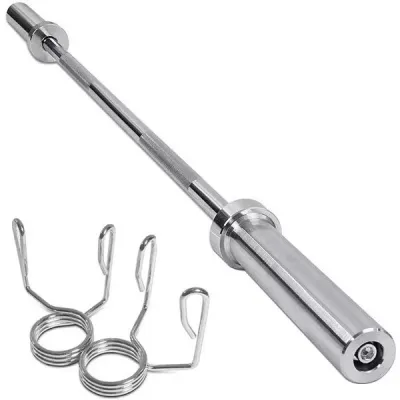
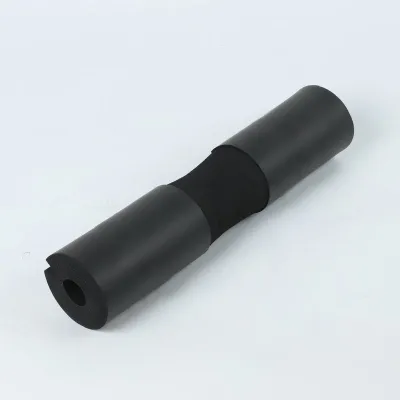
![[COD] 120CM/150CM Standard Long Barbell Bar Used For Bench Press Squats Deadlifts Weight Training](https://img.lazcdn.com/g/p/f11c1d1956032f82aa856d552fc74f3a.png_400x400q80.png_.webp)
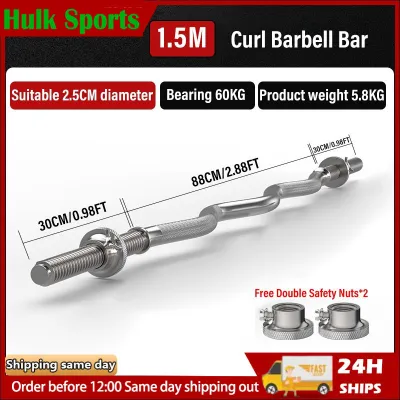
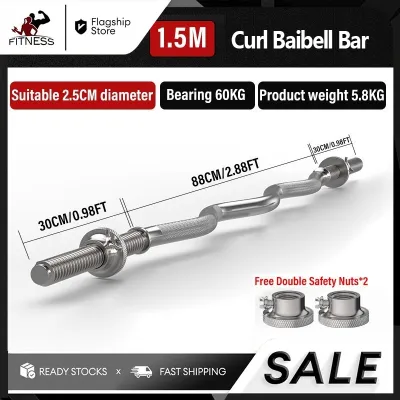
Prices are valid at publication and may change. Please refer to the product page for the latest price.
Knurling Patterns: Finding the Balance Between Grip and Comfort
Knurling is the cross-hatched pattern cut into the steel shaft of the barbell bar, designed to increase friction and prevent the bar from slipping out of your hands. The aggressiveness of this pattern is determined by how deep the cuts are and the shape of the resulting metal diamonds, often categorized as hill, volcano, or mountain knurling. A mountain knurl features sharp, pointed peaks that offer maximum grip for heavy deadlifts but can easily tear soft, uncalloused skin during high-repetition workouts. Conversely, a hill knurl is flat and smooth, which feels comfortable but can become dangerously slippery when your hands sweat in a humid tropical climate.
For most beginners, a moderate volcano knurl is the ideal compromise, featuring tiny, hollowed-out crater peaks that bite into your palms securely without causing excessive pain. Another detail to check is the presence or absence of a center knurl, which is a strip of textured steel in the middle of the bar. A center knurl is highly beneficial for securing the bar against your back during heavy squats, preventing it from sliding down your shirt. However, if your training includes front squats, cleans, or other movements where the bar rests on your collarbones, a center knurl can irritate your skin and chest. To find the right balance, read user reviews or detailed product descriptions to gauge real-world feedback on how the knurling feels in practice.
Sleeve Construction: Do You Need Bearings or Are Bushings Enough?
The sleeves are the rotating outer ends of the barbell bar where you load the weight plates. The mechanism that allows these sleeves to spin is crucial because it reduces the rotational inertia of the plates, protecting your wrists and elbows from torque during dynamic lifts. This rotation is achieved using either bushings or bearings. Bearings, which utilize small metal balls or needles, offer an incredibly fast, highly sensitive, and smooth spin. While this rapid rotation is essential for competitive Olympic weightlifters performing fast snatches and cleans, high-quality bearing bars come at a premium price point that can easily exceed ₱25,000.
For a beginner’s first barbell, high-quality bronze or composite bushings are more than adequate and far more cost-effective. Bushings are solid sleeves of self-lubricating metal that slide against the bar, providing a slower, more controlled, and highly reliable spin. This moderate rotation is perfectly suited for powerlifting classics like the bench press, squat, and deadlift, where a fast-spinning sleeve can actually make the bar feel unstable in your hands. Opting for a bushing-based bar allows you to save money without sacrificing the structural integrity or performance needed for general strength training.
Tensile Strength and Weight Capacity: How to Avoid a Bent Bar
When evaluating a barbell bar, safety and durability should be your highest priorities, and this is where tensile strength comes into play. Measured in pounds per square inch (PSI), tensile strength indicates the maximum load the steel can withstand before it deforms or bends permanently. A high-quality barbell typically boasts a tensile strength specification between 150,000 PSI and 210,000 PSI. For a home gym, looking for a bar rated at 190,000 PSI or higher ensures that the shaft will flex under heavy loads and spring back to a perfectly straight line, maintaining its structural integrity over years of regular use.
It is important to differentiate tensile strength from static weight capacity, which is the maximum weight the sleeves can physically hold without breaking. Many budget, unbranded bars advertise high weight capacities—such as 700 or 1,000 pounds—but omit the tensile strength rating entirely. These unrated bars are often made from cheaper, softer steel that can easily bend permanently if dropped on safety pins or loaded unevenly. To ensure your safety and protect your investment, always check the manufacturer’s verified specifications on the product label or official website, and avoid unbranded bars that refuse to disclose their steel’s PSI rating.
Whip, Finishes, and Extras: What You Can Safely Ignore for Now
As you search for your first barbell bar, you will encounter various technical terms and premium features that are easy to overspend on but offer little benefit to a beginner. One of these is “whip,” which refers to the elastic bending and bouncing behavior of the bar under load. While advanced lifters use this whip to help propel the weight upward during clean and jerks or deadlifts, beginners need a stiffer, more predictable bar to master basic movement patterns. Prioritizing a stable, rigid bar will help you build a solid foundation of form and balance without the unpredictable movement of a highly flexible shaft.
Similarly, you do not need to pay a premium for exotic finishes or decorative coatings. Barbell finishes range from bare steel and black oxide to zinc, chrome, and advanced ceramic coatings (Cerakote). While bare steel offers the most natural grip feel, it requires frequent maintenance to prevent rust, especially in the high humidity of the Philippines. On the other hand, expensive ceramic coatings offer excellent rust resistance and custom colors but significantly increase the price. A basic, high-quality chrome or zinc finish provides a practical, low-maintenance balance of rust prevention and affordability, allowing you to focus your budget on quality steel and plates rather than aesthetic extras.
Frequently Asked Questions (FAQ)
Does a heavier barbell bar always mean it is higher quality?
No, weight alone is not a reliable indicator of quality, but it is an important specification to verify. A standard, full-sized Olympic barbell bar should weigh exactly 20kg (approximately 44 pounds) for men, or 15kg (approximately 33 pounds) for women. Significantly lighter bars often indicate a hollow construction, inferior steel alloys, or non-standard sleeve diameters that will not fit standard Olympic plates properly. Always check the exact weight specification on the manufacturer’s label to ensure you are buying a solid, standard-compliant bar.
How should I maintain the knurling on my new barbell?
To preserve the grip and prevent rust from developing in the knurl grooves, especially in humid tropical environments, establish a simple maintenance routine. After your workout, use a stiff nylon brush to remove chalk, sweat, and dead skin from the knurling. Periodically apply a very light coat of mineral oil or barbell-specific oil to the shaft, let it sit for a few minutes, and then wipe it completely dry with a clean microfiber cloth. Avoid using harsh household chemical cleaners or steel wire brushes, as these can strip away protective zinc or chrome finishes and expose the raw steel underneath to moisture.
Community discussion
Share your experience or ask a question. Comments are reviewed before publication.