
Selecting the right golf ball is one of the most direct ways to influence your performance on the course. The Callaway Supersoft has established itself as a popular choice among recreational golfers, primarily due to its distinct combination of an ultra-low compression core, a durable ionomer-blend cover, and advanced aerodynamic dimple patterns. For your game, these technical specifications translate to a remarkably soft feel at impact, reduced spin off the tee to help correct hooks and slices, and a high, stable launch that maximizes distance.
In the tropical playing conditions of the Philippines, where high humidity and warm temperatures can affect both air density and ball elasticity, matching your equipment to your physical swing profile is essential. Rather than relying on marketing claims, understanding the physics behind these specifications allows you to make an informed decision at your local pro shop or online marketplace.
Understanding the Low-Compression Core
At the heart of the Callaway Supersoft is its low-compression core design. In golf terminology, compression refers to how much a ball deforms under a standard load. A lower compression rating means the ball is softer and requires less force to compress during impact. When a club strikes a low-compression ball, the core deforms more easily, storing and then releasing energy efficiently.
Products mentioned in this guide
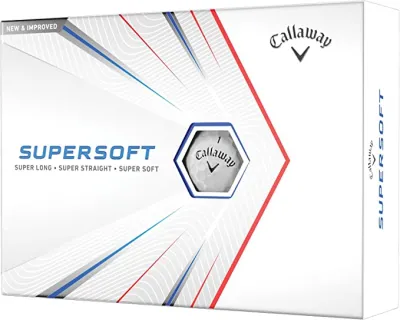
Prices are valid at publication and may change. Please refer to the product page for the latest price.
This design is particularly beneficial for golfers with moderate to slower swing speeds, typically those swinging a driver under 90 miles per hour. For these players, a firmer ball can feel like hitting a rock because their swing does not generate enough force to compress the core fully, resulting in lost distance. The softer core of the Supersoft allows these players to achieve maximum energy transfer, helping to optimize distance even with a smoother, more controlled swing.
Beyond distance, the softness of the core directly dictates the tactile feedback, or feel, that you experience through the club shaft. At impact, a low-compression ball produces a muted, soft sensation rather than a harsh click. This feedback is highly valued by players who prefer a dampening effect on off-center hits, making the game feel more forgiving.
Because manufacturers periodically update their product lines, the exact compression rating can vary slightly between different model years. To find the precise technical metrics for the specific box you are holding, it is always best to check the product packaging or consult the manufacturer’s official technical specifications.
Cover Material and Greenside Control
While the core determines the ball’s energy transfer and overall feel, the outer cover material governs durability, spin, and short-game performance. The Callaway Supersoft utilizes an ionomer-blend cover, which is a highly durable thermoplastic material. This choice of material represents a deliberate design trade-off engineered to suit specific playing styles.

In the world of golf ball design, there is a classic compromise between ionomer and urethane covers. Urethane is softer and more flexible, allowing the grooves of your wedges to grip the cover at impact, which generates high spin for precise greenside control and stopping power. Ionomer, on the other hand, is much harder and more resilient. It is highly resistant to scuffing, shearing, and cuts, making it an excellent choice for golfers who want their golf balls to last multiple rounds, even after contact with trees, cart paths, or abrasive sand traps.
When playing with an ionomer-blend cover like that of the Supersoft, you should expect a lower spin rate on short wedge shots and chips. Instead of the ball landing on the green and immediately checking up, it will typically release and roll out further toward the cup. Adjusting your short-game strategy to account for this extra roll-out is key to scoring well with this type of ball.
Additionally, the low-spin nature of the ionomer cover is a major advantage off the tee. Because it resists spinning, it helps minimize sidespin, which is the primary culprit behind severe slices and hooks. If your goal is to keep the ball in the fairway rather than executing high-spin flop shots, this cover material aligns perfectly with your needs.
Aerodynamics and Dimple Pattern Design
Once the ball leaves the clubface, its flight path is entirely at the mercy of aerodynamics. The Callaway Supersoft features a proprietary dimple pattern designed to optimize airflow around the ball during flight. This surface geometry is engineered to manage the opposing forces of lift and drag.
Dimples work by creating a thin, turbulent boundary layer of air that clings to the ball’s surface. This turbulent air allows the smooth airflow to travel further around the back of the ball, significantly reducing the low-pressure wake behind it, which minimizes aerodynamic drag. At the same time, the specific shape and depth of the dimples generate lift, helping the ball stay airborne longer.
In tropical climates like the Philippines, where heavy, humid air can sometimes drag down ball flight, efficient aerodynamics are crucial. The proprietary dimple design on the Supersoft is engineered to promote a stable, penetrating trajectory that resists ballooning into the wind.
However, it is important to remember that aerodynamics can only optimize the launch conditions your swing provides. Your actual flight trajectory, total distance, and shot dispersion will always be heavily influenced by your individual swing mechanics, clubhead speed, dynamic loft, and local environmental factors such as wind speed and direction.
Matching the Supersoft to Your Swing Profile
Deciding whether the Callaway Supersoft is the right ball for your bag depends on matching its technical specifications to your personal playing style and physical capabilities. This ball is not a universal solution for every golfer, but it excels within its target niche.
The ideal candidate for this ball is a recreational player, beginner, or senior golfer with a moderate swing speed who prioritizes straight distance and a soft feel. If you struggle with a slice off the tee and find that firmer balls feel harsh or dead off your clubface, the low-compression and low-spin characteristics of this model can provide a noticeable improvement in comfort and fairway accuracy.
Conversely, highly skilled players, low-handicappers, or those with very fast swing speeds (over 100 miles per hour) may find this ball less suitable. Fast swingers can over-compress a very soft ball, which can actually lead to a loss of velocity and distance. Furthermore, players who rely on shaping their shots or stopping the ball quickly on firm greens will likely miss the high spin rates provided by premium urethane-covered balls.
To help determine if this ball fits your current game, consider the following checklist:
- Is your driver swing speed moderate or slow (under 90 mph)?
- Do you prefer a soft, cushioned feel at impact over a firm, clicky feedback?
- Is your primary tee-shot goal to reduce sidespin and keep the ball in the fairway?
- Are you comfortable playing short-game shots that roll out on the green rather than stopping instantly?
- Do you prioritize durability and scuff resistance to get maximum value per ball?
If you answered yes to most of these questions, this low-compression option is highly likely to complement your style of play on the course.
Frequently Asked Questions (FAQ)
Does the Callaway Supersoft come in different colors?
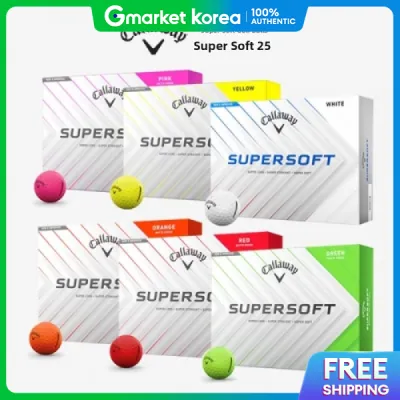
Yes, the manufacturer regularly releases this line in a variety of high-visibility colors alongside the traditional white. These options often include optic yellow, green, pink, and orange, as well as matte-finish versions. Using high-visibility colors can make it significantly easier to track your ball’s flight against a bright tropical sky or locate it in the deep rough. You can check local golf pro shops, authorized distributors, or online marketplaces in the Philippines to verify current color availability and local pricing, which typically ranges around ₱1,200 to ₱1,800 per dozen depending on the specific model year and promotions.
How does the Supersoft compare to the Callaway ERC Soft?
While both balls are designed to offer a soft feel, they target slightly different performance profiles. The Supersoft is a two-piece ball focused primarily on extreme soft feel, low spin, and straight distance at an accessible price point. The ERC Soft, on the other hand, is a multi-piece ball that typically features a hybrid cover material. This hybrid cover is engineered to deliver a soft feel while offering higher greenside spin and control than a standard ionomer cover, making it a step up in short-game versatility. Because product specifications and cover technologies are updated with each new generation, you should verify the latest technical details on the manufacturer’s official website before making your final selection.
Community discussion
Share your experience or ask a question. Comments are reviewed before publication.