
Selecting the right climbing gear is a critical step in ensuring both your safety and your enjoyment on the mountain. When exploring the Camnal official store, you will find a diverse range of outdoor equipment designed to support various vertical pursuits, from weekend trekking to technical rock climbing. Navigating this selection requires a systematic approach: you must match the technical specifications of each product to your specific climbing profile, environmental conditions, and safety requirements. This guide provides a comprehensive framework to help you evaluate the Camnal product lineup, verify essential safety certifications, and assemble a reliable gear kit tailored to your next adventure.
Climbing and mountaineering are inherently high-risk activities. No piece of equipment, regardless of its specifications or certifications, can substitute for proper training, sound judgment, and physical preparation. Before attempting any technical ascent, ensure you have received instruction from a certified guide or experienced mentor. Always inspect your gear before every climb, and establish clear stop conditions—such as deteriorating weather or equipment wear—before you begin your ascent.
Quick Start: Navigating the Camnal Official Store
Approaching an online storefront with hundreds of technical listings can be overwhelming. To make the most of your visit to the Camnal official store, begin by utilizing the platform’s category filters. These filters allow you to isolate equipment by activity type, such as alpine climbing, trekking, or bouldering, saving you from scrolling through irrelevant listings.
Products mentioned in this guide
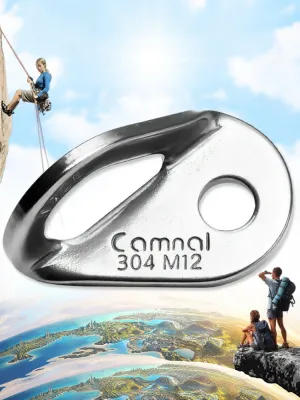
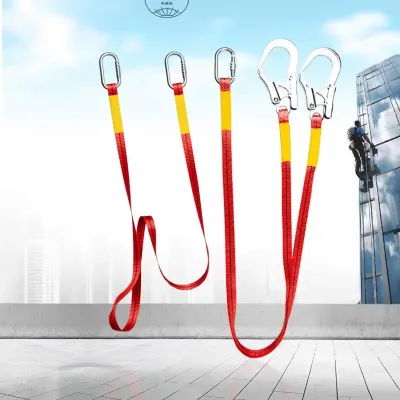
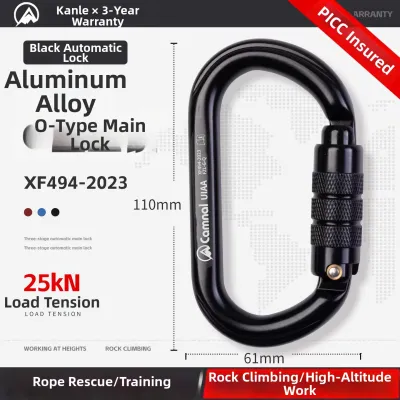
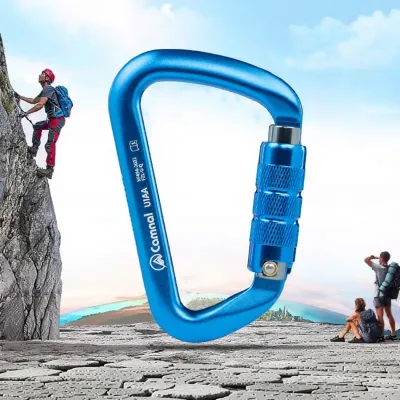
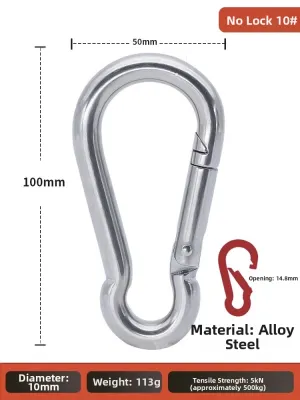
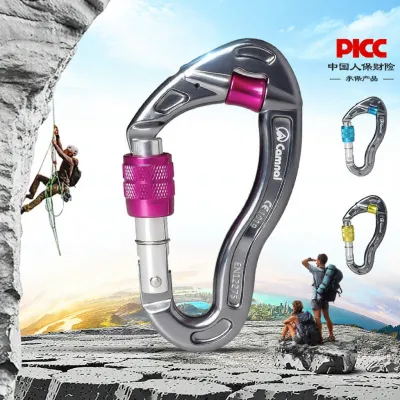
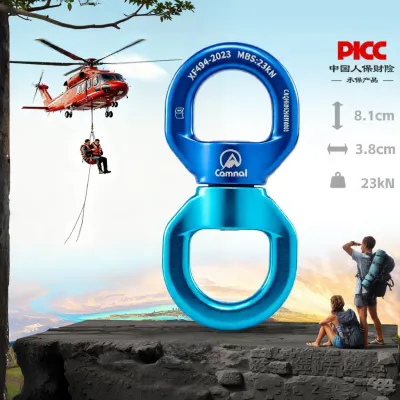
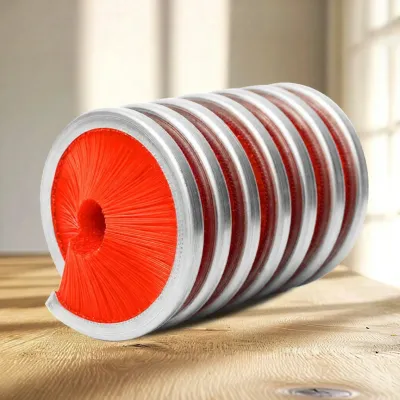
Prices are valid at publication and may change. Please refer to the product page for the latest price.
As you browse, resist the temptation to purchase items based solely on popularity or aesthetic appeal. Instead, cross-reference the detailed product descriptions with the specific conditions of your planned route. A harness designed for short sport climbing routes, for example, may lack the gear loops and padding required for a multi-day alpine ascent.
Budgeting is another crucial factor when assembling your kit. Look for bundled equipment packages within the store, which often combine essential items like harnesses, lanyards, and carabiners. These bundles can offer significant savings in ₱ compared to purchasing each item individually. However, you must verify that every component within a bundle meets your exact sizing and technical requirements before committing to the purchase.
Define Your Climbing Profile Before You Shop
Before adding items to your virtual cart, you must clearly define your climbing profile. This profile is determined by the duration of your trips, the environments you frequent, and your physical capabilities. Establishing these parameters beforehand prevents you from overbuying heavy gear you do not need or under-equipping for harsh conditions.

First, distinguish between single-day ascents and multi-day expeditions. A single-day climb allows you to prioritize lightweight, minimalist gear, as you will not need to carry heavy shelter or cooking systems. Conversely, multi-day expeditions demand high-capacity backpacks, durable tents, and robust load-bearing equipment that can withstand prolonged stress and carry heavier loads comfortably.
Second, assess the expected weather patterns, altitude, and terrain roughness of your destination. Climbing in the Philippines, for instance, presents unique challenges such as high humidity, sudden tropical downpours, and slippery, muddy trails. Your gear must be highly water-resistant and breathable to handle these tropical conditions. If you are climbing volcanic peaks or sharp limestone cliffs, prioritize high-abrasion resistance in your apparel and equipment.
Finally, evaluate your personal fitness and load-bearing comfort. While ultralight gear reduces physical fatigue on steep ascents, it often sacrifices durability and structural support. If you are carrying heavy loads over long distances, a slightly heavier pack with a robust suspension system will provide better long-term comfort and stability than an ultralight alternative.
Evaluating Core Gear Categories in the Store
To build a cohesive climbing system, you must understand how different gear categories integrate with one another. Each piece of equipment serves a specific primary function, and its performance depends on how well it coordinates with the rest of your kit. When browsing the Camnal store, evaluate listings based on their functional role rather than general popularity.
Technical Apparel and Footwear
Your clothing and footwear serve as your primary barrier against the elements. When reviewing technical apparel listings, pay close attention to the fabric composition. Look for moisture-wicking synthetic materials or merino wool blends for your base layers to keep sweat away from your skin. Insulating mid-layers should offer high warmth-to-weight ratios, while outer shells must feature windproof and waterproof membranes to protect you from sudden tropical storms.
For footwear, examine the product specifications for sole grip patterns and rubber compounds. Deep, multi-directional lugs are essential for maintaining traction on muddy mountain trails, while sticky rubber zones on the toe are necessary for scrambling over wet rock. If your route involves snow or ice at high altitudes, verify whether the boots feature heel welts compatible with semi-automatic or automatic crampons.
Always consult the detailed sizing charts and fit guides provided on the product pages. Technical footwear should fit snugly to prevent your foot from sliding inside the boot, which causes painful blisters, yet leave enough room for your toes to wiggle when wearing thick hiking socks. Measure your feet carefully and compare your dimensions to the manufacturer’s guide rather than relying on your standard shoe size.
Backpacks and Load-Bearing Equipment
Your backpack is the vessel that carries your entire survival system, making its selection critical. Match the pack’s capacity, measured in liters, to the duration of your trip and the bulk of your gear. A 30-to-40-liter pack is generally sufficient for technical day climbs, while multi-day treks require 50 to 70 liters of volume to accommodate sleeping bags, tents, and food.
Examine the backpack’s suspension system, focusing on the rigidity of the frame, the thickness of the hip belt padding, and the adjustability of the torso length. A well-designed suspension system transfers up to 80 percent of the pack’s weight from your shoulders to your hips, reducing fatigue and preventing shoulder strain. Look for breathable mesh back panels to help manage heat and sweat in humid tropical climates.
Technical routes require quick access to specialized gear. Search for packs equipped with external attachment points, such as ice axe loops, daisy chains, and trekking pole attachments. Hydration compatibility, including an internal reservoir sleeve and hose port, is also highly beneficial for maintaining hydration without needing to stop and open your pack.
Camping and Survival Essentials
For overnight or multi-day climbs, your shelter and sleep systems are your primary means of recovery. Read tent specifications carefully, focusing on the season rating and pole structure. A three-season tent is typically sufficient for most tropical mountain environments, but it must feature a high hydrostatic head rating (measured in millimeters) on both the rainfly and the floor to prevent water penetration during heavy downpours.
When evaluating sleeping bags and sleeping pads, look for standardized temperature ratings. Distinguish between the “comfort” rating, which indicates the temperature at which a cold sleeper can sleep comfortably, and the “limit” or “survival” rating, which is the minimum temperature at which the bag will keep you alive. Choose a sleeping pad with an appropriate R-value to insulate your body from the cold ground, especially when camping at high-altitude sites.
Never overlook emergency and survival tools. Ensure your kit includes a reliable navigation system, a compact first-aid kit, and emergency signaling devices. These items should be stored in waterproof dry bags within your pack to ensure they remain dry and functional when needed most.
Verifying Specifications and Safety Labels
In high-risk sports like mountain climbing, verifying technical specifications and safety certifications is a non-negotiable step. Do not rely on marketing slogans, promotional videos, or user-submitted photos on the product page. Instead, navigate directly to the official specification tables and product manuals provided by the manufacturer.
Look for standardized fabric metrics such as denier (D) counts, which measure the thickness and density of individual threads. A higher denier count, such as 420D or 840D nylon, indicates superior puncture and abrasion resistance, making it ideal for backpack bases and high-wear areas of apparel. For waterproof gear, verify the hydrostatic head rating; a rating of 10,000mm or higher is recommended for heavy rain protection.
For load-bearing hardware—such as harnesses, carabiners, pulleys, and descenders—it is vital to verify official safety certifications. Look for recognized standards such as the CE (Conformité Européenne) mark or the UIAA (International Climbing and Mountaineering Federation) label. These certifications indicate that the equipment has undergone rigorous laboratory testing to meet international safety standards.
Additionally, check the rated strength of all metal hardware, typically measured in kilonewtons (kN). A standard climbing carabiner, for example, should display its major axis, minor axis, and open-gate strength ratings. Ensure these ratings align with the demands of your specific climbing discipline and the weight of your gear configuration.
Building Your Kit: A Step-by-Step Selection Process
Once you understand how to evaluate individual items, you can begin building your climbing kit systematically. Following a structured selection process ensures that you prioritize essential safety gear and that all your equipment works together seamlessly.
Step 1: Prioritize the “Big Three” Before spending your budget on accessories or high-end apparel, secure your primary survival gear: your shelter, your sleep system, and your backpack. These three items represent the foundation of your outdoor kit. Allocate a significant portion of your budget in ₱ to these components, as they directly impact your safety, recovery, and physical comfort on the trail.
Step 2: Ensure Interoperability Verify that your selected items are compatible with one another. For example, ensure that your sleeping pad fits comfortably within the footprint of your tent without pushing against the walls, which can cause condensation to leak inside. Check that your backpack has sufficient internal volume to house your sleeping bag and food storage containers, with enough external attachment points to secure your technical hardware.
Step 3: Integrate Technical Hardware Once your survival essentials are secured, select your technical climbing hardware based on your specific route requirements. Choose a harness that fits comfortably over your layering system, and select carabiners and belay devices that are compatible with your rope diameter. Always double-check the compatibility of your hardware to prevent dangerous mismatches on the rock.
Step 4: Review Store Policies and Shipping Before finalizing your order on the online marketplace, review the store’s return policies, warranty terms, and shipping timelines. Because proper fit is critical for climbing gear, ensure the store allows returns or exchanges for sizing adjustments. Check the estimated delivery windows to the Philippines to ensure your gear arrives well in advance of your scheduled expedition, leaving you ample time to inspect and test each item in a controlled environment.
Frequently Asked Questions (FAQ)
Does the Camnal official store offer warranties on climbing gear?
Warranty policies can vary depending on the specific product category and the region of purchase. To find the exact warranty terms for an item, navigate to the product details section on the official store page or consult the store’s customer service policies. Most technical climbing gear manufacturers offer warranties against manufacturing defects in materials and workmanship, but these warranties typically exclude damage caused by normal wear and tear, improper use, or unauthorized modifications.
How can I check the current stock and shipping times for expeditions?
Real-time stock levels are usually displayed directly on the individual product pages of the official storefront. If an item is low in stock, a warning indicator will typically appear near the purchase button. To estimate shipping times for your upcoming expedition, proceed to the checkout page and enter your delivery address in the Philippines. This will generate estimated delivery windows and display any available expedited shipping options to ensure your gear arrives before your trip.
Are there specific sizing guides for Camnal climbing apparel and boots?
Yes, detailed sizing charts are typically linked within the product listings for all apparel and footwear items. Because technical outdoor gear requires a precise fit to function safely and comfortably, you should always measure your body dimensions—such as chest circumference, waist size, and foot length—using a flexible measuring tape. Compare these measurements directly to the provided chart, and pay attention to any fit recommendations, such as whether a specific boot model runs small or features a narrow toe box.
Community discussion
Share your experience or ask a question. Comments are reviewed before publication.