
Deciding whether a Camp Haven tent is worth buying for your outdoor adventures in the Philippines requires a careful look at how its specifications handle local tropical conditions. With the country’s unpredictable weather—ranging from intense midday heat to sudden torrential downpours—a tent is your primary line of defense against the elements. Rather than relying on generic marketing claims, evaluating this gear involves matching its physical features, materials, and design elements directly to your specific camping style and the environments you plan to explore.
Whether you are planning a relaxed weekend getaway on the beaches of Zambales, a misty trek up the peaks of Benguet, or a family car camping trip in Rizal, your shelter must keep you dry, cool, and secure. By understanding how to read tent specifications, inspect manufacturing details, and calculate real-world value, you can determine if a Camp Haven model aligns with your budget and performance expectations. This guide provides a systematic framework to help you make an informed purchase decision.
Matching Your Camping Style to Tent Specifications
Before diving into the specific features of any Camp Haven tent, you must first define your primary camping style, as no single tent design excels in every scenario. Casual car camping, where you drive directly to a designated campsite, allows you to prioritize interior space, headroom, and comfort over weight and packed size. For these trips, larger cabin-style or multi-room tents are ideal because they accommodate thick sleeping mattresses, folding chairs, and standing-height clearances. If you are looking at a Camp Haven model for car camping, focus on the footprint dimensions and peak height to ensure your family or group has enough room to move comfortably.
Products mentioned in this guide
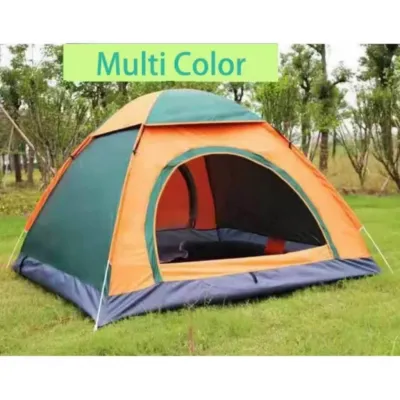
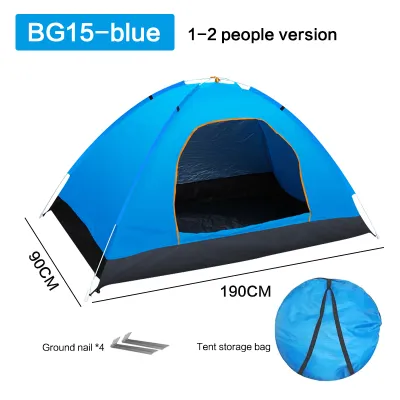
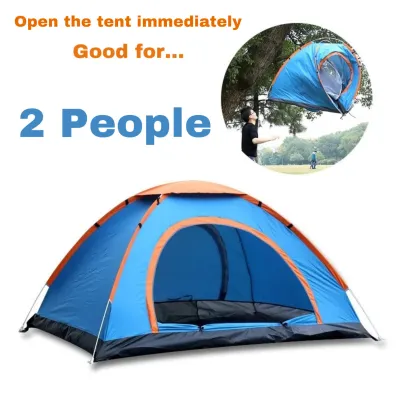
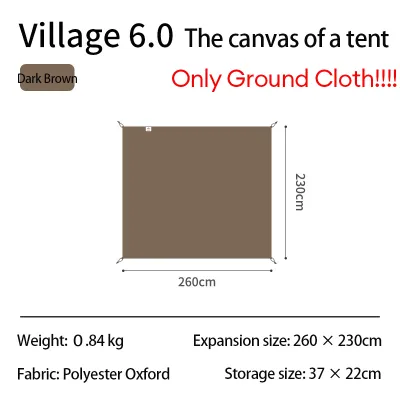
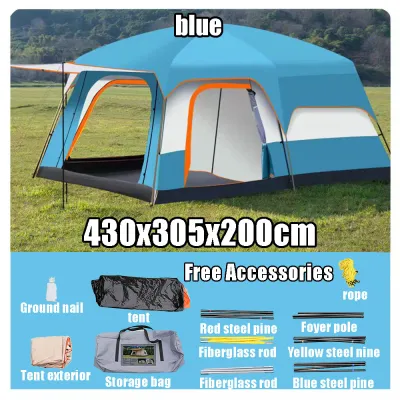
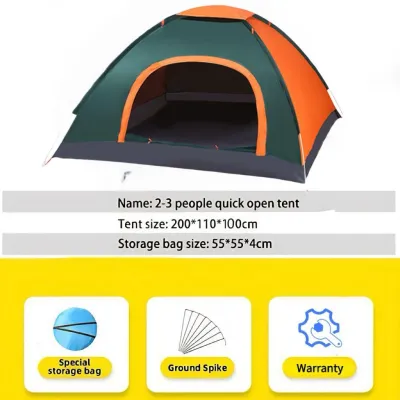
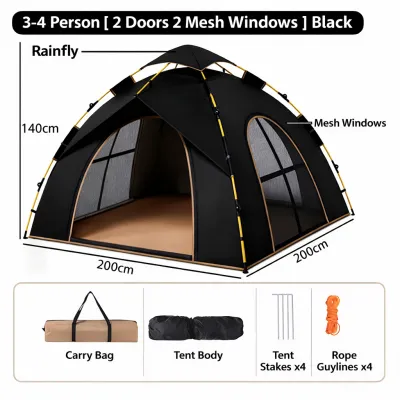
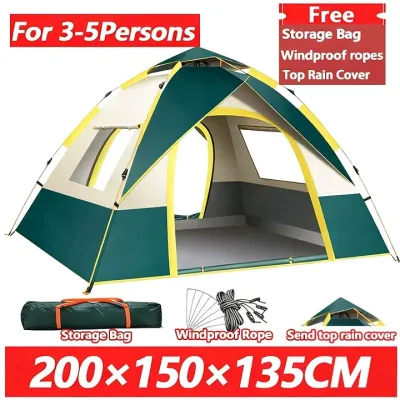
Prices are valid at publication and may change. Please refer to the product page for the latest price.
In contrast, weekend hiking and multi-day backpacking demand a completely different set of specifications. When you must carry all your gear on your back along steep trails like Mt. Daraitan or Mt. Pulag, every gram matters. For these activities, you need to evaluate the tent’s packed weight and folded dimensions to ensure it fits inside or securely fastens to your backpacking pack. A heavy, bulky tent will quickly exhaust you on long ascents, making lightweight dome or tunnel designs far more suitable than heavy-duty recreational models.
To make an accurate assessment, always locate the product label or official specification sheet for the specific Camp Haven model you are considering. Pay close attention to the manufacturer’s stated capacity, which typically indicates the maximum number of people who can lie side-by-side without gear. If you plan to store backpacks, shoes, and equipment inside the tent, you should generally subtract one or two people from the rated capacity to find your true comfortable limit. Additionally, check the seasonal rating; most camping in the Philippines requires a well-ventilated three-season tent rather than a heavy, insulated four-season tent designed for snow.
Evaluating Weather Resistance for Philippine Conditions
The tropical climate of the Philippines presents unique challenges for outdoor gear, making weather resistance the most critical factor in your evaluation. High humidity, intense solar exposure, and sudden monsoon rains can easily compromise a low-quality shelter. To verify if a Camp Haven tent can withstand these conditions, start by checking the hydrostatic head rating of both the rainfly and the tent floor. This rating, measured in millimeters (mm), indicates the amount of water pressure the fabric can resist before leaking. For reliable protection during the rainy season, look for a rainfly rating of at least 1,500mm to 2,000mm, and a floor rating of 3,000mm or higher to resist ground moisture.

Beyond fabric ratings, inspect the physical construction methods used to prevent water ingress. Examine the seams of the rainfly and floor to confirm they are factory-taped or sealed; unsealed seams are prime entry points for water during prolonged downpours. The floor design is equally important; a “bathtub” floor design, which wraps several inches up the sides of the tent before meeting the wall fabric, keeps ground runoff from seeping through the lower seams. Ensure that the rainfly offers full coverage, extending close to the ground, rather than a partial cap that leaves the inner tent walls exposed to wind-driven rain.
Managing condensation is another major hurdle in warm, humid environments. When warm breath meets cooler night air, moisture condenses on the inside of the tent walls, potentially dripping onto your sleeping gear. To prevent this, evaluate the tent’s ventilation features. Look for models with extensive mesh panels on the inner tent body, dual doors that allow for cross-ventilation, and adjustable vents on the rainfly that can be propped open even during rain. Proper airflow not only keeps the interior dry but also helps regulate the temperature during hot tropical nights.
Assessing Durability, Weight, and Setup Ease
A tent’s durability directly impacts its safety and longevity, especially when pitched on rough, rocky terrain or exposed to strong coastal winds. Begin your durability check by verifying the materials used for the tent poles. Aluminum poles are generally preferred for their high strength-to-weight ratio and flexibility under wind loads, whereas fiberglass poles, while more budget-friendly, can be heavier and more prone to splintering under extreme stress. Additionally, check the fabric denier (denoted by a “D” number, such as 68D or 75D) of the canopy and floor; a higher denier indicates thicker, more abrasion-resistant threads that can withstand friction against twigs, stones, and rough ground.
Portability is another key factor, particularly if your camping trips involve public transportation like jeepneys, tricycles, or provincial buses. Review the packed weight and folded dimensions of the Camp Haven tent to ensure it is manageable for your travel style. If you are backpacking, a tent weighing over three kilograms can become a significant burden on long treks. However, if you primarily engage in car camping, a heavier weight is an acceptable trade-off for a more robust frame and spacious interior.
Finally, consider how easy the tent is to pitch, especially when arriving at a campsite in low light or during a sudden change in weather. Look for user-friendly setup mechanisms such as color-coded poles, intuitive clip attachments instead of tedious continuous pole sleeves, and pre-attached guylines. A tent that can be pitched quickly by one or two people reduces exposure to the elements and minimizes frustration at the start of your outdoor adventure.
Verifying Price, Warranty, and Real-World Value
To determine if a Camp Haven tent is truly worth buying, you must weigh its retail price against its build quality, expected lifespan, and after-sales support. Start by comparing the current retail price in ₱ across official brand stores, authorized local dealers, and reputable outdoor retailers. Be cautious of unusually low prices on unauthorized online marketplaces, as these may indicate counterfeit products or older, degraded stock that has lost its waterproof coatings.
Next, research verified buyer reviews and community forums, focusing specifically on long-term performance feedback. Look for recurring comments regarding zipper reliability, as broken zippers are one of the most common reasons tents become unusable. Pay attention to how the fabric holds up after multiple uses in tropical sun, which can degrade polyurethane coatings over time. Reliable after-sales support is another crucial component of value; check if the manufacturer or local distributor offers a clear warranty policy covering manufacturing defects.
Furthermore, investigate the local availability of replacement parts. Even the most durable tents can suffer damage from unexpected wind gusts or accidental tears. Knowing you can easily purchase replacement poles, stakes, or guylines in the Philippines ensures that a minor mishap does not force you to discard the entire tent. A slightly higher upfront cost for a brand that provides accessible spare parts and reliable customer service often translates to better long-term value.
When to Consider Alternative Tent Options
While a standard recreational tent may suit many campers, there are specific scenarios where alternative options are more appropriate. If your primary focus is high-altitude mountaineering or long-distance backpacking, you should consider specialized ultralight tents. These models utilize advanced materials like silicone-impregnated nylon (silnylon) or ultra-high-molecular-weight polyethylene to drastically reduce weight, though they often come at a significantly higher price point and may require more delicate handling.
Conversely, if you plan to set up a semi-permanent camp or engage in glamping, heavy-duty canvas tents or poly-cotton blend shelters might be a better choice. These materials offer exceptional breathability and durability, making them highly comfortable for extended stays, though their extreme weight and bulk make them unsuitable for any form of active hiking. Additionally, if you frequently camp in areas prone to severe storms, look for tents with geodesic pole structures that offer superior wind shedding and stability compared to standard dome designs.
Ultimately, you should prioritize core safety, weather protection, and structural integrity over secondary accessories, aesthetic designs, or complex multi-room layouts. A simpler, well-constructed tent with high-quality waterproofing and sturdy poles will always serve you better in a tropical storm than a feature-rich model made with substandard materials. Assess your personal limits, camping environments, and budget realistically before making your final selection.
Frequently Asked Questions (FAQ)
How should I clean and store my tent after a wet camping trip?
To preserve the waterproof coatings and prevent mold growth, never pack away a wet or dirty tent long-term. Start by gently cleaning the fabric using lukewarm water, a soft sponge, and a mild, non-detergent soap; avoid harsh household chemicals or machine washing, which can strip away the protective polyurethane layers. Once clean, pitch the tent or hang it up in a well-ventilated, shaded outdoor area until it is completely dry. Avoid direct, intense sunlight, as prolonged ultraviolet exposure can weaken the synthetic fibers. Once dry, store the tent loosely in a breathable cotton sack or a large mesh bag rather than compressing it tightly into its original stuff sack, and keep it in a cool, dry closet away from high humidity.
What size tent should I buy for a family of four?
When buying a tent for a family of four, you should generally look for a model rated for five or six people. Manufacturer capacity ratings are calculated based on the maximum number of sleeping pads that can fit tightly on the tent floor, leaving virtually no room for personal gear, bags, or movement. Sizing up to a five- or six-person tent ensures you have adequate space to store your backpacks inside, change clothes comfortably, and avoid sleeping pressed against the wet outer walls. Additionally, check the interior peak height to ensure there is sufficient headroom for comfortable sitting or standing, and verify the floor dimensions to confirm your specific sleeping pads or air mattresses will fit side-by-side without overlapping.

Community discussion
Share your experience or ask a question. Comments are reviewed before publication.