
When shopping for a waterproof camping tent, look for a Hydrostatic Head (HH) rating of at least 1,500mm to 2,000mm for the rainfly, and 3,000mm or higher for the floor. However, a high rating alone does not guarantee you will stay dry. True waterproof protection depends on a combination of a full-coverage rainfly, factory-taped seams, a bathtub floor design, and robust ventilation to manage internal condensation.
In tropical environments where sudden afternoon downpours and high humidity are the norm, choosing the right specifications can mean the difference between a memorable outdoor adventure and a soggy, ruined weekend. Understanding how these ratings and construction features work together allows you to select a shelter that matches your specific camping style, venue, and weather conditions.
Decoding Hydrostatic Head (HH) Ratings
Hydrostatic Head is the standard laboratory measurement used to quantify a fabric’s water resistance. During testing, a column of water is placed over a piece of taut tent fabric, and the height of the water column in millimeters is increased until water penetrates the material in three distinct spots. A rating of 2,000mm means the fabric can withstand a 2,000-millimeter column of water pressure before leaking.
Products mentioned in this guide
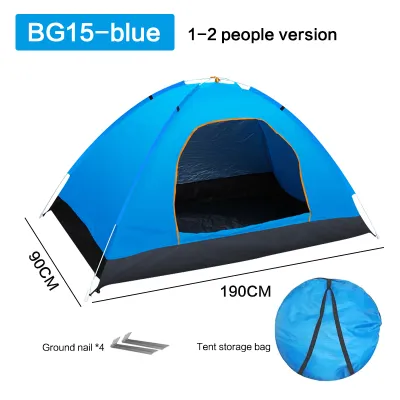
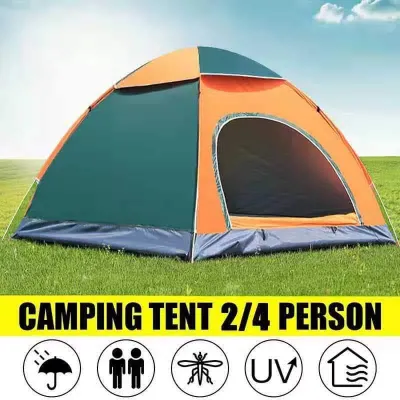
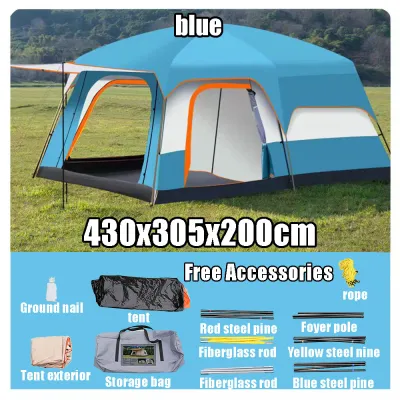
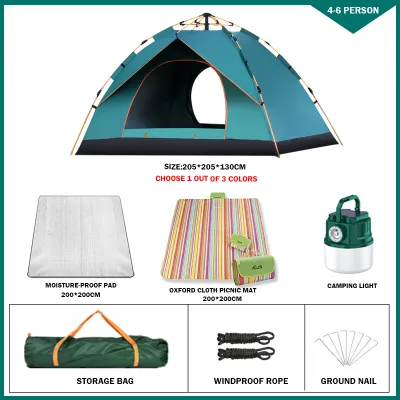
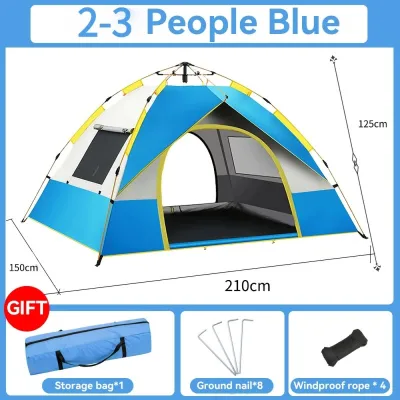
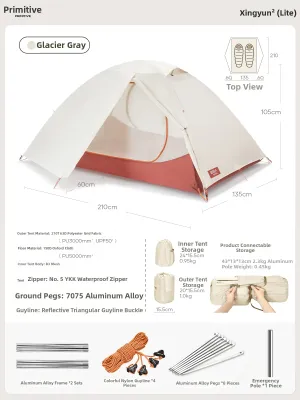
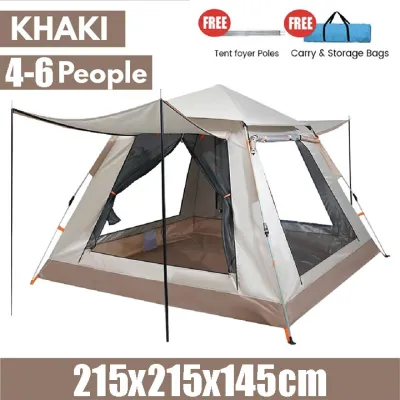
Prices are valid at publication and may change. Please refer to the product page for the latest price.
Different rating tiers correspond to varying levels of real-world weather protection:
- Under 1,000mm: This tier offers minimal water resistance, suitable only for backyard play or light, brief drizzles in dry seasons.
- 1,000mm to 1,500mm: This range provides basic protection against mild, predictable summer showers but may fail during sustained rainfall.
- 1,500mm to 2,000mm: This is the sweet spot for recreational campers, offering reliable defense against moderate, steady rain.
- 3,000mm and above: Designed for heavy downpours, prolonged storms, and high-altitude use, these fabrics are built to withstand severe weather.
Tent floors require significantly higher HH ratings than rainflies, often starting at 3,000mm and reaching up to 5,000mm or more. When you sit, kneel, or place a heavy sleeping pad on the tent floor, your body weight exerts high, concentrated pressure on the damp ground underneath. This physical force can easily push water through lower-rated fabrics that would otherwise repel rain easily.
While a higher HH rating increases water resistance, it also introduces specific trade-offs. Achieving a high rating requires thicker polyurethane (PU) coatings or heavier fabrics, which add weight and bulk to your pack. Additionally, heavily coated fabrics are less breathable, which can trap warm air and moisture inside the tent, leading to severe condensation issues in warm climates.
Essential Waterproof Construction Features
Even the most advanced waterproof fabric will fail if the tent’s physical design allows water to bypass the material entirely. High-quality construction features are essential to ensure the tent functions as a complete weather-protective system.

Rainfly Coverage and Bathtub Floors
A partial rainfly, which only covers the top mesh portion of the tent, leaves the lower fabric walls exposed to the elements. In windy conditions, rain blows sideways and can easily penetrate the inner tent fabric. A full-coverage rainfly extends almost to the ground, creating a protective double-wall barrier that channels water away from the living space.
To prevent ground-level water from entering, look for a bathtub floor design. In this construction, the heavy-duty waterproof floor material wraps several inches up the sides of the tent before stitching to the wall fabric. This raises the vulnerable seams above pooling water, mud, and ground-level splashing.
Seam Taping and Sealing
Every needle hole made during the manufacturing process is a potential leak point. Factory-taped seams feature a thin waterproof tape that is heat-applied over the stitched seams on the inside of the rainfly and floor. This provides an immediate, reliable barrier against water ingress.
For tents without factory tape, or as a maintenance step for older gear, liquid seam sealants must be painted on manually. Always check the manufacturer’s care instructions before applying any aftermarket sealant, as silicone-treated fabrics require silicone-based sealants, while polyurethane-coated fabrics require polyurethane sealants. Focus your application on high-stress areas such as roof ridges, corners, and guyline attachment points.
Weather-Protected Zippers and Vents
Zippers are notorious entry points for water due to the gaps between their teeth. High-quality tents address this by incorporating storm flaps—strips of waterproof fabric that fold over the zipper track to shed water away. Premium models may feature highly water-resistant polyurethane-coated zippers that repel water without the need for bulky flaps.
Ventilation is an active part of keeping a tent dry. High-low venting systems, which pair mesh panels near the floor with adjustable vents near the peak of the rainfly, create a chimney effect that draws fresh air in and pushes warm, moist air out. Without this airflow, the humidity from your breath will condense on the cold underside of the rainfly and drip back down, mimicking a roof leak.
Selecting Specs for Tropical and Heavy Rain Environments
Camping in humid, tropical regions like the Philippines requires specialized gear selections to handle intense wet seasons and sudden torrential downpours. Whether you are pitching your tent in humid coastal areas or trekking up high-altitude peaks like Mount Pulag, your shelter must balance water resistance with airflow.
For tropical wet seasons, prioritize a tent with a minimum HH rating of 2,000mm for the rainfly and 3,000mm to 5,000mm for the floor to handle saturated ground. However, because high HH fabrics trap heat and humidity, look for designs that feature extensive mesh inner walls. This allows you to leave the rainfly off during dry, hot nights, while still providing a quick-deploy option if a storm rolls in.
Wind often accompanies heavy tropical rain, making structural stability a key component of waterproof performance. A sagging rainfly allows water to pool, which eventually forces its way through the fabric regardless of the HH rating. Ensure your tent has a sturdy aluminum or high-quality fiberglass pole structure and multiple guyline attachment points. Tensioning the guylines keeps the fly taut, allowing water to shed off instantly and keeping the wet fly from touching the dry inner tent wall.
Simplifying Your Decision: Marketing Fluff to Ignore
Navigating tent specifications can be confusing, especially when faced with clever marketing terms designed to make basic shelters sound advanced. Focusing on standardized measurements will help you make a practical purchase.
Avoid generic labels like “water-resistant” or “weatherproof” if the manufacturer does not specify an actual Hydrostatic Head rating in millimeters. Verifiable specifications are the only reliable way to gauge true performance. Additionally, do not assume that proprietary fabric brand names automatically guarantee superior waterproofing; always look for the actual HH test data and construction details.
Avoid overpaying for extreme HH ratings, such as 10,000mm, for casual or standard recreational camping. Tents with these specifications are typically designed for extreme alpine expeditions, making them unnecessarily heavy, stiff, and expensive. Standard reliable options in the market range from ₱3,000 to ₱8,000, which offer excellent protection without the high cost and weight of expedition-grade gear.
Frequently Asked Questions (FAQ)
Is a 3000mm HH tent completely waterproof?
A 3,000mm HH fabric is highly water-resistant and can easily withstand heavy rain, but the tent as a whole is only as waterproof as its weakest point. If the seams are untaped, the zippers are exposed, or the tent is pitched poorly so that the rainfly touches the inner tent, water can still find its way inside. Waterproofing is a system of fabric, construction, and proper setup.
Do I need to re-seal my tent seams before every trip?
No, re-sealing seams is not a mandatory pre-trip chore. Factory-applied seam tape can last for years if the tent is dried completely before storage and kept in a cool, dry place. You should inspect your tent’s seams annually or before major trips, applying a compatible liquid seam sealant only if you notice the tape peeling, flaking, or cracking.
How can I tell if my tent is leaking or just suffering from condensation?
Condensation usually appears as a uniform, thin film of moisture or fine droplets across the entire inner surface of the rainfly or tent walls, especially in humid environments. A true leak is typically localized, resulting in active dripping or pooling water directly beneath a specific seam, zipper, or worn patch of fabric. To minimize condensation, maximize ventilation by opening vents and pitching your tent away from damp hollows or water bodies.
Community discussion
Share your experience or ask a question. Comments are reviewed before publication.