
Choosing between a canopy tent and a regular tent depends on whether your primary goal is daytime group shelter or secure overnight sleeping. A regular tent provides a fully enclosed, weather-resistant sleeping space designed to protect you from insects, rain, and wind. In contrast, a canopy tent offers an open-sided, high-clearance shelter designed primarily for daytime shade, communal cooking, and group gatherings. For most campers, especially those navigating tropical climates with sudden downpours and high humidity, the decision comes down to how you plan to manage weather exposure, ventilation, and overnight comfort.
Understanding the structural differences and protective capabilities of each option prevents common camping mishaps, such as water pooling on an unstable roof or insects invading your sleeping area. By evaluating your specific camping style, group size, and destination, you can select the shelter that keeps your gear dry and your camp comfortable.
Core Design and Setup Differences
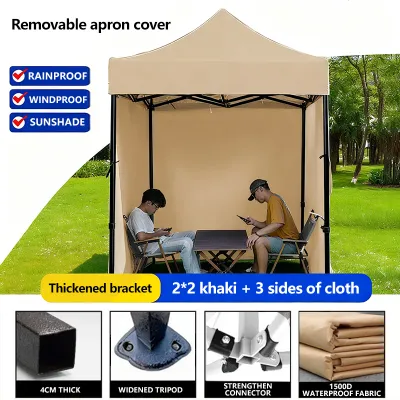
The fundamental difference between these two shelters lies in their structural engineering and intended space utilization. Canopy tents, often referred to as pop-up shelters, utilize an integrated accordion-style metal frame. This frame expands outward and locks into place, supporting a heavy-duty fabric roof. Because the frame is self-contained and made of steel or aluminum, it is inherently heavy and bulky when folded, making it suitable almost exclusively for drive-up car camping or backyard events.
Products mentioned in this guide
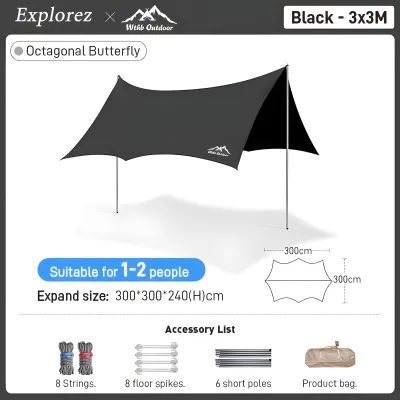
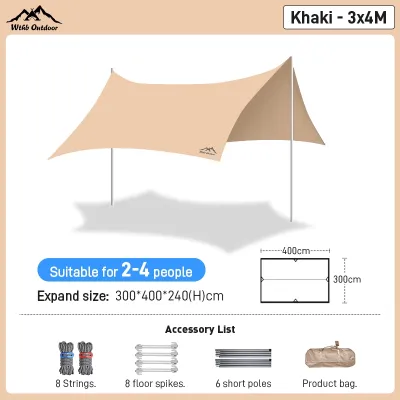
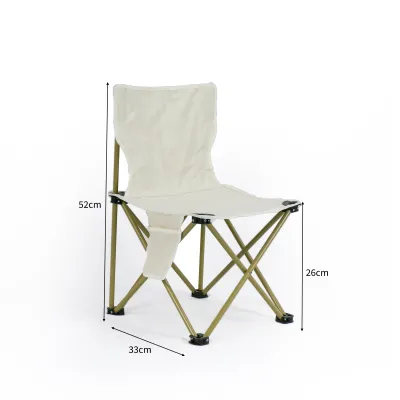
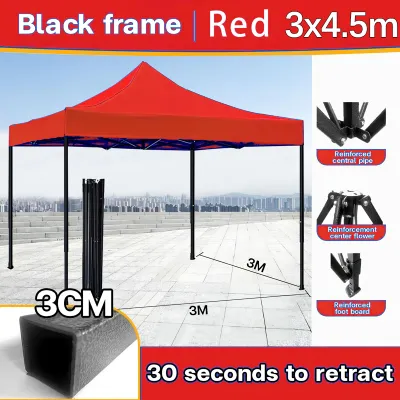
![[Local stock]2*2/3*3M Thickened Durable Tent Cover Retractable tent Replacement Cover Replacement Pop Up Canopy Top Tent Outdoor Waterproof Sunscreen Tent for Car Parking Street stall Camping](https://img.lazcdn.com/g/p/2a07012f3c2259da1a13e28cad572d93.jpg_400x400q80.jpg_.webp)
Prices are valid at publication and may change. Please refer to the product page for the latest price.
Regular camping tents rely on a pole-and-sleeve or clip system. These structures use flexible fiberglass, aluminum, or carbon fiber poles that thread through fabric sleeves or attach via plastic clips to tension the tent body. This tensioned design allows the tent to pack down into a compact, lightweight carry bag that can fit inside or attach to a backpack. While a regular tent requires more steps to assemble—such as threading poles, securing inner clips, and stretching the rainfly—the resulting structure is highly efficient at distributing wind loads and shedding water.
Setup times and manpower requirements also vary significantly between the two styles. A standard pop-up canopy tent typically requires at least two people to pull the frame outward from opposite corners safely. Attempting to pitch a large canopy alone can torque the frame, leading to bent metal struts or broken joints. Conversely, many modern regular tents, especially dome and tunnel models designed for two to four people, can easily be pitched by a single camper within ten to fifteen minutes once the technique is mastered.
Space utilization inside the shelter is another critical factor. Canopy tents feature vertical or near-vertical legs, providing maximum peak headroom that often exceeds two meters across the entire footprint. This allows adults to stand, walk, and work comfortably without hunching. Regular tents, particularly dome and backpacking models, have sloping walls that restrict standing room to the very center of the tent. While cabin-style regular tents offer more vertical walls, they still prioritize floor space for sleeping bags and gear storage rather than standing clearance for active daytime use.
Weather Protection and Climate Limits
Evaluating how each shelter handles environmental elements is crucial for safety and comfort, particularly in tropical regions prone to intense sun, high humidity, and sudden heavy downpours. A regular camping tent is engineered as a sealed microclimate. It features a fully enclosed inner tent body, integrated fine-mesh bug netting to keep out mosquitoes and crawling insects, and a waterproof bathtub floor. A bathtub floor uses thick, durable material that wraps several inches up the sides of the tent, preventing ground water from seeping through the seams during heavy rains.

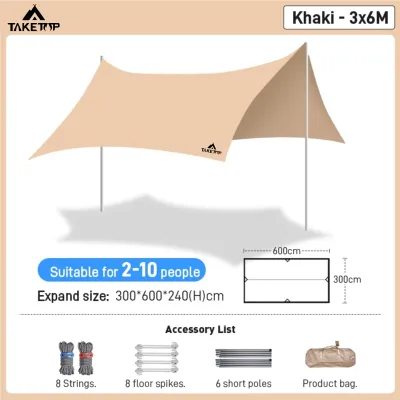
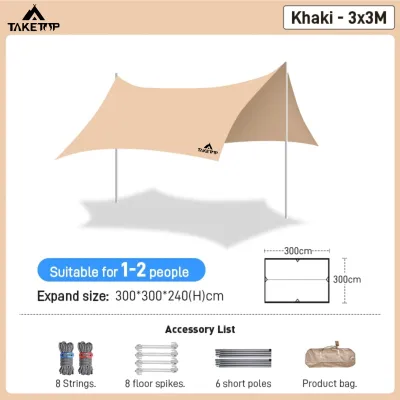
Standard canopy tents are open-sided structures. While they provide excellent overhead shade from the sun, they offer virtually no protection from blowing rain, wind-driven mist, or insects. If you plan to use a canopy tent in wet weather, you must verify if the manufacturer offers compatible sidewalls or mesh screens that can be attached to the frame. Without these accessories, gear stored under a canopy can easily become wet during a typical afternoon thunderstorm.
When shopping for either shelter, check the product labels for water resistance specifications. Look for the hydrostatic head (HH) rating, which measures the fabric’s resistance to water pressure in millimeters. For reliable protection in rainy conditions, look for a rating of at least 1,500mm to 3,000mm. Additionally, verify that the seams are factory-taped or sealed. Seam tape is a waterproof strip applied over the stitching lines to prevent water droplets from dripping through the needle holes.
Wind stability requires different preparation for each shelter type. Because canopy tents have a high profile and open sides, they act like giant sails in high winds. To prevent a canopy from lifting or collapsing, you must secure it using heavy-duty stakes, tensioned guylines, or leg weights. If you are pitching on hard ground where stakes cannot be driven, utilizing specialized sandbags or water-filled weights attached to the legs is essential. Regular tents have a much lower profile and aerodynamic shapes that naturally shed wind, provided they are properly staked down and the guylines are tensioned to distribute the load across the pole structure.
Best Use Cases for Each Shelter Type
Matching your shelter to your specific outdoor activities ensures you do not carry unnecessary weight or find yourself unprotected during a storm. Regular tents are the standard choice for overnight camping, multi-day backpacking trips, and beach camping where wind and blowing sand are constant challenges. They provide the privacy needed for changing clothes, secure storage for personal gear, and thermal insulation during cooler mountain nights. If your primary goal is a safe, dry, and insect-free place to sleep, a regular tent is indispensable.
Canopy tents excel in daytime environments where group interaction and ventilation are the priorities. They are ideal for backyard gatherings, beach picnics, tailgating, and serving as a centralized camp kitchen during car camping trips. In hot and humid climates, a canopy tent allows maximum airflow, keeping the shaded area significantly cooler than the inside of an enclosed tent. It provides a communal hub where campers can gather to cook, eat, and socialize without feeling confined.
For extended basecamp stays or large family trips, a hybrid approach often yields the best results. This setup involves pitching a large canopy tent as a central living and dining area, surrounded by smaller, dedicated sleeping tents. The canopy serves as a communal shelter that protects your camp kitchen, cooler, and camp chairs from both the midday sun and sudden rain showers. This keeps the sleeping tents clean, quiet, and free of food odors that might attract local wildlife or pests.
When planning your carrying method, consider the physical limits of your vehicle and your own lifting capacity. A packed canopy tent is heavy, often weighing between 15 to 25 kilograms, and its long, rigid packed size requires significant trunk space. A regular tent packs down into a fraction of that size and weight, making it the only viable option if you must hike to your campsite or have limited vehicle storage.
Final Decision: Which Shelter Fits Your Needs?
To finalize your purchase decision, evaluate your primary camping goals, group size, and how you plan to transport your gear. Use the following checklists to determine which shelter type aligns with your upcoming outdoor adventures.
Choose a regular tent if:
- Your primary activity is overnight sleeping: You need a fully enclosed, secure space that protects you from rain, wind, and insects throughout the night.
- You require portability: You plan to hike, backpack, or camp in remote areas where you must carry all your gear on your back.
- Privacy is a priority: You are camping in crowded campgrounds or public areas and need a private space to change clothes and sleep.
- You camp in unpredictable weather: You need a shelter with a low profile, aerodynamic design, and a waterproof bathtub floor to handle heavy rain and strong winds.
Choose a canopy tent if:
- Your focus is daytime recreation: You primarily host day trips, beach picnics, backyard barbecues, or sporting events where shade is the main requirement.
- You need a communal hub: You want a spacious, high-clearance area where multiple people can stand, cook, and sit together comfortably.
- You practice drive-up car camping: Weight and packed size are not obstacles, and you can park your vehicle directly adjacent to your campsite.
- Ventilation is critical: You camp in extremely hot, humid conditions where an enclosed tent would become uncomfortably warm during the day.
Consider a hybrid setup if:
- You camp with large families or groups: You want to separate the active daytime cooking and socializing areas from the quiet sleeping quarters.
- You are establishing a multi-day basecamp: You need a dedicated, weather-protected kitchen and dining space alongside your sleeping shelters.
- You want the flexibility to adapt: You want to be prepared for both intense tropical sun and sudden afternoon downpours during extended outdoor stays.
Before making your final purchase, verify the retail prices in Philippine Pesos (₱) against your budget, keeping in mind that investing in durable, weather-rated materials will provide better long-term value and safety in the field.
Frequently Asked Questions (FAQ)
Can I sleep inside a canopy tent overnight?
Sleeping inside a standard, open-sided canopy tent overnight is generally not recommended due to the lack of protection from insects, wind, and ground moisture. Without a sealed floor and mesh walls, you are exposed to mosquitoes, crawling pests, and damp ground conditions, which can compromise both comfort and safety. However, sleeping under a canopy can be viable if you use a specialized model equipped with zipped mesh sidewalls and a compatible ground tarp, or if you are camping in a highly controlled, bug-free environment during clear, dry weather.
How do I secure a canopy tent on hard surfaces?
To secure a canopy tent on hard surfaces like concrete, asphalt, or wooden decking where traditional ground stakes cannot be driven, you must use alternative anchoring methods. First, check the manufacturer’s guidelines for the maximum wind limits and approved anchor types for your specific frame. You can secure the structure by attaching specialized canopy leg weights, heavy sandbags, or water-filled weight bags directly to the base of each leg. For added stability in breezy conditions, secure guylines from the upper corners of the frame to heavy, stationary objects nearby, ensuring the canopy does not lift or shift in sudden gusts.
Community discussion
Share your experience or ask a question. Comments are reviewed before publication.