
Carabiners are the fundamental links in any climbing safety chain, serving as the primary connection points between your harness, the rope, and the rock face. However, their high strength is not an unconditional guarantee. To ensure life-safety during a climb, you must understand that a carabiner’s structural integrity depends entirely on how it is loaded, how it is maintained, and when it is retired. Failing to recognize a misaligned clip or ignoring subtle signs of wear can lead to sudden, catastrophic gear failure.
In tropical climbing destinations like the Philippines, where humid air, coastal salt spray, and abrasive volcanic or limestone dust are common, carabiners face accelerated environmental stress. Climbers must be exceptionally vigilant. Safety in the vertical world relies on a combination of rigorous gear inspection, proper rigging techniques, and an uncompromising attitude toward retiring compromised equipment.
Understanding Carabiner Load Ratings and Safety Limits
Every climbing carabiner features stamped markings on its spine, indicating its rated breaking strength in kiloNewtons (kN). One kiloNewton represents approximately 100 kilograms of force under gravity. These markings typically display three distinct ratings: major axis strength, minor axis strength, and open-gate strength. Understanding these numbers is essential for verifying that your gear can handle the forces generated during a fall.
Products mentioned in this guide
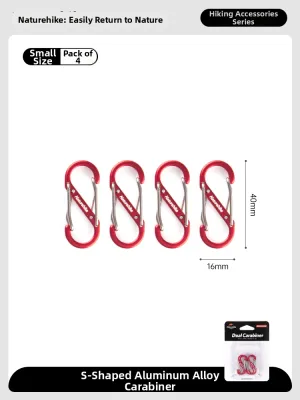
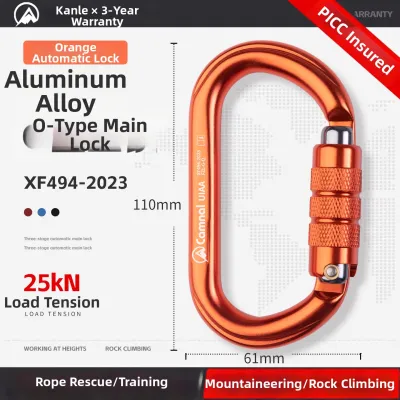
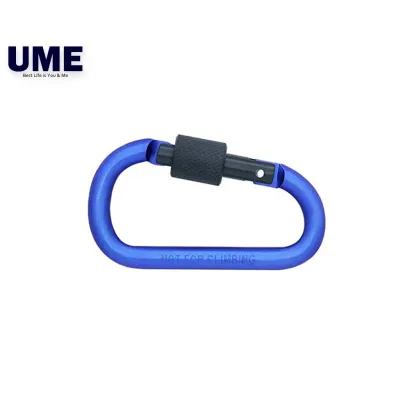
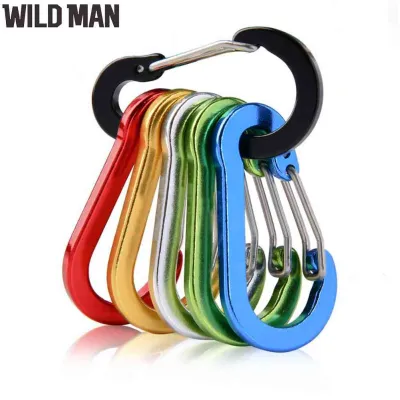
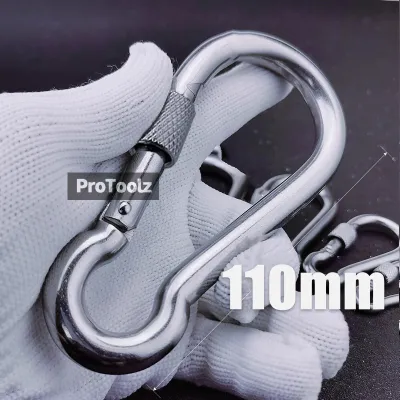
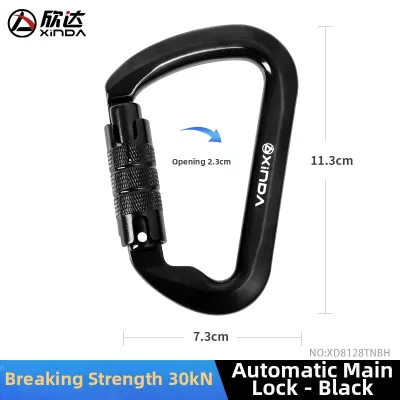
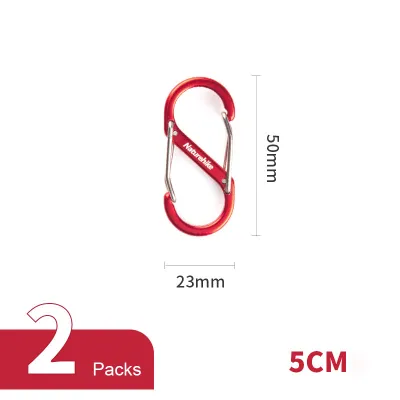
Prices are valid at publication and may change. Please refer to the product page for the latest price.
The major axis rating represents the carabiner’s maximum strength when loaded end-to-end along its spine with the gate fully closed and locked. This is the optimal configuration for which the gear was engineered. Under these conditions, a standard climbing carabiner can withstand forces far exceeding those generated in a typical lead fall, distributing the load efficiently along its strongest metal path.
The minor axis rating, often represented by a horizontal double-headed arrow, indicates the strength when the carabiner is loaded sideways across the gate. This rating is drastically lower than the major axis rating, often representing a reduction of 60% or more. Because the gate and hinge are not designed to bear primary loads, loading a carabiner in this direction is highly dangerous and must be avoided.
The open-gate rating shows the strength of the carabiner if the gate is forced open or fails to close during a load event. Like the minor axis rating, the open-gate strength is significantly compromised. Climbers must inspect these stamped markings on every piece of gear in their rack, ensuring they are legible and that the equipment meets recognized safety standards such as those from the UIAA or CE.
Identifying Critical Failure Risks in the Field
Recognizing dangerous loading configurations in the field is a critical skill that directly prevents gear failure. The most common hazard is cross-loading, which occurs when a carabiner rotates in a bolt hanger, belay loop, or sling, causing the load to pull across the minor axis. Because the gate is the weakest part of the structure, cross-loading can cause the carabiner to snap under forces that a properly aligned carabiner would easily handle.

Tri-axial loading is another severe risk. This happens when forces pull in three different directions simultaneously, such as when two separate anchor slings and a master point rope are clipped into a single carabiner. Carabiners are designed for two-way, linear loading; tri-axial forces distribute stress unevenly, twisting the frame and significantly reducing its load capacity.
Gate flutter is a lesser-known but highly dangerous phenomenon that occurs during dynamic falls. When a climber falls, the rapid movement of the rope can cause the carabiner to vibrate violently. If the vibration frequency matches the natural frequency of the gate’s spring, the gate can flutter open. If the rope catches the climber at the exact millisecond the gate is open, the carabiner must bear the load at its much lower open-gate rating.
Nose clipping occurs when only the very tip of the carabiner nose is hooked into a bolt hanger or cable, leaving the gate unclosed and the load concentrated on the weakest part of the hook. This leverage can easily break the nose or gate mechanism under minimal body weight. Climbers must visually verify that every carabiner is fully clipped, free to rotate, and aligned along its major axis before committing their weight.
Inspecting for Wear: When to Retire Your Carabiners
A systematic inspection routine is the only way to ensure your carabiners remain safe for use. Begin with a thorough visual check of the rope-bearing surfaces. Over time, running ropes deposit abrasive grit that grinds deep grooves into the metal, especially on aluminum carabiners. If you observe deep grooving or sharp, jagged edges that could slice or abrade your climbing rope, the carabiner must be retired immediately.
Next, perform a tactile inspection by running your fingers along the spine, basket, and nose. Feel for hairline cracks, deep scratches, burrs, or structural deformations. In the warm, humid climate of the Philippines, coastal crags expose gear to salt-water mist, which can cause pitting corrosion. Pitting appears as tiny dark spots or craters that eat into the metal, creating microscopic stress concentrators that can lead to sudden failure under load.
Test the gate action repeatedly. The gate should open smoothly and snap shut instantly when released. If the gate is sluggish, sticky, or has excessive lateral play, it is unsafe. For locking carabiners, verify that the sleeve threads smoothly and locks completely without binding. Any failure to lock or close automatically is an immediate ground for retirement.
Establish a strict rule for retirement: if a carabiner has survived a severe drop onto a hard surface like concrete or jagged rock, retire it. Even if no damage is visible, internal micro-fractures can compromise its strength. Additionally, any gear with illegible safety markings or visible structural warping must be taken out of service permanently. To prevent accidental reuse, physically destroy retired carabiners by cutting them or bending the gates before disposal.
Safe Handling and Maintenance Practices
Proper maintenance extends the lifespan of your carabiners and ensures their mechanisms function reliably. After climbing in dusty, sandy, or coastal environments, wash your carabiners in warm, clean water mixed with a mild, non-detergent soap. Use a soft toothbrush to scrub away grit from the gate hinge, spring bay, and locking sleeve.
Rinse the gear thoroughly to remove all soap residue, then allow it to air-dry completely in a well-ventilated, shaded area. Avoid using direct heat sources like hair dryers or ovens, as extreme heat can alter the temper of the aluminum alloy. Once dry, you can apply a tiny drop of a manufacturer-approved dry lubricant, such as a dry-film PTFE or graphite lubricant, directly to the gate hinge and spring mechanism. Wipe away any excess lubricant immediately to prevent it from attracting dirt or contaminating your climbing ropes.
Storage conditions are equally critical. Store your carabiners in a cool, dry, well-ventilated gear bag or cabinet away from direct sunlight, which can degrade any integrated nylon slings. Never store climbing hardware near corrosive chemicals, household cleaners, or battery acids, as even minor chemical exposure can cause hydrogen embrittlement, rendering the metal brittle and prone to sudden shattering. Always consult the specific manufacturer’s manual before applying any cleaning solvents or aftermarket treatments.
Frequently Asked Questions (FAQ)
Can I use a carabiner that has been dropped from a height?
The safest approach is to retire any carabiner that has suffered a significant drop onto a hard surface. While modern aluminum alloys are highly resilient, a high fall can introduce internal micro-fractures or structural micro-tears that are invisible to the naked eye. Because you cannot visually or mechanically verify the internal integrity of the metal without specialized industrial testing, continuing to use a dropped carabiner introduces an unacceptable level of risk to your life-safety system.
Do locking carabiners eliminate the risk of cross-loading?
No, locking mechanisms do not prevent cross-loading. A locking sleeve only ensures that the gate cannot open accidentally due to rope movement or contact with the rock. It does not keep the carabiner oriented along its major axis. If a locking carabiner rotates sideways during a climb, it will still be subjected to minor-axis forces, which are significantly weaker than its rated major-axis strength. To mitigate this risk, climbers must use directional belay carabiners or actively monitor and adjust their gear orientation during use.
Community discussion
Share your experience or ask a question. Comments are reviewed before publication.