
Choosing between a carbon fiber and an aluminum drop bar is one of the most impactful decisions you can make for your road, gravel, or cyclocross bike. The choice directly shapes your steering precision, hand comfort, and overall confidence on long rides. While carbon fiber is widely celebrated for its weight savings and ability to absorb road buzz, high-quality aluminum remains the reliable, cost-effective workhorse of the cycling world. Deciding which material is right for your bicycle requires looking beyond marketing hype to evaluate how each material behaves under real-world riding conditions.
Your choice should align with your specific riding style, budget, and mechanical comfort level. Carbon bars allow manufacturers to manipulate the direction of the fibers to create a bar that is stiff when you sprint but compliant when you hit rough pavement. Aluminum bars, on the other hand, offer uniform strength and predictable behavior at a fraction of the cost, making them a favorite for riders who prioritize rugged durability and straightforward maintenance. By understanding the physical characteristics, maintenance needs, and failure modes of both materials, you can select the handlebar that best supports your cycling goals.
Weight and Stiffness: Comparing the Physical Specs
When comparing carbon and aluminum drop bars, weight is often the first specification riders look at on a product page. While carbon fiber is inherently less dense than aluminum, you should always verify the claimed weight of any handlebar by checking the manufacturer’s official specifications rather than relying on general industry averages. Some entry-level carbon bars may use thicker walls or heavy cosmetic wraps that make them weigh nearly the same as premium, double-butted aluminum bars. To make an accurate comparison, look for the specific weight listed for your exact width, as a 44 cm bar will naturally weigh more than a 40 cm version of the same model.
Products mentioned in this guide
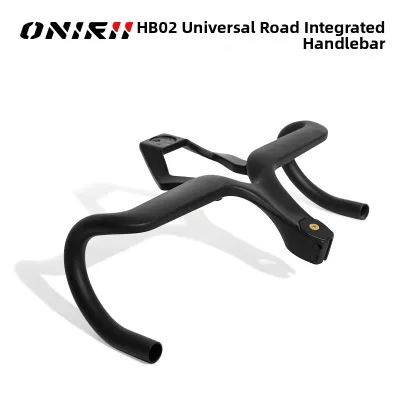
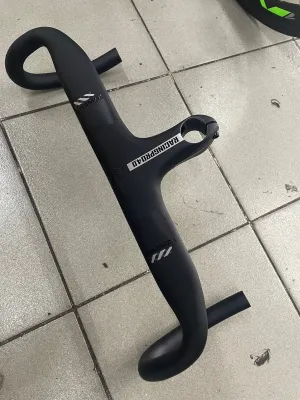
16 Lazada user ratings
maganda sya then light weight and maganda pinagka aero like carbon
thank you seller natanggap ko na po salamat
Bigat pero maganda naman sa porma
Quality:10 Appearance:10
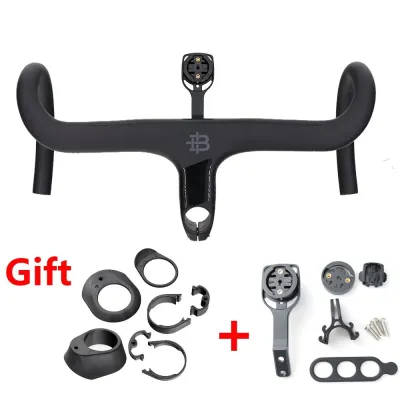
142 Lazada user ratings
It looks aesthetic and clean. I received the correct size. Kaso isa lng kasya na cable sa loob, the other one has to be outside underneath, …Read full reviewShow less
It looks aesthetic and clean. I received the correct size. Kaso isa lng kasya na cable sa loob, the other one has to be outside underneath, very frustrating. May mga imperfections na minimal. I really hope this is durable. So far good namn yung integrity nya. Wala man lng box nung nareceived ko. Pano kung naputol yun sa shipping. Anyway, mabilis nmn dumating.
Been using it for a month,so far wala naman probs,madaling matanggal yung decals na black inc so ingat ingat and yung stickers mabilis magas…Read full reviewShow less
Been using it for a month,so far wala naman probs,madaling matanggal yung decals na black inc so ingat ingat and yung stickers mabilis magasgasan,magaan namn siya and nakakapogi
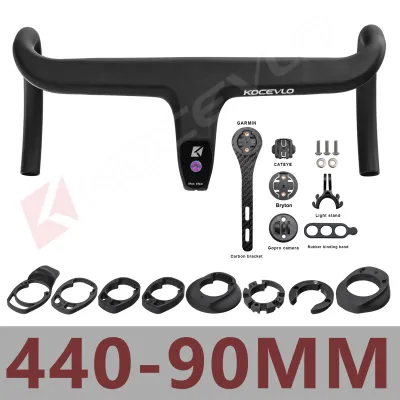
341 Lazada user ratings
Smooth internal cable routing, Sleek and stylish design, Enhances aerodynamics, Enhances aerodynamics,
very goods handlebar for my road bike, thank you for quality product seller
Sleek and stylish design, Lightweight carbon construction,
Lightweight carbon construction, Great value for money,
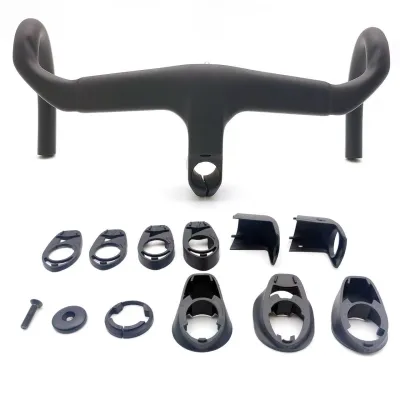
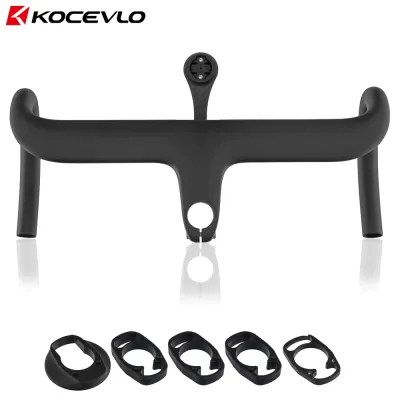
32 Lazada user ratings
Provides a comfortable grip, Excellent carbon fiber material, Sleek and stylish design,
Easy to install and adjust,
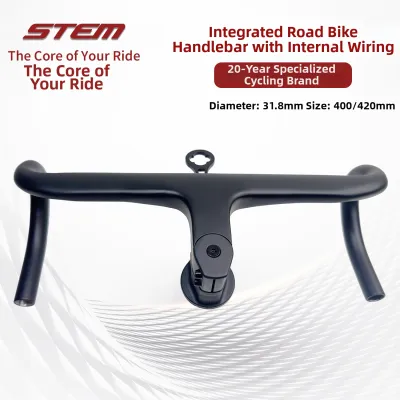
16 Lazada user ratings
I bought it for a affordable price around 1.3k pesos and it's legit and the shipping was also fast but the only thing is the protection of t…Read full reviewShow less
I bought it for a affordable price around 1.3k pesos and it's legit and the shipping was also fast but the only thing is the protection of the item because it arrives with a dented box and it looks awful. the item has misaligned on the drop part which looks like the other side longer, I think it's because of the shipping or maybe a factory defect but it's not a big deal because it can easily fix. overall it's all good and usable
Weight:more or less 600g maganda same sa photo maliban lang sa top cap part merong spacers pero walang kasama na top cap bolt at compression…Read full reviewShow less
Weight:more or less 600g maganda same sa photo maliban lang sa top cap part merong spacers pero walang kasama na top cap bolt at compression ring buti nalang compatible yung compression ring na galing sa sagmit veneno stem ko
10/ 10 when it comes to material and the durability, it looks extremely well made too, the only issue itdidnt arrive on the estimated date, …Read full reviewShow less
10/ 10 when it comes to material and the durability, it looks extremely well made too, the only issue itdidnt arrive on the estimated date, by a week.
good and its good that I've got the accurate model also I've got a few dents but it's fine doesn't afect performance
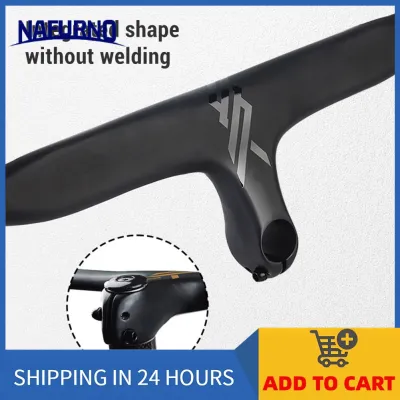
Prices are valid at publication and may change. Please refer to the product page for the latest price.
Stiffness is another critical factor, but the two materials deliver stiffness in fundamentally different ways. Aluminum is an isotropic material, meaning its physical properties, including stiffness and strength, are uniform in all directions. To make an aluminum bar stiffer, manufacturers must increase the wall thickness, use a larger tube diameter, or select a different alloy series, which typically adds weight. This uniform structure provides a highly predictable feel, but it limits the manufacturer’s ability to customize how the bar responds to different forces.
In contrast, carbon fiber is an anisotropic material, allowing for a highly customizable layup process. Manufacturers can place individual sheets of carbon fiber at specific angles to tune the bar’s performance characteristics. This means a carbon drop bar can be engineered to resist twisting forces when you pull hard on the drops during a sprint, while still allowing a degree of vertical flex to absorb impacts. When shopping for a carbon bar, review the manufacturer’s product descriptions for terms like “tuned layup” or “directional stiffness” to understand how the bar is designed to behave under load.
To match these stiffness characteristics to your riding style, consider the type of terrain you frequent and your physical positioning on the bike. If you are a competitive sprinter or a heavier rider who values immediate power transfer, you might prefer a highly stiff bar that does not flex when you push your limits. If you are an endurance rider or spend long hours on gravel roads, a bar designed with built-in vertical compliance will help reduce fatigue in your hands and upper body. Always check the manufacturer’s geometry charts, paying close attention to the drop, reach, and flare, as these physical dimensions work in tandem with the material properties to define the overall feel of your cockpit.
Vibration Damping: How Material Affects Ride Comfort
The ability of a handlebar to damp high-frequency road vibration is a primary contributor to hand comfort and reduced upper-body fatigue. Carbon fiber composites excel in this area due to the natural damping properties of the resin matrix that binds the carbon fibers together. As road vibrations travel up through the front fork and stem, the composite material dissipates a portion of this energy as microscopic amounts of heat, preventing it from reaching your hands. This natural damping effect is particularly noticeable on coarse asphalt or hard-packed gravel, where constant micro-vibrations can lead to numbness in your fingers.

Aluminum alloys, by comparison, transmit vibrations more directly. Because aluminum is a dense metal, it acts as an efficient conductor of vibrational energy, passing road buzz straight through to your handlebar tape and gloves. While high-quality aluminum bars can be engineered with thinner, double-butted walls to help mitigate some of this harshness, they generally cannot match the inherent damping capacity of a well-designed carbon composite. If you choose an aluminum bar, you may need to rely more heavily on thick, gel-padded handlebar tape or vibration-damping inserts to achieve a comparable level of hand comfort.
However, it is a mistake to attribute your cockpit’s comfort entirely to the material of the handlebar. The physical shape of the drop bar plays an equally significant role in how it handles vibration and supports your body. Modern ergonomic bars often feature flattened top sections that distribute pressure more evenly across your palms, reducing localized hot spots. Additionally, bars with a wider flare in the drops provide a wider stance, which can improve stability and leverage on rough descents, thereby reducing the physical strain on your shoulders and neck regardless of the material used.
When evaluating product descriptions for comfort, look for specific design features rather than vague marketing claims. Check for mentions of ergonomic profiles, sweep angles, and specific terrain ratings, such as gravel-specific compliance or road-race stiffness. Keep in mind that tire pressure, tire volume, and fork compliance also play massive roles in your bike’s front-end comfort. A drop bar should be viewed as one component of a complete system designed to manage road feedback and support your riding posture.
Durability and Impact Resistance: What to Expect Over Time
Durability is a major consideration, especially for riders who venture off-road or participate in high-risk disciplines like criterium racing. Aluminum and carbon fiber handle physical stress and impacts in completely different ways, and understanding these differences is crucial for your safety. Aluminum is highly resilient to sudden impacts; when subjected to forces beyond its structural limit, it typically bends or dents rather than snapping. This ductile failure mode is highly predictable, often allowing a rider to safely bring the bicycle to a stop after an incident. However, aluminum is susceptible to fatigue over time, meaning that repeated stress cycles can eventually lead to microscopic cracks, particularly around the clamping areas.
Carbon fiber does not suffer from metal fatigue in the same way, meaning a carbon bar that is never crashed or over-torqued can theoretically last indefinitely. However, carbon is highly sensitive to sharp, localized impacts and crushing forces. When a carbon bar fails, it often does so catastrophically and without warning, as the internal layers of carbon fiber delaminate or snap under extreme stress. A crash that might leave a minor scratch on an aluminum bar could cause hidden structural damage inside a carbon bar, compromising its safety for future rides.
Because carbon damage is often internal and invisible to the naked eye, establishing a regular inspection routine is essential. After any crash, tip-over, or heavy impact, you must perform a thorough visual and tactile check of your handlebars. Start by removing the handlebar tape to expose the entire surface of the bar. Look closely for any signs of cracking, deep scratches that penetrate the clear coat, or localized discoloration. Run your fingers along the tubes, applying gentle pressure to check for soft spots, which are a clear indicator of internal delamination.
Knowing when to retire a drop bar is critical to preventing sudden component failure while riding. If you discover any cracks, soft spots, or deep gouges during your inspection, you must replace the handlebar immediately. For aluminum bars, look out for any visible bends, deep crimps from the stem clamp, or fine hairline cracks near the controls. Always consult the manufacturer’s guidelines regarding the lifespan and replacement intervals for your specific handlebar model, and never attempt to ride on a component that shows signs of structural compromise.
Installation and Maintenance: Clamping and Care Requirements
Proper installation is paramount for both materials, but carbon fiber requires a much higher level of precision and care. The most common cause of carbon handlebar failure is over-tightening the bolts on the stem, shifter clamps, or computer mounts. To prevent crushing the delicate carbon tubes, you must use a high-quality torque wrench and strictly adhere to the manufacturer’s specified torque limits, which are typically printed directly on the bar or in the user manual. Additionally, you should always apply a specialized carbon assembly paste (often called carbon friction paste) to the clamping zones. This paste contains tiny grit particles that increase friction, allowing you to secure the bar safely at a lower torque setting.
Aluminum handlebars are generally more forgiving during installation, but they still require proper torque management to prevent damage. Over-tightening a stem faceplate on an aluminum bar can score the metal, creating a stress riser where a crack can form over time. Unlike carbon, aluminum bars do not require friction paste, but you should ensure that all clamping surfaces are clean, dry, and free of burrs before assembly. Regardless of the material, always tighten stem faceplate bolts in a cross pattern to ensure even pressure distribution across the handlebar.
Compatibility is another factor to verify before purchasing a new drop bar. Ensure that the bar’s clamp diameter matches your stem exactly—the modern standard is 31.8 mm, but older or specialized setups may use different sizes. If you plan to run internal cable routing for your brakes and shifters, check if the handlebar features pre-drilled entry and exit ports. Internal routing can be significantly more challenging to set up on carbon bars due to the internal bladder remnants left over from the manufacturing process, so patience and proper routing tools are highly recommended.
Routine care and cleaning will help preserve the finish and structural integrity of your handlebars over their lifespan. Sweat is highly corrosive to aluminum, as the salt can penetrate anodized coatings and cause galvanic corrosion, especially under the handlebar tape. To prevent this, regularly peel back your hoods and wash your handlebars with mild soap and water, especially after heavy indoor training sessions. For carbon bars, avoid using harsh chemical solvents that could degrade the protective clear coat or the underlying epoxy resin, sticking instead to water and gentle bicycle-specific cleaners.
Decision Framework: Matching the Bar to Your Riding Style
To help you decide which material best suits your cycling needs, consider how your priorities align with the unique characteristics of each option.
Choose Carbon if:
- You prioritize maximum weight savings and want to shed every possible gram from your cockpit.
- You frequently ride on rough roads or gravel and want the superior vibration damping of a tuned carbon layup to reduce hand fatigue.
- You are comfortable using a torque wrench and following precise installation procedures, or you have access to a professional mechanic.
- You are willing to invest a higher budget for premium performance and comfort.
Choose Aluminum if:
- You are working within a tight budget and want a reliable, high-performing handlebar at a lower price point.
- You participate in high-impact riding disciplines, such as cyclocross or criterium racing, where crashes are common and predictable failure modes are preferred.
- You prefer straightforward maintenance and do not want to worry about using specialized assembly pastes or strict torque limits during quick adjustments.
- You want a rugged, dependable bar that can handle rough transport and everyday wear without requiring constant inspection.
Verify first if:
- Your existing stem clamp diameter is fully compatible with the new handlebar.
- Your shifter clamps and accessories (such as computer mounts or lights) are approved for use on the specific handlebar material you choose.
- The bar's width, drop, reach, and flare match your physical dimensions and riding posture to ensure optimal comfort and control.
Frequently Asked Questions (FAQ)
Can I use a carbon stem with an aluminum drop bar or vice versa?
Yes, you can safely mix carbon and aluminum components, provided that the clamping diameters match perfectly. It is very common to pair an aluminum stem with a carbon handlebar, or a carbon stem with an aluminum handlebar. When mixing materials, always use the torque specification of the most delicate component—which is almost always the carbon part—and apply carbon assembly paste to the clamping interface to prevent slipping without over-tightening the bolts.
Do carbon drop bars expire or degrade over time from UV exposure?
Modern carbon fiber handlebars do not have a predetermined expiration date and will not degrade simply from normal exposure to sunlight. Manufacturers apply UV-resistant clear coats and paint finishes to protect the underlying epoxy resin from ultraviolet radiation. However, if you notice the clear coat peeling, cracking, or if the resin appears to be weeping or changing color, this indicates environmental damage, and you should consult the manufacturer before continuing to ride on the bar.
Community discussion
Share your experience or ask a question. Comments are reviewed before publication.