
Selecting the right fishnet for fish depends entirely on your target species, the environment you are navigating, and your physical preparation. To choose correctly, you must evaluate how you plan to fish: active gathering, passive harvesting, or close-quarters landing. Each net design serves a distinct purpose, and using the wrong tool can lead to damaged gear, empty buckets, or accidental violations of local environmental laws.
In coastal and freshwater fishing, net selection is highly conditional. Cast nets are best for active, shallow-water gathering of baitfish or schooling species. Gill nets are designed for passive, deeper-water targeting of specific species where legally permitted. Scoop nets are the ideal choice for shallow creek gathering, tight spaces, or safely landing hooked fish at the water’s edge. Finding the “best” net requires matching these designs to your target catch, physical environment, and local fishing regulations.
Cast Nets, Gill Nets, and Scoop Nets Explained
Understanding the mechanical design and physical demands of each net type is the first step toward making an informed choice. These tools operate on completely different physical principles, requiring varying levels of active labor and technical skill.
Products mentioned in this guide
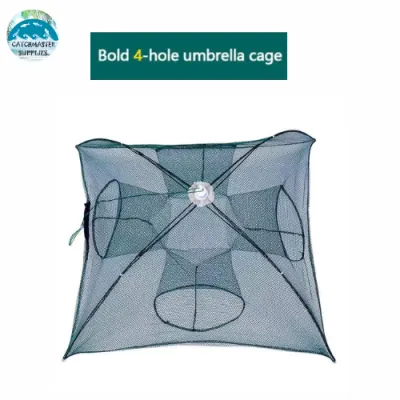
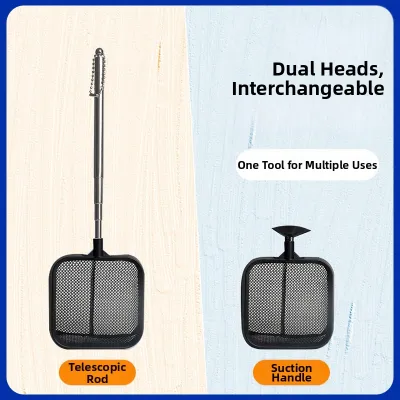
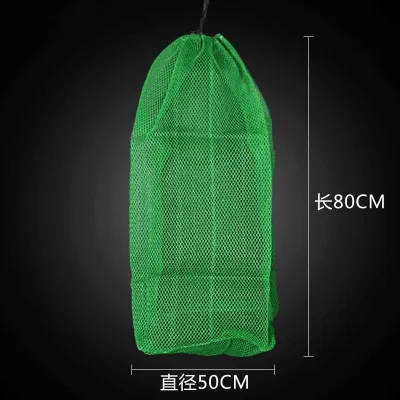
Prices are valid at publication and may change. Please refer to the product page for the latest price.
Cast Nets (Throw Nets)
An active casting net features a circular design with heavy weights distributed evenly along its outer perimeter. A central handline, or retrieval rope, is connected to the center of the circle via a series of tuck lines. When thrown correctly, centrifugal force spreads the net flat into a wide circle in the air before it strikes the surface of the water.
Once the net hits the water, the weighted edges sink rapidly toward the bottom, forming a dome-like canopy over any fish swimming underneath. As you pull the retrieval line, the tuck lines draw the weighted perimeter together at the bottom, closing the net and trapping the catch inside. This method requires excellent physical coordination, timing, and upper-body strength to throw the net smoothly so it opens fully.
Cast nets are highly effective when operated from sandy shores, shallow wading spots, or the flat decks of small boats. Because they rely on visual spotting of schooling fish or bait ripples, they are best suited for clear, shallow-to-medium depths where the net can sink to the bottom without snagging.
Gill Nets
A gill net is a passive, vertical wall of webbing designed to intercept fish as they swim through a specific area. The net is suspended vertically in the water column using a buoyant float line at the top and a weighted lead line at the bottom. It can be anchored to the sea floor or riverbed (set gill net) or allowed to drift freely with the tidal currents (drift gill net).
This net works by entanglement rather than containment. When a fish swims into the net, its head passes through the mesh, but its body is too wide to go all the way through. When the fish attempts to back out, the fine monofilament or multifilament strands slip behind its gill covers (opercula), trapping it securely in place.
Because the mesh size is fixed, a gill net is highly selective for fish size; smaller fish swim straight through the holes unharmed, while much larger fish simply bump against the net and swim away. However, because these nets are left unattended for hours, they carry a high risk of bycatch and are subject to strict regulatory oversight to prevent overfishing and habitat destruction.
Scoop Nets (Dip Nets)
A scoop net, often referred to as a dip net, consists of a rigid hoop attached to a long handle with a deep mesh bag suspended from the frame. Unlike cast or gill nets, which are designed to harvest multiple fish at once, the scoop net is primarily a precision tool used to capture individual targets or secure fish that have already been hooked.
These nets are commonly used in shallow waters, rocky tide pools, and narrow creeks to gather crabs, shrimp, or small baitfish. They also serve as an essential landing tool for anglers using a rod and reel, preventing heavy fish from breaking the line or throwing the hook at the water’s surface. Handle lengths vary widely, with telescoping aluminum or fiberglass models allowing you to reach down from high riverbanks, concrete docks, or boat gunwales.
Operating a scoop net requires minimal technical training compared to the complex physics of throwing a cast net. It relies instead on quick reflexes, proper positioning, and basic hand-eye coordination, making it an accessible and highly reliable tool for beginners and experienced anglers alike.
How to Compare Nets for Your Specific Scenario
To determine which net fits your current fishing style, you must weigh several practical factors. The table below outlines how these nets compare across key operational categories.

| Net Type | Primary Fishing Method | Target Catch Type | Water Depth | Typical Environment | Skill Requirement |
|---|---|---|---|---|---|
| Cast Net | Active throwing and retrieval | Schooling baitfish, shrimp, mullet | Shallow to medium (under 15 feet) | Sandy shores, open flats, estuaries | Moderate to High |
| Gill Net | Passive suspension and waiting | Mid-sized to large target species | Medium to deep open waters | Open bays, deep river channels | Low physical throw, High setup skill |
| Scoop Net | Active scooping and landing | Crabs, individual fish, hooked catch | Very shallow, surface level | Rocky pools, mangroves, boat sides | Low to Moderate |
Target Catch and Water Depth
Your target catch’s behavior and position in the water column dictate which net will be successful. Schooling baitfish, such as sardines (tamban) or small mullet, move quickly in tight groups near the surface or along shallow coastal flats. A cast net is highly effective here because a single successful throw can capture dozens of baitfish simultaneously before the school scatters.
For larger, solitary, or highly migratory species traveling through deeper channels, a gill net is far more practical. It allows you to target specific size classes of fish by matching the mesh size to the target species’ physical dimensions. This passive method works continuously day or night, making it suitable for deeper water columns where active casting is physically impossible.
Scoop nets are strictly limited by the length of their handles and the physical reach of the angler. They excel at capturing surface-swimming targets, bottom-dwelling crabs in knee-deep water, or securing a tired fish at the side of a boat. They are not designed to harvest schooling fish in open, deep waters.
Skill Level and Physical Effort
Physical endurance and technical skill are major dividing lines between these tools. Throwing a cast net is a physically demanding, high-repetition sport. A standard cast net can weigh anywhere from 4 to 10 pounds, and throwing it repeatedly under a hot tropical sun requires core strength, balance, and hours of practice to master the release timing.
In contrast, setting a gill net requires less explosive physical energy but demands a high level of logistical planning and patience. You must understand local tidal movements, wind directions, and water currents to prevent the net from collapsing, tangling, or drifting away. Extracting tangled fish from a gill net without tearing the mesh also requires steady hands and significant time.
Scoop nets require the lowest physical barrier to entry. While landing a thrashing, heavy fish requires a steady hand and a calm approach, the basic motion of scooping up a crab or baitfish is easily learned. It is an excellent utility tool that does not exhaust the user, making it ideal for long days on the water.
Fishing Location and Environment
Your physical surroundings will quickly eliminate certain net choices. The diverse coastlines of the Philippines present unique challenges, from sandy beaches and muddy estuaries to jagged volcanic rocks and dense mangrove forests.
Cast nets require a clean, unobstructed water column and a relatively smooth bottom. Throwing a monofilament cast net over sharp oyster beds, coral heads, or sunken logs will instantly snag and shred the delicate mesh, rendering the net useless. Similarly, strong overhead tree branches or narrow riverbanks will block your casting swing, preventing the net from opening.
Gill nets are highly vulnerable to environmental debris. Floating seaweed, leaves, and underwater branches will clog the mesh, making the net highly visible to fish and causing it to sag under the weight of the debris. Strong tidal currents can also bow the net, reducing its catching efficiency or dragging it into deep, unrecoverable waters.
Scoop nets are the ultimate heavy-cover tool. Because they are handheld and highly controlled, you can maneuver them around tangled mangrove roots, drop them into tight rocky crevices, or use them in heavily weeded areas where other nets would immediately snag. Their rigid frames allow you to push through light vegetation to reach your target.
Decision Framework: Match the Net to Your Method
To finalize your choice, apply these practical decision rules to your specific fishing scenario, budget, and local conditions.
Choose a Cast Net if:
- You need fresh bait quickly: You are an active angler who needs to catch live baitfish, shrimp, or small mullet before starting a day of line fishing.
- You prefer active, mobile fishing: You enjoy walking sandy shorelines, wading through shallow estuaries, or spotting schools of fish from the bow of a small boat.
- You have open space and clean water: Your fishing spots feature sandy, muddy, or grassy bottoms free of sharp rocks, coral, or heavy timber.
- You are willing to practice: You are prepared to spend time practicing your throwing technique in your yard or on a quiet beach before heading out on a serious trip.
Choose a Gill Net if:
- You want a passive, high-yield harvest: You are targeting specific food fish, such as tilapia or snapper, and prefer to set a net and return later rather than actively casting.
- You fish in deep, open waters: You operate from a stable boat in deep river channels, wide bays, or calm coastal waters where fish travel along predictable paths.
- You have verified local regulations: You have confirmed that gill nets are legal in your specific municipality, and you are prepared to monitor the net constantly to prevent bycatch.
Choose a Scoop Net if:
- You are line fishing: You need a reliable, fish-safe landing tool to secure heavy fish at the boat side or shoreline without risking a broken line.
- You fish in tight, cluttered spaces: You frequent dense mangrove swamps, rocky tide pools, or narrow creeks where overhead branches make throwing a cast net impossible.
- You are gathering crabs or shrimp: Your primary targets are slow-moving crustaceans or shallow-water bait that can be easily spotted and scooped up by hand.
- You want a low-maintenance, beginner-friendly tool: You need an affordable, highly durable net that requires no specialized throwing technique and can be used by anyone in the family.
Verify First if:
- You are unsure of local laws: Always check with your local municipal hall or the nearest Bureau of Fisheries and Aquatic Resources (BFAR) office. Many areas in the Philippines have strict bans on specific net types, minimum mesh sizes, or seasonal restrictions to protect spawning fish.
- You are near a Marine Protected Area (MPA): Net fishing of any kind is strictly prohibited inside designated marine sanctuaries and protected coral reefs.
Legal, Safety, and Environmental Boundaries
Net fishing is heavily regulated because of its high efficiency and potential impact on marine ecosystems. In the Philippines, the Bureau of Fisheries and Aquatic Resources (BFAR) and local government units (LGUs) enforce strict rules under Republic Act 8550 (as amended by RA 10654). These regulations are designed to prevent overfishing and protect juvenile fish populations.
Before purchasing or using any net, you must verify the legal minimum mesh size for your area. Using fine-mesh nets (often defined as mesh sizes smaller than 3 centimeters) is generally prohibited for active harvesting because it traps juvenile fish before they have a chance to reproduce. Exceptions are sometimes made for gathering specific baitfish or milkfish (bangus) fry, but these require special permits. Violating these ordinances can result in heavy fines, confiscation of your gear, and potential legal action.
Water safety must be your top priority when operating nets in coastal or river environments. Never tie a cast net’s handline or a gill net’s anchor line to your wrist, waist, or any part of your body. If the net snags a heavy underwater object, gets caught in a passing boat’s propeller, or is swept by a sudden tidal current, you can be pulled underwater instantly. Always use a hand loop that can be easily slipped off, or hold the line with a grip that you can immediately release in an emergency.
When wading in coastal flats, estuaries, or river mouths with a scoop net or cast net, always wear protective wading footwear. Tropical waters can harbor sharp oyster shells, broken glass, venomous stonefish, and sea urchins. Be highly aware of changing tides; a sandbar that is dry during low tide can quickly become isolated by deep, fast-moving water as the tide rushes back in.
Basic Net Maintenance and Storage
Proper care and maintenance will significantly extend the lifespan of your net, saving you money and ensuring your gear is always ready for your next trip. Tropical humidity and saltwater are highly corrosive and promote the growth of destructive mold and mildew.
Follow this simple post-trip maintenance routine after every outing:
- Rinse thoroughly: Wash the net inside and out with clean, cool fresh water immediately after returning home. This removes salt crystals, mud, sand, and highly corrosive fish slime that can rot synthetic fibers.
- Dry in the shade: Hang the net up to dry completely in a well-ventilated, shaded area. Never leave your net in direct, intense sunlight. Ultraviolet (UV) radiation rapidly degrades monofilament and nylon, making the strands brittle, weak, and highly prone to snapping during your next cast.
- Inspect for damage: Once dry, lay the net out and inspect the mesh, lead line, and float line for any rips, tears, or missing weights. Repair small holes immediately using nylon thread or matching monofilament line; a tiny tear left unaddressed will quickly expand into a massive blowout under the pressure of a heavy catch.
- Store securely: Store your dry net in a cool, dark storage bin or hang it in a well-ventilated garage. Keep it away from sharp tools, chemical solvents, and rodents, which are known to chew through synthetic netting to find nesting material.
Community discussion
Share your experience or ask a question. Comments are reviewed before publication.