
Choosing the right kettlebell for your home gym comes down to balancing your training style, your living space, and your budget. While both cast iron and vinyl-coated kettlebells can help you build strength and endurance, they cater to very different environments and user preferences. Solid cast iron kettlebells offer a traditional, lifetime-durable design favored by serious lifters, whereas vinyl-coated options provide a colorful, floor-friendly alternative that appeals to beginners and apartment dwellers. Understanding how these materials perform under sweaty conditions, how they impact your floors, and how they withstand tropical humidity will guide you to the perfect fitness investment.
Core Differences Between Cast Iron and Vinyl-Coated Kettlebells
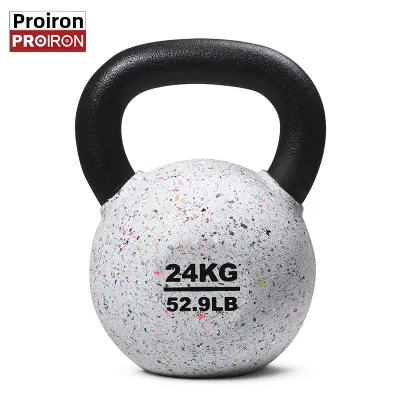
To make an informed choice, you must first understand how these two types of kettlebells are constructed. Traditional cast iron kettlebells are molded from a single piece of molten metal. This single-cast manufacturing process eliminates weak points, resulting in a solid, uniform piece of equipment where the handle and bell are completely integrated. The surface is typically finished with a powder coat, matte paint, or left as raw machined iron, providing a classic, textured feel that holds chalk exceptionally well.
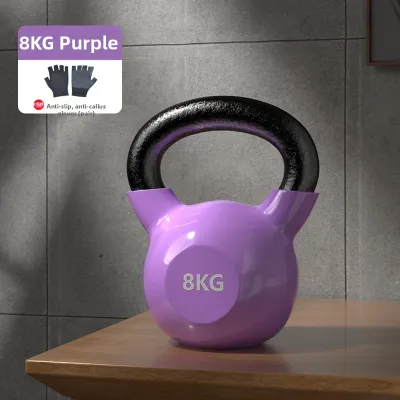
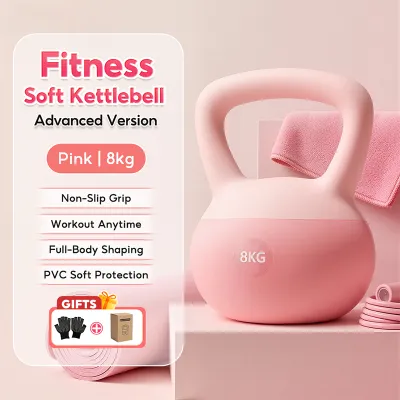
In contrast, vinyl-coated kettlebells feature a metal or composite core encased in a colorful polyvinyl chloride (PVC) sleeve. While some premium coated models use a solid cast iron core, many budget-friendly options utilize a cement or sand mixture encased in plastic, or a lower-grade cast iron core. The vinyl layer is applied by dipping the bell into liquid vinyl, leaving the handle exposed or, in some mass-market designs, covering the entire unit including the handle. This coating creates a smooth, vibrant exterior that looks less intimidating in a residential setting.
Products mentioned in this guide

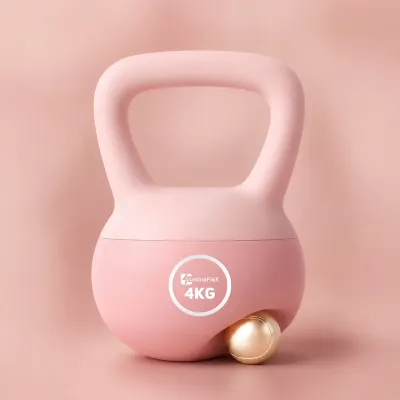
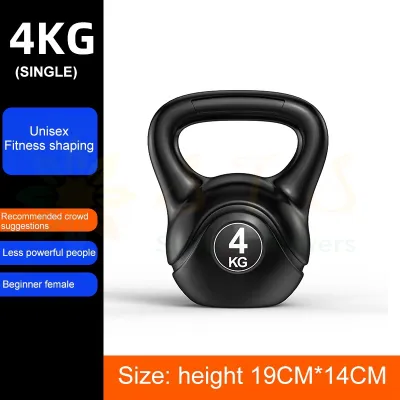
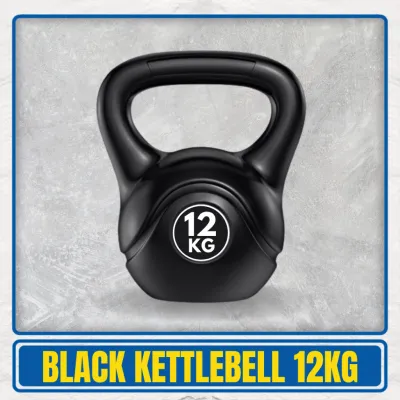
Prices are valid at publication and may change. Please refer to the product page for the latest price.
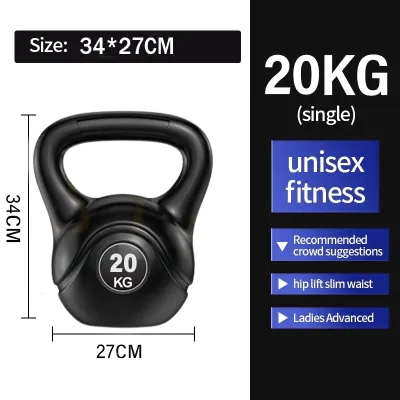
These construction differences directly affect the physical dimensions and handling of the equipment. Cast iron kettlebells maintain a highly consistent shape, with a flat, machined base that sits securely on the floor without wobbling. Vinyl-coated models, however, often have slight imperfections along the bottom seam where the vinyl pool cures, which can make them less stable during floor-based exercises like renegade rows or push-ups. Additionally, the thickness of the vinyl layer can alter the overall bulk of the bell, making a vinyl-coated weight appear significantly larger than its cast iron equivalent of the same mass.
Floor Protection and Noise Reduction
For home gym owners, protecting residential flooring is often a top priority. Vinyl-coated kettlebells excel in this area because the soft, rubbery exterior acts as a built-in buffer. When you set the weight down on hardwood, laminate, or ceramic tiles, the vinyl sleeve absorbs the initial impact, reducing the risk of unsightly scratches, scuffs, or minor chips. This makes them highly appealing if you do not have a dedicated workout room and must train in your living area or bedroom.

However, it is a common misconception that a vinyl coating provides absolute protection against heavy drops. While the vinyl prevents surface scratching, it cannot absorb the structural force of a dropped ten-kilogram weight. If you drop a vinyl-coated kettlebell from waist height onto bare tile or thin laminate, the underlying subfloor can still crack or warp. Therefore, regardless of the kettlebell material you choose, using dedicated rubber gym mats, interlocking foam tiles, or specialized drop pads is highly recommended to safeguard your home’s structural integrity.
Noise control is another critical factor, especially if you live in a shared apartment or prefer early-morning workouts while your family sleeps. Cast iron kettlebells produce a distinct, metallic clatter when they contact other weights or hard surfaces, which can easily disturb neighbors. Vinyl-coated models dampen these high-frequency sounds significantly, muffling the clink of equipment during transitions. If your fitness routine involves setting the weight down frequently or performing supersets with multiple bells, the noise-dampening properties of vinyl can help maintain household peace.
Grip Quality and Workout Comfort
The quality of your grip determines not only the effectiveness of your workout but also your safety during dynamic, high-velocity movements like swings, cleans, and snatches. Cast iron kettlebells are highly regarded for their superior grip texture. The natural porosity of cast iron, especially when finished with a high-quality powder coating, creates a slip-resistant surface that bonds exceptionally well with gym chalk. This texture allows you to maintain a secure hold even when your hands become sweaty during intense training sessions.
Vinyl-coated kettlebells present a different set of challenges for grip security. If the vinyl coating extends over the handle, the surface can become incredibly slick once exposed to sweat. Unlike textured iron, smooth vinyl does not absorb moisture or hold chalk effectively, which can cause the handle to slip in your hands during high-rep ballistic exercises. To mitigate this, many manufacturers leave the cast iron handle exposed while coating only the bell portion, but you must carefully verify this design detail before purchasing.
Handle dimensions and clearance also vary significantly between the two styles. Traditional cast iron kettlebells are engineered with standardized handle diameters and ample window clearance, allowing you to comfortably fit both hands inside the loop for two-handed swings. Vinyl-coated models, particularly budget-friendly options, often feature thicker, bulkier handles due to the added layer of plastic or inconsistent molding. This reduced clearance can cramp your fingers and compromise your form, making it difficult to transition smoothly between exercises.
Durability and Long-Term Maintenance
Investing in fitness equipment requires an understanding of how well each material resists wear and tear over several years. Solid cast iron is virtually indestructible under normal training conditions. It does not crack, warp, or degrade when exposed to sunlight or heavy impacts. The primary maintenance concern for cast iron is rust, particularly in warm, humid environments. If the protective paint or powder coating chips off, the exposed iron will oxidize when in contact with sweat or ambient moisture, requiring occasional sanding and touch-up painting to keep it pristine.
Vinyl coatings, while resilient against minor scuffs, have a finite lifespan and are susceptible to physical damage. Over time, repeated impacts against other weights, concrete floors, or sharp objects can cause the vinyl sleeve to tear, peel, or split. Once the vinyl shell is punctured, moisture can trap itself underneath, leading to hidden rust on the inner metal core. Furthermore, prolonged exposure to direct sunlight and high temperatures can cause the vinyl to become brittle, discolor, or warp, making indoor storage essential for preserving its structural integrity.
To maximize the lifespan of your equipment, establish a simple post-workout cleaning routine. For cast iron, wipe down the handle with a dry cloth after every session to remove sweat and chalk residue, which can accelerate corrosion. For vinyl-coated models, use a damp cloth with mild soapy water to clean the plastic sleeve, ensuring you dry it thoroughly afterward. Avoid using harsh chemical solvents on vinyl, as these can degrade the polymer structure and cause the coating to become sticky or brittle.
Budget and Value Considerations
When planning your home gym budget, analyzing the long-term value of your purchase is more beneficial than simply looking at the initial price tag. Vinyl-coated kettlebells are frequently positioned in the budget-friendly tier, making them highly accessible for beginners who want to try kettlebell training without a significant financial commitment. These models are widely available on online marketplaces and local sporting goods stores, offering an affordable entry point for light, recreational fitness routines.
However, solid cast iron kettlebells generally offer superior cost-per-year value. Although they command a higher initial price, ranging from mid-tier to premium brackets, their near-infinite lifespan means you will likely never need to replace them. A high-quality cast iron bell can be passed down through generations, whereas a budget vinyl-coated bell with a cement core may need replacement within a few years if the outer shell splits or the internal filling shifts.
Before spending your hard-earned ₱ on a new kettlebell, always verify the product specifications listed by the seller. Check the product label or description to confirm the core material; look for “solid cast iron” rather than “cement filled” or “iron sand” to ensure you are getting a dense, durable weight. Additionally, inspect the warranty terms to see if the manufacturer covers coating defects or handle breakage, and read user reviews to verify the actual thickness and quality of the vinyl application.
Decision Framework: Which Kettlebell Should You Buy?
To finalize your decision, evaluate your specific training goals, home environment, and long-term fitness aspirations against the unique characteristics of each kettlebell type.
Choose Cast Iron if you:
- Prioritize a secure, slip-resistant grip and plan to use gym chalk regularly.
- Focus on advanced, high-volume ballistic movements like snatches, cleans, and jerks.
- Want a lifetime investment that will not degrade, peel, or crack over decades of intense use.
- Plan to store your equipment in a garage, outdoor balcony, or non-climate-controlled space.
Choose Vinyl-Coated if you:
- Work out in a shared apartment or quiet household where noise reduction is a priority.
- Perform light, beginner-friendly fitness routines that do not involve high-speed dynamic releases.
- Want basic surface protection for delicate indoor flooring like hardwood or ceramic tiles.
- Prefer a colorful, modern aesthetic that blends easily into a multi-purpose living space.
Verify First if you are:
- Checking the load limits of your home's flooring before purchasing exceptionally heavy weights.
- Measuring the handle clearance and window width to ensure your hands fit comfortably for two-handed swings.
- Confirming whether the inner core of a budget coated model is solid metal or a less durable cement mixture.
Frequently Asked Questions (FAQ)
Can I use cast iron kettlebells outdoors in the Philippines?
Yes, you can use cast iron kettlebells outdoors, but the high humidity and frequent rainfall in the Philippines pose a significant risk of rapid oxidation. To prevent rust, never leave your cast iron equipment exposed to the elements after a workout. Always wipe down the surface to remove sweat, store the kettlebell in a dry, indoor area, and periodically inspect the finish for chips. If raw iron becomes exposed, applying a thin coat of rust-inhibiting paint or oil will help preserve the metal.
Do vinyl-coated kettlebells emit odors when new?
Newly manufactured vinyl-coated kettlebells often emit a distinct chemical or plastic odor, commonly referred to as off-gassing. This smell is a natural byproduct of the PVC dipping process and the plasticizers used to keep the coating flexible. To manage this in your home, place the new kettlebell in a well-ventilated area, such as a balcony or near an open window, for a few days. Wiping the vinyl sleeve with a mild solution of water and white vinegar can also help accelerate the dissipation of the odor.
Is it safe to drop vinyl-coated kettlebells on concrete?
Dropping vinyl-coated kettlebells directly onto concrete is not recommended and can severely damage the equipment. While the vinyl sleeve provides minor impact absorption, a hard drop can cause the outer plastic shell to split or crack, especially if the inner core is made of cement or low-grade iron. Repeated impacts can also cause the vinyl to separate from the metal core. To ensure safety and longevity, always perform your exercises over a thick rubber gym mat or drop pads, and focus on controlled placements rather than dropping the weights.
Community discussion
Share your experience or ask a question. Comments are reviewed before publication.