
Quick Answer: Which Running Phone Carrier Should You Choose?
Carrying a smartphone while running is essential for most modern athletes. Whether you rely on GPS tracking, stream music, or need a lifeline for emergencies, finding a secure way to carry your device is critical. However, there is no single, universally perfect solution. The ideal phone carrier for your runs depends on several key factors, including your device’s size, your training distance, and your tolerance for gear shifting against your body during high-impact movement.
For runners who prioritize immediate visual access to their screens and prefer keeping their limbs and waist completely unencumbered by tight, wrapping bands, a specialized cellphone belt holder is an excellent choice. This setup keeps your phone securely clipped to your waistband, eliminating the constricting feel of armbands and the heat-trapping bulk of waist packs.
If you primarily run shorter distances, carry a compact or lightweight smartphone, and prefer a simple, self-contained system that requires no additional belts or specific waistbands, a classic running armband remains a highly functional option. It keeps your device snug against your bicep, keeping it out of the way of your lower body.
Products mentioned in this guide
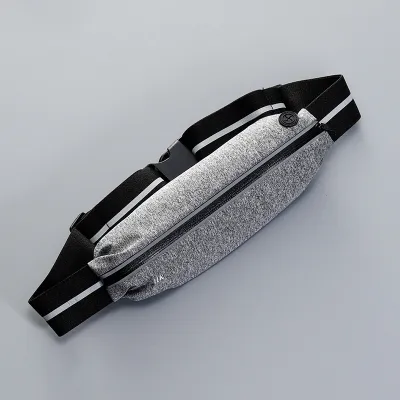
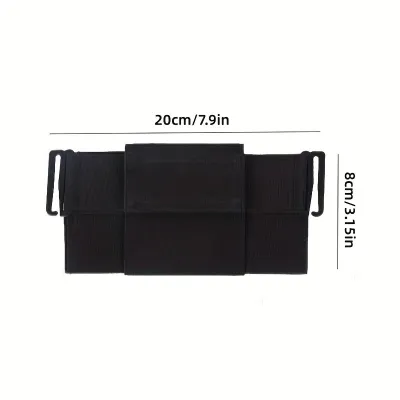
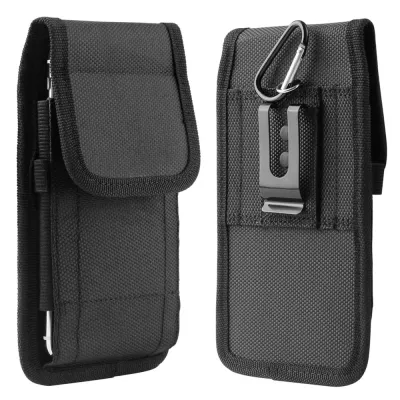
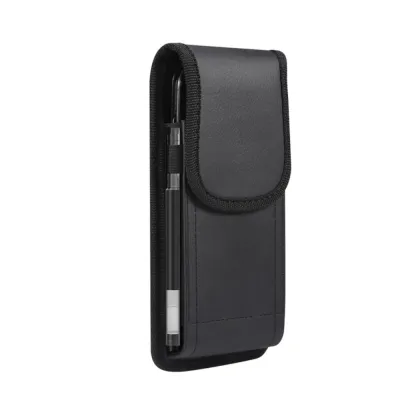
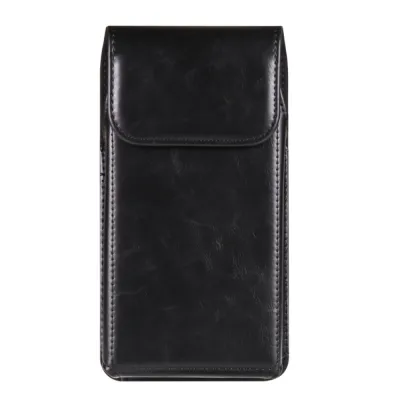
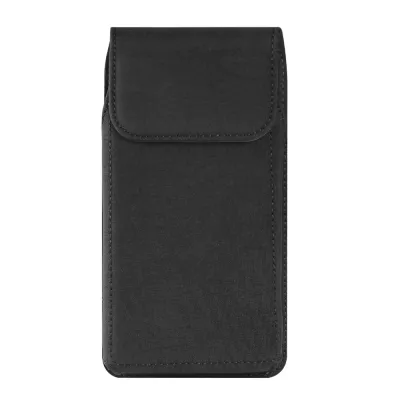
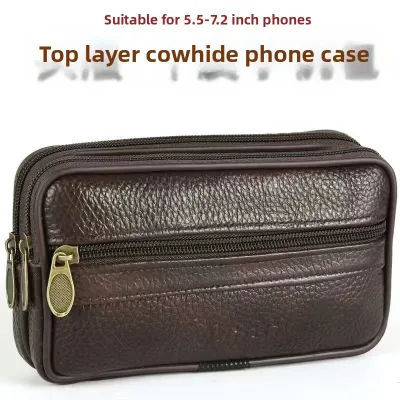
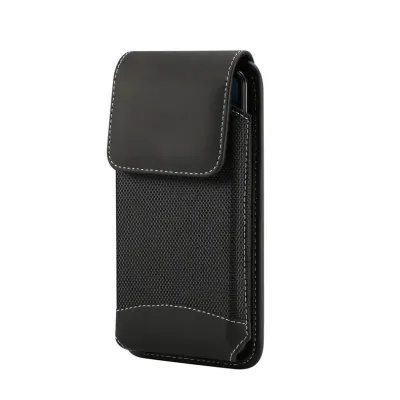
Prices are valid at publication and may change. Please refer to the product page for the latest price.
For long-distance runners, marathon trainees, and trail runners who carry larger smartphones with thick protective cases, a running waist pack or stretch flip belt offers the most stable and bounce-free experience. These carriers distribute the phone’s weight evenly around your center of gravity and provide extra storage space for keys, cash, cards, and energy gels.
Cellphone Belt Holders: Performance, Comfort, and Best Use Cases
A running-specific cellphone belt holder is designed to clip directly onto the waistband of your running shorts, tights, or a dedicated athletic belt. Unlike bulky everyday tactical holsters or rigid leather cases, athletic belt holders use lightweight, high-impact plastics, flexible silicones, or low-profile magnetic mounts. They are built specifically to withstand the rapid, repetitive vertical movement of running without slipping off. Some models utilize a dual-component system where a thin magnetic plate sits inside your waistband while the outer holder clips securely to your phone, while others rely on high-tension thermoplastic clips that grip the fabric of your shorts.

One of the primary benefits of using a cellphone belt holder is the complete freedom of movement it provides. Because the phone is mounted directly to your waistband, your arms remain completely unencumbered, allowing for a natural, relaxed arm swing. This is a major advantage for runners who experience shoulder tension or muscle fatigue when wearing asymmetrical armbands. Additionally, belt holders offer rapid, one-handed visual access to your screen. You can easily glance down to check your real-time pace, heart rate zones, or navigation routes without having to unzip a pocket or awkwardly twist your arm while in motion.
However, cellphone belt holders do come with specific trade-offs that you must consider. Because they rely on the tension of your waistband for stability, they can bounce, sag, or shift if your running shorts do not have a strong, high-quality elastic band or an adjustable drawstring. If you run with a large, heavy smartphone, the weight can pull down on one side of your waistband, requiring constant adjustments during your run. Furthermore, because the phone is mounted on your hip or lower back, there is a minor risk of the device snagging on loose clothing, hydration pack straps, or low-hanging branches if you are navigating tight trail routes.
The best use cases for a cellphone belt holder include road runners who train on smooth, predictable surfaces, track athletes who need quick access to their timing apps, and runners who prefer a minimalist setup that does not wrap tightly around their limbs or torso. It is an ideal solution for those who wear structured, high-tension running tights or shorts with robust drawstrings that can easily support the weight of a modern smartphone.
Running Armbands: Performance, Comfort, and Best Use Cases
Running armbands offer a simple, traditional way to keep your phone close to your body. Typically constructed from neoprene, Lycra, or polyester blends, these carriers wrap around your upper arm and secure with a hook-and-loop strap. The phone is housed in a protective pouch, often featuring a clear plastic window that allows for basic touchscreen interaction. This design keeps the phone completely isolated from your lower body, ensuring that your legs and hips remain entirely free to move through their full range of motion.
The main advantage of a running armband is its exceptional stability. When strapped correctly, the armband compresses against your bicep, virtually eliminating the vertical bounce that can plague other carrying methods. It also provides a very straightforward path for routing wired earphone cords if you prefer not to use wireless Bluetooth earbuds. Because armbands are widely available and relatively simple in design, they are generally inexpensive and highly durable, making them an accessible entry-level option for casual runners.
Despite their popularity, armbands present several comfort and biomechanical challenges, particularly with modern smartphone designs. As smartphones have grown larger and heavier, carrying a device weighing over 200 grams on a single arm creates an asymmetrical load. This uneven weight distribution can subtly alter your running gait, leading to shoulder tightness, neck strain, or uneven muscle fatigue over longer distances. Additionally, to prevent the armband from slipping down your arm as you sweat, you must strap it on tightly. This compression can restrict your natural arm swing, cause muscle binding during bicep flexion, and even impede circulation or cause skin chafing during extended runs.
For these reasons, running armbands are best suited for shorter training runs, track workouts, and recovery jogs where you are not on your feet for hours at a time. They work exceptionally well for runners who use compact, lightweight smartphones and those who do not need to interact with their screens or check detailed metrics mid-run. If you prefer a simple, grab-and-go solution and do not mind a snug, compressive fit on your upper arm, a high-quality armband is a reliable companion.
Waist Packs and Flip Belts: Performance, Comfort, and Best Use Cases
Waist packs and tube-style stretch belts (commonly referred to as flip belts) represent the high-capacity, ultra-stable end of the running carrier spectrum. Traditional waist packs feature a slim zippered pouch made of weather-resistant nylon on an adjustable elastic strap. Modern tube belts, on the other hand, are continuous bands of stretchy, moisture-wicking fabric that slide up over your legs and sit flat against your hips. These tube belts feature multiple slit openings around the circumference, allowing you to slide your phone, keys, and other essentials directly into the fabric sleeve.
The standout benefit of a waist pack or stretch belt is its superior weight distribution. By placing your smartphone directly over your center of gravity—around your pelvis and lower hips—the perceived weight of the device is significantly minimized. When fitted correctly, a high-quality stretch belt compresses the phone flat against your body, resulting in a completely bounce-free ride, even when carrying large-format smartphones. Furthermore, waist packs offer unmatched storage capacity. You can easily carry your phone, house keys, credit cards, emergency cash, and several energy gels or hydration flasks without feeling overloaded.
However, waist packs are not without their drawbacks, especially when running in hot and humid conditions. In tropical climates like the Philippines, wrapping a thick band of synthetic fabric around your midsection can trap significant body heat and sweat. This localized heat retention can lead to intense sweating, skin irritation, and heat rash around the waistband. Additionally, accessing your phone from a waist pack or stretch belt while running can be difficult. It typically requires you to slow down, feel around your lower back or hip, unzip a pocket, or struggle to pull the phone out of a tight elastic sleeve, which can disrupt your running rhythm.
Waist packs and stretch belts are the gold standard for long-distance runners, marathon competitors, trail runners, and hikers. If your training runs regularly exceed an hour, or if you need to carry nutrition, hydration, and safety gear alongside a large-screen smartphone, a high-quality waist pack or stretch belt is the most comfortable and stable choice available.
Head-to-Head Comparison: Belt Holder vs Armband vs Waist Pack
To help you decide which option fits your training style, it is helpful to compare these three carrying methods directly across the key performance dimensions that matter most to runners.
| Performance Dimension | Cellphone Belt Holder | Running Armband | Waist Pack / Flip Belt |
|---|---|---|---|
| Bounce & Stability | Moderate (highly dependent on waistband tension) | High (minimal vertical movement when secured) | High (excellent stability at center of gravity) |
| Screen Accessibility | High (quick slide, clip, or magnetic release) | Low to Moderate (requires looking at arm or stopping) | Low (usually requires unzipping or pulling from sleeve) |
| Storage Capacity | Low (typically designed for phone only) | Low (phone plus small key or card slot) | High (ample room for keys, cards, gels, and flasks) |
| Chafing & Friction Risk | Low (if clipped securely over fabric) | Moderate to High (high friction on bicep skin) | Moderate (can chafe hips if overloaded or loose) |
| Phone Size Compatibility | Moderate (limited by clip strength and weight) | Low (struggles with large phones and thick cases) | High (stretchy compartments accommodate large devices) |
In warm, humid tropical environments, sweat management directly impacts comfort and gear lifespan. High humidity prevents sweat from evaporating quickly, meaning your running gear will inevitably become damp. When selecting a carrier, look for moisture-wicking, quick-drying synthetic fabrics such as nylon-spandex blends or perforated neoprene. Avoid cotton-based materials, which absorb moisture like a sponge, become heavy, lose their elasticity, and dramatically increase the risk of painful skin chafing.
Additionally, look for carriers that feature a dedicated sweat-barrier lining—such as an internal TPU layer—to protect your smartphone’s sensitive charging ports, speakers, and screen from moisture damage. Salt buildup from dried sweat can also degrade zippers and elastic over time, so choosing a machine-washable carrier or one that can be easily rinsed with fresh water after every run will extend its usability.
In terms of cost, most basic armbands and belt holders are highly affordable, typically ranging from ₱300 to ₱800 on local online marketplaces, while premium stretch belts and specialized magnetic belt holders can range from ₱1,000 to ₱2,500. Before making a purchase, always verify the exact physical dimensions of your smartphone, including the protective case. Many manufacturers list compatibility based on bare phone models, but a thick, shockproof, or rugged case can add significant thickness and width. A carrier rated for a standard phone may pinch, stretch excessively, or fail to close entirely if your device is housed in a heavy-duty protective case.
How to Choose the Right Phone Carrier for Your Running Routine
Selecting the perfect phone carrier requires matching the gear’s strengths to your specific running habits, your body, and your equipment. Use this structured decision framework to guide your choice:
Choose a Cellphone Belt Holder if:
- You want immediate, one-handed visual and physical access to your phone's screen to check metrics, maps, or change music tracks mid-stride.
- You dislike the feeling of tight, constricting bands wrapped around your arms or waist.
- You consistently wear high-quality running shorts, tights, or pants equipped with a strong, supportive elastic waistband and an adjustable drawstring.
- You carry a standard-sized smartphone and prefer a highly minimalist, low-profile setup.
Choose a Running Armband if:
- You run shorter distances (under 45 minutes) where long-term asymmetrical weight distribution is not a major concern.
- You carry a compact, lightweight smartphone and use a slim, low-profile protective case.
- You want a simple, budget-friendly, and self-contained carrying solution that requires no specific clothing or waistbands.
- You prefer having your phone completely isolated from your lower body and hips.
Choose a Waist Pack or Flip Belt if:
- You are training for long-distance events, half-marathons, marathons, or trail runs where you are on your feet for extended periods.
- You carry a large-format smartphone, especially one housed in a thick, rugged, or shockproof protective case.
- You need to carry additional small essentials, such as house keys, car keys, identification cards, emergency cash, energy gels, or small hydration flasks.
- You prioritize maximum stability and want to completely eliminate vertical bounce by placing the load at your body's center of gravity.
As a final verification step before you head out on your next run, place your phone inside the carrier with its protective case fully installed. Check that all closures, zippers, or clips secure tightly without forcing the material. If you are using a belt holder, perform a quick “bounce test” in your living room by jogging in place for thirty seconds. Ensure that the waistband of your shorts does not sag, slip down, or pull unevenly. If the carrier causes any pinching, restricts your breathing, or alters your natural running posture, adjust the positioning or tension immediately. Remember, your running gear should support your training, not distract you from your stride.
Frequently Asked Questions (FAQ)
Can I use a regular everyday belt holster for running?
Using an everyday, utility, or tactical belt holster for running is highly discouraged. Everyday holsters are typically constructed from heavy, rigid materials like thick leather, heavy-duty canvas, or hard molded plastics. They are designed for durability and security while walking, standing, or working, rather than the rapid, high-frequency vertical impacts of running.
These heavy materials lack the breathability, moisture-wicking properties, and flexibility required for athletic training. Running with an everyday holster often leads to painful bruising on your hip bone, severe fabric chafing against your skin, and a high risk of the holster slipping off your waistband entirely, which can result in a shattered phone screen. For your safety and the protection of your device, always use gear specifically engineered for athletic movement.
How do I prevent my phone carrier from chafing my skin?
Chafing is caused by a combination of moisture, salt crystals from dried sweat, and repetitive friction. To prevent chafing, always wear high-quality, seamless, moisture-wicking athletic apparel underneath your phone carrier. Avoid wearing cotton shirts or shorts, as cotton holds onto moisture, becomes heavy, and acts like sandpaper against your skin when wet.
Before you start your run, apply a generous layer of a specialized anti-chafe balm, gel, or petroleum jelly to high-friction zones. This includes your upper arm and bicep if you use an armband, or your waist, hips, and lower back if you wear a waist pack. Finally, ensure your carrier is adjusted correctly. It should be snug enough to prevent any sliding, shifting, or bouncing as you move, but not so tight that it restricts your breathing, binds your muscles, or limits your natural running stride. Rinse your carrier regularly with fresh water to remove abrasive salt buildup from dried sweat.
Community discussion
Share your experience or ask a question. Comments are reviewed before publication.