
Choosing the right ring net for basketball comes down to where you play, how often you play, and what kind of sensory experience you want from your shots. If you are setting up a hoop on a fully exposed outdoor court that faces harsh tropical weather, a heavy-duty chain net offers the structural resilience needed to withstand the elements. Conversely, if your court is indoors or sheltered under a barangay roof, a classic nylon net provides the familiar, soft ball feedback and quiet operation that players typically prefer. By evaluating your specific playing environment and maintenance habits, you can easily determine which material will serve your court well over the long term.
Assessing Your Court Environment and Playing Frequency
Before purchasing a ring net for basketball, evaluate the physical space where the hoop is installed. Indoor courts and covered barangay gymnasiums protect equipment from direct sunlight and rain, making them highly accommodating for synthetic materials. On the other hand, backyard hoops, driveway setups, and open-air community courts leave the rim completely exposed. In the Philippines, this exposure means enduring intense ultraviolet rays, sudden torrential downpours, and persistent tropical humidity, all of which accelerate the degradation of low-quality materials.
Playing frequency and court traffic also dictate your choice. A hoop in a busy public park that sees continuous daily games requires a net that can handle constant friction, hard pulls, and aggressive play without tearing. For a private residential hoop used only a few times a week for casual shooting practice, the physical demands are much lower, allowing for a wider variety of material choices.
Products mentioned in this guide
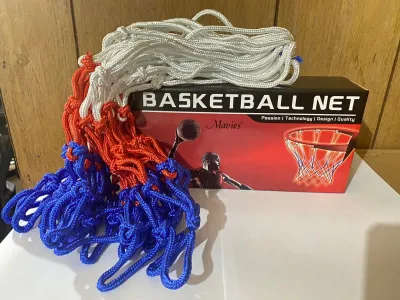

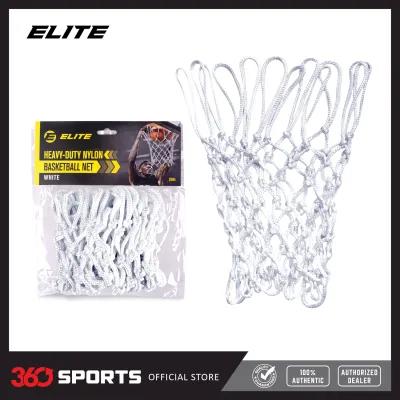
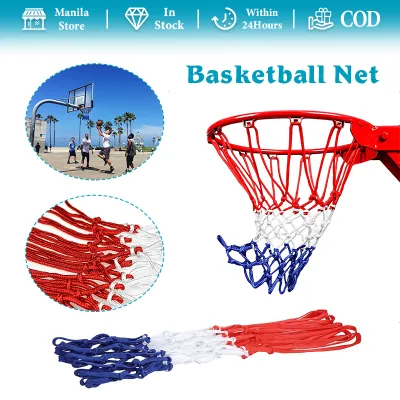
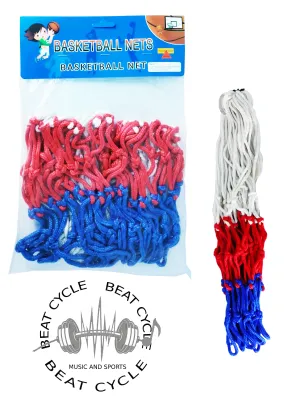
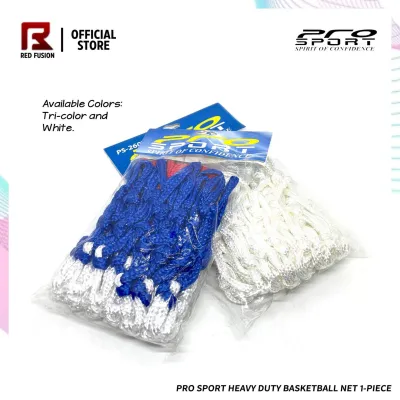
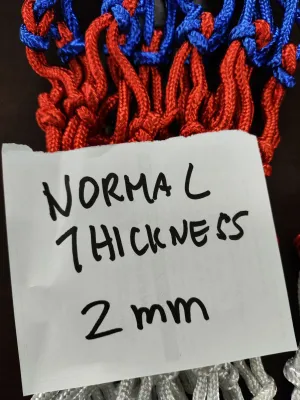
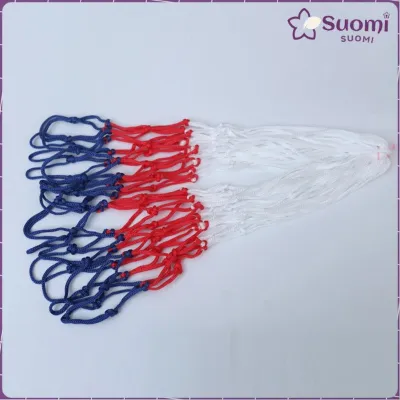
Prices are valid at publication and may change. Please refer to the product page for the latest price.
Finally, consider the surrounding community and local noise regulations. Metal chain nets produce a distinct, loud metallic clank with every successful shot. While this sound is highly satisfying to many players, it can become a nuisance in quiet residential neighborhoods, subdivisions, or shared condominium spaces, especially during early morning or late-night sessions. If your court is close to neighboring homes, a quieter nylon net is often the more considerate choice to maintain community harmony.
Chain vs. Nylon Nets: Feature and Experience Breakdown
Understanding the fundamental differences between metal chain links and woven synthetic strands is essential for making an informed purchase. These materials behave differently under impact, carry distinct physical weights, and alter how the ball behaves as it passes through the rim.

Durability and Weather Resistance Checks
Metal chain nets are highly regarded for their structural toughness, making them a staple for rugged outdoor courts. However, not all metal nets are created equal, and their durability depends heavily on their specific manufacturing treatments. When shopping, look for product specifications that explicitly state the use of galvanized steel, zinc plating, or anti-rust coatings. Without these protective layers, a metal net exposed to high humidity and rain will quickly develop rust, which can stain the basketball, weaken the links, and create sharp edges that pose a safety hazard to players.
Nylon nets rely on synthetic polymers that are naturally resistant to water, but they are highly susceptible to solar degradation. Over time, intense UV exposure breaks down the chemical bonds in standard nylon, causing the strands to become brittle, fade, and eventually fray or snap under the impact of the ball. To counter this, verify if the manufacturer labels the net as UV-treated, weather-resistant, or heavy-duty braided nylon. Additionally, nylon fibers can absorb moisture during heavy downpours, which can lead to mildew growth if the net does not dry quickly in the sun.
Play Experience, Sound, and Ball Feedback
The sensory feedback of a successful shot is a major part of the game’s appeal. Nylon nets deliver the classic, crisp “swish” sound that players have associated with basketball for decades. Beyond the audio feedback, nylon is flexible and soft, which naturally decelerates the ball as it passes through, allowing it to drop straight down beneath the rim. This predictable ball path makes it easier to collect rebounds and maintain a steady shooting rhythm during solo practice.
Chain nets offer a completely different sensory experience, characterized by a loud, metallic clink as the ball rattles through the steel loops. Because metal links are heavy and rigid, they do not compress or grip the ball the way synthetic fibers do. This lack of friction often results in a faster ball drop-through, though it can occasionally cause the ball to exit the net at an angle if a link is slightly misaligned. Furthermore, the added weight of a chain net can slightly alter how the rim vibrates during off-center shots, which some players feel affects the overall rebound behavior of the hoop.
Maintenance, Safety, and Replacement Indicators
Proper installation and regular upkeep are vital to ensure your ring net for basketball remains safe and functional. Before buying, check the compatibility of your basketball rim. Most standard rims feature twelve welded metal hooks on the underside. Ensure the net you select—whether chain or nylon—has twelve corresponding attachment loops. For chain nets, these loops often require S-hooks or specialized brackets to secure them to the rim; make sure these connectors fit snugly without requiring you to bend or damage the rim hooks.
Routine visual inspections should be performed at least once a month, especially on outdoor hoops. For chain nets, look closely for any signs of rust flakes, bent links, or open welds. If a link breaks or opens up, it can create a sharp metal point that can easily cut a player’s hand during a layup or rebound. For nylon nets, inspect the top loops that connect to the rim hooks, as these experience the highest amount of tension and are usually the first areas to fray or tear.
Cleaning methods differ significantly between the two materials. Metal chain nets require minimal cleaning, but wiping them down occasionally with a dry cloth can help remove accumulated dust and moisture. Avoid using wet cloths or harsh chemical cleaners that could strip away the protective anti-rust coating. Nylon nets can be hand-washed using mild soap and warm water to remove dirt, sweat, and outdoor grime. If you wash a nylon net, ensure it is completely dry before reattaching it to prevent mold and mildew from taking root in the fibers.
Safety must always be your top priority. You should stop using any net immediately if you observe severe structural damage. A tangled chain net can trap a player’s fingers during a shot, leading to serious injury. Similarly, a heavily frayed nylon net can catch the ball mid-air, altering its trajectory unpredictably or causing it to get stuck inside the net, disrupting the game and potentially damaging the rim if players attempt to pull it down forcefully.
Final Decision: Choosing the Right Ring Net for Basketball
To make your final decision, weigh your court’s physical environment against your personal playing preferences. A chain net is a highly suitable choice if your hoop is fully exposed to the elements, experiences heavy daily use from the public, and you want a low-maintenance option that you will not need to replace every season. Just be sure to verify that the metal is galvanized or rust-resistant, and that the loud metallic sound will not cause issues with nearby neighbors.
On the other hand, a nylon net is the more appropriate option if you play on an indoor or covered court, value the traditional “swish” sound, and prefer a softer material that is gentle on both the ball and your hands. Nylon is also the best choice for residential areas where noise must be kept to a minimum. When choosing nylon, look for heavy-duty, UV-treated braided options to ensure they hold up against ambient humidity and indirect sunlight.
Before finalizing your purchase, double-check your rim’s hook configuration to ensure a seamless installation. By matching the net material to your specific playing conditions, you will ensure a safer, more enjoyable, and longer-lasting basketball experience.
Frequently Asked Questions (FAQ)
Can I use a chain net on an indoor basketball court?
Yes, you can physically install a chain net on an indoor rim, but it is generally not recommended. The enclosed space of an indoor gym or covered court will amplify the loud metallic clinking sound of the chain, which can become incredibly noisy and distracting. Additionally, if the indoor facility has high humidity or if the floors are frequently mopped with water that splashes near the hoop, a non-galvanized chain net can still rust over time, potentially staining the court floor or the basketballs.
How often should I replace my basketball ring net?
Instead of relying on a strict timeline, you should replace your ring net for basketball based on clear visual and performance cues. Visually, you should replace a nylon net when you notice extensive fraying, torn strands, or broken attachment loops. For chain nets, replace them immediately if you see deep rust, broken links, or sharp edges. Performance-wise, if the net frequently tangles, flips over the rim, or fails to guide the ball cleanly downward, it has lost its structural integrity and needs to be replaced.
Do anti-whip or anti-tangle features really work?
Yes, anti-whip and anti-tangle features are designed to solve a common annoyance where the net flips up over the rim during a shot. In nylon nets, this is usually achieved by making the top portion of the net stiffer or heavier, often by using thicker braided loops or a specialized nylon coating near the rim. For chain nets, the natural weight of the metal links usually prevents whipping, though some designs use locked links to prevent tangling. To verify these claims, check the product specifications for physical weight details and look for verified user feedback regarding net behavior during active play.

Community discussion
Share your experience or ask a question. Comments are reviewed before publication.