
Selecting the right badminton shuttlecock is a balancing act between performance, durability, and cost. While a premium feather shuttlecock offers unparalleled flight precision, it can quickly become an expensive habit if your playing style or skill level leads to rapid wear. Conversely, synthetic nylon options provide exceptional longevity but lack the tactile feedback required for advanced shot-making. Finding the sweet spot requires analyzing your current skill level, how often you step onto the court, and the specific environments where you play.
By aligning your choice with your actual playing frequency and technical ability, you can avoid the frustration of ruined gear and unnecessary spending. Whether you are a casual weekend player or a competitive club athlete, understanding how different materials behave under various conditions will help you make an informed decision every time you restock your sports bag.
Understanding Shuttlecock Materials: Feather vs. Nylon
The fundamental difference between feather and nylon shuttlecocks lies in their construction, which directly dictates their flight physics. Natural feather shuttlecocks are constructed from a cork base wrapped in thin leather, topped with 16 overlapping feathers taken from either ducks or geese. This natural structure creates a unique aerodynamic profile. When struck, the feather cone collapses slightly to streamline its path through the air, allowing for high initial speed. As the shuttlecock slows down, the feathers flare open again, creating a rapid, predictable deceleration known as the parachute effect. This characteristic is essential for executing precise drop shots and keeping deep clears within the boundary lines.
Products mentioned in this guide
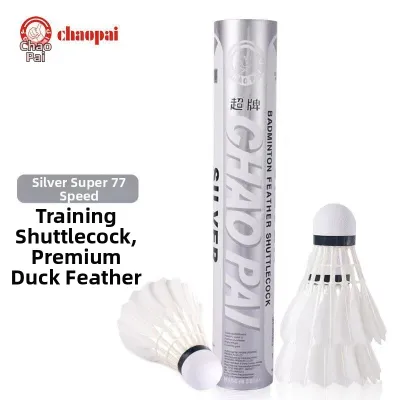
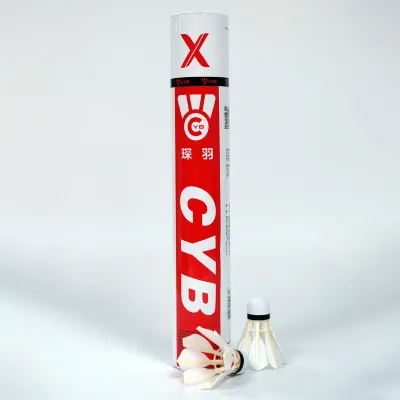
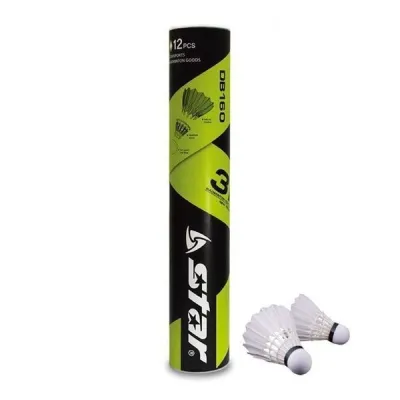
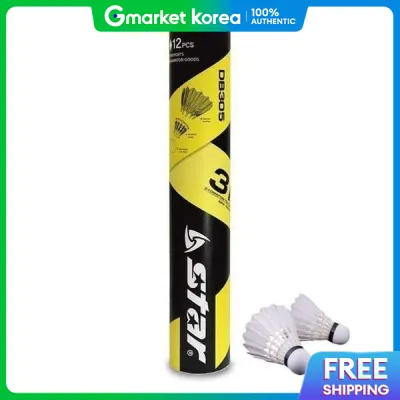
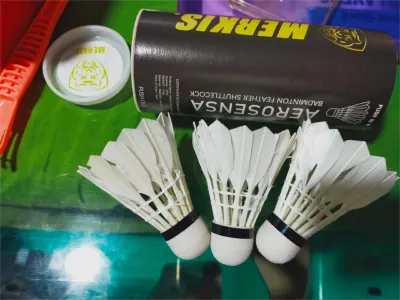
Prices are valid at publication and may change. Please refer to the product page for the latest price.
Nylon shuttlecocks utilize a synthetic skirt molded to mimic the shape of natural feathers. Because synthetic material does not collapse or flare in the same organic manner, its flight trajectory is much more linear. A nylon shuttlecock tends to maintain its speed longer during its flight path, which can make defensive timing feel different and often results in shots flying further out of bounds if struck with the same force as a feather shuttlecock.
Durability is another major point of divergence. Natural feathers are delicate and highly susceptible to structural damage. An off-center hit—where the racket frame strikes the feather shafts instead of the cork base—can instantly fracture a feather, permanently ruining the shuttlecock’s flight stability. Nylon skirts, on the other hand, are highly flexible and resilient. They can withstand repeated frame hits and rough handling without tearing, making them incredibly forgiving for players who are still developing their stroke consistency.
Evaluating cost-efficiency requires looking beyond the upfront price of a single tube. While a tube of nylon shuttlecocks might carry a higher initial price tag than entry-level feather options, a single nylon shuttlecock can easily last for multiple matches. In contrast, a single feather shuttlecock might only last one or two games depending on the intensity of the play. For recreational players, nylon often represents a more economical choice, whereas players training for formal competition must accept the higher replacement rate of feathers to maintain realistic practice conditions.
Matching Shuttlecock Types to Your Skill Level
Choosing a shuttlecock that matches your technical ability ensures that you do not overspend on premium gear you cannot fully utilize, or hold back your progress with equipment that lacks responsiveness.

Beginner and casual players should prioritize consistency and durability. When you are first learning the game, your primary focus is on developing hand-eye coordination, mastering basic footwork, and establishing clean contact with the center of the racket string bed. Because mishits are frequent during this stage, natural feather shuttlecocks will break rapidly, leading to high expenses and constant interruptions. Durable nylon shuttlecocks or entry-level training-grade feather options are ideal for this phase. They provide a stable learning platform, allowing you to focus on your stroke mechanics without the distraction of deteriorating equipment.
Intermediate and club players who have mastered basic strokes and are beginning to develop tactical play will benefit from transitioning to mid-grade feather options. At this level, players start incorporating advanced techniques such as sliced drops, net tumbles, and controlled smashes. The linear flight of nylon can limit the execution of these shots. Transitioning to mid-grade feather options, such as standard Chao Pai shuttlecock models, introduces the authentic touch and feedback necessary to refine these skills. These shuttlecocks offer a reliable compromise, providing the true flight path of natural feathers while maintaining a reasonable level of durability for regular club sessions.
Advanced and competitive players require absolute precision and consistent flight dynamics. Rallies at this level are fast-paced, involving high-impact smashes and delicate net play where a fraction of a millimeter determines whether a shot clears the tape. To support this level of play, premium goose or duck feather shuttlecocks are indispensable. Goose feathers are generally preferred for competitive tournaments because they are thicker, stronger, and more uniform than duck feathers. This structural superiority ensures that the shuttlecock maintains its shape and trajectory even during aggressive, high-speed exchanges.
Factoring in Playing Frequency and Budget
Your weekly playing frequency and the environment where you play are critical factors in determining the most practical shuttlecock for your needs.
High-frequency players who step onto the court three or more times a week can quickly accumulate high equipment costs. If you use premium feather shuttlecocks for every session, the monthly expense can become substantial. For high-frequency recreational play, it is wise to weigh the long-term cost of mid-tier feathers against the extended durability of premium nylon. Many frequent players choose to use high-quality nylon shuttlecocks for intense training drills and save their mid-tier or premium feather shuttlecocks for competitive matches and social club nights.
Low-frequency and weekend players who only play once a week or bi-weekly have a different set of priorities. Because your overall consumption rate is low, a single tube of shuttlecocks will last you a long time. In this scenario, investing in premium feather shuttlecocks is highly practical. Since you are not replacing them constantly, the slightly higher cost is offset by the significantly elevated quality of your playing experience, allowing you to enjoy authentic flight dynamics every time you play.
Environmental conditions also play a major role, particularly in the tropical climate of the Philippines. High humidity levels naturally keep the organic fibers of feather shuttlecocks hydrated, preventing them from becoming dry and brittle as quickly as they might in arid regions. However, playing on outdoor courts introduces wind, which easily disrupts the delicate flight of feather shuttlecocks. For outdoor sessions in local parks or residential streets, heavy-duty nylon shuttlecocks are far more practical because their synthetic skirts offer better wind resistance. Save your natural feather shuttlecocks for indoor sports halls where closed spaces eliminate wind interference and allow the shuttlecock to perform exactly as designed.
Comparison Matrix: Shuttlecock Types at a Glance
To help you quickly identify the best option for your specific situation, the following matrix summarizes the key trade-offs of each major shuttlecock category.
| Material / Type | Best Suited For | Durability Expectation | Flight Consistency | Relative Price Tier |
|---|---|---|---|---|
| Synthetic Nylon | Beginners, outdoor recreational play, high-frequency drills | Very High (lasts multiple matches) | Moderate (linear trajectory) | ₱ Budget |
| Training-Grade Feather | Advanced beginners, casual indoor players | Low to Moderate (susceptible to mishits) | Good (standard parachute decay) | ₱ Budget to Mid-Range |
| Mid-Tier Feather (e.g., Chao Pai) | Intermediate club players, regular social matches | Moderate (requires clean hits) | Very Good (consistent spin and drop) | ₱ Mid-Range |
| Premium Feather (Goose/Duck) | Advanced players, competitive tournaments | Moderate to High (stronger feather shafts) | Excellent (precise trajectory and touch) | ₱ Premium |
When interpreting this matrix, consider whether you value authentic feel over maximum longevity. If your budget allows and you play primarily indoors, prioritizing a mid-tier feather option will provide a more rewarding learning curve for your skills, even if you have to replace the shuttlecocks more frequently than nylon alternatives.
How to Inspect and Store Your Shuttlecocks
Proper maintenance and storage can significantly extend the lifespan of your shuttlecocks, ensuring consistent play and protecting you from unnecessary physical strain.
Before and during play, perform quick visual checks on your shuttlecock. Look for cracked or broken feather shafts, missing feather fibers, or loose glue along the binding threads. For nylon shuttlecocks, check if the synthetic skirt has warped, stretched, or developed tears. A shuttlecock with broken feathers or a deformed skirt will not fly straight. It will wobble, lose speed prematurely, or veer off-course, which disrupts the rhythm of your game.
Proper storage is essential to prevent natural feathers from becoming brittle and to keep the cork base from degrading. Always store your shuttlecock tubes vertically with the cork side pointing down. This prevents the weight of the shuttlecocks from crushing the delicate feathers at the bottom of the tube. In tropical environments like the Philippines, avoid leaving your gear bag in hot car trunks or direct sunlight. Extreme heat dries out the natural oils in the feathers and weakens the adhesive holding the structure together, causing the shuttlecock to fall apart much faster during play.
Knowing when to retire a damaged shuttlecock is crucial for your physical well-being. When a shuttlecock’s flight path becomes inconsistent or wobbly, players naturally tend to compensate by swinging harder or adjusting their stroke mechanics awkwardly. This repetitive overexertion can lead to muscle fatigue and increase the risk of strain injuries in your wrist, elbow, or shoulder. If a shuttlecock no longer flies true, retire it from active match play and relegate it to basic warm-up drills or replace it entirely.
Frequently Asked Questions (FAQ)
Can I use feather shuttlecocks for outdoor badminton?
Using natural feather shuttlecocks for outdoor play is generally not recommended. The delicate feather skirt is highly sensitive to air currents, meaning even a gentle breeze can cause unpredictable flight paths, making consistent rallies nearly impossible. Additionally, outdoor surfaces like concrete or asphalt are highly abrasive; a single contact with the ground can ruin the feathers instantly. For outdoor environments, synthetic nylon shuttlecocks or specialized wind-resistant outdoor shuttlecocks are much better suited, as they maintain their structural integrity and offer more stable flight against wind resistance.
How do I verify the authenticity of a Chao Pai shuttlecock?
To ensure you are getting genuine performance, always inspect the packaging of your Chao Pai shuttlecock tube for official brand markers. Authentic tubes typically feature high-quality printing, specific security holograms, and unique batch codes or scratch-off verification labels provided by the manufacturer. Counterfeit products often have blurry logos, misaligned text, or lack these security features entirely. To guarantee authenticity, purchase your gear only from authorized sports specialty retailers or official brand stores on reputable e-commerce platforms.
Community discussion
Share your experience or ask a question. Comments are reviewed before publication.