
Choosing between chest waders and hip waders comes down to the depth of the water you plan to fish and how much mobility you need to navigate your environment. If you frequently fish in deep rivers, surf, or unpredictable currents, chest waders are the standard choice because they keep you dry up to your upper torso. Conversely, if you stick to shallow streams, farm ponds, or shoreline flats where the water rarely rises above your knees, hip waders offer unmatched freedom of movement and keep you much cooler in warm climates.
Core Design Differences: Coverage, Straps, and Layering
Chest waders extend all the way to your chest, supported by shoulder suspenders. They create a sealed barrier from your feet to your underarms. This design is essential when wading in water deeper than your waist, but it also means you are carrying the weight of the fabric on your shoulders.
Hip waders consist of two separate legs that extend from your feet up to your upper thighs. Instead of shoulder straps, they attach to your regular pants belt using adjustable straps or loops. This keeps your upper body completely free of fabric, which is a massive advantage in hot, humid environments.
Products mentioned in this guide
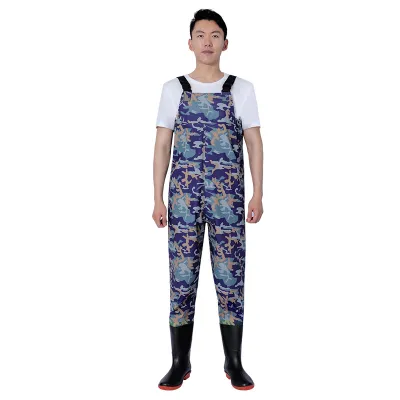
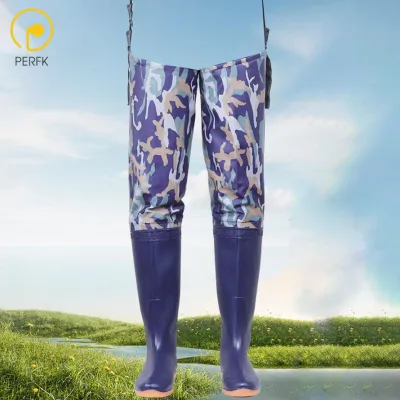
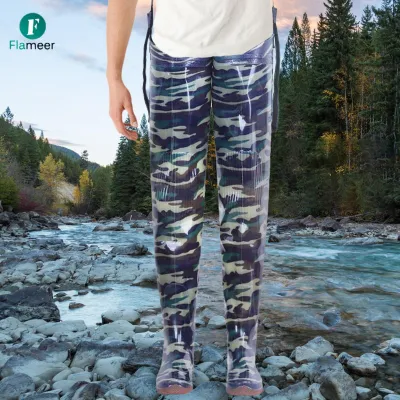
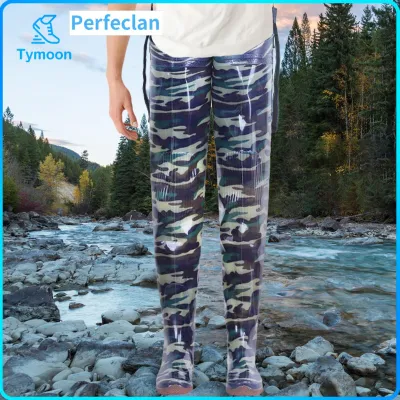
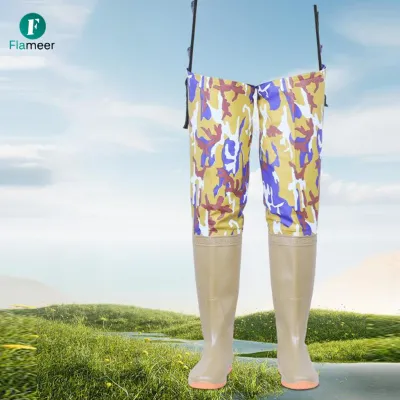
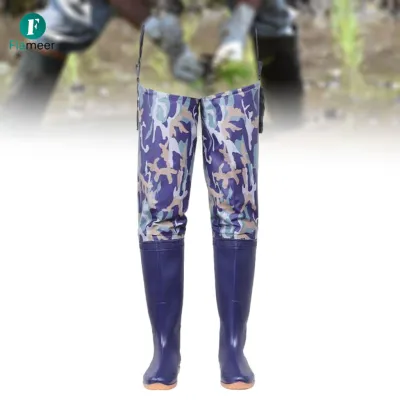
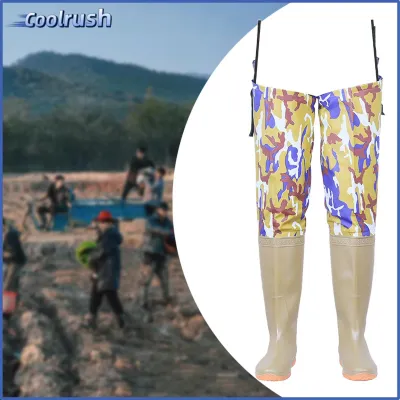
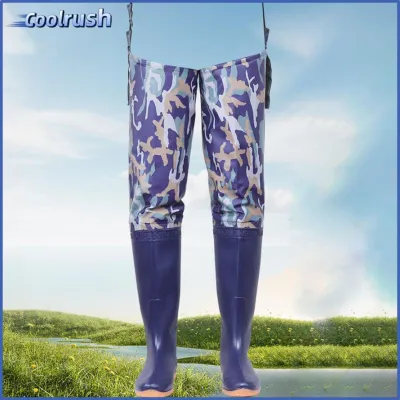
Prices are valid at publication and may change. Please refer to the product page for the latest price.
Weight distribution differs significantly between the two styles. Chest waders distribute their weight across your shoulders and back, which can cause fatigue over a long day of casting. Hip waders pull down on your belt, which can sometimes feel heavy if your belt is not sturdy, but they leave your upper body completely unrestricted.
Layering requirements also vary. With chest waders, you must consider what you wear underneath your entire torso. In tropical climates like the Philippines, wearing heavy layers under chest waders can lead to intense sweating and overheating. Hip waders only require comfortable pants or shorts underneath, allowing your upper body to breathe naturally in the heat.
Matching Wader Type to Your Water Depth and Environment
Deep water and strong currents demand chest waders. When you are wading in waist-deep water, a sudden step into a hidden hole or a sudden surge in the current can easily overtop hip waders. Chest waders give you a safety margin of several inches, allowing you to recover your footing without instantly filling your boots with water.

However, chest waders present unique safety challenges in deep water. If you fall, trapped air in the legs can cause your feet to float, making it difficult to keep your head above water. This is why wearing a wading belt tightly around your waist is a non-negotiable safety practice when using chest waders.
For shallow streams, slow-moving creeks, and wet wading scenarios, hip waders are highly practical. They allow you to walk through shallow water without the bulk of a full suit. The increased breathability means you can hike along the banks for kilometers without feeling like you are wearing a personal sauna.
In the Philippines, local weather and water temperatures play a massive role in your decision. While mountain streams in high-altitude areas can be surprisingly cool, most lowland rivers and coastal flats are warm and humid. Wearing heavy, non-breathable chest waders in these conditions can quickly lead to dehydration. Hip waders, or even lightweight breathable chest waders worn rolled down, are often much more comfortable for local anglers.
Mobility, Comfort, and Gear Storage Trade-Offs
Mobility is a key differentiator when you have to hike through dense brush, climb steep riverbanks, or scramble over slippery rocks. Hip waders offer a superior range of motion because they do not restrict your hips or torso. You can bend, kneel, and climb with minimal resistance from the fabric.
Chest waders, even modern breathable ones, inherently restrict your movement to some degree. The excess fabric around your midsection and thighs can catch on branches or drag in the water, making walking more tiring. The shoulder suspenders can also cause shoulder fatigue and neck strain after hours of active casting.
On the other hand, chest waders excel in gear storage and accessibility. Most chest waders feature integrated chest pockets, hand-warmer pockets, and D-rings for attaching tools like nippers, forceps, and landing nets. This keeps your essential gear high, dry, and easily accessible right on your chest.
Hip waders offer virtually no built-in storage. Because they stop at your thighs, you must rely entirely on a fishing vest, chest pack, or backpack to carry your gear. If you prefer to travel light and carry minimal tackle, this might not be an issue, but gear-heavy anglers may find the lack of pockets inconvenient.
Material and Footwear Configurations to Verify Before Buying
Before purchasing, you must verify the material properties of the waders. Breathable membranes (like multi-layer nylon or polyester laminates) are highly recommended for tropical climates because they allow sweat vapor to escape while keeping water out. Neoprene, while highly durable and excellent for cold-water insulation, is generally too hot for most fishing scenarios in the Philippines unless you are fishing in exceptionally cold mountain waters.
You also need to choose between bootfoot and stockingfoot configurations. Bootfoot waders have rubber boots permanently attached to the legs. They are easy to slip on and off, making them convenient for quick trips, and they tend to be less expensive overall. However, they offer less ankle support and can feel clumsy when walking long distances over uneven terrain.
Stockingfoot waders end in soft neoprene booties and require you to purchase and wear a separate pair of wading boots. This setup offers superior ankle support, a more customizable fit, and better durability, as you can replace worn-out boots without throwing away the waders. The trade-off is a higher initial investment in ₱, as you must buy both the waders and the boots.
Outsole traction is another critical factor to verify based on your fishing environment. Rubber outsoles with aggressive tread patterns are versatile and work well in mud, sand, and wet grass. Felt outsoles provide exceptional grip on slippery, algae-covered rocks, but they dry slowly and can transfer invasive species between water bodies if not properly cleaned. Always check local regulations, as felt soles are banned in some regions to prevent the spread of aquatic pests.
Decision Framework: Which Wader Fits Your Fishing Style?
To simplify your choice, let us look at a clear decision framework. You should choose chest waders if your primary fishing style involves wading in deep rivers, casting into the surf, or fishing in unpredictable currents where water levels can change rapidly. They are also the correct choice if you fish in cold climates or deep mountain streams where keeping your entire body dry is essential for warmth.
You should choose hip waders if you primarily fish in shallow, slow-moving streams, small ponds, or marshy areas where the water rarely exceeds knee depth. They are ideal for anglers who prioritize high mobility, quick setup times, and maximum breathability in warm, tropical weather.
If you find that neither option perfectly fits your needs, consider alternatives like wet wading gear or waterproof wading pants. Wet wading—wearing quick-drying pants and wading boots with neoprene socks—is incredibly popular in warm climates because it eliminates the heat buildup of waterproof fabrics entirely, though it offers no protection against cold water or underwater hazards like leeches and sharp debris.
Wading Safety Limits and Essential Maintenance
Wading carries inherent risks, and your equipment should never replace sound judgment. As a general safety threshold, never wade in water that is deeper than your thighs if the current is swift. If you cannot see the bottom, proceed with extreme caution using a wading staff to check the depth and stability of the substrate before taking a step. Always stop and retreat if the water level rises unexpectedly or if you feel your feet losing traction.
Proper maintenance is crucial to prolonging the lifespan of your investment. After every trip, especially in saltwater or muddy environments, rinse your waders thoroughly with fresh water to remove salt, sand, and organic debris. Hang them to dry in a well-ventilated area out of direct sunlight, as ultraviolet rays can degrade the waterproof coatings and adhesives.
In humid climates like the Philippines, ensuring your waders are completely dry inside and out is essential to prevent mold and mildew growth. Store them hanging by the boots or straps rather than folded tightly in a bag. If you suspect a leak, you can locate it by spraying the inside of the dry waders with rubbing alcohol; dark spots will appear on the outside where the alcohol penetrates. Small punctures can usually be repaired with specialized flexible adhesives, while major seam failures may require professional repair or replacement.
Frequently Asked Questions (FAQ)
Can I fold down chest waders to use them as hip waders?
Yes, many modern chest waders are designed with convertible suspender systems that allow you to roll the upper portion down to your waist, securing it with the straps to act as wading pants. However, doing this with standard, non-convertible chest waders can result in a bulky, uncomfortable roll of fabric around your waist that restricts your movement. It also increases the risk of water entering if you accidentally step into a deeper pool, as the rolled-down fabric does not seal against your body.
How do I measure my body for the correct wader fit?
To find the correct fit, you need three primary measurements: your inseam (from crotch to floor), your largest torso circumference (either chest, waist, or hips), and your shoe size. When reviewing size charts, always allow an extra inch or two in the torso and inseam to accommodate layering and to ensure you have enough slack to kneel, climb banks, and step over obstacles without straining the seams. If you choose stockingfoot waders, ensure the neoprene booties match your foot size comfortably without bunching inside your wading boots.
Community discussion
Share your experience or ask a question. Comments are reviewed before publication.