
When searching for a reliable gloves boxing 2 pair set, it is easy to focus solely on the financial savings of a bundle. However, choosing the right multi-pair package requires a thorough evaluation of how the gloves will be used, who will be wearing them, and how well they can withstand intense training sessions. A proper evaluation framework looks beyond the price tag to examine the bundle’s configuration, the specific weight and style of each pair, the material’s breathability in humid environments, and the structural support provided to your wrists and hands.
Whether you are a solo martial artist looking to diversify your training tools or training partners sharing a single purchase, matching the physical specifications of each glove to your training environment is critical. The ideal bundle should align with your current skill level, accommodate your body weight, and offer the specific level of protection required for your daily drills. By comparing these key factors, you can ensure your investment enhances your safety and longevity in the sport.
Identify the Bundle Type: Matching vs. Mixed Configurations
Understanding the structural differences between available multi-pair sets is the first step in narrowing down your options. Manufacturers design these bundles to serve different athletic needs, and choosing the wrong setup can leave you with gear that does not fit your training routine.
Products mentioned in this guide
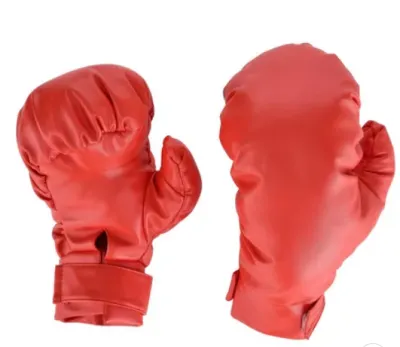
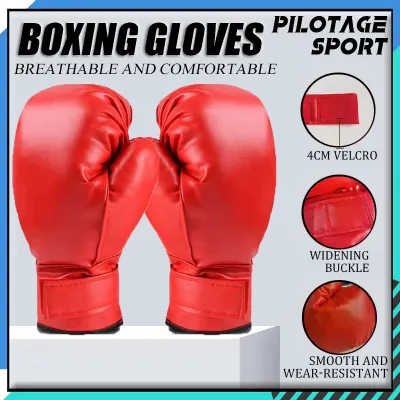
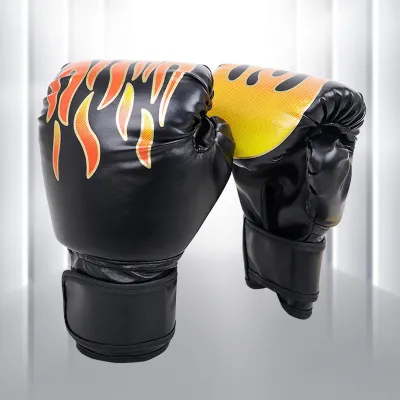
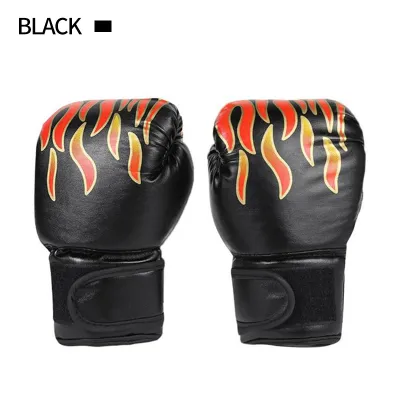
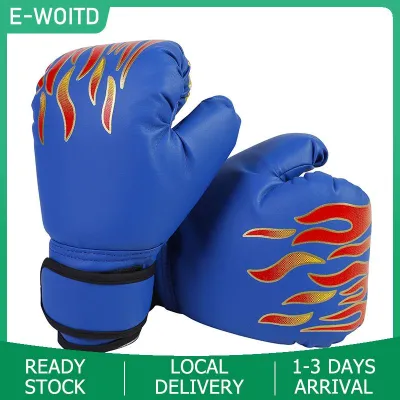
Prices are valid at publication and may change. Please refer to the product page for the latest price.
Matching Pairs vs. Mixed Weight Sets
Matching pairs consist of two identical sets of gloves of the same weight, size, and design. This configuration is highly practical if you regularly train with a sparring partner of a similar physical build, allowing both of you to use identical gear during partner drills. For solo athletes who train at a high frequency, a matching set serves as a reliable rotation system; while one pair is thoroughly drying out after an intense, sweaty workout, the second pair is clean and ready for the next session.
In contrast, mixed-weight sets include two pairs of different weights, such as a lighter 10 oz pair and a heavier 14 oz or 16 oz pair. This configuration is tailored for a single athlete’s training progression and varied daily routines. Lighter gloves are designed to facilitate hand speed, shoulder endurance, and precision during focus pad work, while the heavier pair provides the dense padding required for heavy bag conditioning and sparring. When browsing online marketplaces, always read the product description carefully to verify the exact ounce rating of both pairs, as some listings can be ambiguous about whether the set contains identical or split weights.
Glove Type and Style Combinations
Some two-pair bundles combine entirely different styles of gloves rather than simply varying the weight of traditional boxing gloves. For example, you might find a set that pairs a standard training glove with a minimalist bag glove, a highly padded sparring glove, or even a pair of open-palm MMA grappling gloves. These combinations are highly beneficial for multi-discipline athletes who transition between boxing, Muay Thai, and grappling drills within the same week.
However, you must verify the specific intended use of each style on the manufacturer’s product label before putting them to work. A critical safety boundary must be observed here: never use standard bag gloves for live sparring. Bag gloves are constructed with dense, compressed foam designed to withstand repeated impact against a hard heavy bag; they lack the soft, energy-dispersing padding layers required to protect a sparring partner from facial cuts or concussive force. Using the wrong glove style for the wrong activity increases the risk of injury to both you and your training partners.
Core Specifications to Compare in a Gloves Boxing 2 Pair Set
To ensure both pairs in your bundle deliver the performance and protection you need, you must compare their technical specifications side by side. These physical attributes directly influence your comfort, safety, and the lifespan of the gear.

Weight (oz) and Training Application
Glove weight, measured in ounces (oz), directly dictates the level of impact absorption and physical resistance you will experience. Generally, lighter gloves (8 oz to 12 oz) feature a slimmer profile and less padding, making them ideal for developing rapid hand speed, sharp punching form, and shoulder stamina on focus mitts. Heavier gloves (14 oz to 16 oz) contain thicker, multi-layered foam systems designed to absorb high-velocity impacts, protecting your knuckles and your partner’s face during live sparring.
When evaluating a bundle, verify that the weights included align with your body weight, skill level, and gym rules. For instance, many boxing gyms in the Philippines strictly enforce a minimum weight of 14 oz or 16 oz for all sparring activities to maintain safety standards in the ring. A lighter fighter (under 60 kg) may find a 14 oz glove sufficient for sparring, whereas a heavier individual (over 80 kg) should strictly use 16 oz or heavier. Never assume a single weight is universal; using a glove that is too light for sparring increases injury risks, while using an excessively heavy glove for speed drills can cause early fatigue and compromised punching mechanics.
Material Composition and Climate Care
The choice between synthetic materials and genuine leather significantly impacts the durability, feel, and maintenance requirements of your gloves. Synthetic options, such as standard polyurethane (PU) or high-grade microfiber leather, are generally more affordable and highly resistant to surface moisture, making them easy to wipe down after a workout. Genuine leather (such as cowhide or goat leather) offers unmatched durability, naturally conforming to the unique shape of your hand over time, but it requires periodic conditioning to prevent the material from drying out and cracking.
In hot, humid tropical climates, managing sweat and moisture is a constant battle. High ambient humidity prevents wet gear from drying naturally, turning the dark interior of a boxing glove into a breeding ground for bacteria and mold. To combat this, look for gloves that feature integrated mesh palm panels, pinhole perforations along the fingers, and moisture-wicking satin or nylon inner linings. Your choice of material should ultimately match your willingness to perform post-workout maintenance, as neglecting damp gloves in a humid environment will quickly destroy both synthetic and genuine leather linings.
Closure Systems and Wrist Support
How a glove secures to your wrist determines both its convenience and the level of joint stability it offers during impact. Hook-and-loop (Velcro) closures are the most common system found in multi-pair bundles. They allow you to put on and remove your gloves independently within seconds, which is highly advantageous for solo workouts, home training, or fast-paced circuit classes where you must quickly transition between boxing and other exercises.
Lace-up closures, preferred by professional athletes, offer an unparalleled, customized fit that pulls the cuff tight against the natural contours of your wrist. However, lace-up gloves are highly impractical for solo training, as they require a coach, training partner, or specialized utility tool to tie and untie. Regardless of the closure type, closely inspect the width of the wrist strap and the stiffness of the cuff. A wide, rigid strap with dense padding helps keep your wrist joint properly aligned with your forearm, absorbing the lateral forces generated when a punch lands at an awkward angle.
Evaluating Fit, Padding Distribution, and Safety
A glove’s primary purpose is protection, which depends entirely on its internal construction and physical fit. Even the most durable materials cannot protect your hands if the glove’s internal shape is poorly designed or ill-fitting.
First, consider the volume of the hand compartment. A proper fit means your hand should feel secure but not cramped when wearing standard semi-elastic hand wraps. Training without wraps leaves the 27 small bones of your hand vulnerable to stress fractures and joint displacement. If the internal compartment is too tight, it can restrict blood circulation and cause hand numbness; if it is too spacious, your hand will slide inside the glove, leading to friction burns, blisters, and joint misalignment upon impact.
Second, evaluate the thumb attachment design. High-quality boxing gloves feature a fully attached or tucked thumb, where the thumb is stitched securely to the main body of the glove. This design prevents your thumb from bending backward or hyperextending if you land an off-center punch on a heavy bag. It also prevents the thumb from sticking out during sparring, reducing the risk of accidentally poking your training partner in the eye.
Third, verify the quality of the internal padding. Modern gloves typically utilize either multi-layer foam (combining different densities of latex, EVA, and open-cell foam) or Injection Molded Foam (IMF). Multi-layer foam provides a progressive resistance that absorbs heavy impacts exceptionally well, while IMF offers a pre-curved, consistent shape that helps beginners maintain a proper fist. Always remember that protective equipment cannot replace proper training, physical conditioning, and correct technique. If you experience persistent wrist or knuckle pain during or after training, stop immediately and consult a qualified coach or medical professional to review your punching form and gear suitability.
Assessing Value: Cost per Pair and Durability Checks
To determine if a two-pair bundle is a smart financial decision, you must calculate the individual cost per pair and compare it to the retail price of purchasing those models separately. In the Philippine market, budget-friendly synthetic bundles typically range from ₱2,500 to ₱4,500, while premium leather or professional-grade sets can range from ₱6,000 to over ₱10,000. While a lower bundle price is appealing, you must ensure the manufacturer has not compromised on structural quality to achieve that lower price point.
Inspect the product descriptions and high-resolution images for key indicators of durable construction. Look for double-stitched seams along high-stress areas, such as the thumb joint and the palm opening, as single stitching can easily unravel under the repeated stress of heavy bag strikes. Check the seller’s return policies and warranty terms before purchasing, as manufacturing defects in foam alignment or stitching are easiest to resolve when identified immediately upon unboxing.
Additionally, factor in the potential wear-and-tear imbalance of your bundle. If you purchase a mixed-weight set and use the lighter pair daily for heavy bag work while keeping the heavier pair reserved for occasional sparring, the bag gloves will degrade much faster. You must be prepared for the eventual cost of replacing a single, highly worn pair rather than assuming the entire bundle will wear out at the exact same rate.
Decision Framework: Choosing the Right Set for Your Training
To make your final decision, evaluate your personal training habits against the following conditional scenarios to identify the configuration that best supports your goals:
- Choose a matching 2-pair set if you regularly train at home or in the gym with a sparring partner of a similar physical build, or if you train multiple times a week and need an identical backup pair to allow for proper drying and hygiene rotation.
- Choose a mixed-weight set if you are a solo practitioner who needs dedicated tools for different aspects of training, such as a lighter 10 oz or 12 oz pair for high-speed pad work and a heavier 14 oz or 16 oz pair for strength conditioning and heavy bag drills.
- Choose a mixed-style set if your training routine spans multiple combat disciplines, such as combining traditional boxing with MMA grappling, Muay Thai clinch work, or kickboxing, requiring distinct glove shapes and padding distributions.
- Verify first if you plan to use either pair in the bundle for live sparring; always consult your coach and check your local gym's safety regulations regarding minimum glove weights and approved padding types before bringing new gear into the ring.
Frequently Asked Questions (FAQ)
Can I use a 2-pair bundle for both beginners and advanced training?
Whether a single bundle can support you from beginner to advanced levels depends entirely on the specific weights and safety features of the gloves included. A mixed-weight bundle can be highly effective for a beginner’s progression, allowing them to start with lighter gloves for basic technique and transition to heavier gloves as they build hand strength and begin heavy bag work. However, advanced training—especially live sparring—demands specialized safety features, precise padding densities, and strict weight compliance (typically 14 oz or 16 oz) that must be verified on the manufacturer’s label and approved by your coach before use.
How should I dry and maintain my boxing gloves in a humid climate?
Proper maintenance is essential in humid tropical environments to prevent mold, bacteria, and material rot. After every training session, use a clean microfiber cloth to thoroughly wipe down the exterior of the gloves to remove sweat and salt buildup. Insert moisture-absorbing deodorizer pouches, cedar chips, or clean dry cloths into the hand compartment to draw out internal moisture, then leave the gloves to air dry completely in a well-ventilated, shaded indoor area. Never expose your gloves to direct sunlight for extended periods or use direct heat sources like hairdryers, as extreme heat will crack synthetic materials, dry out genuine leather, and warp the protective internal foam.
Community discussion
Share your experience or ask a question. Comments are reviewed before publication.