
Choosing a two-wheel electric bicycle (e-bike) in the Philippines requires balancing your daily travel needs against local road realities, tropical weather, and your financial plan. Whether navigating the congested streets of Metro Manila, running quick errands around your barangay, or seeking a weekend fitness escape, the right e-bike serves as a highly efficient alternative to traditional transport. By matching your specific riding purpose with realistic budget capabilities and key technical specifications, you can find a reliable model that ensures safe, comfortable, and cost-effective journeys.
Navigating the process of selecting an e-bike can feel overwhelming due to the wide variety of motor types, battery capacities, and frame designs available on the market. It is important to approach this decision systematically, focusing first on how and where you plan to ride, and then evaluating the technical specifications that will deliver the performance you need. This guide provides a comprehensive framework to help you make an informed choice, ensuring your investment matches your lifestyle and stands up to the unique demands of local riding conditions.
Identifying Your Primary Riding Purpose
Before looking at specific models or technical specifications, you must clearly define how you intend to use your e-bike. Different riding scenarios demand distinct design features, and choosing a bike tailored to your primary activity will significantly improve your overall riding experience, safety, and comfort.
Products mentioned in this guide
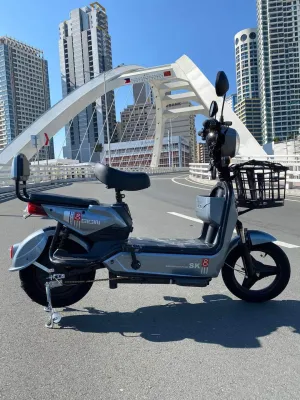
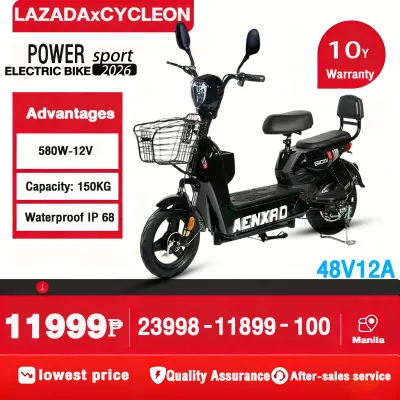
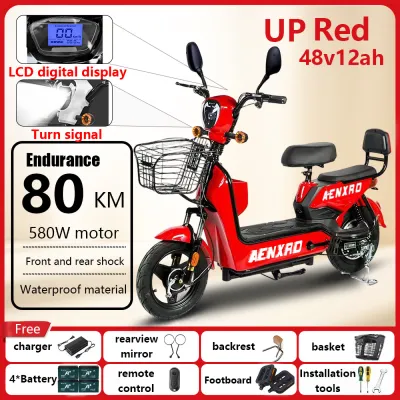
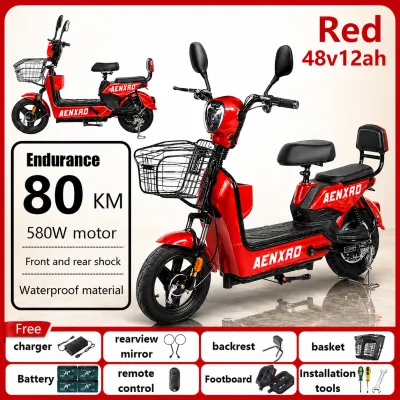
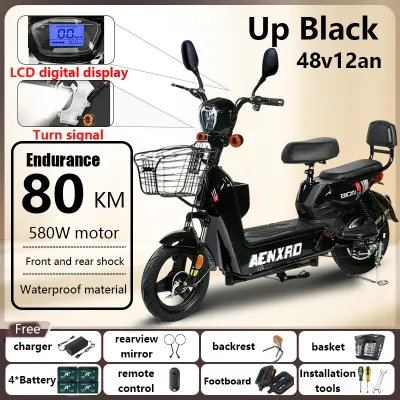
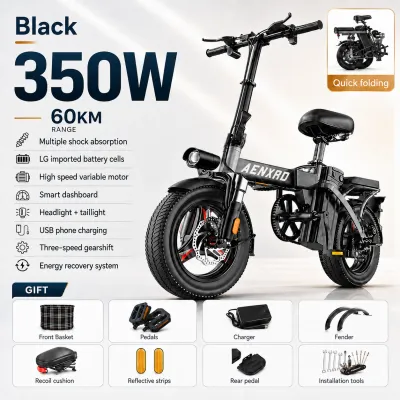
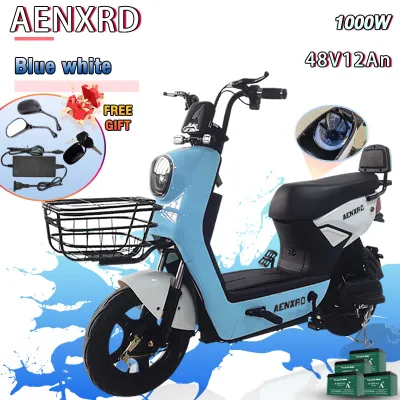
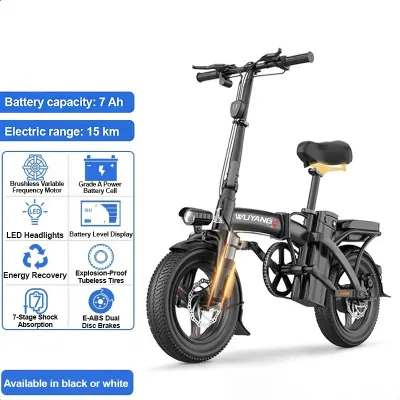
Prices are valid at publication and may change. Please refer to the product page for the latest price.
For daily commuting in urban areas, your primary focus should be on utility, efficiency, and reliability. Urban commuting in the Philippines often involves navigating heavy, stop-and-go traffic, uneven road surfaces, and sudden weather changes. To handle these challenges, a commuter-focused e-bike should feature a sturdy frame with integrated cargo racks or mounting points for baskets, allowing you to carry work bags, groceries, or personal items without compromising your balance. Fenders are another essential feature for commuters, as they shield your clothing from dirty water, mud, and road debris kicked up by the tires during sudden tropical downpours. Additionally, integrated front and rear lights powered by the main battery are crucial for visibility during early morning or late evening rides.
If your goal is leisure and recreational riding, comfort and ease of use should be your top priorities. Leisure riders typically spend longer, uninterrupted periods in the saddle, exploring scenic routes, coastal roads, or neighborhood parks on weekends. For this purpose, look for an e-bike with an upright riding geometry, which positions your body in a natural, relaxed posture that minimizes strain on your lower back, neck, and wrists. Wide, cushioned saddles and ergonomic handlebar grips further enhance comfort, while wider, high-volume tires help absorb road vibrations and minor bumps, providing a smooth, float-like ride quality even on unpaved or poorly maintained paths.
For those using an e-bike primarily for fitness and active recreation, the focus shifts to adjustable engagement and lightweight design. Fitness-oriented e-bikes are designed to complement your physical effort rather than replace it entirely. Look for models that offer multiple, finely tuned levels of pedal assist, allowing you to gradually decrease the motor’s contribution as your strength and stamina improve. These bikes often feature lighter aluminum or carbon frames, narrower tires for lower rolling resistance, and a more athletic, forward-leaning riding position that encourages active pedaling. A sophisticated torque sensor is highly desirable for fitness riding, as it measures your actual pedaling force and delivers a proportional amount of motor assistance, creating a seamless and natural riding feel that rewards your physical effort.
Mapping Budget Tiers to E-Bike Capabilities
Understanding what features and component quality you can realistically expect at different price points is essential for setting accurate expectations and avoiding costly purchasing mistakes. While it is tempting to look for the lowest price, e-bikes are complex machines where component durability directly impacts safety and long-term maintenance costs.

Entry-level e-bikes are designed primarily for short, casual trips and flat terrain, making them excellent options for quick barangay runs or neighborhood errands. In this tier, you will typically find rear-hub motors paired with external, removable batteries of modest capacity. The frame materials are often heavier steel or basic aluminum alloys, which can make the bike feel heavy to lift or pedal without motor assistance. Braking is usually handled by mechanical disc brakes, which require regular manual adjustment to maintain optimal stopping power. While these bikes offer an affordable entry point into electric cycling, they generally lack advanced suspension systems and have limited range, meaning they are best suited for light, occasional use on well-paved, flat roads.
Mid-range e-bikes represent the sweet spot for daily commuters and regular riders who require a dependable, low-maintenance vehicle for daily transportation. In this tier, manufacturers focus on durability, ride quality, and improved safety features. You can expect lightweight, well-engineered aluminum frames, often with basic front suspension forks that help absorb shocks from potholes and rough roads. Batteries are frequently integrated into the frame for better protection against dust and moisture, and they utilize higher-quality lithium-ion cells that offer longer lifespans and more consistent power delivery. Braking systems are often upgraded to hydraulic disc brakes, which provide superior, effortless stopping power and require far less frequent adjustment than mechanical systems.
Premium e-bikes are engineered for demanding terrains, long-distance travel, and riders who refuse to compromise on performance or refinement. These models almost exclusively feature high-torque mid-drive motors, which are positioned at the bike’s bottom bracket to keep the center of gravity low and balanced. Premium e-bikes utilize advanced suspension systems, high-capacity batteries with sophisticated smart battery management systems (BMS), and top-tier drivetrains such as internal gear hubs or high-end derailleur systems. The integration of components is seamless, with internal cable routing, premium hydraulic braking systems, and smart displays that offer navigation and detailed performance tracking. These bikes are built to withstand heavy daily use, steep mountain climbs, and challenging weather conditions over many years.
Essential Specifications to Evaluate
When comparing different e-bike models, looking past marketing claims and evaluating specific technical specifications will help you determine if a bike is truly suited to your needs and local riding environment.
The type and placement of the motor significantly influence how the e-bike handles and performs on different terrains. Hub motors, which are located in the center of the front or rear wheel, are the most common and cost-effective option. Rear-hub motors provide a strong pushing sensation and are excellent for flat or gently rolling terrain, though they can make the rear of the bike feel heavy and make changing a flat rear tire more complicated. Mid-drive motors, positioned in the middle of the frame near the pedals, apply power directly to the bike’s chain and drivetrain. This allows the motor to leverage the bike’s existing gears, making mid-drive systems incredibly efficient at climbing steep hills and providing a highly balanced, natural-feeling ride because the weight is centered and low.
Battery capacity, measured in Watt-hours (Wh), is the primary indicator of how far your e-bike can travel on a single charge. You can calculate Watt-hours by multiplying the battery’s voltage (V) by its amp-hour (Ah) rating; for example, a 36V 10Ah battery has a capacity of 360Wh. While manufacturers provide estimated ranges, it is crucial to understand that real-world range is highly variable. Factors such as rider weight, cargo load, wind resistance, tire pressure, and the level of pedal assist used will all affect battery consumption. Furthermore, steep inclines and the high ambient temperatures common in tropical climates can place additional strain on the battery, reducing its overall efficiency and range per charge.
Frame geometry plays a vital role in both rider comfort and accessibility, and should be chosen based on your physical mobility and typical riding attire. Step-through frames feature a low or absent top tube, allowing you to easily step through the frame to mount and dismount the bike. This design is highly practical for urban commuting, especially when wearing formal office clothing, uniforms, or skirts, and is highly recommended for riders with limited hip or knee mobility. Step-over frames feature the traditional diamond shape with a high top tube, which provides greater structural rigidity and strength. This design is often preferred by riders who engage in more spirited, high-speed riding or off-road adventures where frame stiffness improves handling precision.
Braking systems are a critical safety consideration, particularly when navigating the dense, unpredictable traffic of Philippine cities. Because e-bikes are heavier than traditional bicycles and travel at higher average speeds, they require robust braking systems to ensure safe, controlled stops. Disc brakes are the standard for modern e-bikes because they offer consistent stopping power in all weather conditions. Mechanical disc brakes use a steel cable to actuate the brake calipers; they are highly reliable and easy to service with basic tools, but require regular manual adjustments as the brake pads wear down. Hydraulic disc brakes use fluid pressure to actuate the calipers, providing effortless, highly responsive stopping power with excellent modulation, making them the preferred choice for heavy traffic and wet weather.
Navigating Local Purchasing and After-Sales Support
Buying an e-bike is a significant investment, and ensuring you have access to reliable after-sales support, maintenance services, and replacement parts is just as important as choosing the right bike itself.
When deciding where to purchase your e-bike, it is important to weigh the convenience of online shopping against the long-term benefits of local physical retail. Authorized brand websites and physical specialty bike shops offer the highest level of security, as they provide professional assembly, direct access to manufacturer warranties, and expert advice tailored to your needs. Physical shops also allow you to establish a relationship with local mechanics who can service your bike over its lifetime. In contrast, purchasing from general online marketplaces or unverified sellers may offer lower upfront prices, but often leaves you without assembly support, reliable warranty coverage, or access to specialized replacement parts when components fail.
Before finalizing your purchase, carefully verify the local warranty terms, paying close attention to what components are covered and for how long. The battery and motor are the most expensive and specialized parts of an e-bike, so ensure that the manufacturer or local distributor provides a comprehensive warranty that specifically covers these electrical components. Ask the seller about their warranty claim process, including where repairs are performed and whether they have a physical service center in the Philippines. A warranty is only as good as the local support network available to honor it, so prioritize brands with an established local presence.
Consumable replacement parts will inevitably wear out over time, so you must confirm that basic maintenance items are readily available in your area. Parts such as tires, inner tubes, brake pads, and chains are subject to regular wear and tear, especially when riding on rough local roads. Ensure that the e-bike you choose uses standard, widely available sizes for these components so that any local bike shop can perform routine maintenance. If a bike uses highly proprietary parts, you may face long delays and high shipping costs when trying to source simple replacements, leaving your primary mode of transport unusable for extended periods.
Finally, never underestimate the importance of scheduling a comprehensive test ride before making your final decision. A test ride is the only way to accurately assess how the e-bike fits your body size, how it handles its own weight, and how the motor assistance feels in real-world conditions. Pay close attention to how comfortable the saddle and handlebar positions feel, how responsive the brakes are when stopping quickly, and how smoothly the motor engages and disengages when you start and stop pedaling. A bike that looks perfect on paper may feel awkward or heavy in practice, making a hands-on trial an indispensable step in the purchasing process.
Frequently Asked Questions (FAQ)
Do I need a license or registration to ride an e-bike in the Philippines?
Under current Land Transportation Office (LTO) guidelines, the requirement for a driver’s license and vehicle registration depends on the e-bike’s maximum design speed and motor wattage. Low-speed, low-wattage electric bicycles (typically those with a maximum speed of 25 km/h or lower and motor power under 250 watts) generally do not require registration or a driver’s license, and they are permitted on bicycle lanes, barangay roads, and local streets. However, higher-speed or higher-wattage electric vehicles may require official registration and a valid driver’s license, and they may be restricted from operating on major national highways. Because local ordinances and national regulations can evolve, riders should always consult the latest official LTO circulars and coordinate with their local government units to ensure full compliance with current road safety laws.
How long does an e-bike battery typically last before needing replacement?
The lifespan of a high-quality lithium-ion e-bike battery is typically measured in charge cycles rather than years, with most batteries rated for 500 to 1,000 full charge-discharge cycles before their capacity degrades to approximately 80% of its original state. In practical terms, this translates to several years of regular commuting before you notice a significant reduction in range. In the tropical climate of the Philippines, high ambient temperatures and humidity can accelerate battery degradation if proper care is not taken. To maximize your battery’s lifespan, store it in a cool, dry, shaded area away from direct sunlight, avoid leaving it completely discharged for extended periods, and charge it using only the manufacturer-approved charger to prevent overheating and electrical damage.
Can I ride a 2-wheel e-bike in heavy rain or flooded streets?
Most reputable 2-wheel e-bikes are designed with basic weather resistance, often carrying an Ingress Protection (IP) rating such as IP54 or IP65, which allows them to withstand light rain, splashes, and damp road conditions. However, they are not completely waterproof and should never be submerged in water. Riding through flooded streets—a common occurrence during the rainy season in the Philippines—poses a severe risk of water entering the motor, battery compartment, or electronic controller, which can cause permanent electrical short circuits, corrosion, and complete component failure. For your safety and the longevity of your equipment, avoid riding in heavy downpours whenever possible, never ride through standing water that reaches the level of the motor or hubs, and always dry your e-bike thoroughly with a soft cloth after riding in wet weather.
Community discussion
Share your experience or ask a question. Comments are reviewed before publication.