
Choosing between a daily commuter and a weekend leisure folding bike with 20-inch wheels comes down to balancing portability, speed, and comfort. Commuters need quick folding, lightweight frames, and low-maintenance components to navigate multi-modal transit and office storage. Weekend riders prioritize gear range, tire traction, and frame durability to handle longer distances and varied terrains.
A folding bike 20 inches in wheel size offers a practical middle ground, providing more stability than smaller 16-inch models while remaining compact enough for tight spaces. In tropical climates with high humidity and sudden downpours, your choice of materials and components directly affects how well the bike performs and how long it lasts. Understanding these technical specifications helps you select a model tailored to your specific riding environment.
Frame Materials and Weight: Portability vs. Durability
When selecting a folding bike, the frame material determines both the riding quality and how easily you can carry the bike. Aluminum frames are generally lightweight, making them easier to lift into a car trunk, carry up office stairs, or transport on public transit like the MRT or LRT. However, aluminum tends to transmit more road vibrations, which can lead to a stiffer ride on uneven pavements.
Products mentioned in this guide
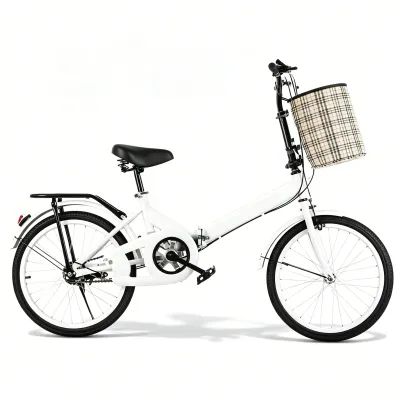
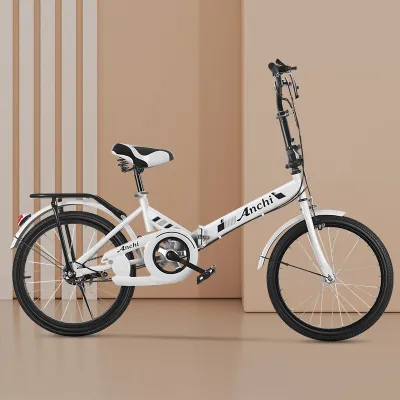
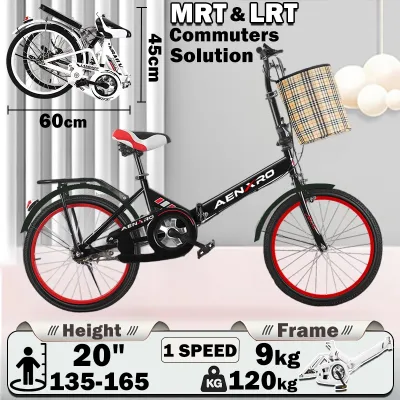
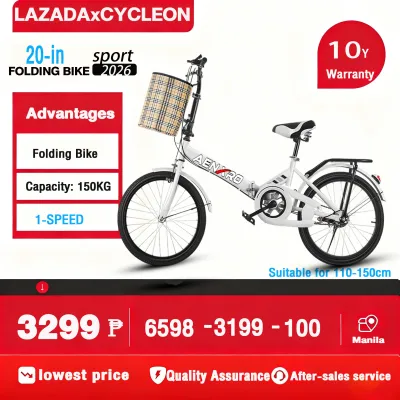
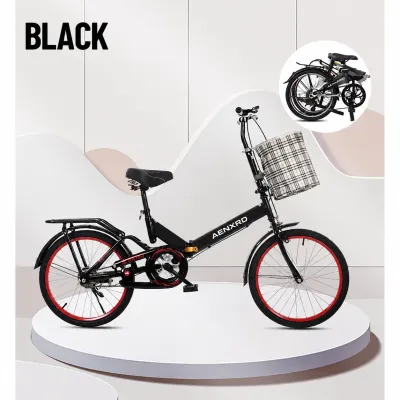
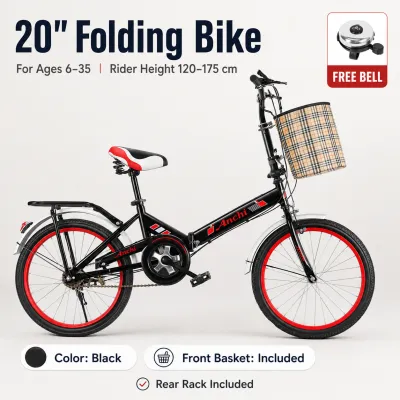
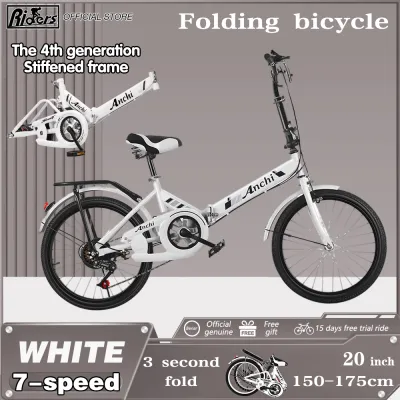
Prices are valid at publication and may change. Please refer to the product page for the latest price.
Steel frames, including chromoly and high-tensile steel, offer natural flexibility that dampens road buzz for a smoother ride. The trade-off is weight, as steel frames are heavier and require more effort to carry over obstacles or up stairs. Additionally, in humid coastal areas or during the rainy season, steel frames require diligent maintenance and rust-prevention treatments to protect the tubing from corrosion.
Before purchasing, always verify the manufacturer’s official weight limit and payload capacity. If you plan to carry heavy work bags, groceries, or weekend touring gear, ensure the frame can support the combined weight of the rider and cargo. Inspect the folding joint welds and frame stiffness; a high-quality hinge should feel solid with no visible play or flexing when you apply pressure to the handlebars.
Gearing Systems: Matching Drivetrains to Your Terrain
The right gearing system depends heavily on your local route and how much maintenance you are willing to perform. For flat city commutes with frequent stop-and-go traffic, a single-speed setup or an internal gear hub is highly efficient. Internal gear hubs protect the shifting mechanisms inside the rear wheel shell, shielding them from rain, road grime, and humidity, which significantly reduces maintenance needs.

If your weekend rides involve rolling hills, flyovers, or longer distances, an external derailleur system with seven to eleven speeds is more suitable. External gears provide a wider range of ratios, allowing you to maintain a comfortable pedaling cadence on steep inclines. However, these exposed components require regular cleaning, degreasing, and lubrication, especially after riding through wet streets or dusty paths.
To verify if a bike’s gearing matches your physical fitness and terrain, check the gear inch specifications provided by the manufacturer. A lower gear inch value (around 20 to 30 inches) makes climbing steep hills much easier, while a higher value (above 70 inches) allows you to travel faster on flat roads. Ensure the shifter mechanism is easy to operate and compatible with your hand size and grip strength.
Tires and Suspension: Balancing Comfort and Efficiency
Tire selection directly influences rolling resistance, grip, and comfort on different road surfaces. For daily commuting on paved city roads, narrow, slick tires inflated to high pressures are ideal. They minimize rolling resistance, allowing you to travel faster with less physical effort, though they offer minimal cushioning against road cracks and potholes.
For weekend rides that may take you onto gravel paths, park trails, or wet roads, wider tires with light tread patterns are a safer choice. Wider tires hold a larger volume of air, which acts as a natural shock absorber and provides better traction on loose or slippery surfaces. Look for tires with built-in puncture-resistant casings to reduce the risk of flats from road debris and sharp gravel.
While front or full suspension systems improve comfort on rough terrain, they add significant weight and mechanical complexity to a folding bike. For most urban and light trail riding, choosing wider tires run at slightly lower pressures is a lighter, more practical alternative to heavy suspension forks. If you do choose a model with suspension, verify that the components are sealed against dust and moisture to prevent premature wear.
Folding Mechanisms: Checking Folded Dimensions and Hinges
The folding mechanism determines how quickly and compactly the bike folds down for storage or transit. Mid-fold designs are the most common, folding the frame in half via a central hinge. Vertical fold and triangle hinge designs often fold faster or create a more compact, rollable package, but they can be more complex to operate and may require a higher initial investment.
Do not rely solely on product photographs when planning your storage. Measure your target storage spaces—such as under your office desk, inside your car trunk, or within designated public transit luggage areas—and compare them directly against the bike’s official folded dimensions. Keep in mind that added accessories like wider pedals, racks, or baskets can increase the overall folded width.
Safety is paramount when dealing with folding hinges. Inspect the latching system to ensure it features a robust, secondary safety lock that prevents accidental unfolding while riding. Daily commuters who fold and unfold their bikes multiple times a day should check the hinge tension regularly and adjust it according to the manufacturer’s instructions to prevent wear and frame play.
Decision Matrix: Commuter vs. Weekend Rider Checklist
To finalize your choice, map your primary riding goals against the key specifications of each configuration. Commuters should prioritize low weight, quick folding times, and low-maintenance drivetrains, while weekend riders should focus on gear range, tire volume, and frame comfort.
| Feature | Commuting Priority | Weekend Ride Priority |
|---|---|---|
| Frame Material | Lightweight Aluminum | Durable Steel or Aluminum |
| Gearing | Single-speed or Internal Hub | Multi-speed External Derailleur |
| Tires | Narrow, Slick (Fast) | Wide, Treaded (Comfort/Grip) |
| Fold Size | Ultra-compact & Quick | Standard Compact |
| Accessories | Fenders & Integrated Lights | Bottle Cages & Rear Racks |
Before making a final decision, perform a test ride to verify the bike’s ergonomics and riding posture. Ensure the handlebar height and reach allow you to sit comfortably without straining your back or wrists. Check that the seatpost can be adjusted to your correct leg extension height without exceeding the minimum insertion safety mark on the post.
If your daily commute involves tight office spaces and train transfers, but your weekend rides involve steep mountain trails and rough gravel, a single folding bike may require too many compromises. In such cases, using a dedicated commuter folding bike alongside a specialized trail bike might be more practical than trying to force one bike to do both perfectly.
Frequently Asked Questions (FAQ)
Are 20-inch wheels too small for long weekend rides?
No, 20-inch wheels are highly capable of handling longer distances when paired with an appropriate gear range. While they do not roll over large obstacles as easily as larger wheels, they offer excellent maneuverability and quick acceleration. For long rides, focus on maintaining proper tire pressure and choosing a frame geometry that fits your body comfortably to prevent fatigue.
Can I add accessories like racks and fenders to any folding bike?
Not all folding bikes accept standard accessories. You must check the frame for dedicated, factory-threaded mounting eyelets before purchasing racks or fenders. Avoid using generic clamp-on accessories unless they are explicitly approved by the manufacturer, as they can interfere with the folding mechanism, damage the frame, or void your warranty.
Community discussion
Share your experience or ask a question. Comments are reviewed before publication.